
 USD
USD GBP
GBP
 EUR
EUR
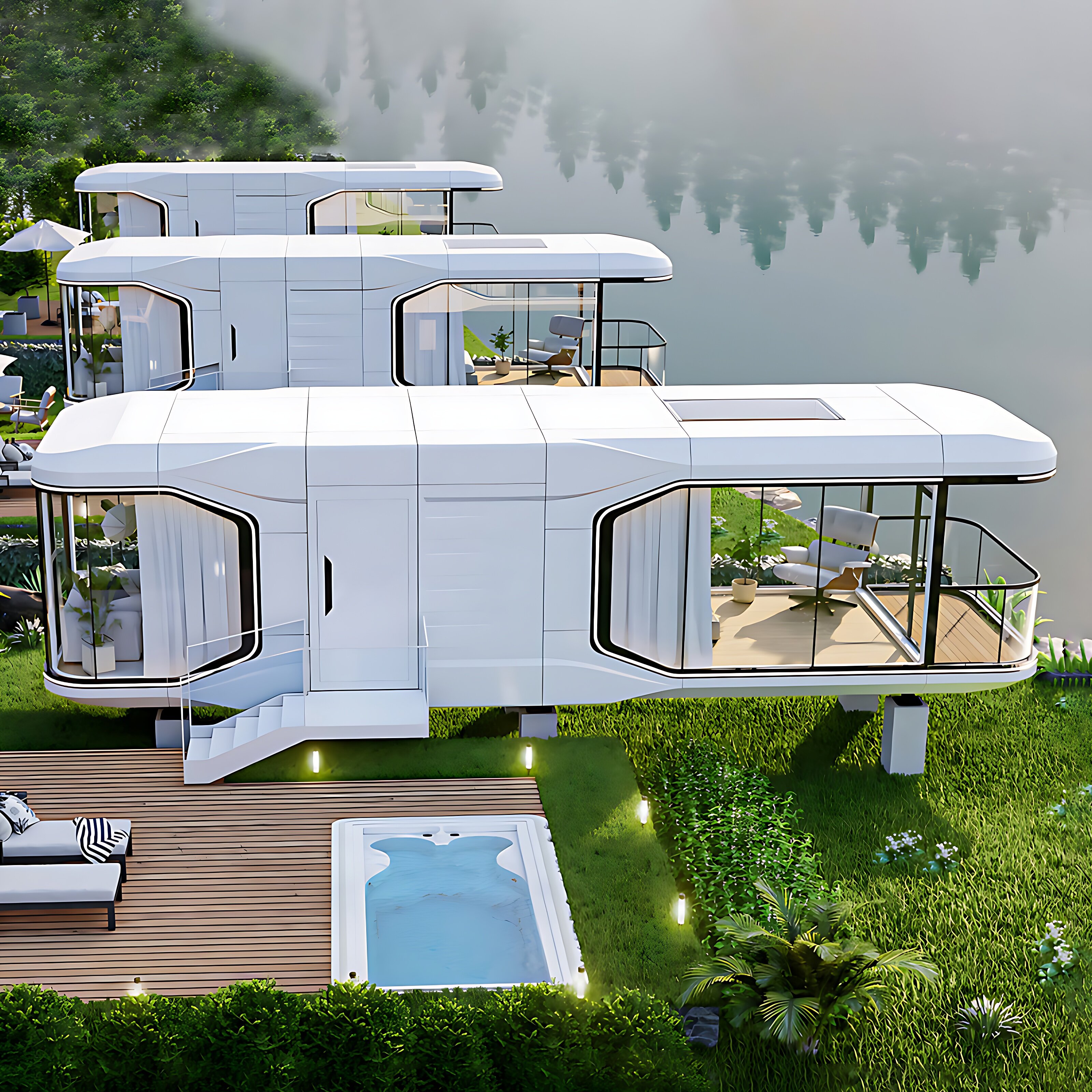
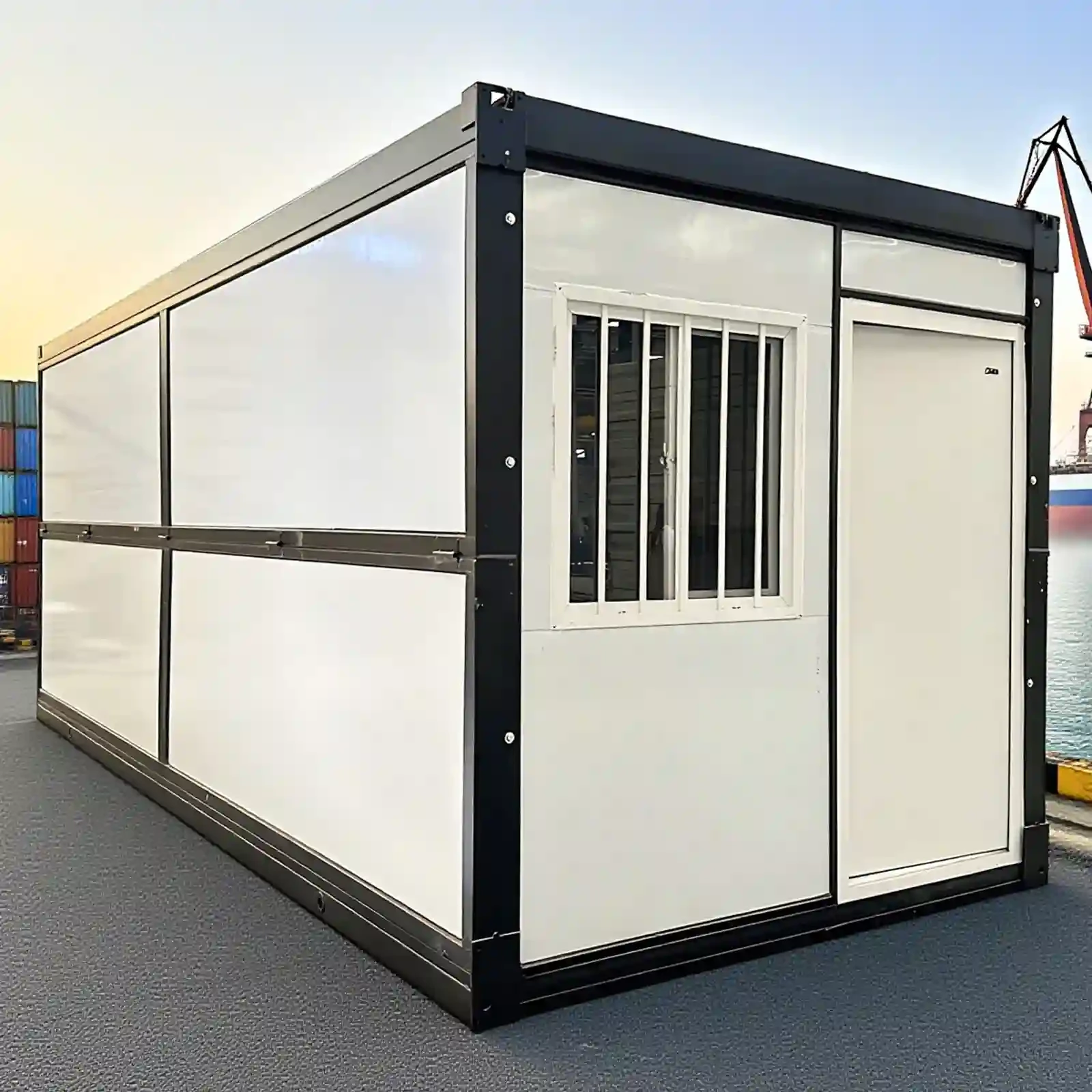
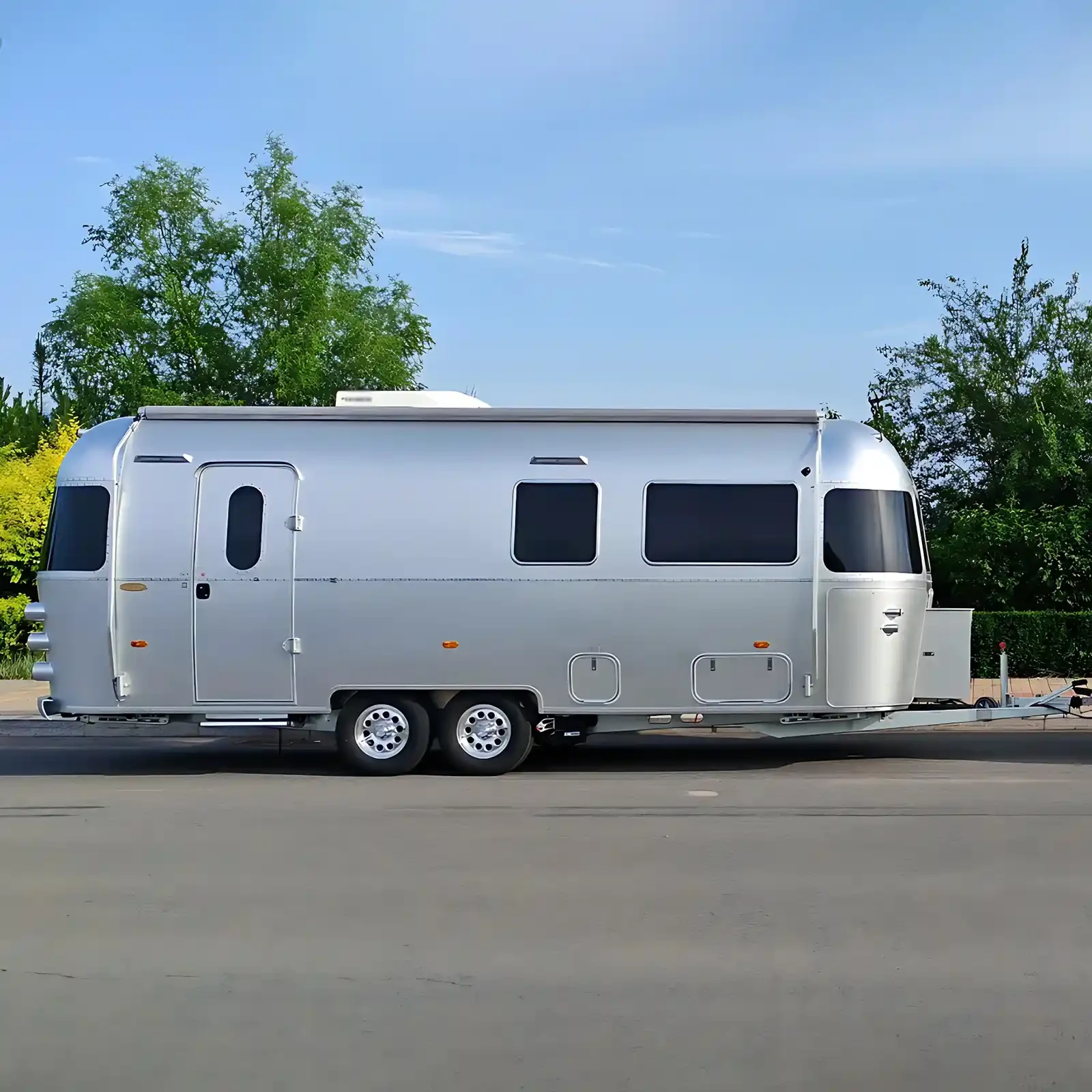
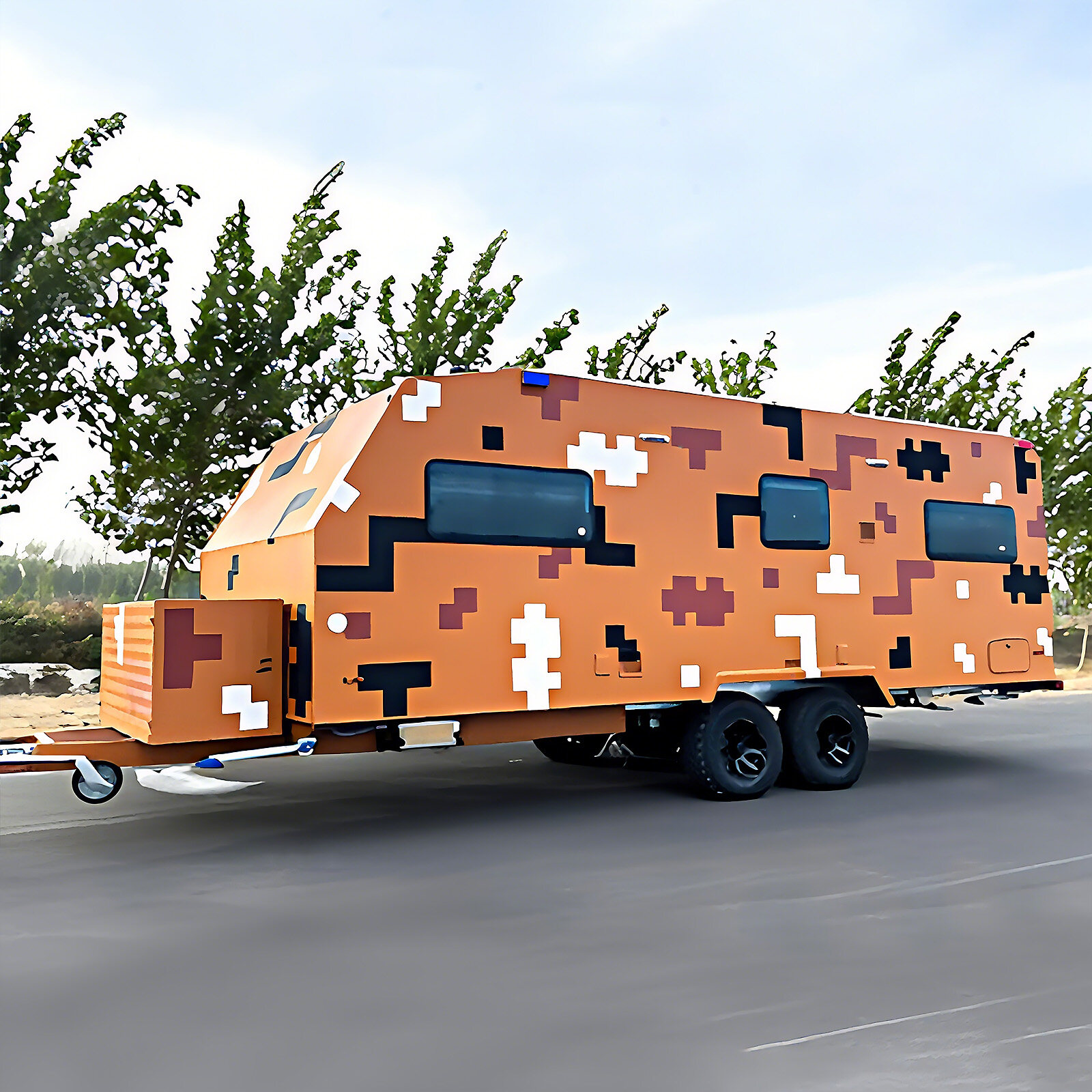
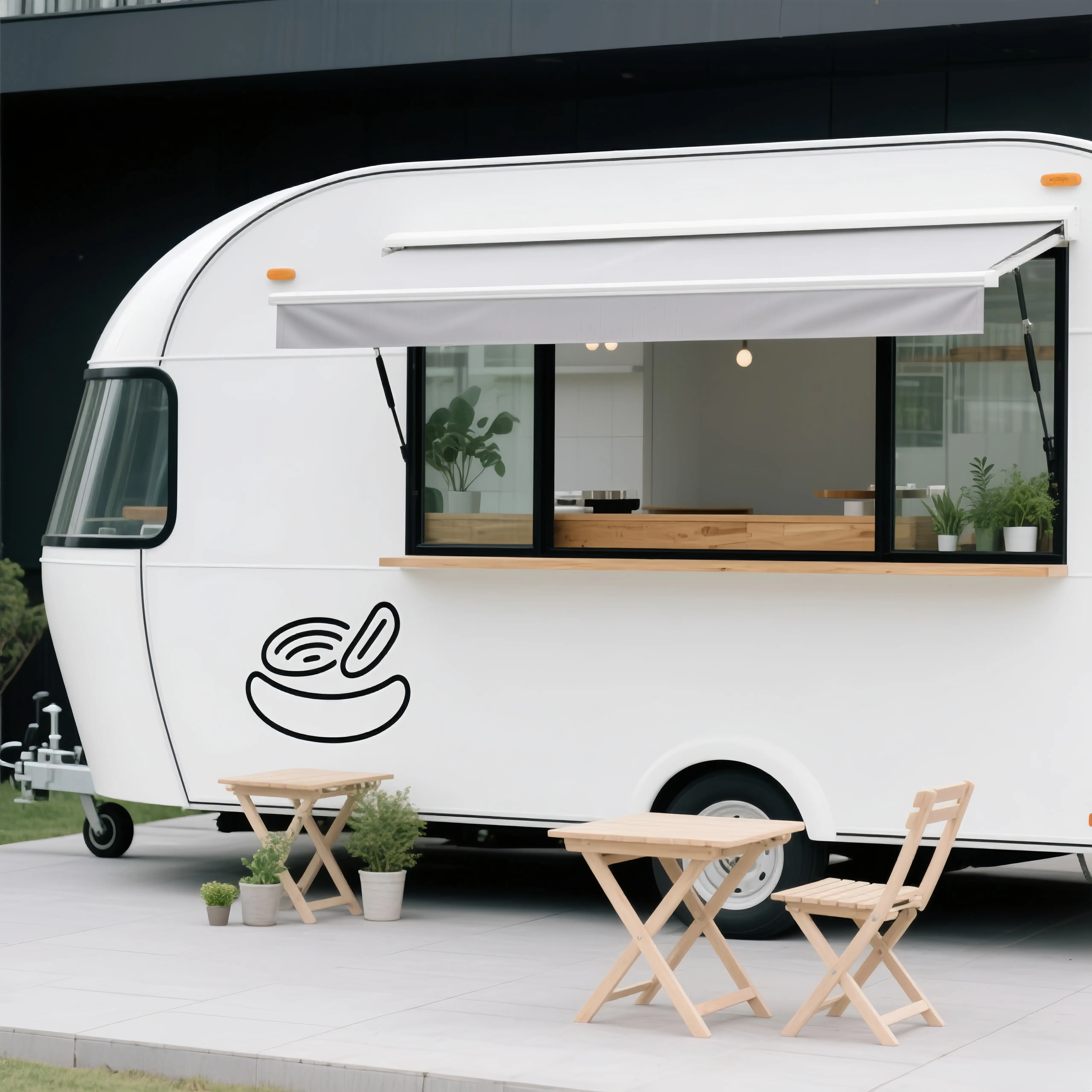

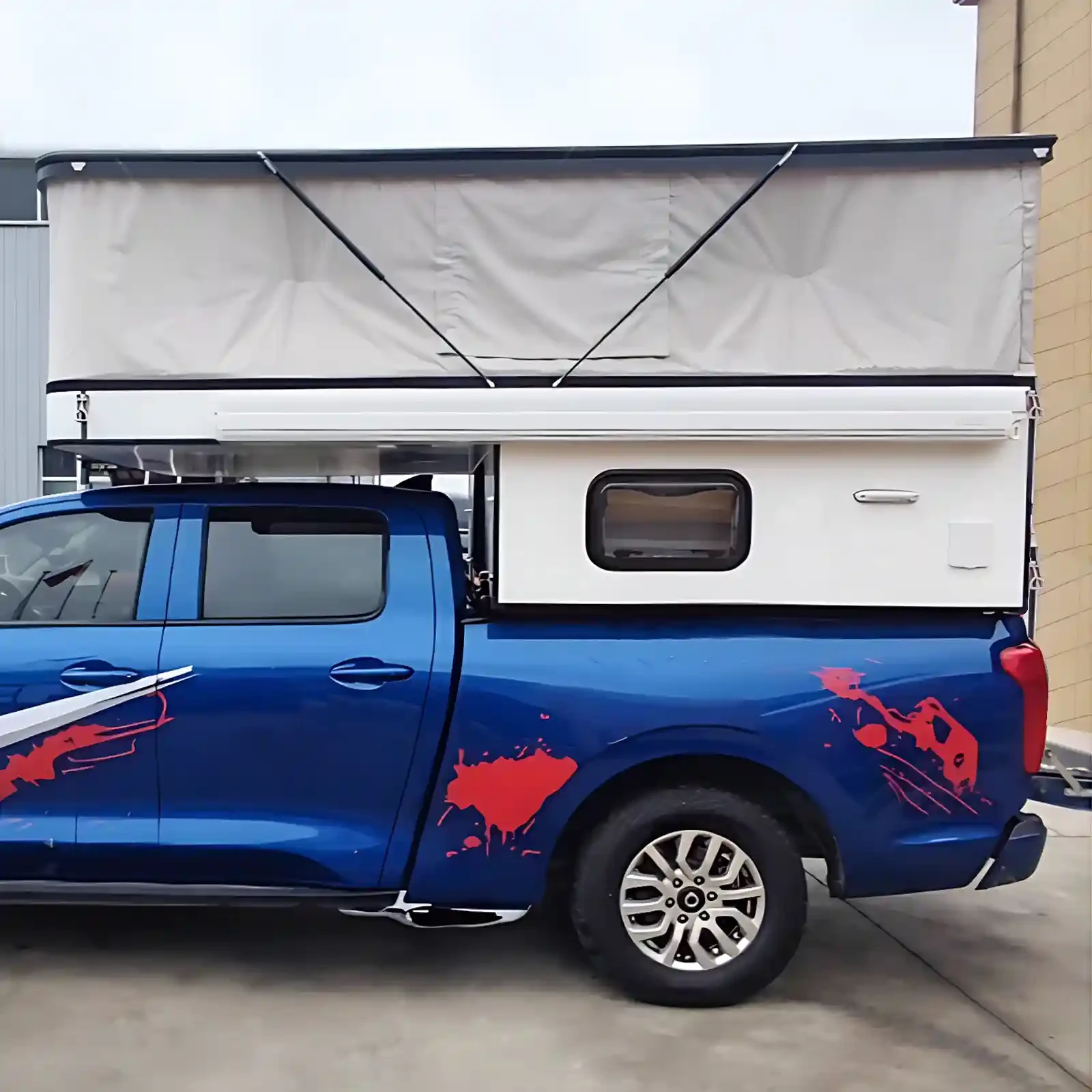

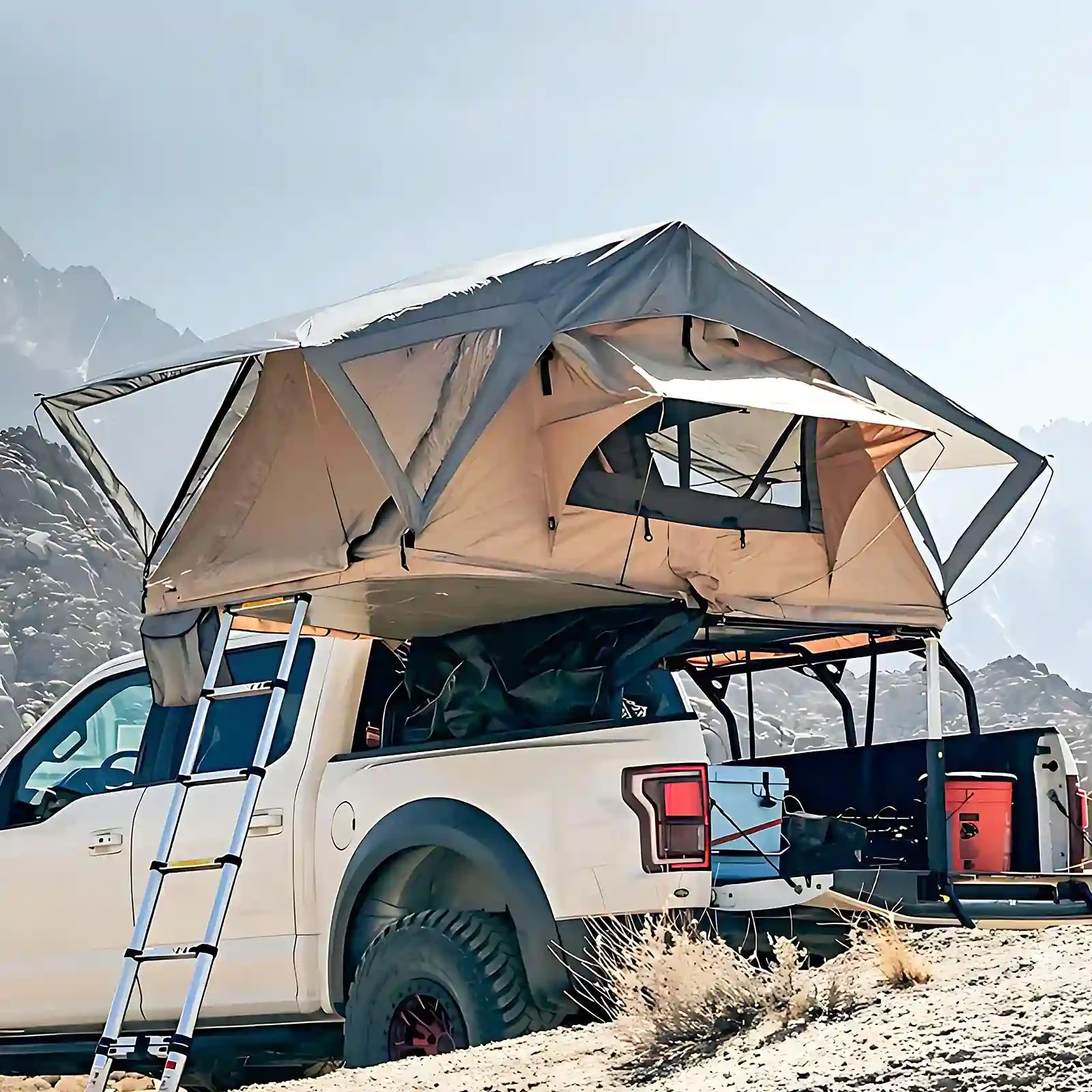


When examining the possibilities of affordable housing, it is crucial to comprehend the difference between a modular home vs mobile home so that you can make reasonable choices regarding the future house. Although both provide cost-effective solutions relative to the traditional method of construction based on the stick-built, they are vastly different regarding their methods of construction, the codes and building requirements, transportation, financing opportunities, and the ability to retain the value of the building over time. Home buyers tend to mix up these two types of housing since both are designed and built in factories, but there are many more commonalities between the two classes, as both have very different rules and regulations to be followed during construction, which affects areas such as the foundation needs, construction, and the resale value of these homes.
Learning about Construction Techniques and Construction Standards
The major distinction between the modular home vs mobile home argument has been in their construction standards and standards compliance, whereby the modular homes are built to the same International Residential Code (IRC) standards used to construct traditional site-built homes, and the mobile homes are built to the federal HUD code set specifically to construct manufactured homes.
Modular houses are built in parts in climate-regulated factory settings and transported to stable foundations where they are put together and attached permanently to form structures that are almost similar to traditional houses in terms of quality and looks.
Mobile homes (known as manufactured homes since 1976) are fully assembled in factories on a non-removable steel chassis. This chassis is integral to the structure throughout its life, permitting potential relocation but fundamentally restricting foundation options and overall structural integrity, as it cannot be removed.
Installation, Foundation, and Transportation Requirements
The difference between the transportation logistics of the modular home vs mobile home is very dramatic because the transportation of the modular homes requires the use of specialized heavy-duty flatbed trucks and cranes to deliver separate segments that will be carefully assembled on-site by professional construction teams who can permanently attach the segments to the already prepared foundations using standard construction tools.
Mobile homes come on their permanent chassis as whole single or two-wide houses, which are delivered as a complete unit, making it easier to deliver them. At the end destination, they can be placed on pier foundations, concrete slabs, or permanent basement foundations based on local laws and the preference of the homeowner.
The construction schedule of modular homes is normally longer than that of mobile homes because of the difficulties of attaching several sections, the provision of utilities, the completion of exterior transition, and final inspections to ensure that local building codes are adhered to, not only to federal HUD standards.
Funding and Real estate appraisal
The decision between the modular home vs mobile home is treated very differently by the financial institutions, with the modular home accepted by the traditional mortgages, FHA loans, VA loans, and conventional financing deals exactly like the site-built homes, since they are treated as real property when permanently attached to the land that is owned and meet the local building codes.
Mobile homes obtain limited financing options with higher interest rates, shorter loan lending periods, and higher down payment requirements, as the lenders treat them as personal property as opposed to real estate unless they satisfy certain requirements, such as installation of mobile homes on a permanent foundation, ownership of land, and removal of transportation chassis.
Property appreciation trends strongly favor modular homes; they retain or even increase in value over time, similar to traditional houses in the same neighborhoods. In contrast, mobile homes typically depreciate like vehicles, unless they are placed on owned land with permanent foundations and properly maintained.
Personalization, Designability, and Livability
The modular construction offers significantly more options in the design of the house than the manufactured housing because the modular home vs mobile home comparison shows that the modular home allows nearly an endless range of house designs, the choice of architectural styles, the choice of high-quality materials, and the inclusion of multi-story designs, attached garages, basements, and custom features that can blend perfectly into the surrounding site-built neighborhoods.
Even though mobile homes have a range of floor plans and upgrade options within standardized area sizes, they are limited on width (highway truck transportation with single-wide generally ranging between fourteen and sixteen feet, and with double-wide possibly ranging between twenty and thirty-two feet), which means that these homes have smaller living areas with reduced ceiling height, uniform layout, and fewer structural options once installed.
In terms of energy saving, insulation, and building life cycle, modular homes tend to outweigh mobile homes because they comply with local building codes, which can tend to dictate higher levels of insulation, superior quality of windows, and stronger construction materials than the minimum federal standards of HUD, which govern the production of mobile homes.
How to Choose the Right Housing Choice for the Right Situation?
When deciding between the two types of housing, it is important to weigh the particular conditions you are in, and the modular house vs mobile home choice will depend on the availability of financing, land ownership, and the local zoning laws, long-term stability of the residence plans, resale, and personal tastes and preferences of the home quality and neighborhood inclination.
The better option between the two is modular homes because they offer permanent housing to buyers that does not lose its value, enables conventional financing, and fits well into traditional residential areas, whereas mobile homes are more convenient in the situations where buyers are focused on affordable initial housing prices, temporary accommodation, or where the lifestyle desired by the land lease community or mobile home park offers the needed solution and the initial investment commitments and responsibilities of property ownership do not hold significance.
Recommendation
Magespais focuses on providing innovative space capsule houses, folding houses, travel trailers, food trailers, and pickup truck roof boxes that redefine modern mobile living through innovative designs, strong construction, and multifunctional usage to meet the needs of their customers looking to find unique housing and recreational vehicle solutions. To maintain a high degree of satisfaction among people in their lifestyle and housing preferences, Magespais provides high-quality products that blend professionalism with modern designs to satisfy their permanent residential needs and adventure-oriented mobile housing services.