
 USD
USD GBP
GBP
 EUR
EUR
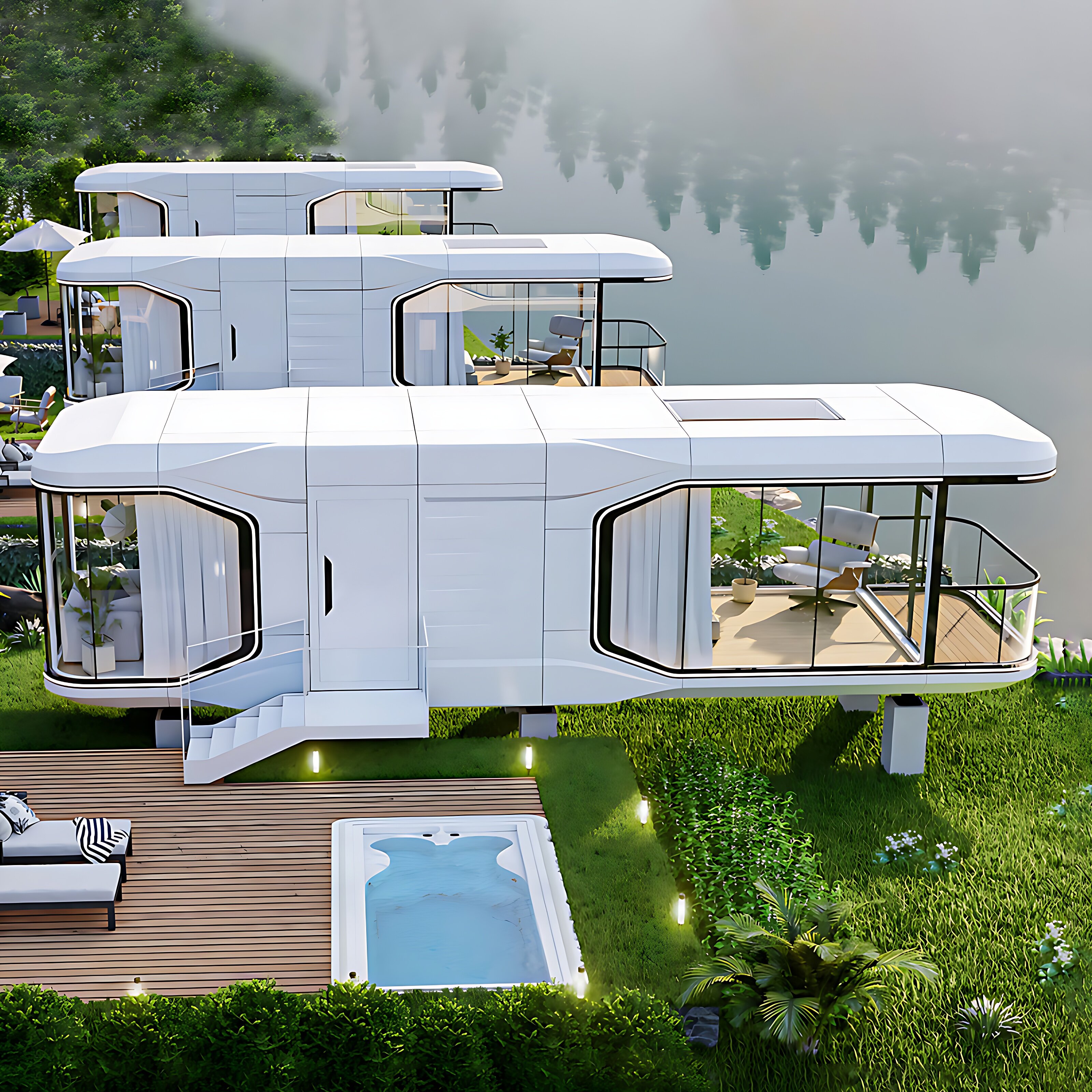
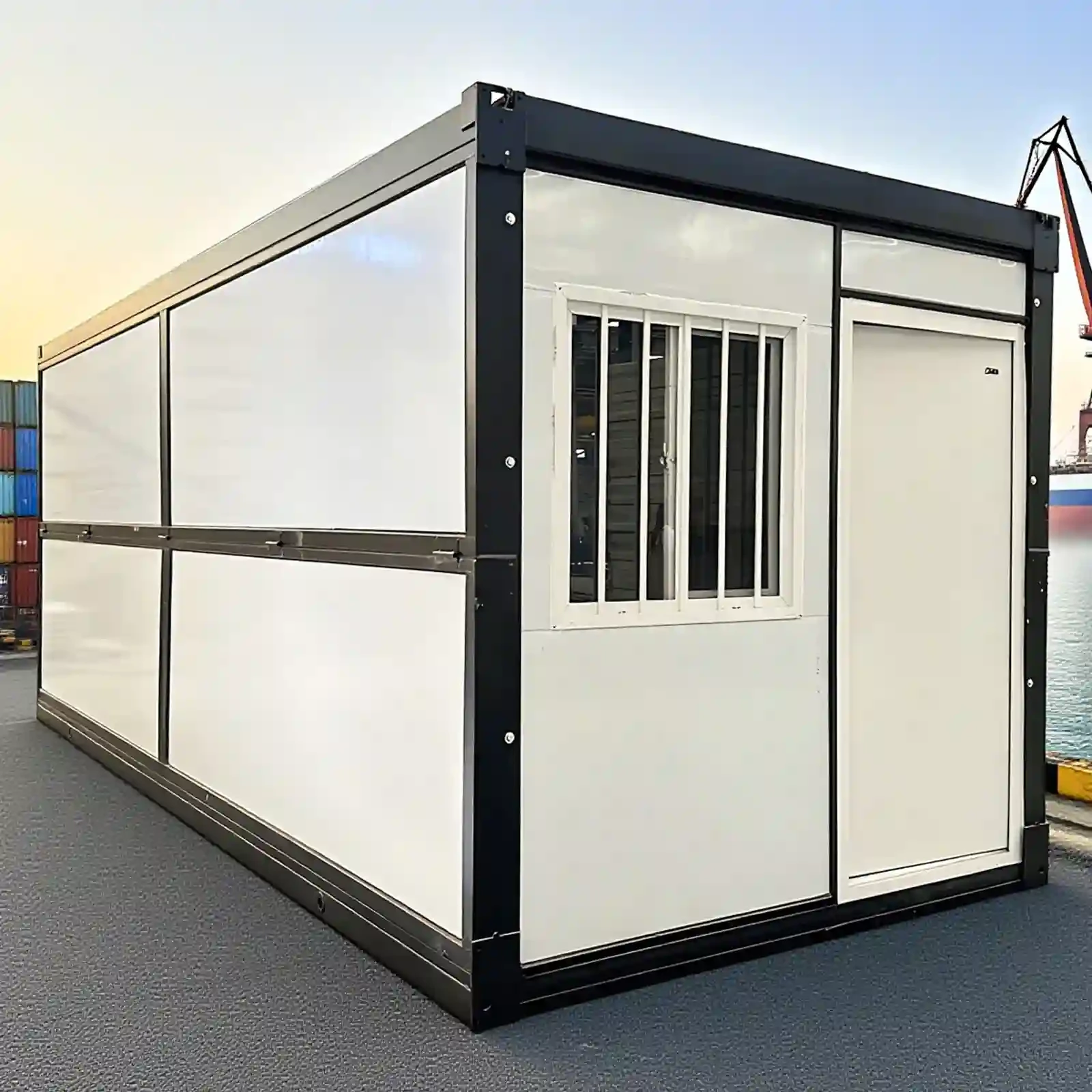
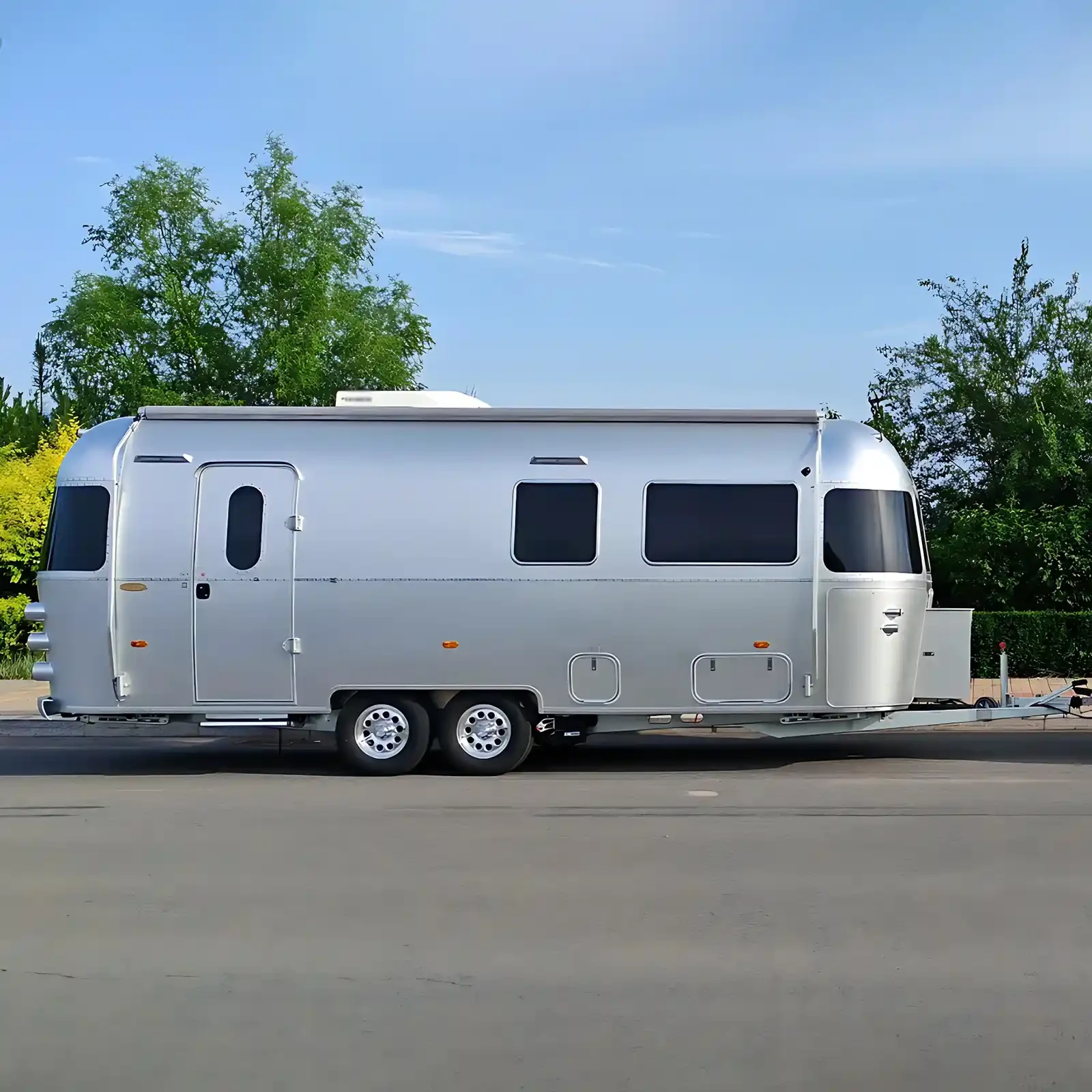
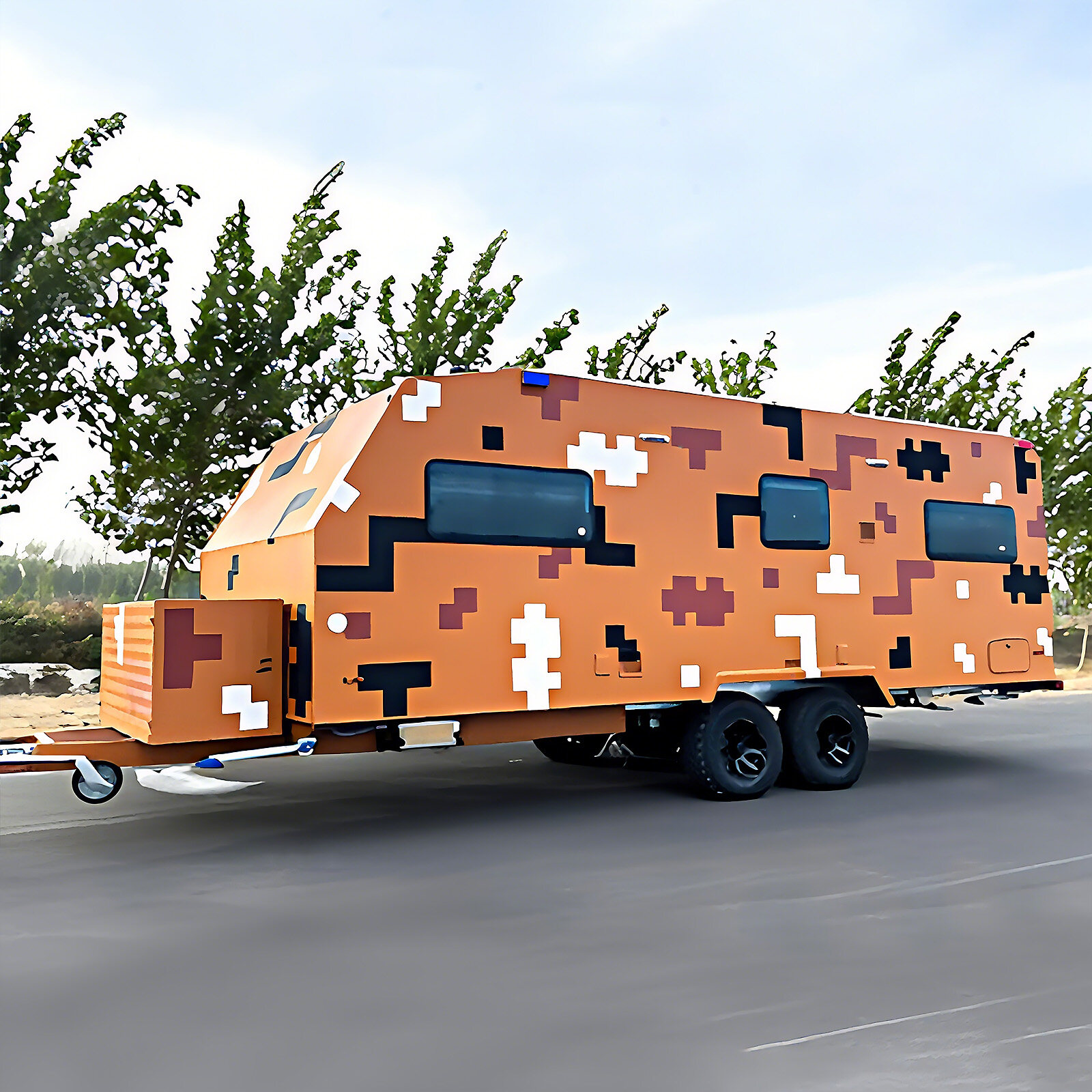




The construction sector has been experiencing an impressive revolution in the form of new building techniques focused on efficiency, sustainability, and design flexibility, which have radically altered the concept of building development within the fast-paced modern development environment. Modular construction is a paradigm shift of conventional on-site building methods, and has the benefit of providing faster project schedules, quality control, and a lesser environmental impact because of factory-manufactured processes that create precision and uniformity.
Sustainable Development by High-Tech Manufacturing
Environmental awareness has taken center stage in modern-day construction processes, with new building responses providing a considerable cut in waste materials, energy use, and carbon emissions in comparison to the traditional practices, which leave a lot of job-site rubbish.
The factories of fabrication permit the calculation of materials with accuracy and effective control of resources and recycling, which cannot be easily reproduced by the traditional construction sites, thus contributing to a more environmentally friendly use of building and less impact on the environment.
The regulated production environment allows for comprehensive quality control, ensuring that every component is manufactured to the highest standards right up until installation. This process significantly minimizes the potential for flaws, rework, and associated material waste.
The reduced time of the constructions is also directly linked with the reduced energy consumption during the construction period, with the construction projects taking fewer days to be operational on-site, less fuel is used to power the construction process, less equipment is run, and the area around the construction site is disturbed less.
Reduced Project and Cost Effectiveness
Time efficiency can be viewed as one of the strongest benefits of the modern building strategies, where the project can often be accomplished within much shorter periods than the more traditional types of buildings that are subject to weather interference, workforce shortages, and serial types of renovations.
Making the site ready and fabricating the components at the same time can compress the schedule dramatically, so that the foundation in progress can be done, structural elements manufactured, at the same time, and this technique can effectively reduce the project duration by a third or even half in most cases.
The weather factor can be avoided because of the predictable manufacturing environment, which usually causes delays in the construction site, which are common in the traditional construction site, where there would be delays caused by weather, which would lead to inconsistent production schedules and unreliable dates of project completion that the stakeholders can trust in terms of planning and investment purposes.
The use of specialty factory employees who gain skills in a particular manufacturing process generates increased labor efficiency, leading to an increase in productivity levels, high craftsmanship, and a reduction in building costs that do not affect the structural integrity or aesthetic value of buildings.
Architectural Innovation and Flexibility in Design
Modular construction stands out because of the exceptional design flexibility that allows adaptation to a variety of architectural styles, spatial layouts, and aesthetic tastes without jeopardizing the structural integrity and functional capabilities that surpass or even supersede those of a conventional building.
Modern production strengths include sophisticated geometries, custom finishes, and integrated building systems, which outmatch traditionally built buildings in their sophistication, looks, and functional capability, and dispel the old notions of standardization or restricted design selections.
These methodologies are getting more and more popular among architects and designers because of their capability to render bold visionary designs with the bonus of practicalities of controlled manufacturing conditions, precision engineering, and simplified installation procedures.
The methodology makes it easy to expand, reconfigure, or move structures, which offers long-term flexibility not available in traditional building construction, thus especially appealing to the changing needs of a business, shifting family relationships, or temporary facility needs.
Construction Excellence and Quality Control
Production accuracy is one of the pillars of factory-building technologies, and extensive quality control guidelines are maintained in the area of production, so that the quality remains high at all the production stages, starting with inspection of raw materials and ending with the final assembly and transportation preparation.
The climate-controlled factories eradicate all the moisture-related problems, temperature variation, and any other environmental pollution that tend to jeopardize the quality of the traditional construction, leading to a high standard of the building envelope, high durability, and longer life span of the structure.
Combined, specialized equipment, trained craftspeople, and systemic inspection processes result in elements that are uniformly and exceedingly economical in structural integrity, energy consumption, and safety compliance, and documentation and examination protocols that offer complete quality assurance.
The on-site construction activities are reduced to a minimum, which minimizes weather damage, theft, vandalism, and other accidents that are associated with the construction process, safeguarding the workers as well as the building parts and preserving the project timescales and budget parameters throughout the whole development process.
The Innovation of Spaces through Innovative Solutions
The modular construction still has its way of revolutionizing the way people think of living and working conditions and has solutions that strike a balance between aesthetics, functionality, environmental friendliness, and economic sustainability in a way that traditional construction is not able to do consistently.
It is especially useful in projects that need a fast deployment, i.e., emergency housing, educational facilities, healthcare expansions, hospitality developments, and residential communities, where time-to-occupancy is a direct influence on project performance and ROI.
Market acceptance has grown exponentially as successful projects demonstrate that advanced manufacturing techniques deliver high-quality, durable, and well-designed products. This success has disproved earlier misconceptions, establishing these methods as a mainstream, rather than fringe, construction option.
According to the industry professionals, the growth and technology in the factory-based construction system will continue to rise, and innovations in the area of materials science, digital fabrication, and integrated building technologies will only be able to offer much more capabilities, efficiencies, and performance characteristics to any future construction project in any sector of the building industry.
Recommendation
Magespais provides the futuristic modular construction technologies that transform modern architecture by introducing innovative space capsule houses and futuristic building technologies that are offered to individuals who want to enjoy the best quality, sustainability, and design elegance. Our holistic approach integrates a state-of-the-art production with a detailed approach that makes each project a vision of the best craftsman, environmental concern, and utility.