
 USD
USD GBP
GBP
 EUR
EUR
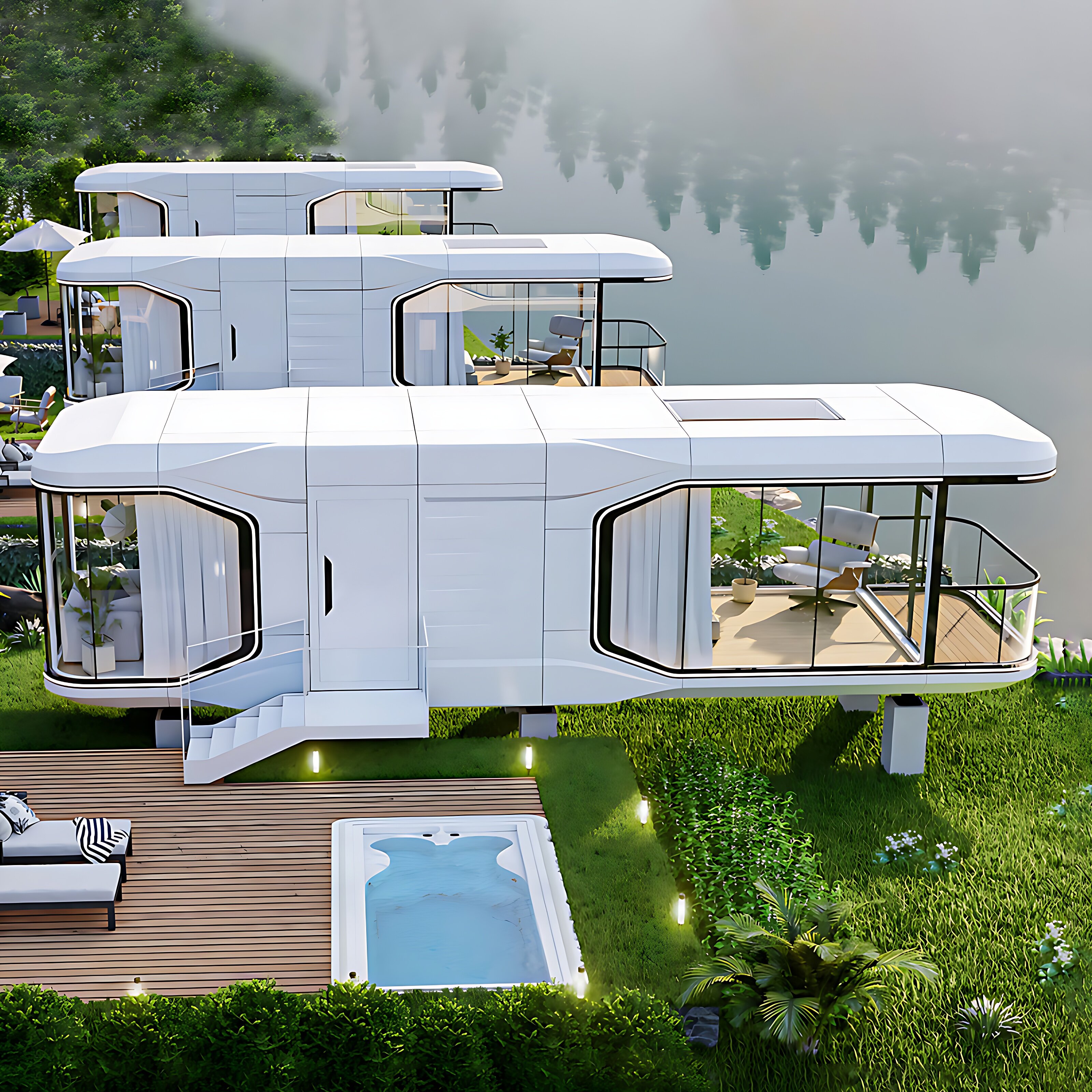
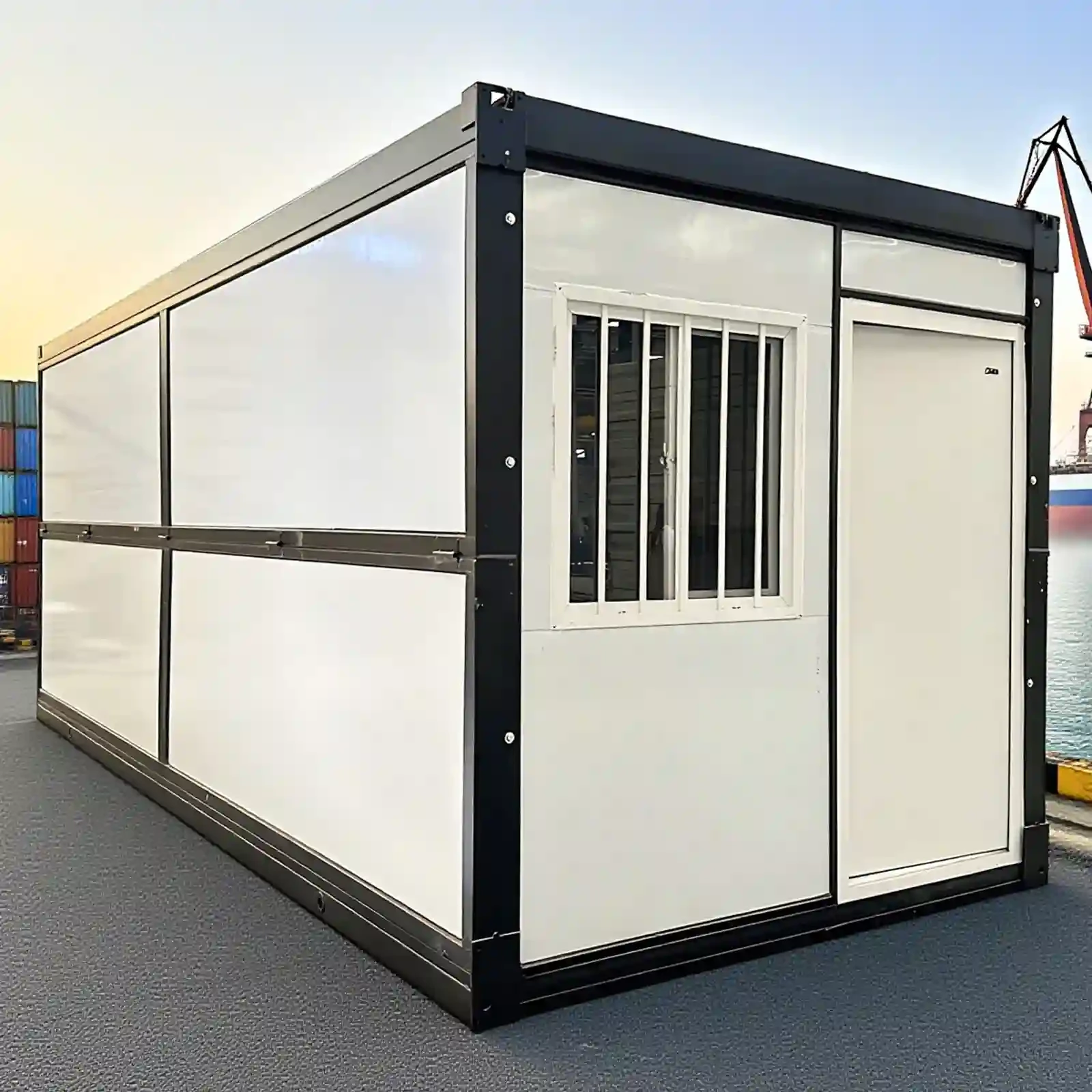
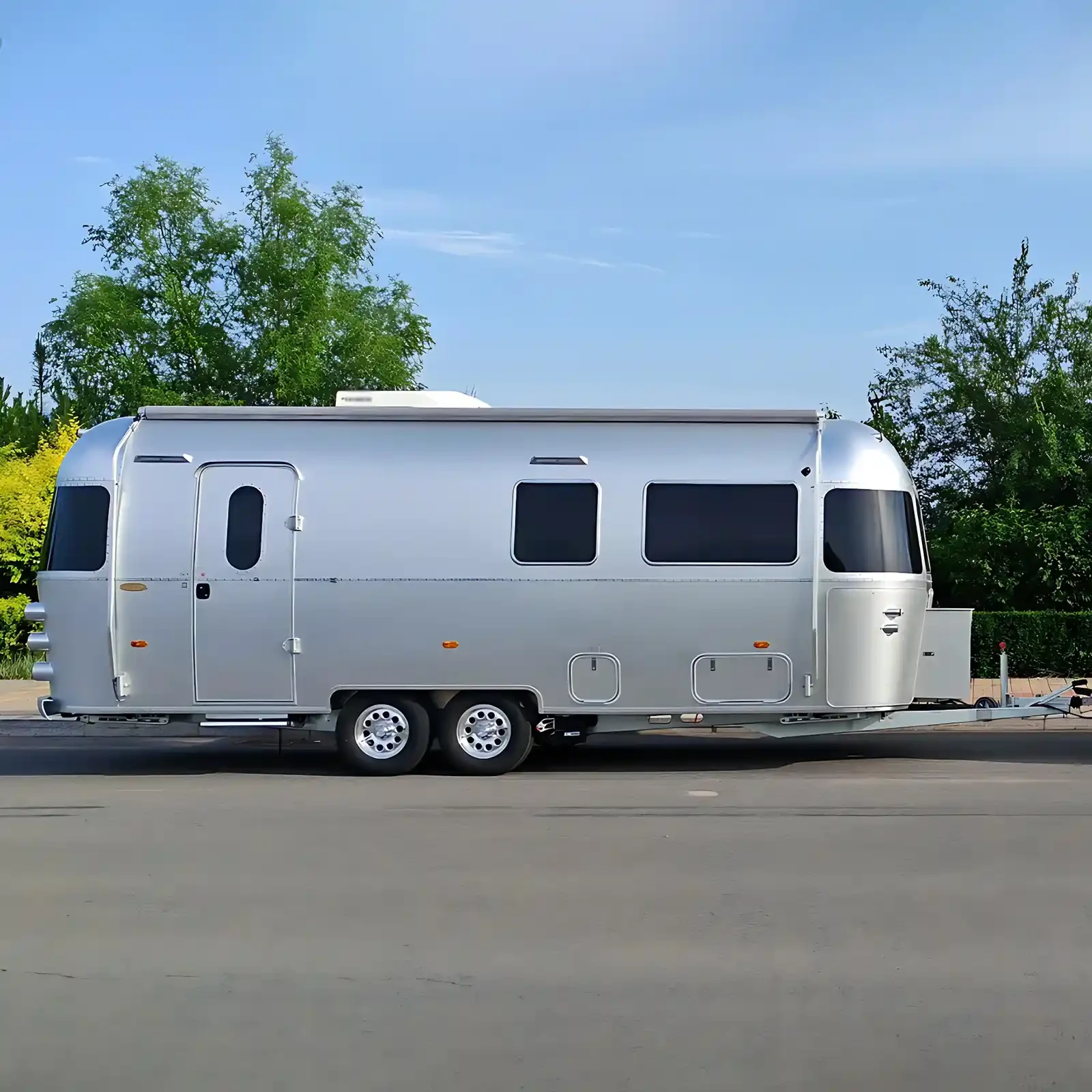
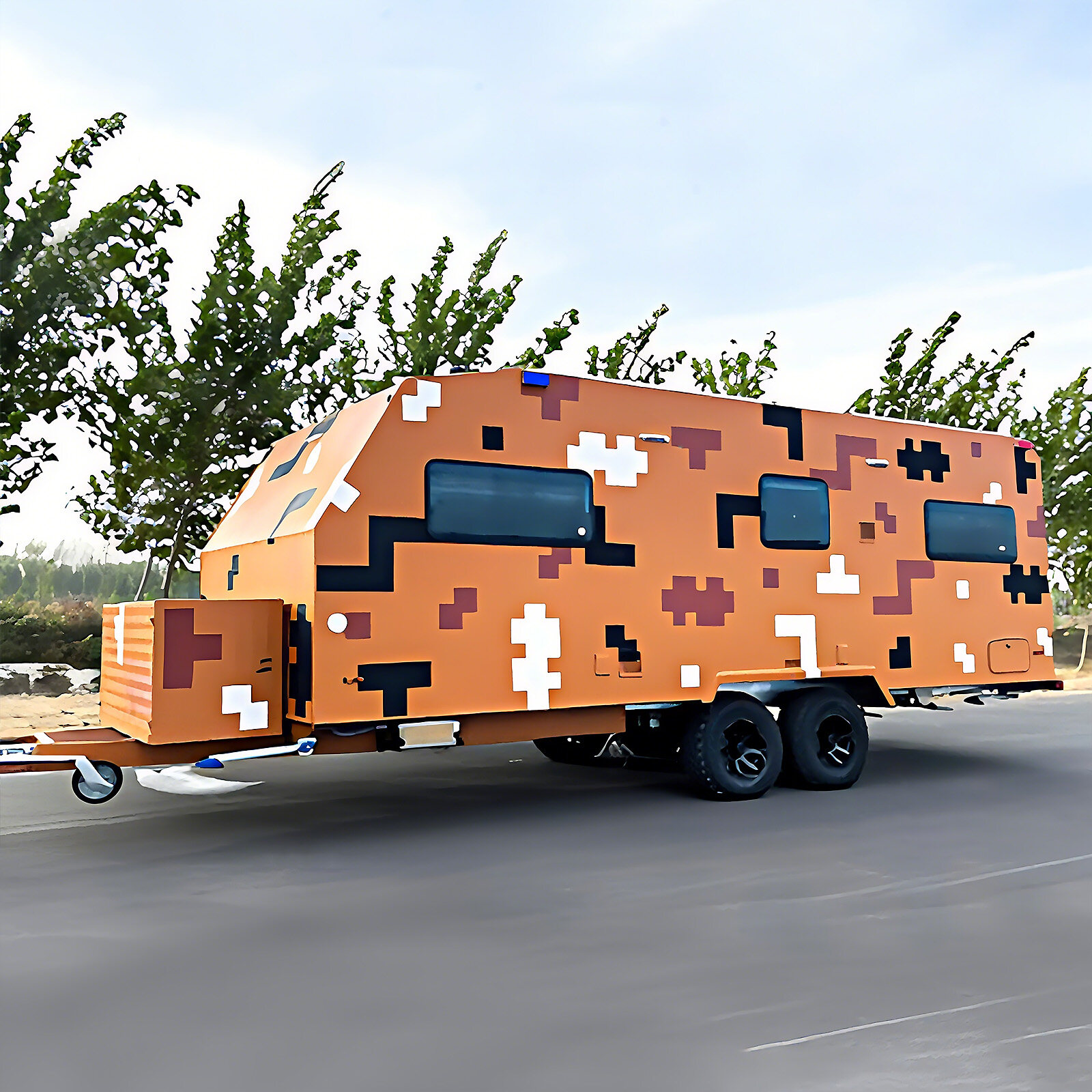
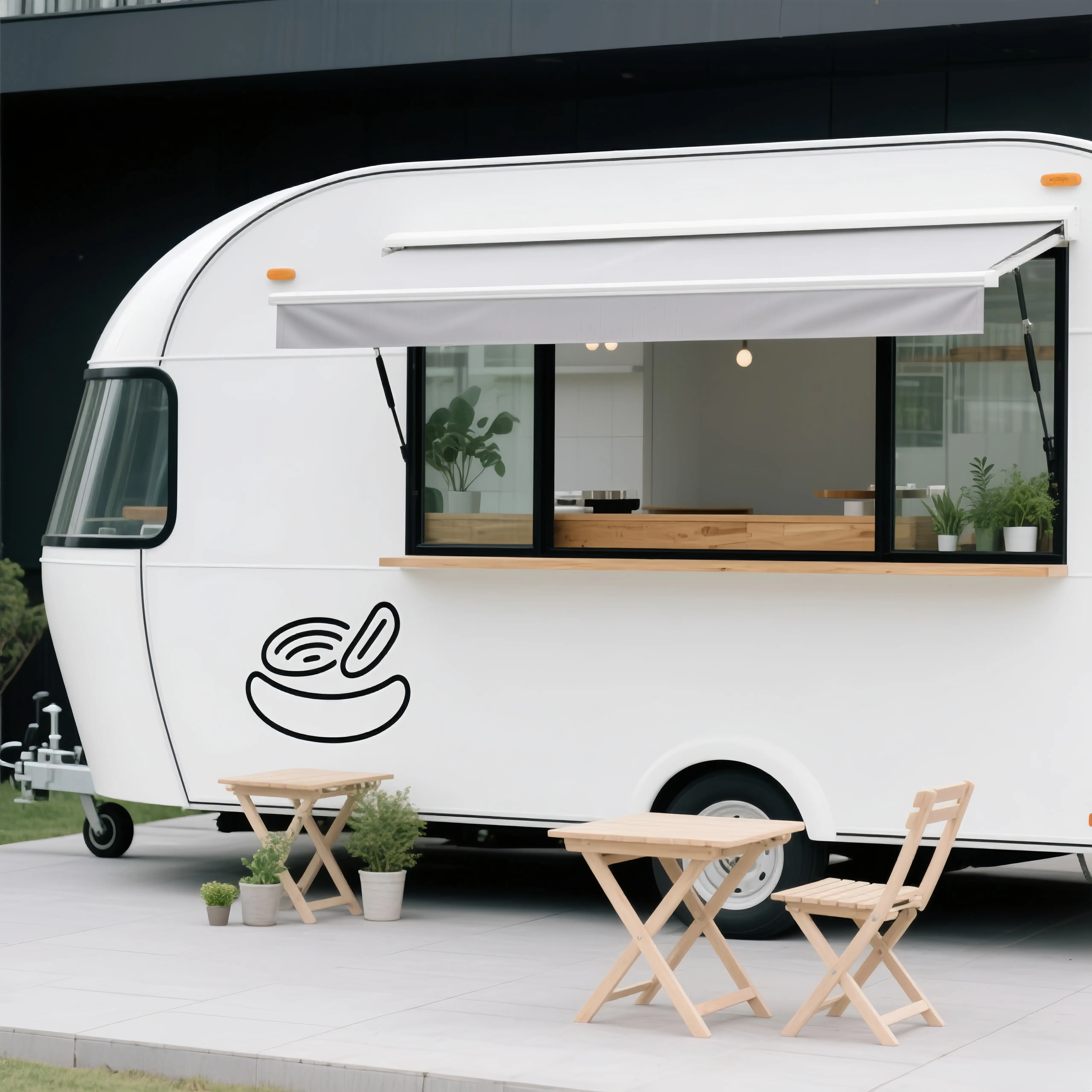
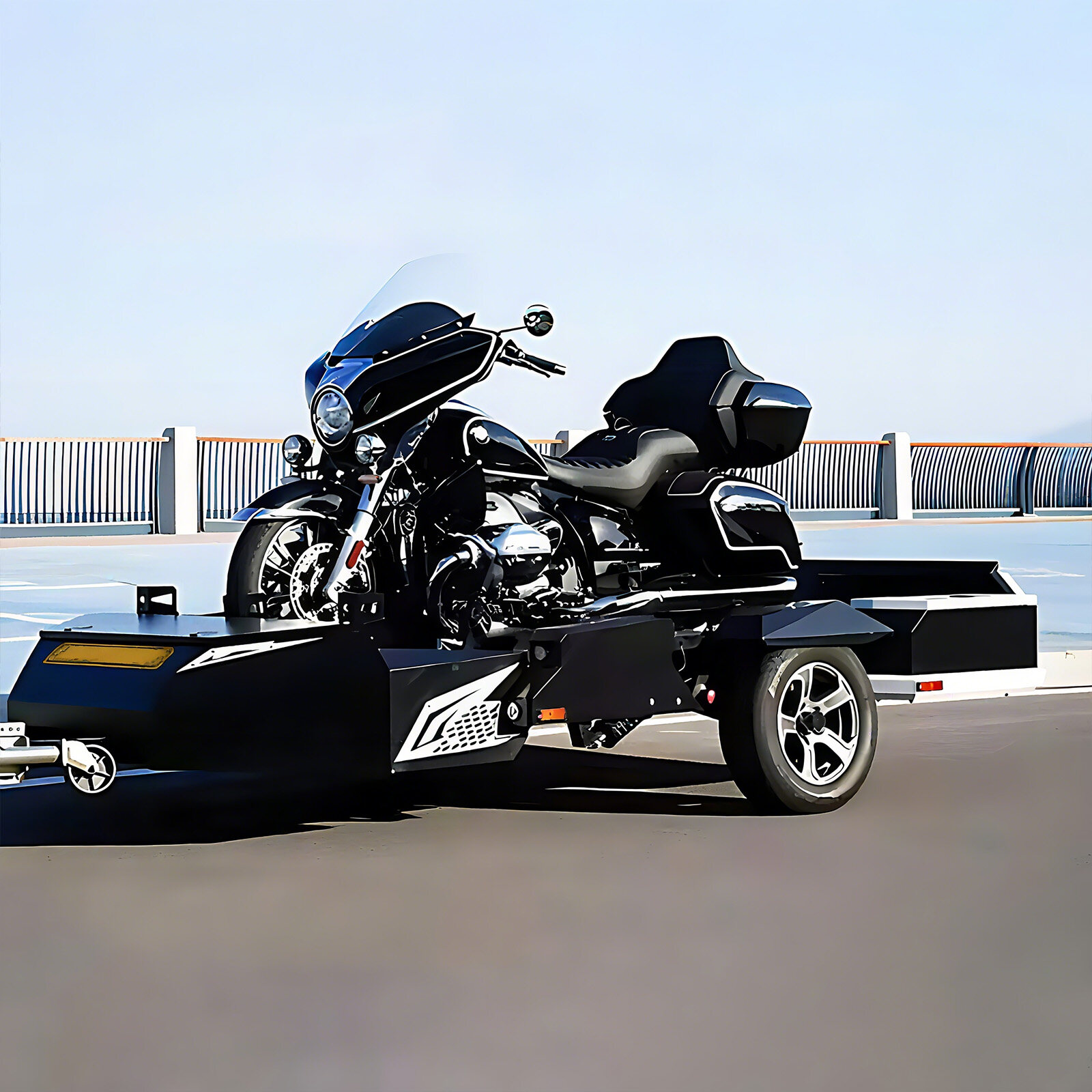
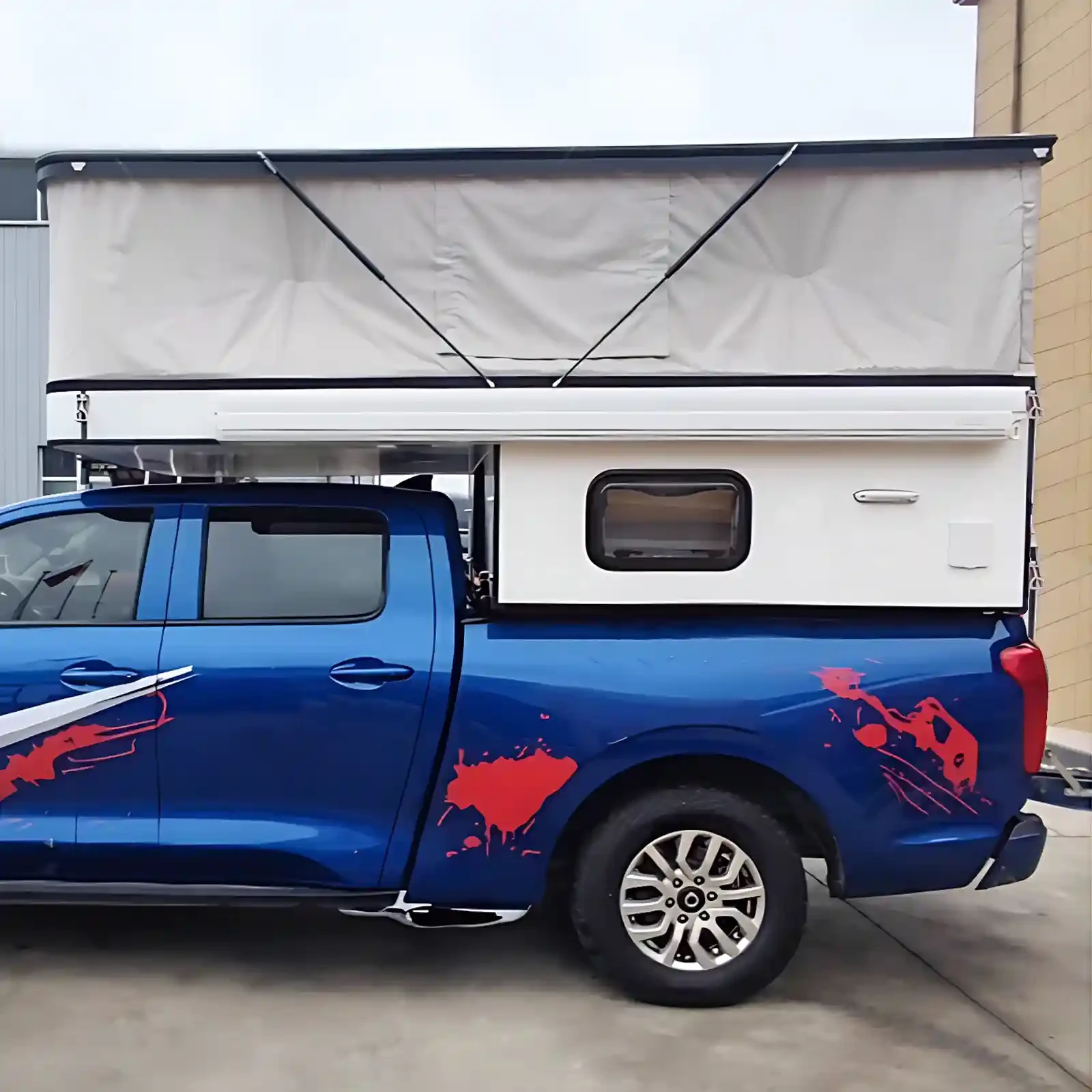
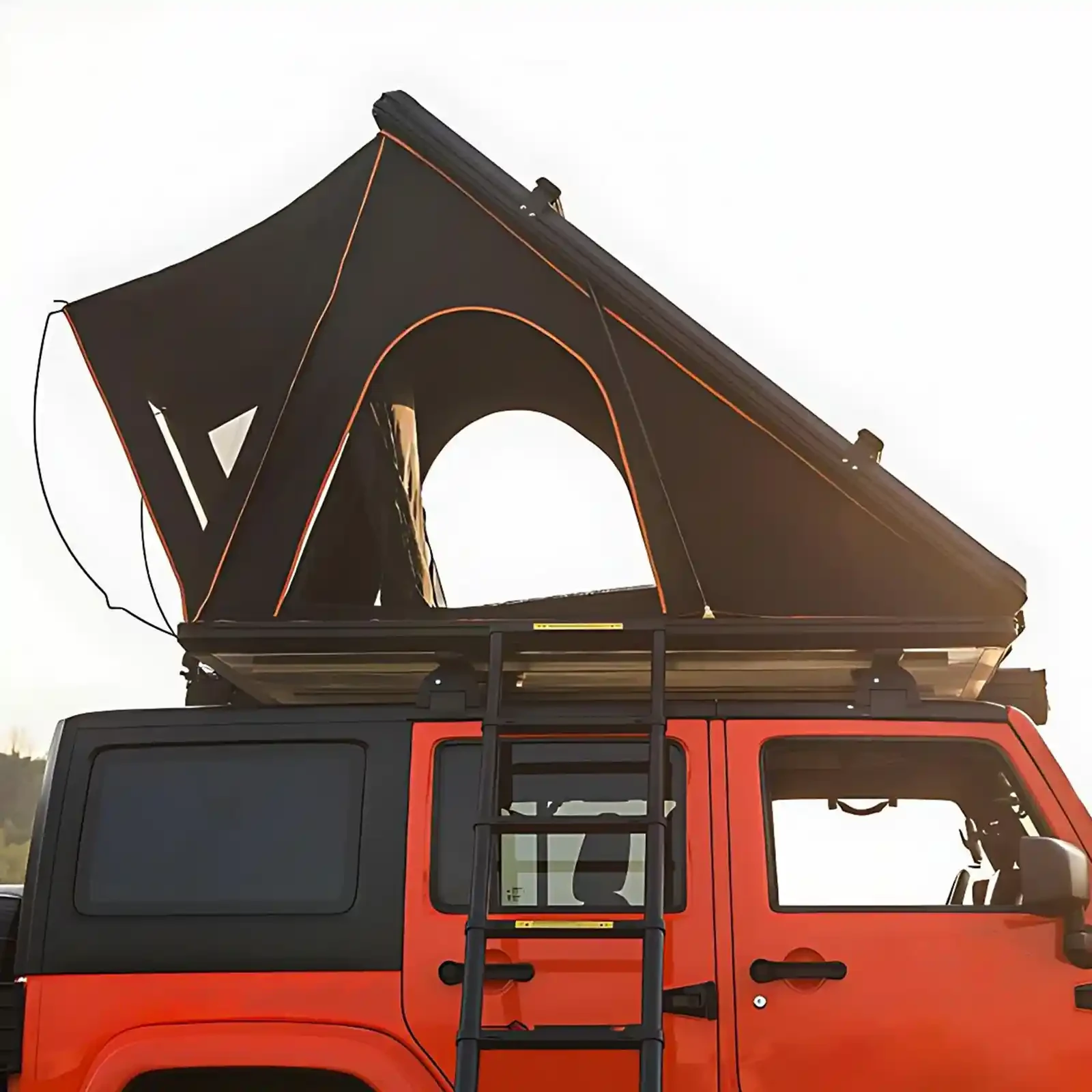
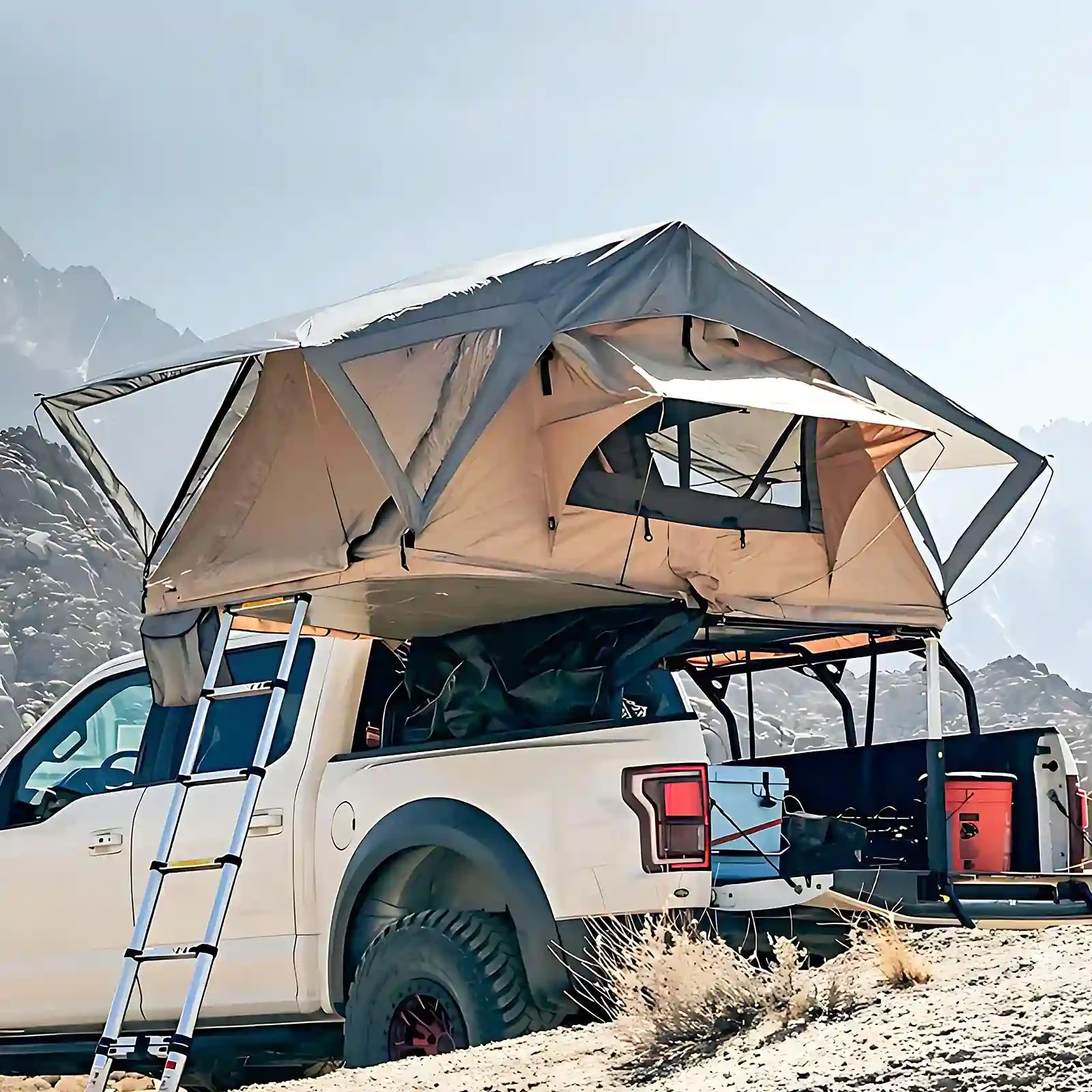
From campsites to disaster relief: the diverse applications of mobile homes.
With their modular design, rapid deployment capabilities, and environmental adaptability, space capsule mobile homes are breaking through the boundaries of traditional living spaces, demonstrating unique value in diverse scenarios such as campsites, post-disaster resettlement, and emergency rescue. This architectural form, which integrates aerospace technology with civilian needs, not only satisfies people's pursuit of personalized living but also becomes an important force in ensuring people's livelihoods during special times. In campsite settings, capsule-style mobile homes are redefining the outdoor accommodation experience. These units, resembling interstellar capsules, use a standard 3.5m x 8m size, with an exterior covered in UV-resistant fluorocarbon coating. The interior features a loft structure that functionally divides the space into a bedroom, living room, and bathroom. Panoramic floor-to-ceiling windows with motorized sunshades allow for daytime views of mountains, forests, lakes, and seas, while at night, one can lie in bed gazing at the stars. One mountain campsite, after introducing 20 capsules, saw its occupancy rate increase by 60% compared to traditional tent campsites. Furthermore, each capsule is equipped with an independent wastewater treatment system, ensuring 100% compliance with wastewater discharge standards, truly achieving "leave no trace" camping. More importantly, these homes can be moved entirely on flatbed trucks, allowing campsite operators to adjust the layout according to seasonal visitor flow and flexibly respond to peak tourist season demands. In the field of post-disaster resettlement, the rapid response capability of capsule-style mobile homes has become a key advantage. After disasters such as earthquakes and floods, the construction of traditional prefabricated houses takes 7-10 days, while capsule-style mobile homes, through modular hoisting, can complete the construction of a resettlement site for 500 people within 48 hours. The capsules use a steel structure frame and fireproof insulation panels, with a wind resistance rating of up to level 10, and can maintain indoor comfort in harsh temperatures ranging from -30℃ to 50℃. Each house is equipped with an independent solar power system and water storage device, ensuring lighting, charging, and basic drinking water even when infrastructure is disrupted. Practice in a flood-stricken area shows that the per capita living area in the capsule-style resettlement site reaches 6 square meters, 50% higher than that of traditional prefabricated houses. Furthermore, with the addition of centralized medical and catering capsules, a fully functional temporary community is formed, effectively alleviating the pressure of post-disaster resettlement. In emergency rescue and field operations, mobile capsule homes have become mobile "frontline bases." Customized capsules used by geological exploration teams, equipped with temperature and humidity control systems and supply storage compartments, can provide 30 days of self-sufficiency for an 8-person team in uninhabited areas. The command center of a forest fire prevention headquarters integrates satellite communication, monitoring systems, and conferencing functions to ensure the real-time transmission of fire dispatch instructions. The off-road towing design of these homes can adapt to complex terrain with slopes up to 25°, and with hydraulic outriggers, they can quickly level themselves, solving the deployment challenges of traditional campsites in the wild. Data from a forest fire brigade shows that after equipping them with a capsule command system, emergency response time was reduced by 40%, and rescue efficiency was significantly improved. In rural revitalization and the construction of characteristic towns, capsule-style mobile homes have become a new vehicle for revitalizing idle resources. In an ancient village in Zhejiang, 10 capsules have been transformed into boutique homestays, creating a collision of "tradition and future" with the ancient village's landscape, and maintaining a weekend occupancy rate of over 90% year-round. On the grasslands of Inner Mongolia, capsule camps achieve energy self-sufficiency through a combination of photovoltaic panels and wind power generation, bringing tourism income to herders while avoiding the damage to the grassland ecosystem caused by traditional buildings. This "mobile and low-intervention" characteristic allows rural tourism development to avoid occupying permanent construction land, providing a new approach to protecting arable land and the ecological environment. From leisure and vacation to ensuring people's livelihood, the diverse applications of mobile homes essentially redefine the concept of "living space"-breaking the bond between architecture and land, and enabling flexible spatial adaptation through technological empowerment. With upgrades in materials technology and intelligent systems, these homes will unleash their value in more fields in the future, becoming multifunctional living solutions that connect cities and nature, and emergency and routine needs. |