
 USD
USD GBP
GBP
 EUR
EUR
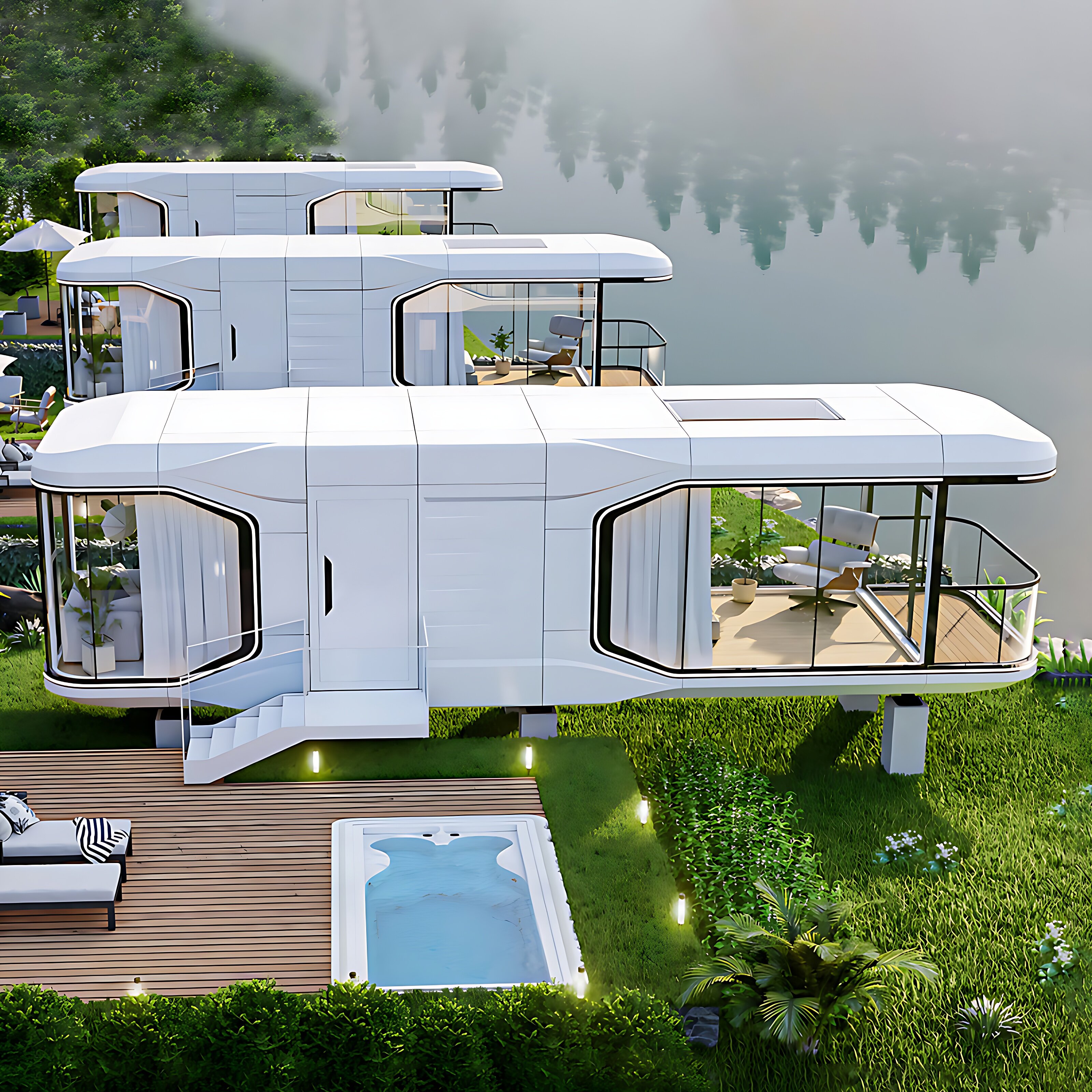
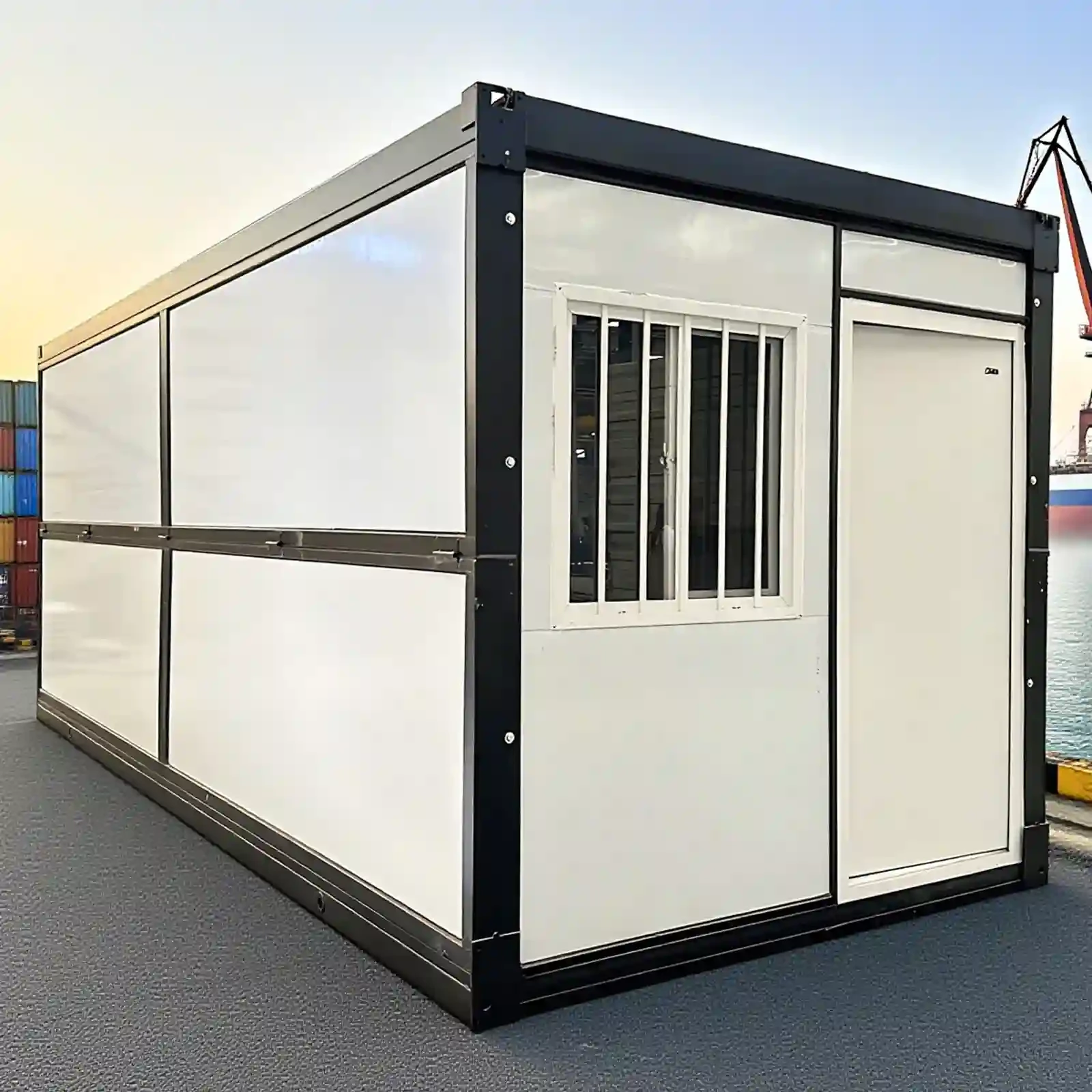
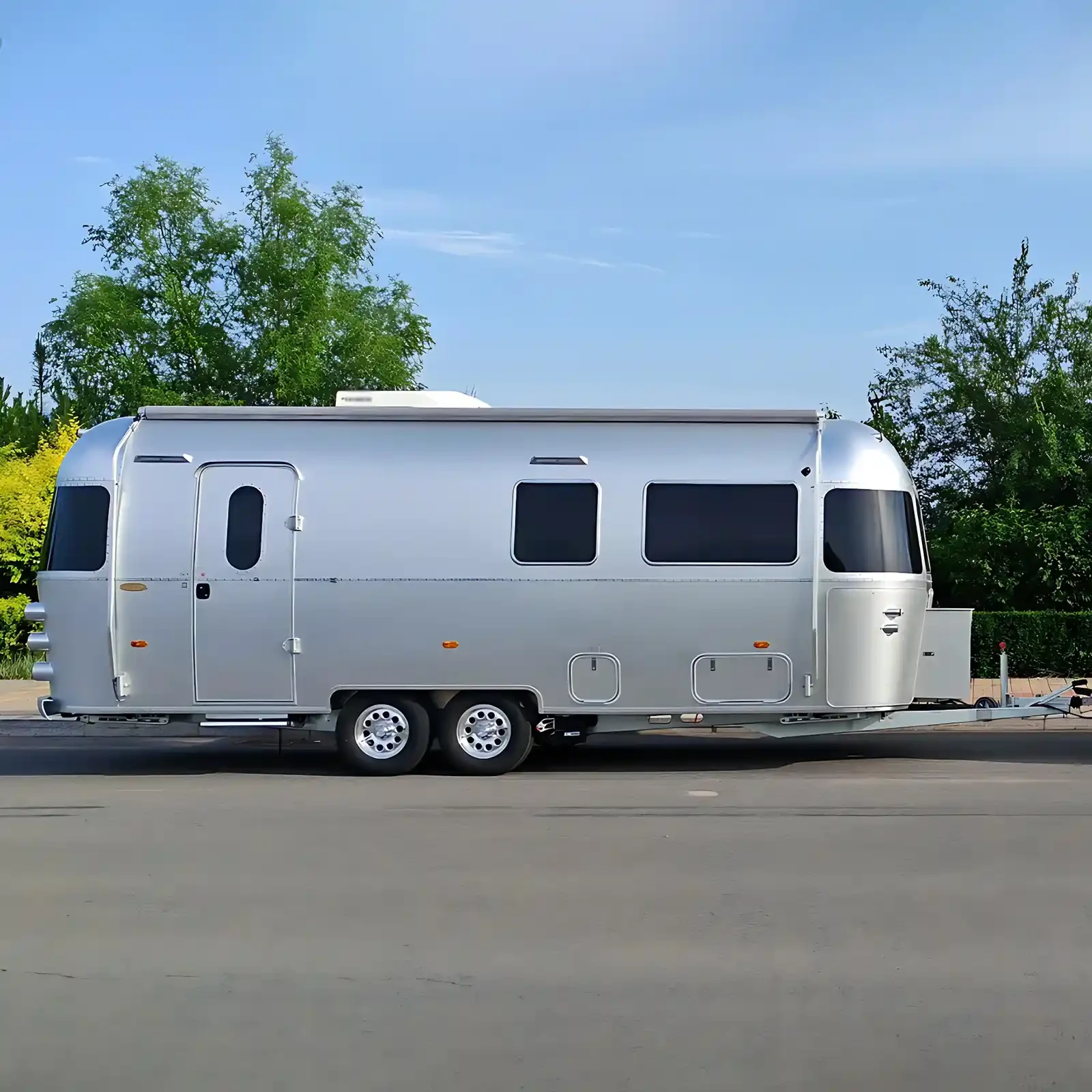
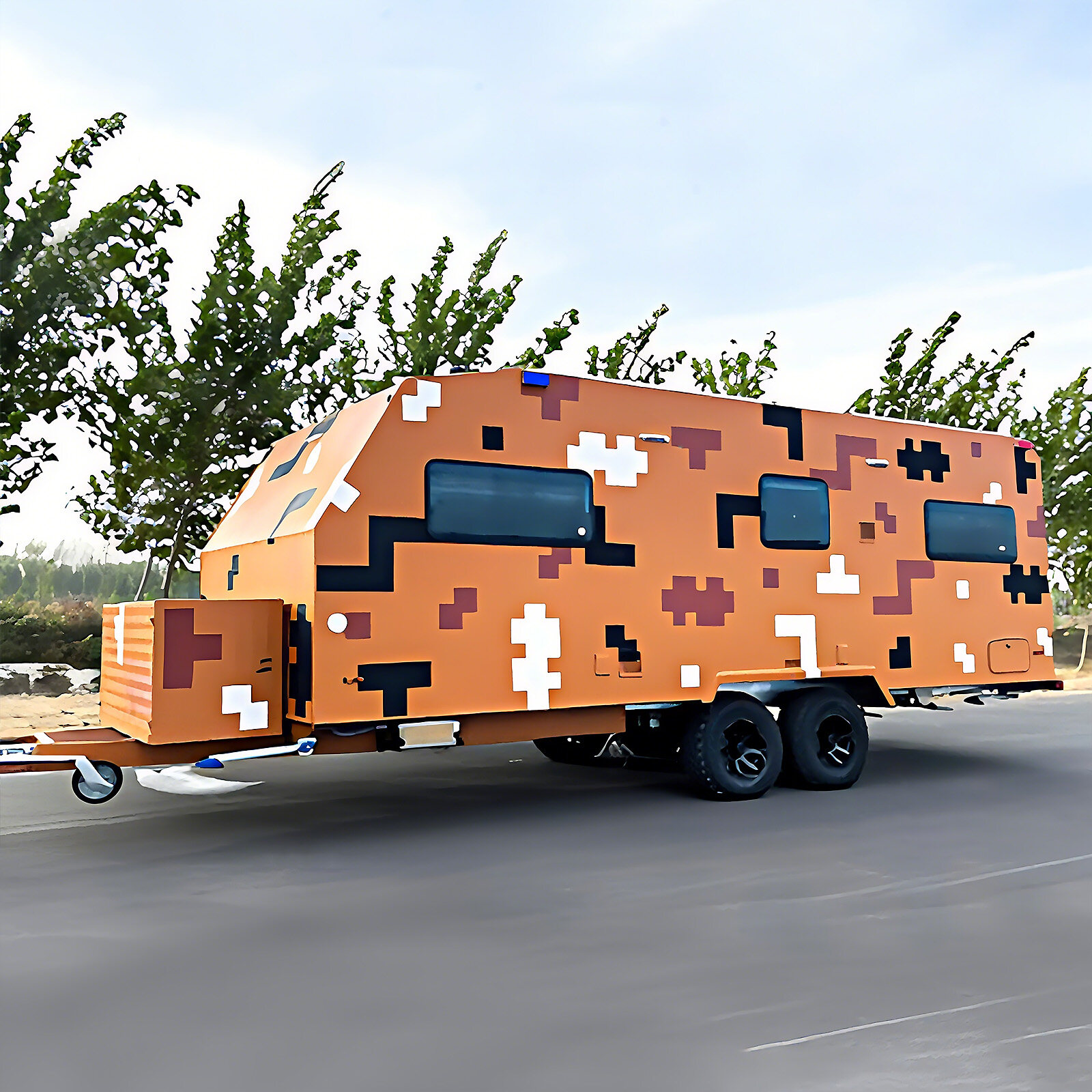



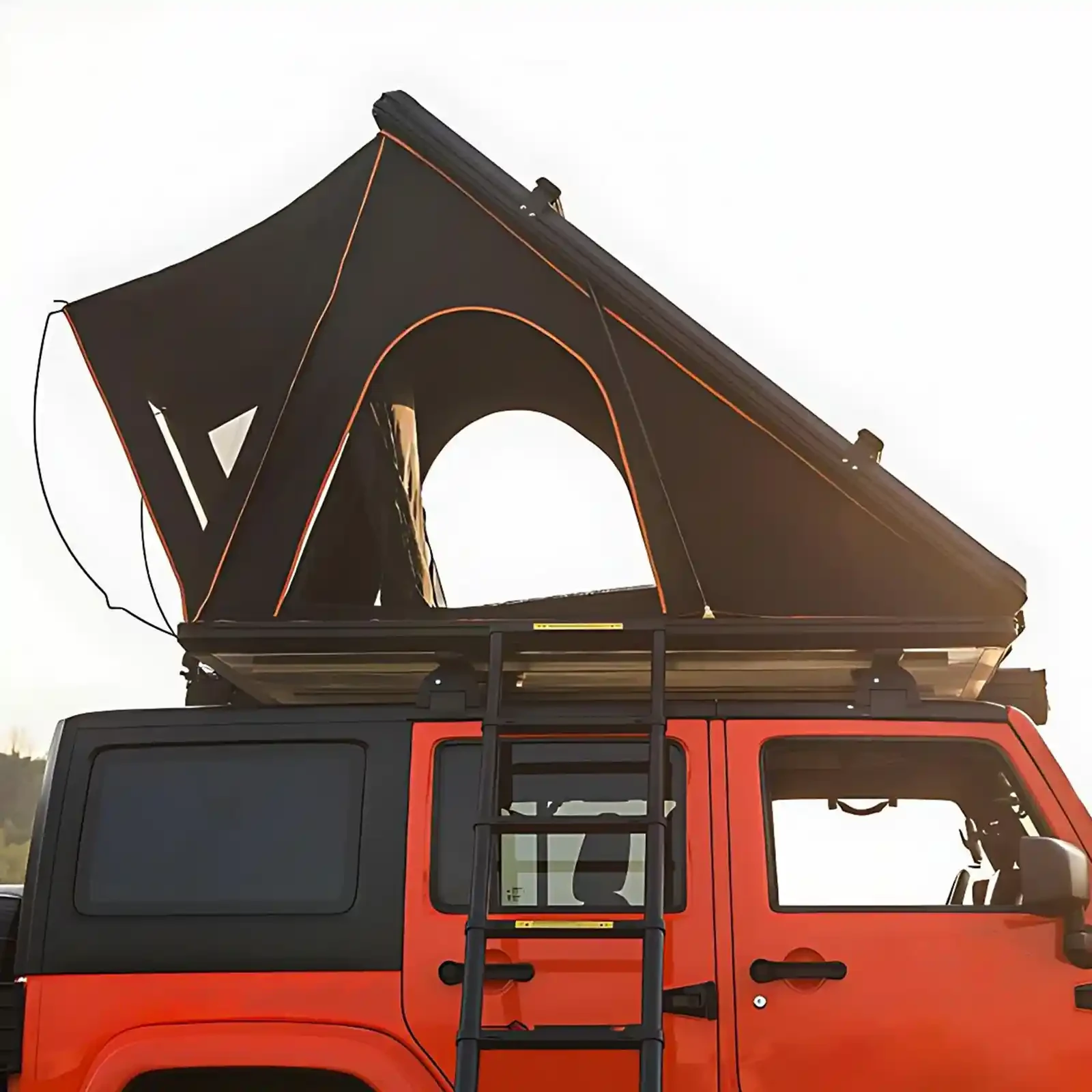
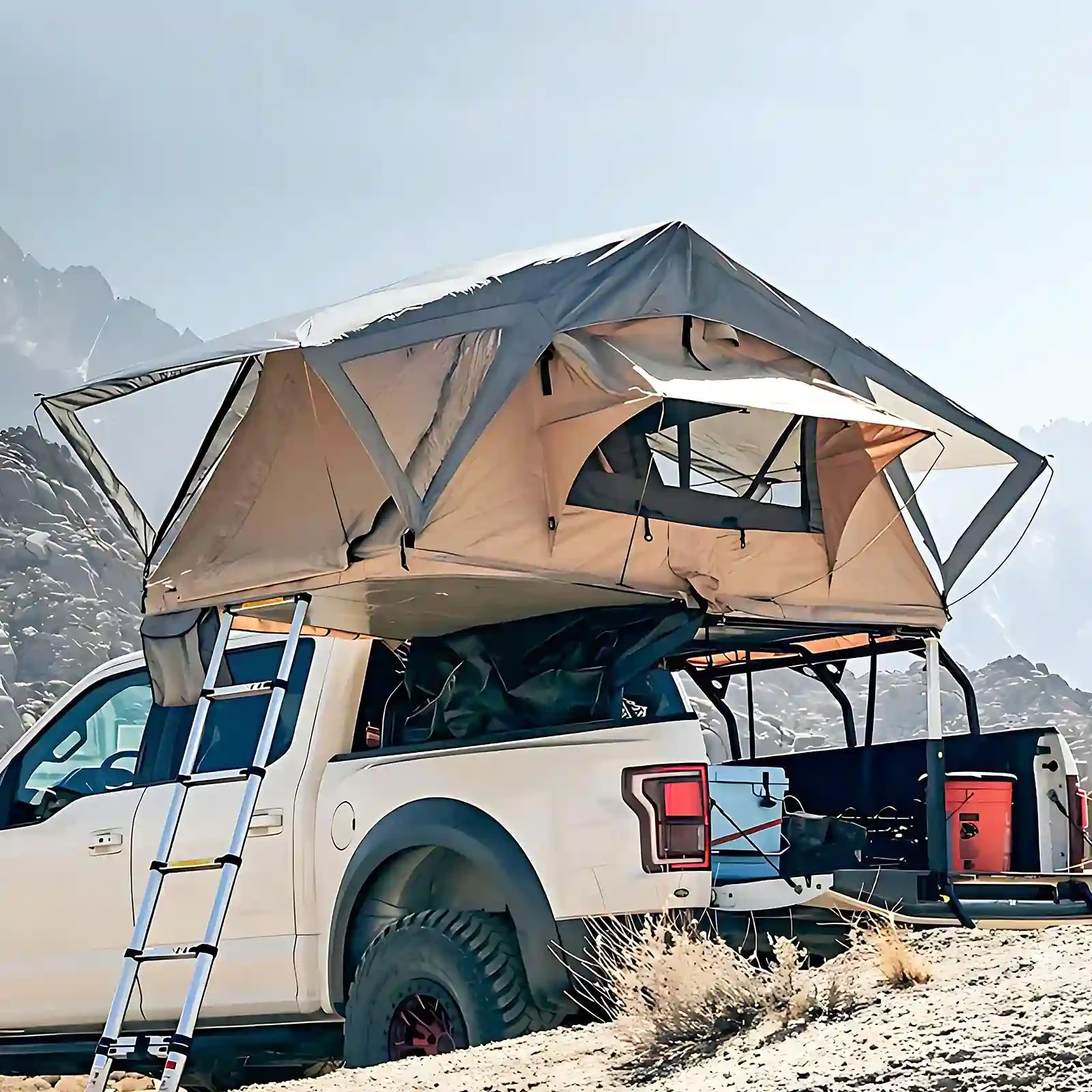
The intelligent control system of the space capsule mobile home: control the living environment with one click
|
With the growing demand for travel and temporary housing, capsule-style mobile homes, with their modular design, mobility, and aesthetically pleasing appearance, have become a new choice for campsites, scenic area facilities, and emergency shelters. Supporting their core "comfortable living" experience is a smart control system integrating multiple functions-allowing for one-click adjustments to temperature, lighting, energy, and safety devices, deeply integrating technology with living needs and redefining the convenience and human-centered design of mobile spaces.
The core of the smart control system for mobile homes is a "central control hub" built on Internet of Things (IoT) technology. This hub acts as the "brain" of the home, connecting various indoor and outdoor sensors and actuators. Users can activate preset "living modes" simply through the central control screen, a mobile app, or voice commands. For example, selecting "sleep mode" automatically turns off the main lights, dims the ambient lighting, adjusts the air conditioning temperature to 22-24℃, draws the blackout curtains, and reduces the airflow of the fresh air system, creating a quiet and comfortable resting environment. Switching to "guest mode" turns on the main lights and auxiliary lighting, adjusts the air conditioning to a comfortable room temperature, and switches the fresh air system to a high-volume ventilation mode to ensure air circulation. This "one-click linkage" design avoids the tediousness of operating each device individually in traditional homes, and is especially suitable for users with high demands for convenience in mobile scenarios.
Environmental adaptive adjustment is a key advantage of this system. Through real-time data collection by multi-dimensional sensors, it dynamically optimizes the living environment. For temperature control, the system's infrared temperature sensor monitors temperature differences in different areas of the room, linking with multi-zone air conditioning vents for accurate temperature control, preventing localized overheating or cooling. For humidity management, when the humidity sensor detects indoor humidity above 60%, it automatically activates dehumidification; below 30%, it switches to humidification mode to ensure comfort. Furthermore, the air quality sensor monitors PM2.5, formaldehyde, and CO₂ concentrations in real time. When pollutant levels exceed standards or CO₂ concentrations are too high, the system automatically switches the fresh air system to purification mode and displays a warning on the central control screen. In harsh outdoor weather conditions, if the wind and rain sensor detects strong winds or heavy rain, it automatically closes the skylight and outdoor awning, linking with the indoor window locking mechanism to enhance building security.
The intelligent energy management module enables the mobile home to achieve a balance between energy saving and battery life, making it particularly suitable for outdoor scenarios without external power sources. The system prioritizes access to clean energy generated by solar photovoltaic panels, monitoring battery storage status in real time via power sensors: when the stored energy is sufficient, solar power is used first; when the stored energy falls below 20%, it automatically switches to an external power source or backup generator, reminding the user to replenish energy via the app. Simultaneously, the system features an "energy consumption monitoring" function, which can track the real-time power consumption of air conditioners, lighting, and other appliances, generating daily energy consumption reports to help users optimize their electricity usage habits. Some high-end models also support "peak-valley electricity price adaptation," automatically storing energy during off-peak hours when connected to grid power and prioritizing energy storage during peak hours to reduce electricity costs.
The security system is a crucial component of intelligent control, providing dual protection through a combination of proactive early warning and passive protection. Door and window sensors monitor their open/closed status in real time. If unauthorized opening is detected (such as prying open a door or breaking a window), an indoor audible and visual alarm is immediately triggered, an alarm message is sent to the user's mobile phone, and a camera captures footage of the scene. Smoke and gas leak sensors monitor for fire and gas risks in real time. Upon detecting an anomaly, the system automatically shuts off the gas valve, activates the exhaust fan, and dials a pre-set emergency contact number. Furthermore, the system supports remote monitoring. Users can view live camera footage from inside the house via a mobile app, remotely control doors and windows, and activate equipment, allowing them to monitor their living environment even when not near the house.
From environmental regulation and energy management to safety and remote control, the intelligent control system of the space capsule mobile home centers on "one-click control," simplifying complex equipment operation into convenient human-computer interaction. In the future, with the upgrade of AI algorithms, the system will also achieve "personalized habit learning," automatically optimizing mode parameters by analyzing user preferences; combined with 5G technology, it can further improve the response speed and stability of remote control, making the mobile living space both "technologically advanced" and full of "human warmth." |