
 USD
USD GBP
GBP
 EUR
EUR

How to Move a Mobile Home for Free & Is It Possible in 2025?
Dec 04, 2025


I. From TikTok Influencer to Global Sales Boom: A Housing Revolution Sparked by "Chinglish"
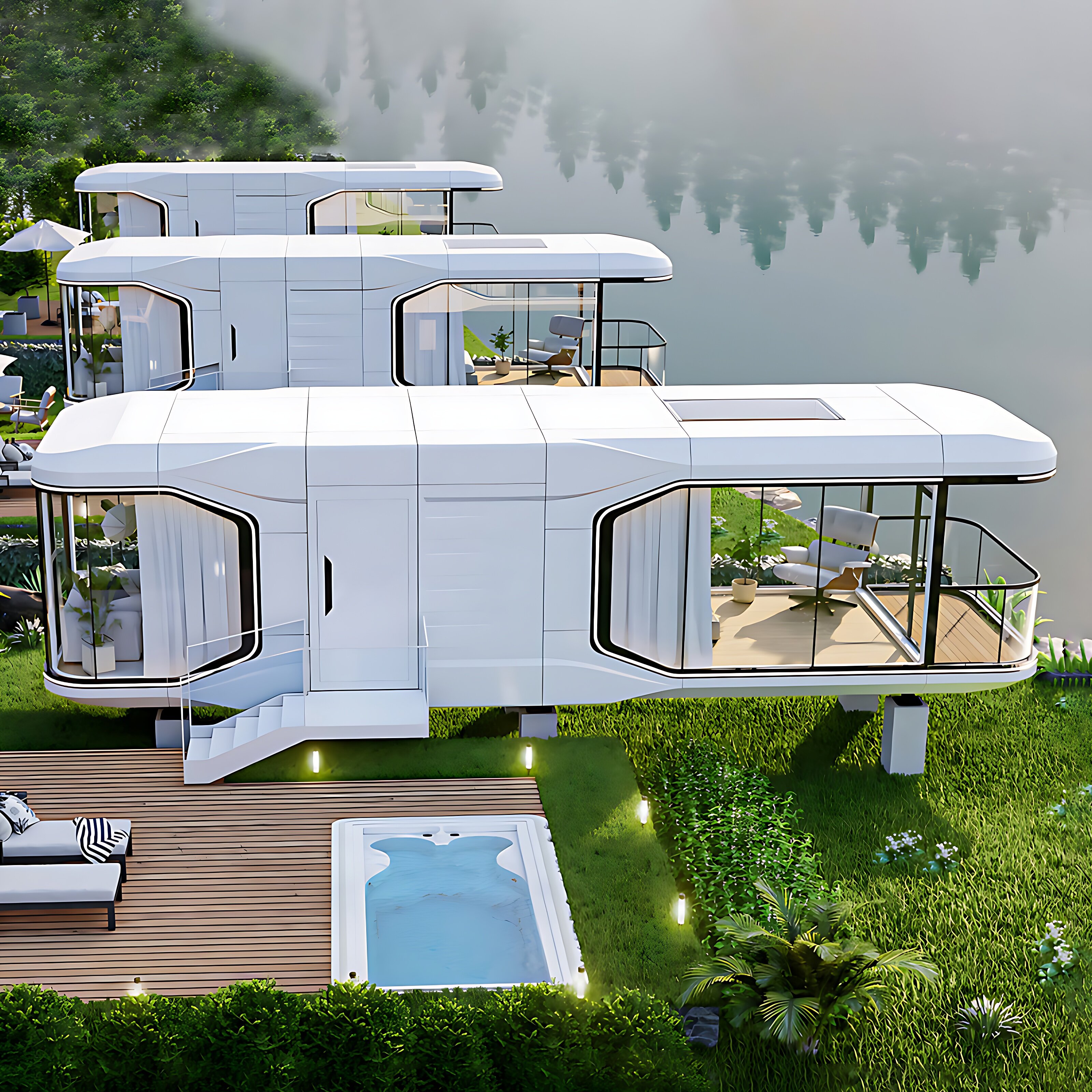
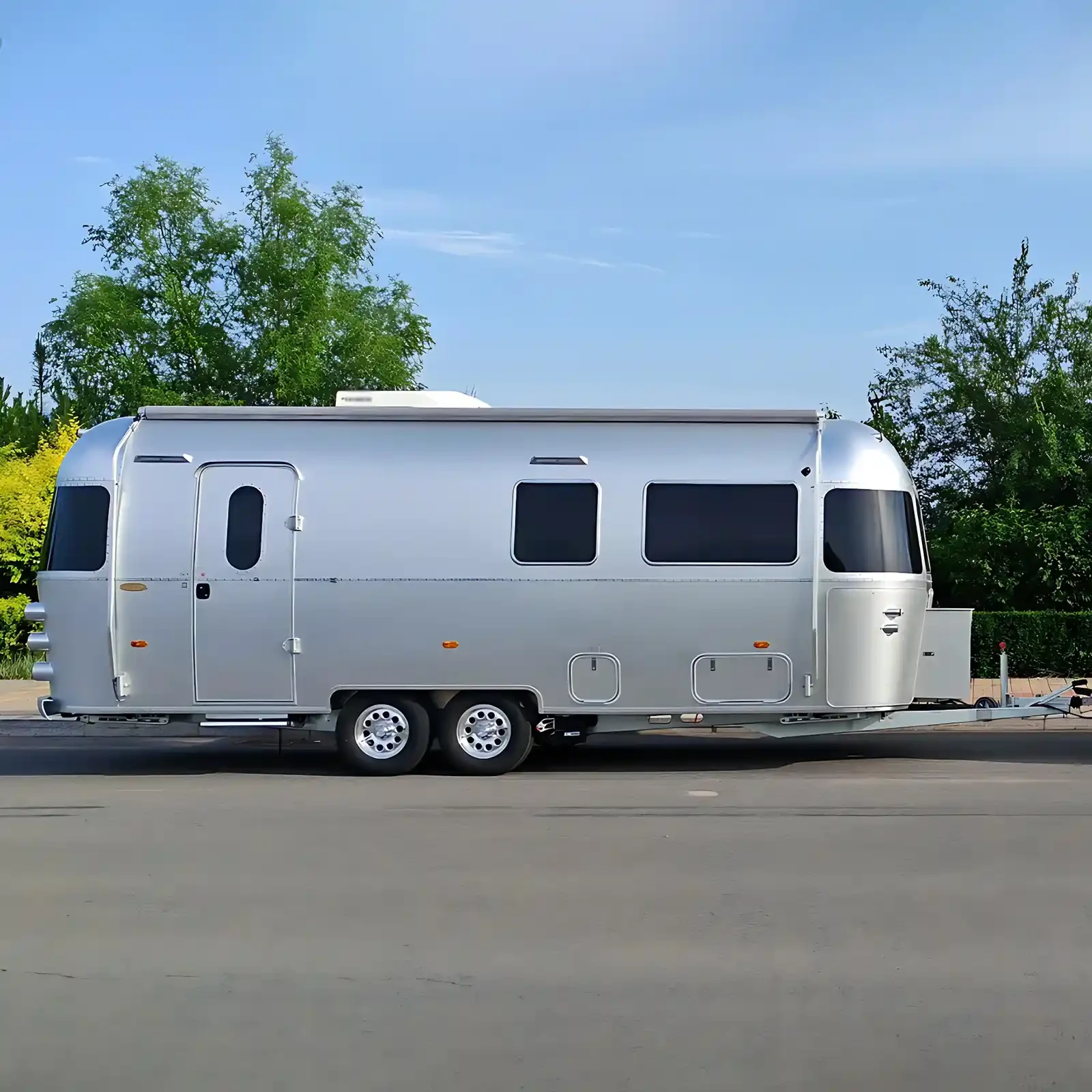
"Hello Boss! Today I'll show you some Chinese-made capsule houses. They can be lived in, traveled in, and even used as offices!"—This English phrase, tinged with a Northeastern accent, made a middle-aged woman who calls herself "Ms. Aluminum" an overnight sensation on TikTok. Her videos garnered over 6.4 million views, and the comments section was flooded with purchase requests from Canada, Sydney, and California. Some even wished, "Santa Claus, please send me a capsule house." Behind "Ms. Aluminum" is a global wave of "lightweight housing" driven by Chinese-made capsule mobile homes. These homes, marketed for their modular design, rapid assembly, and smart ecosystem, can be established in forests as trendy guesthouses, or moved around to transform into "interstellar travel capsules," even being seen by overseas netizens as a "savior from high housing prices."
II. The "Chinese Genes" of Space Capsule Housing: A Triple Revolution in Technology, Cost, and Imagination. Technological Innovation: From 3D Printing to a "Space-Grade" Circulation System. The space capsule housing to be showcased at the 2025 Guangzhou Starry Sky Housing Exhibition integrates cutting-edge technologies such as 3D-printed walls, solar photovoltaic roofs, and air-source heat pump temperature control systems. Exhibitors also proposed a "bionic circular ecology" concept—wastewater is purified to irrigate greenery, and kitchen waste is converted into biofuel, aiming to achieve "zero-emission living."
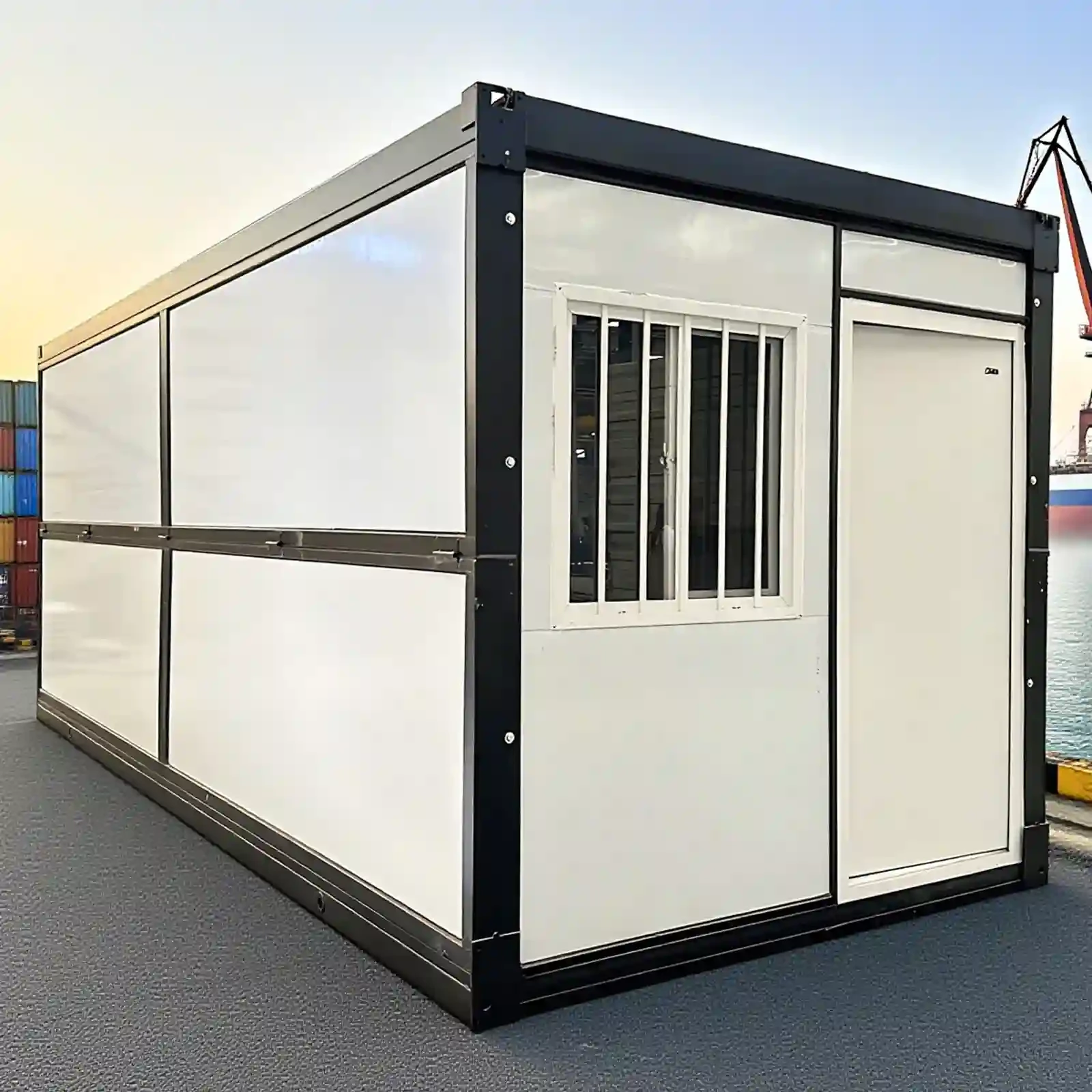
2025 China Starry Sky Housing Exhibition - Space Capsule Housing Exhibition. Cost Advantages: Starting at 100,000 RMB per unit, construction in 48 hours. Compared to traditional buildings, space capsules utilize prefabricated assembly technology, requiring only hoisting and assembly on-site. For example, a 20㎡ basic model from a Liaoning manufacturer, including bathroom, kitchen, and smart home features, is priced at approximately 120,000 RMB, with move-in time as fast as one week from order placement. Imagination of Scenarios: Homestays, Emergency Homes, or even a Mars Base? In Lijiang, Yunnan, a fully transparent dome-shaped space capsule is erected at the foot of a snow-capped mountain, allowing tourists to lie down and gaze at the starry sky. In rural Zhejiang, the government is using space capsules as a "quick fix for rural revitalization," solving the problem of tourism infrastructure in remote areas. Furthermore, a technology company is collaborating with aerospace institutions to develop a "Mars test capsule" capable of withstanding extreme environments.
III. Controversy and Challenges: A Future Trend or Just a "Refined Tent"? Despite its soaring popularity, skepticism persists: Practicality is a point of contention: some users complain that it's "cold in winter and hot in summer, and the sound insulation is like cardboard," while manufacturers respond that the new generation of products incorporates an aerogel insulation layer and acoustic modules. Users also find sewage disposal difficult, as some areas cannot connect to sewage pipes. Manufacturers suggest offering a storable sewage tank, allowing users to simply empty the sewage periodically. Some users complained that certain functions or areas were "useless," with manufacturers responding that they could customize modular production. Cultural alignment: Western users prefer "sustainable stories," while the Southeast Asian market values typhoon resistance. Chinese manufacturers are shifting from "competing on low prices" to "customized technology export."
IV. The Future is Here: Who is driving this housing revolution? The chemical reaction between "grassroots influencers" and manufacturing: "Aluminum ladies" break down cultural barriers with their broken English, while the Chinese factories behind them have already completed their technological preparations. For example, a Foshan window and door factory livestreamed its production line on TikTok, allowing overseas customers to witness firsthand "how a window is transformed from aluminum into a finished product." This "transparent manufacturing" strategy is being replicated in the capsule building industry. Policy dividends: The national formula for prefabricated buildings: China's "14th Five-Year Plan" clearly requires that the proportion of newly built prefabricated buildings reach 30%, while capsule buildings... Block-based architecture aligns perfectly with this. Some provinces have already included it in their "Rural Tourism Supporting Facilities Subsidy List," with a maximum subsidy of 500 yuan per square meter. Capital investment: Xiaomi and Vanke's cross-industry ambitions. Reports indicate that Xiaomi's ecosystem companies are developing a "smart mobile housing system," planning to embed whole-house IoT into space capsules; Vanke is exploring a "mobile community" model, using detachable capsules to achieve rapid expansion of its parks.
V. Ultimate Reflection: Do we really need to "put our houses in capsules"? The explosion of space capsules is no accident—it precisely targets Generation Z's desire for a "mobile lifestyle," urban youth's demand for low-priced housing, and the pursuit of low-carbon buildings amidst the climate crisis. But the core of this revolution may lie in its redefinition of the boundaries of "home": when houses are no longer permanently bound to the land, the relationship between people and space will move towards a freer, lighter future.
Subscribe To Our Newsletter
You Can Get The News Of Our Products
SIGN UP
Contact Info
support@magespais.com
Payment Methods