
 USD
USD GBP
GBP
 EUR
EUR

Mobile Home Vs Modular Home: Major Differences You Should Know
Dec 22, 2025


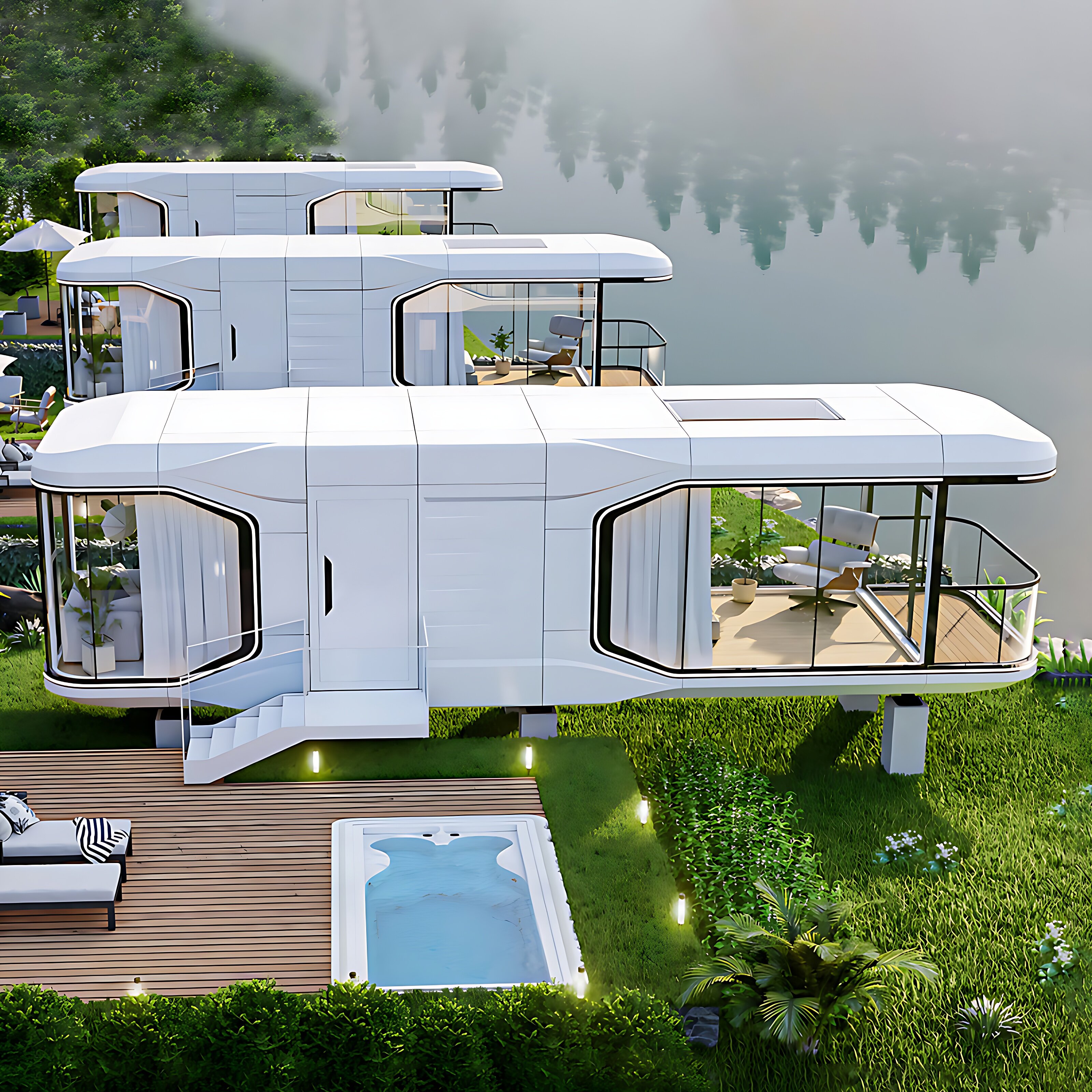
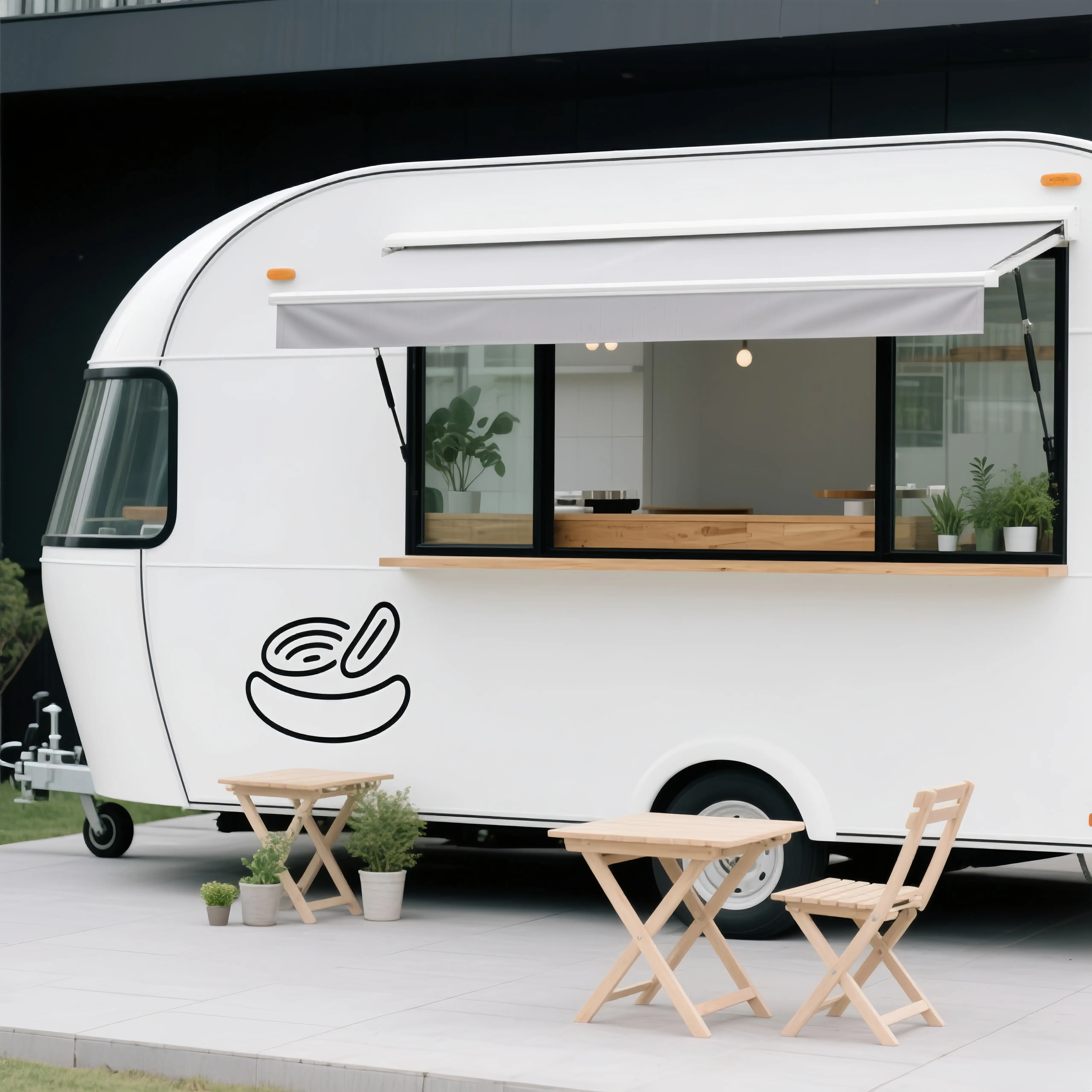
Recently, I came across a modular living product called "space capsules." After researching it, I found its design logic quite interesting. To some extent, it standardizes the process of "buying/building a house" like "buying a car."
Traditional construction suffers from significant pain points: renovation cycles often last at least six months, on-site construction quality is uncontrollable, maintenance costs are high, and changing living environments is extremely difficult. However, the space capsule model seems to specifically address these issues: selecting configurations, placing orders, delivery, and move-in can all be completed in as little as 48 hours, essentially "ready to move in right out of the factory." This significantly reduces time costs for entrepreneurs looking to run homestays or campgrounds.
Even more noteworthy is its modular design. Somewhat like Lego bricks, it can be flexibly combined according to different scenarios—it can be used to create unique clusters for homestays, serve as micro-residential homes in the city, or stand alone as a scenic view room in a campground. This flexibility allows it to break free from the limitations of traditional "fixed forms" in architecture, even enabling customized solutions tailored to individual needs—something previously unimaginable.
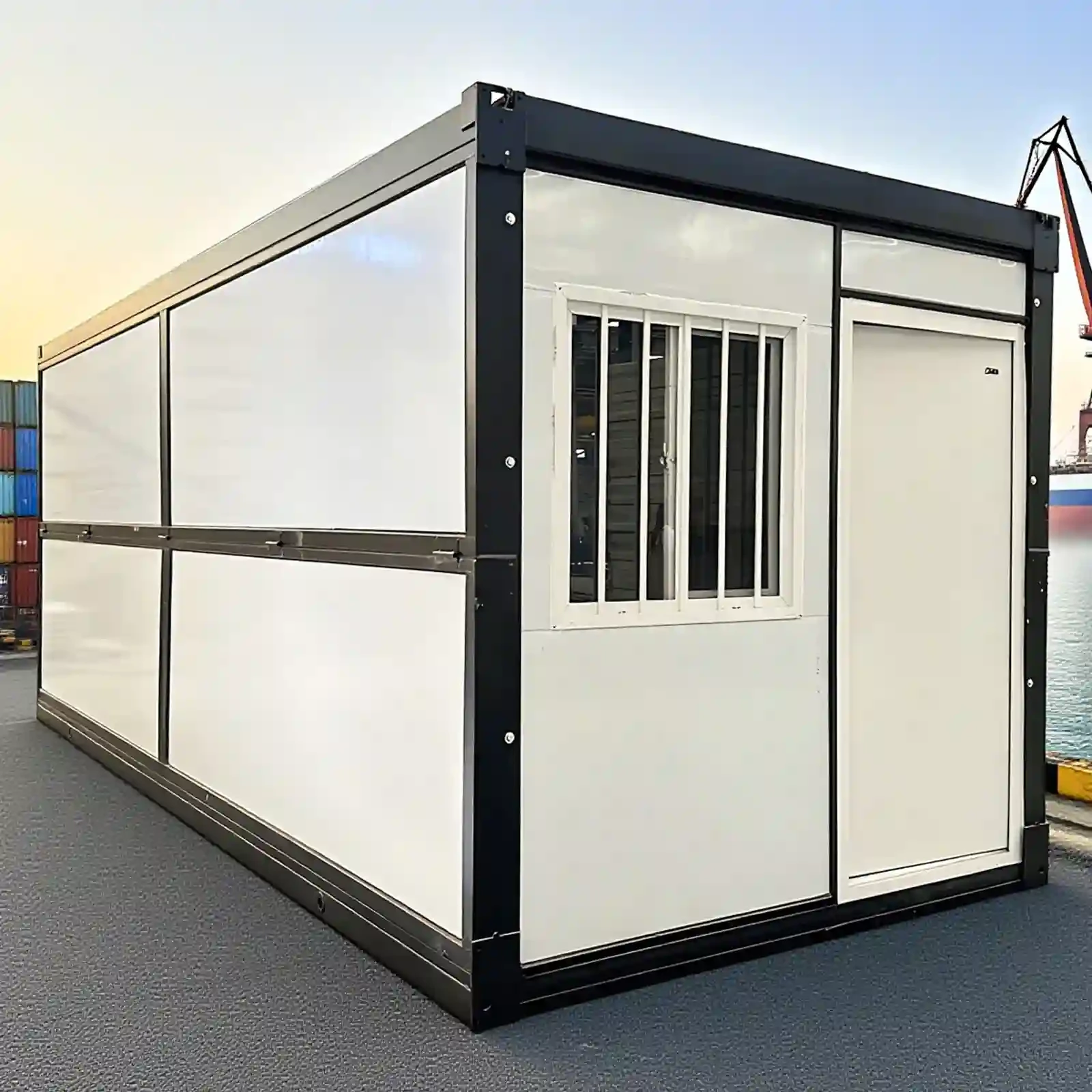
Industrialized production is another highlight. Over 90% of the construction is completed in factories, following standardized processes from structure to interior design, with stricter quality control. What does this mean? On one hand, quality is more stable; on the other hand, later maintenance costs are reduced. For investors, "controllability" is crucial.
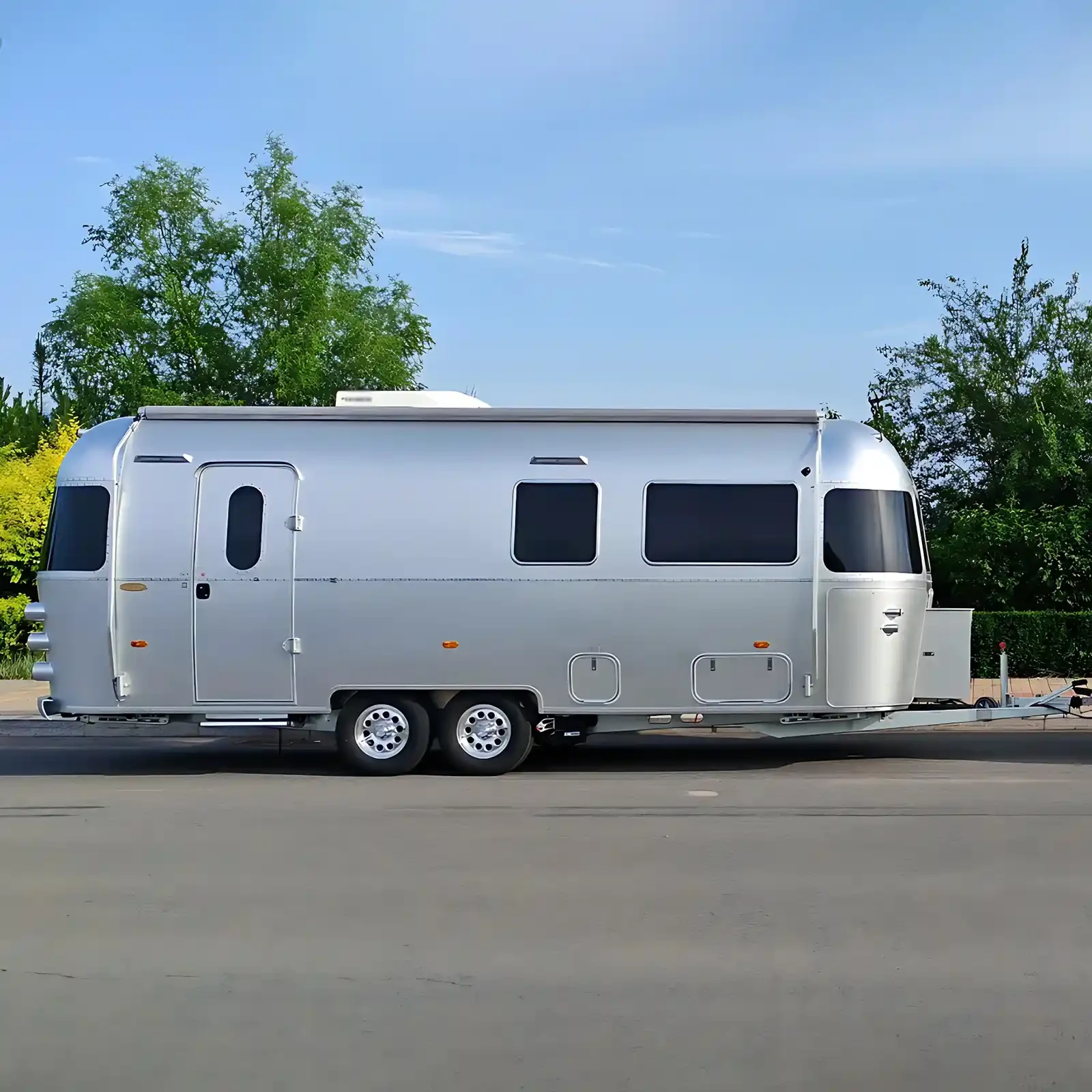
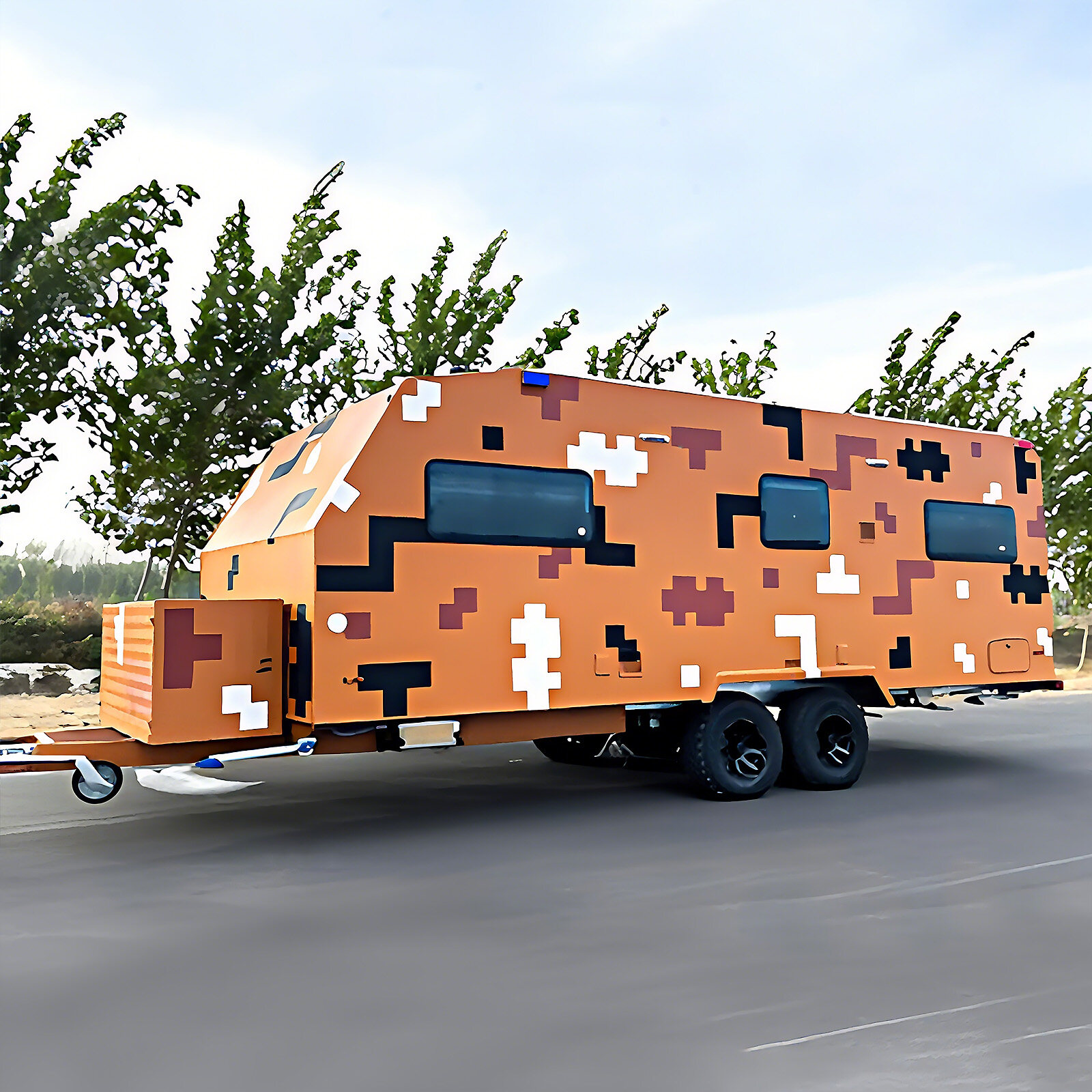
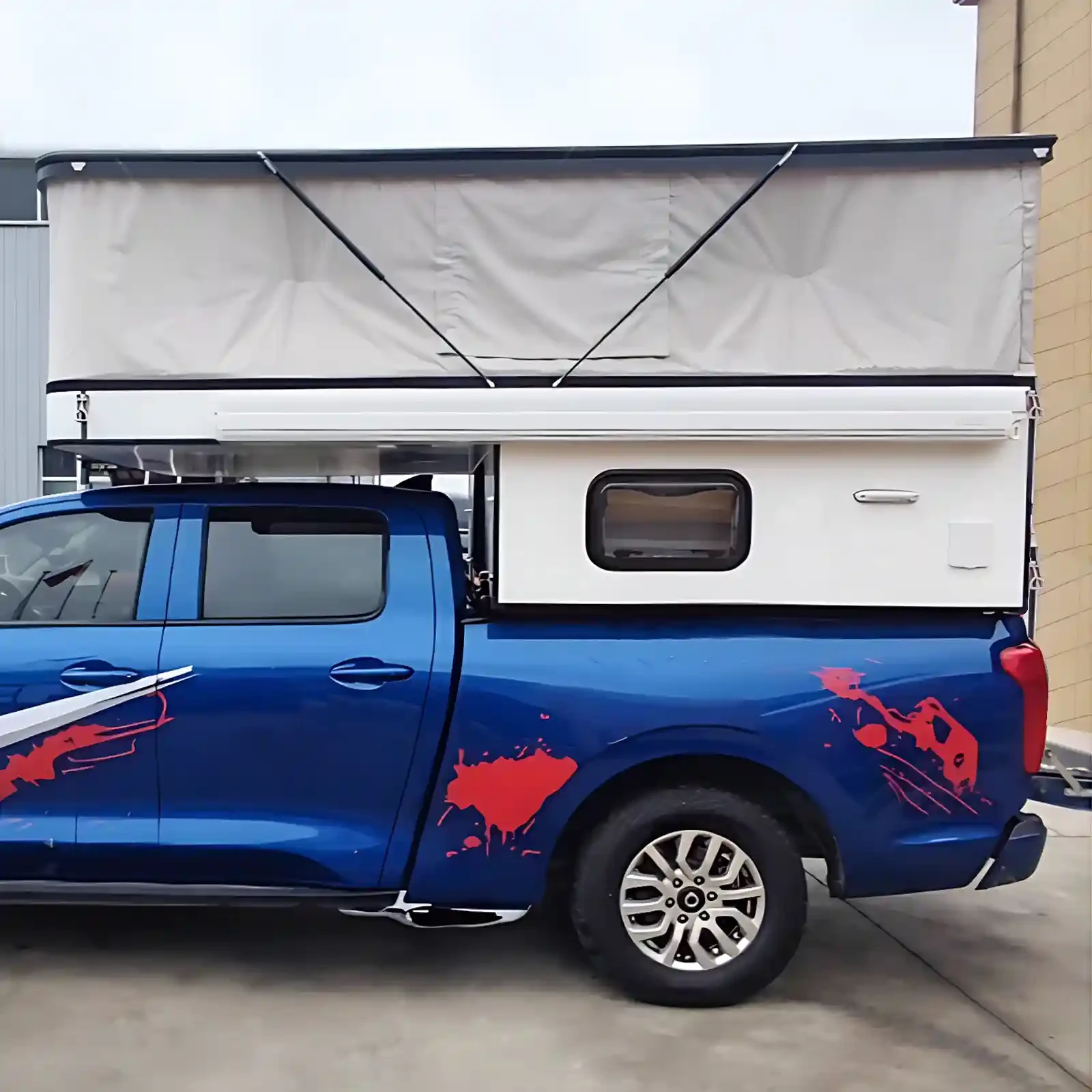
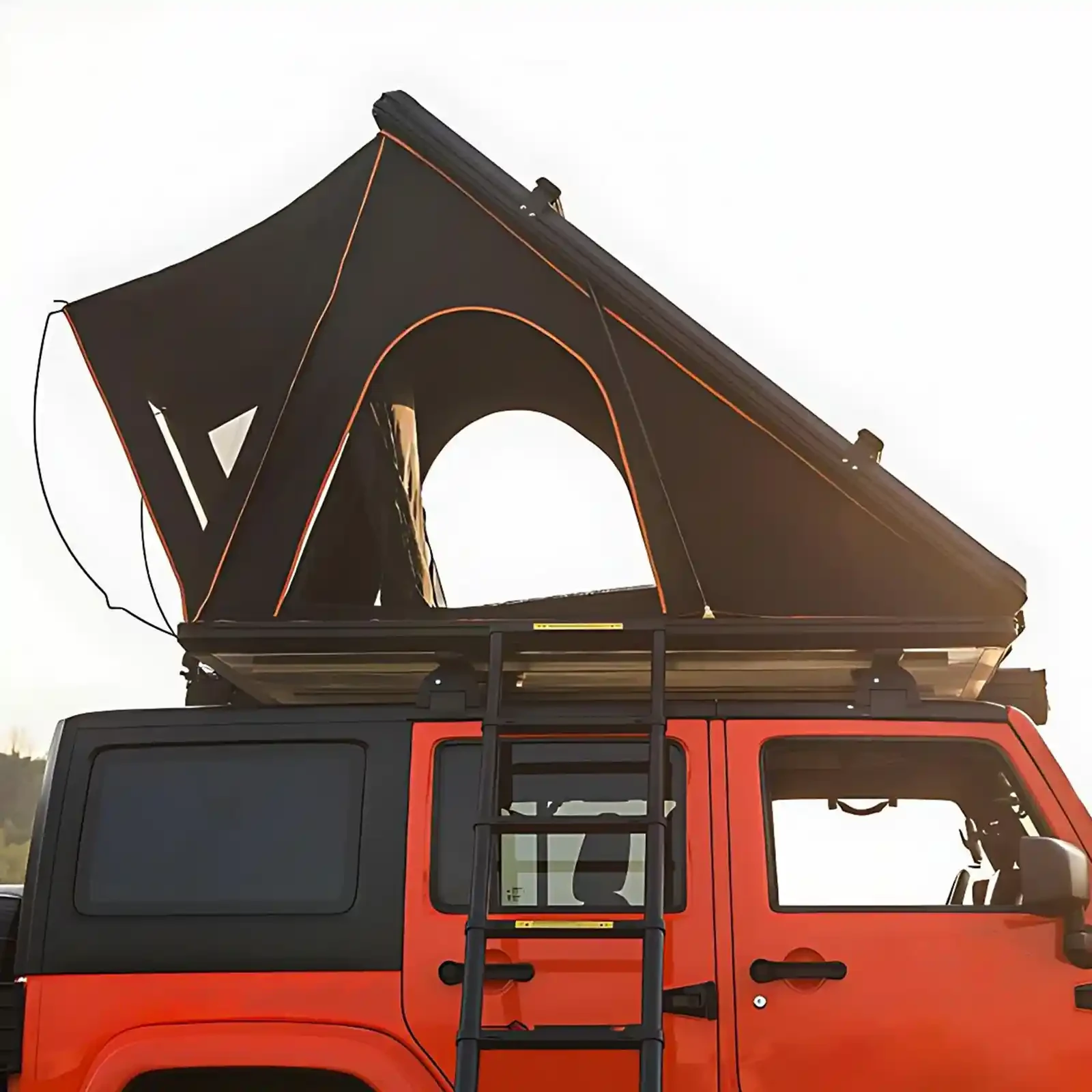
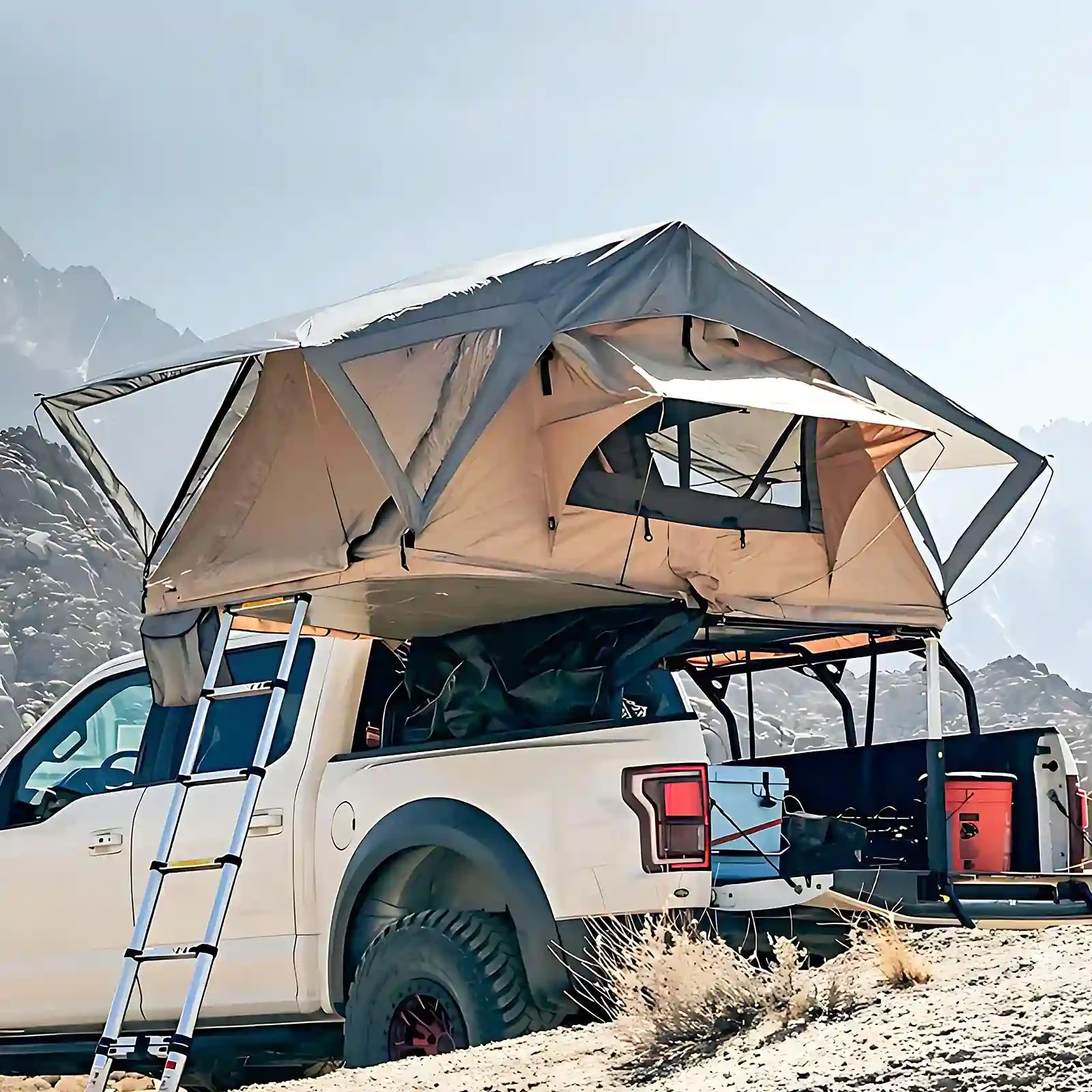
The most revolutionary aspect is "mobility." Traditional houses are "rooted in one place," but the capsule can be transported like a container, deployed in mountains, lakesides, deserts, and urban corners, and easily assembled on-site. This "go wherever needed" characteristic opens up many possibilities—for example, temporary facilities for cultural tourism projects, or individuals wanting a change of environment, with significantly reduced costs and difficulties.
Of course, its comprehensive service system is also worth mentioning. From design and manufacturing to transportation, installation, and after-sales service, a closed loop is formed. This avoids the tedious process of "finding a construction team, going to building material markets, and supervising the site" in traditional renovations, making the user experience more like "buying a standardized product," and indeed improving convenience.
However, objectively speaking, this model may also face some controversies: for example, is the long-term comfort comparable to traditional housing? How durable is it under extreme weather conditions? But undeniably, it does offer a new approach—reconstructing the living experience with modular and industrial logic, which may be an important direction for future housing designs.
Subscribe To Our Newsletter
You Can Get The News Of Our Products
SIGN UP
Contact Info
support@magespais.com
Payment Methods