
 USD
USD GBP
GBP
 EUR
EUR
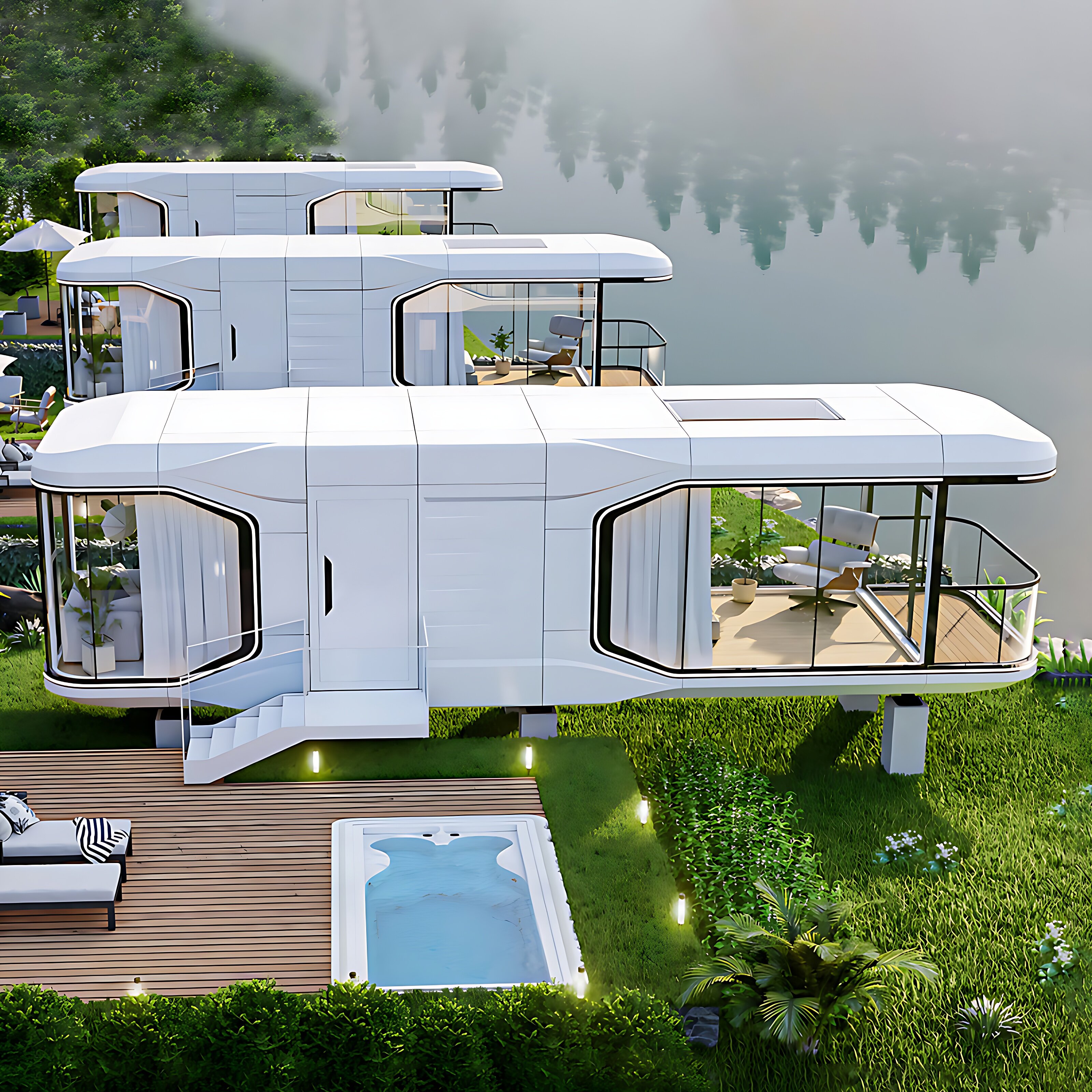
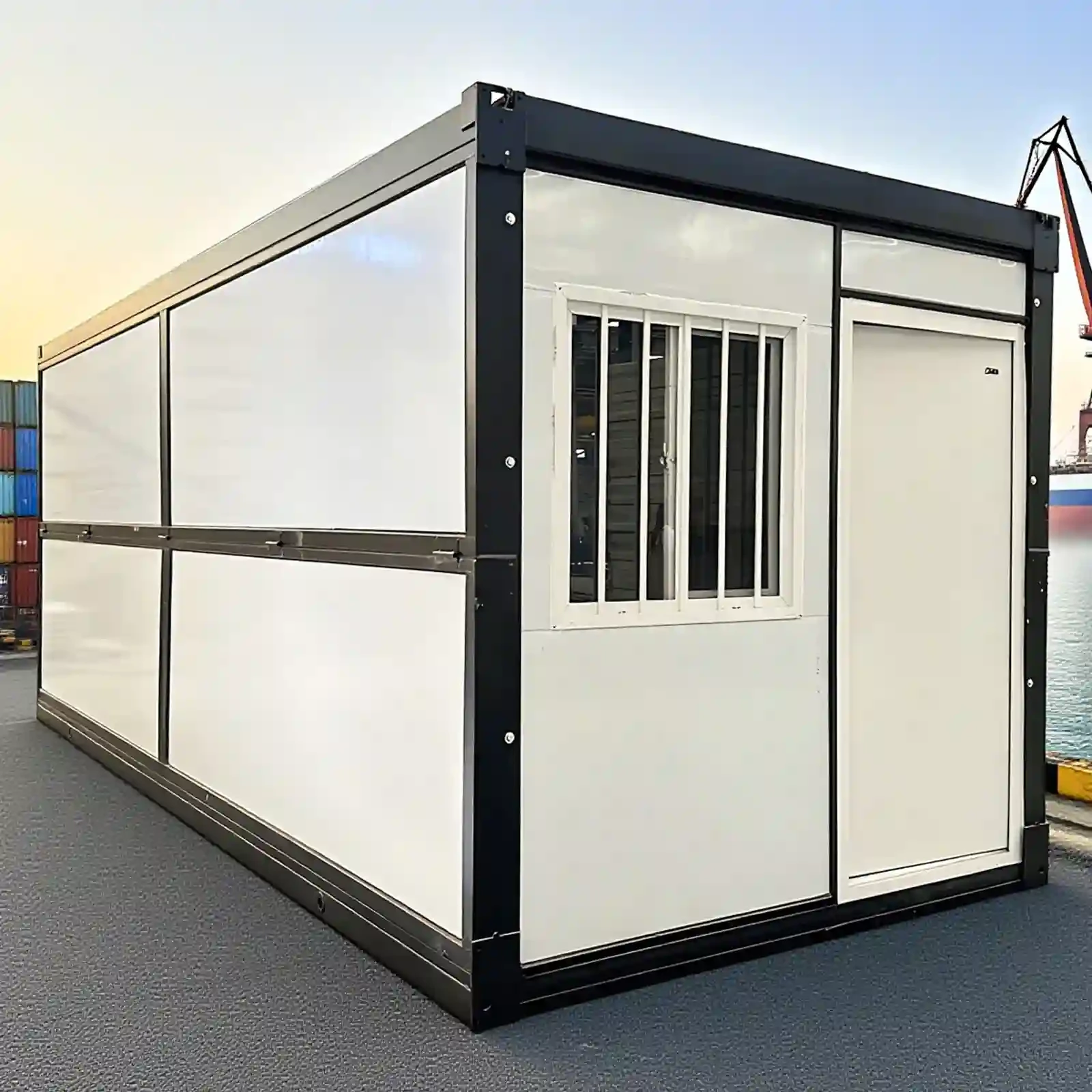
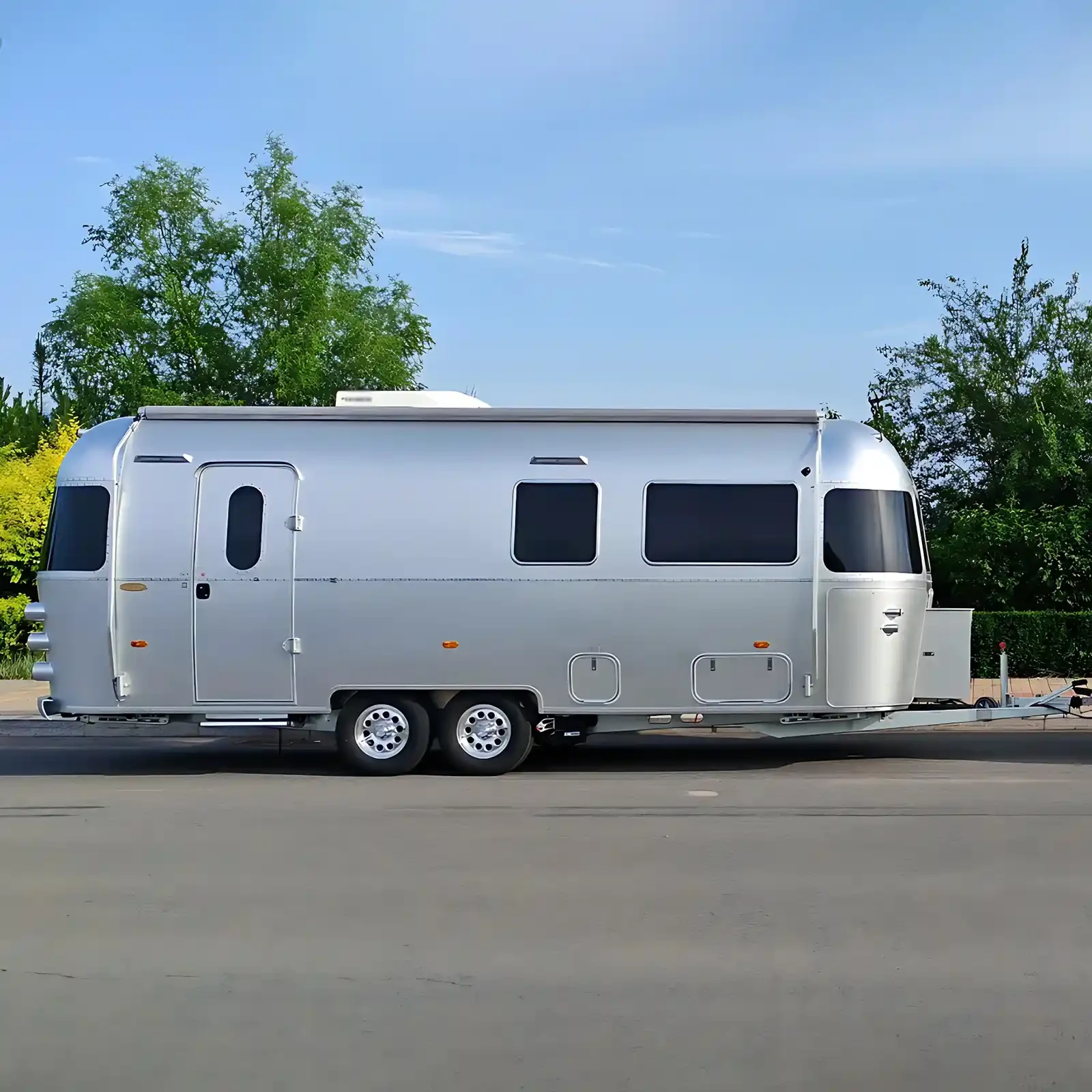
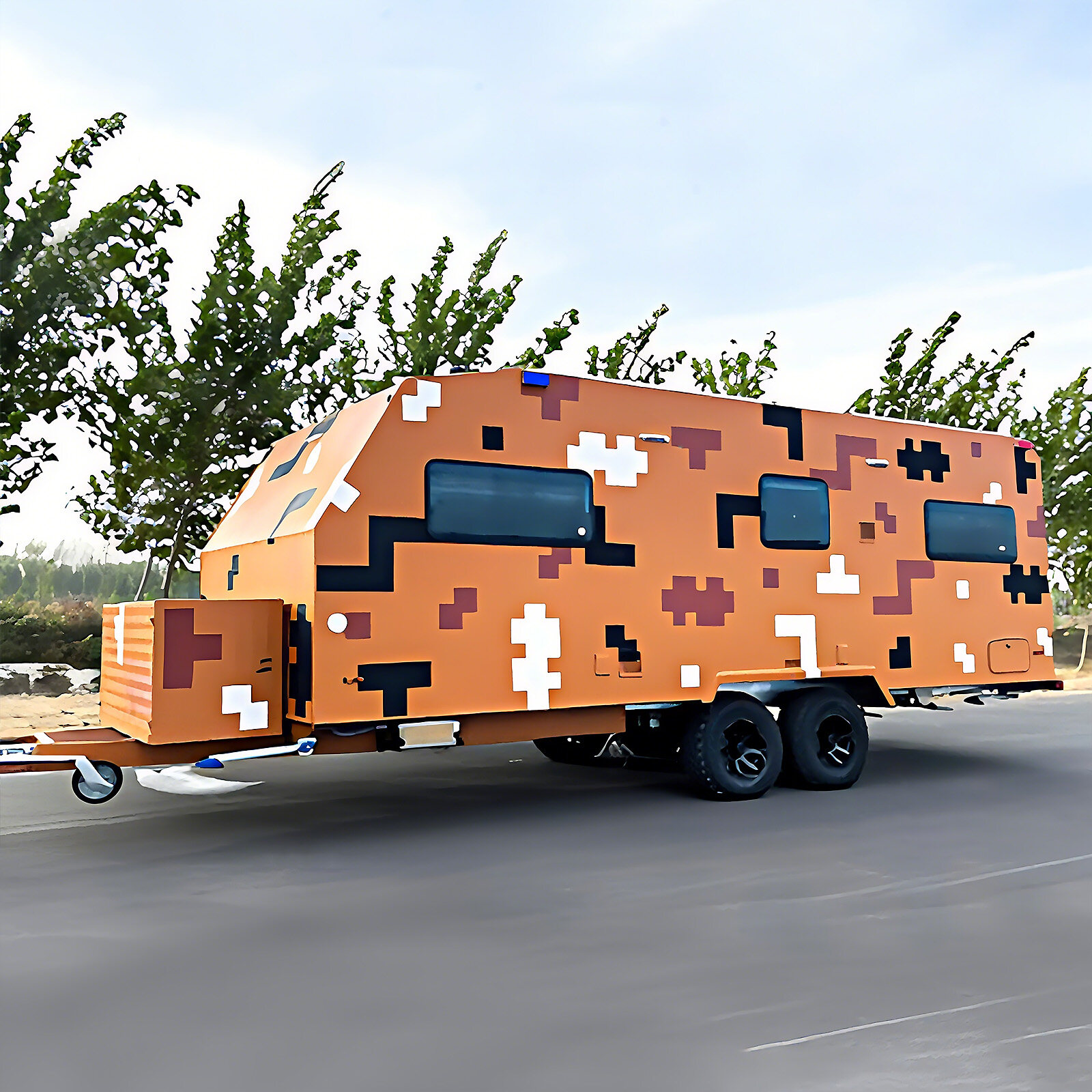
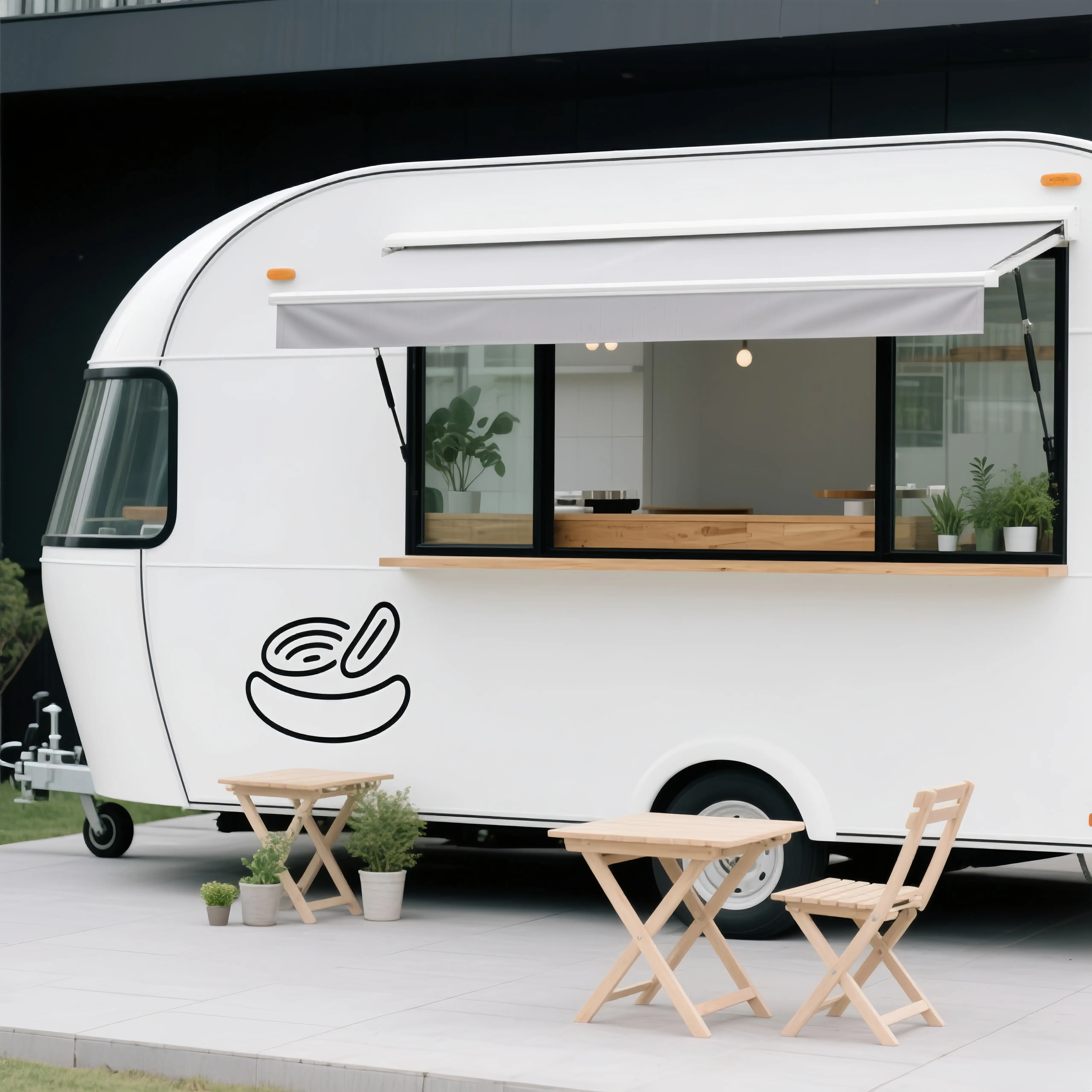

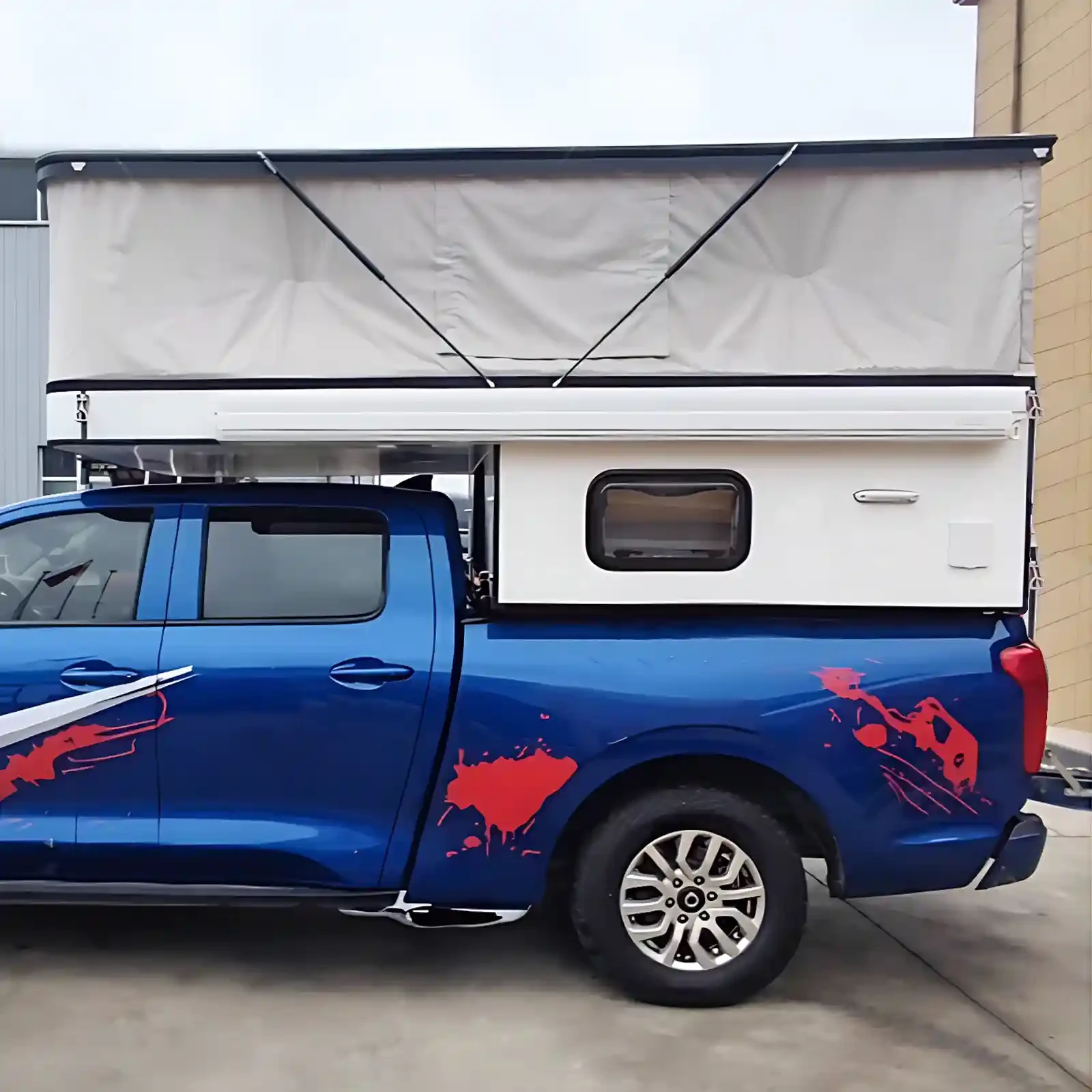
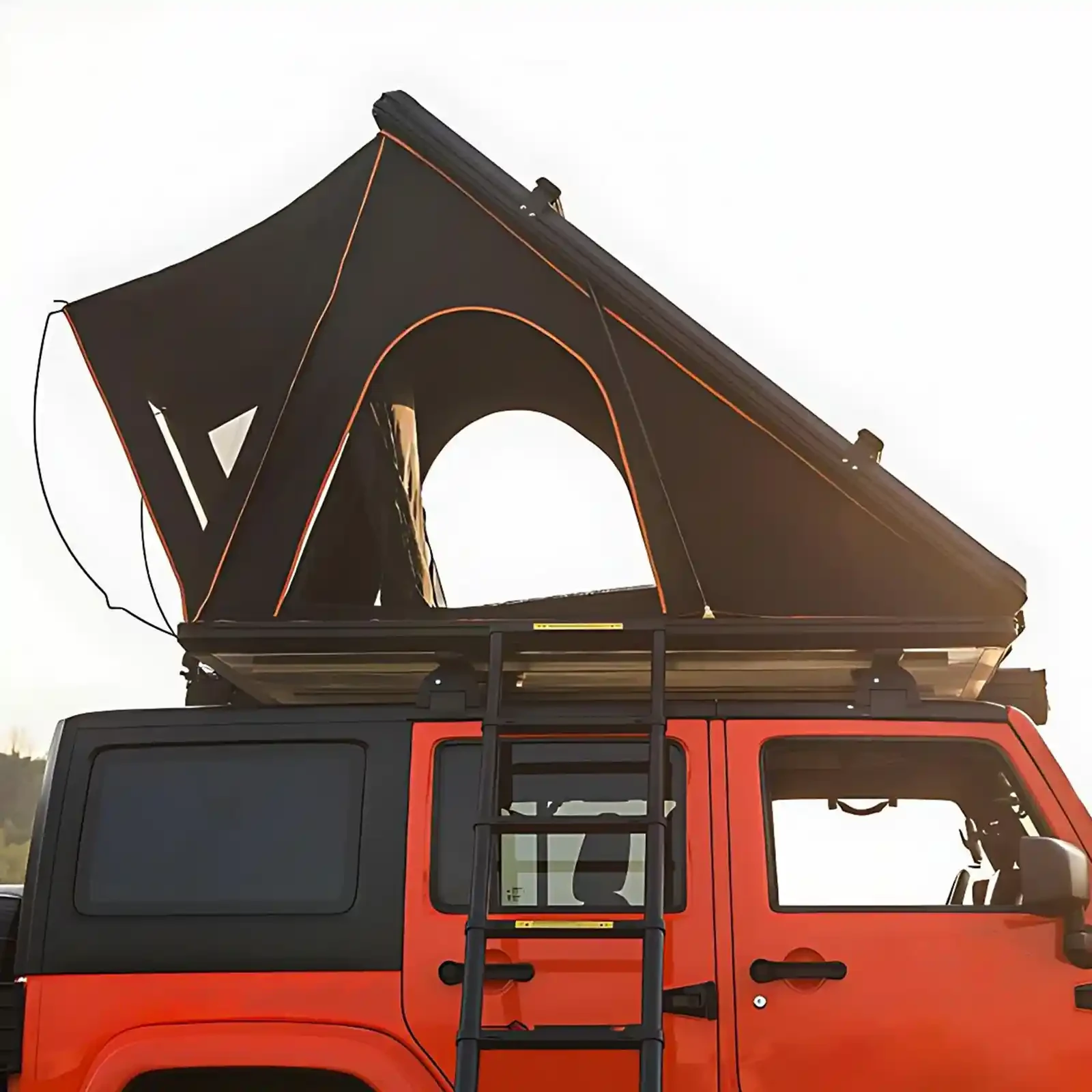
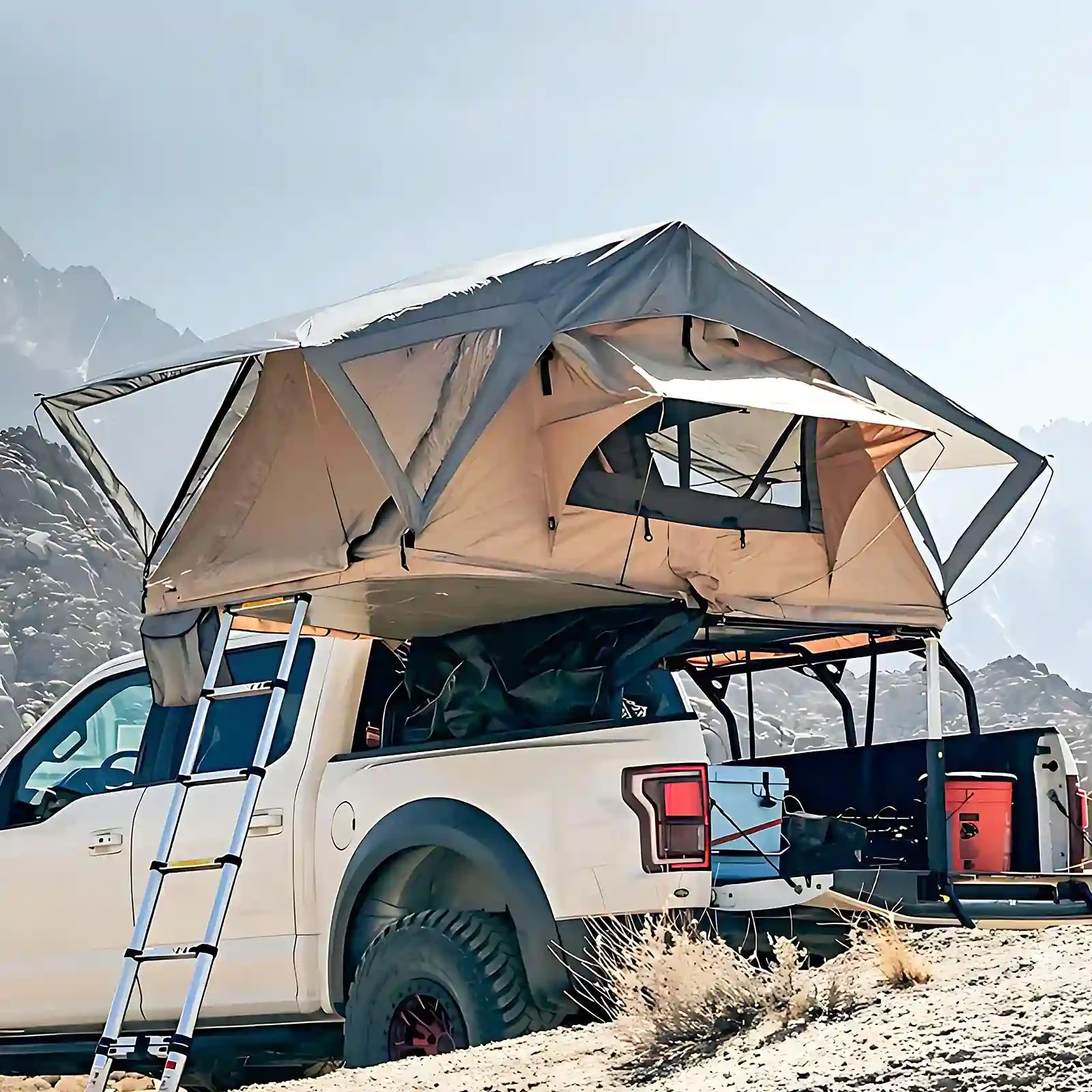


From speed to quality, discover in this article how pre-built homes stack up against traditional builds in 2026 and how both are changing next year. Discover which option truly wins, along with our expert recommendations.
Introduction:
Long gone are the days when the housing industry enjoyed stable growth, as new, smarter, more affordable, and futuristic solutions in the real estate sector are already here. And they are all gaining significant traction because people are increasingly frustrated with rising material costs, labor shortages, housing demand, sustainability expectations, and government incentives.
This has fueled a new revolutionary wave of housing options, all designed with a core goal of faster construction, improved quality control, fewer delays, and predictable costs with affordability in check. If you have been exploring new, smarter options for real estate, you might have come across the term pre-built homes.
What are pre-built homes?
As the name suggests, they are built in advance from pre-manufactured components, far away from their installation site. They are designed and built in a specialized factory before being transported to a building site for assembly.
Typically, you will get prebuilt walls, floors, roofing panels, interior framing, wall insulation, and plumbing and electrical systems installed beforehand. The term ‘pre-built homes’ is actually a broader umbrella term that encompasses modular homes (built in sections or modules), kit homes (built by buyers with a collection of pre-cut materials sent from a factory), and manufactured homes (also built in sections in a factory and assembled by professionals).
Then there is the traditional construction mode of housing, which involves building a structure fully on the land where it will be located. The pre-built modes of easy housing are gaining popularity among many people, and there are good reasons for that.
Pre-Built vs. Traditional Construction:
Cost Comparison
How much you spend is one of the most common concerns of today’s buyer, and this is where prebuilt houses really make a difference. Traditional homes can be cost-efficient only when one has their own land (rarely the case), has access to cheaper supply chains of materials, and cheap labor is available. In comparison, the prebuilt options are much cheaper, even in a 2026 economy, and can be acquired with lower financing costs due to reduced labor.
Design Flexibility
With traditional constructions, you can create a unique home design tailored to your taste. You also get complete creative freedom and full structural adjustments during the build. All this freedom will come at a high cost, but it’s worth it if you can afford it. As more people seek cost-effective housing solutions, prebuilt housing is gaining popularity, offering numerous customization options, including smart home systems and modular layout options.
Build, Durability
Both can be extremely durable when executed professionally; however, traditional house construction is generally considered more durable and long-lasting. Having said that, the latest generation of prebuilt houses has caught up and is not built with extremely durable materials that will last a generation when properly maintained.
Speed of Acquiring
Regardless of your choice of pre-built housing, it is highly likely that you will have to wait 8 to 14 weeks from the time you receive the green light to move in. This is much less than the average 9 to 18 months' time for a traditional house, sometimes even more.
Long-Term Ownership
This is where prebuilt homes are loved for their low maintenance costs and easy-to-handle modular structures. In 2026, the latest generation of prebuilt houses has earned a reputation for their predictable repair expenses, as they are built with standardized replacement parts and accessible service channels. For traditional housing, repairs can be unpredictable and expensive.
Which one to go for in 2026?
This year and onward, most millennials and Gen Z buyers seek both short-term and long-term affordability for housing. They expect such solutions to be speedy, predictable in maintenance, equipped with smart systems, easy to manage, and eco-friendly. This is fueling demand for efficient, beautifully designed, and future-ready pre-built homes, and there is a significant rise in this demand compared to traditional construction, which is expected to continue growing.
Magespais and Future Housing 2026
As the trend moving forward leans towards housing that delivers speed, quality, sustainable living, and predictable costs, this is where Magespais stands out with its stunning Space Capsule Houses. Measuring almost 335 inches in length, these pre-built homes are designed to strike a balance between mobility and living comfort, featuring separate functional modules.
These modules are constructed with galvanized steel structural frames and insulated with polyurethane, providing a waterproof and moisture-proof insulation layer. Inside, you’ll find premium-grade, environmentally friendly SPC flooring, smart controls, and other amenities, with options to add more.
This complete living unit is designed for immediate use and offers rich personalization tailored to one’s needs, putting it at the forefront of the new affordable and smart housing revolution of 2026.
Wrapping Up:
In the world of a tight economy, inflation, and rising cost of traditional construction, pre-built houses like those from MAGESPAIS offer smart, feature-rich, and cost-effective housing options.