
 USD
USD GBP
GBP
 EUR
EUR


Deciding between a prefabricated home kit and a modular home? Our guide breaks down the pros, cons, and costs of both off-site construction housing options to help you get a better deal this year.
Introduction:
The residential market of today is embracing new changes along with the evolving dream of homeownership this year. Buyers are now shifting away from stick-built housing and other traditional construction methods to more specialized and engineered solutions.
In today's modern housing market, you will often encounter prefabricated homes, modular homes, and more DIY options, such as kit homes. All of these are in demand and have their pros and cons, but the real question we have to investigate here is which one is the better way forward in 2026 and beyond. Let's find out.
Prebuilt Kit Homes and Modular Homes
Prebuilt homes (or prefabricated or prefab homes) are simple; they are built in a factory before being shipped to their customers. All their components are manufactured (and customized in some cases) in a factory and then transported to the final site for assembly.
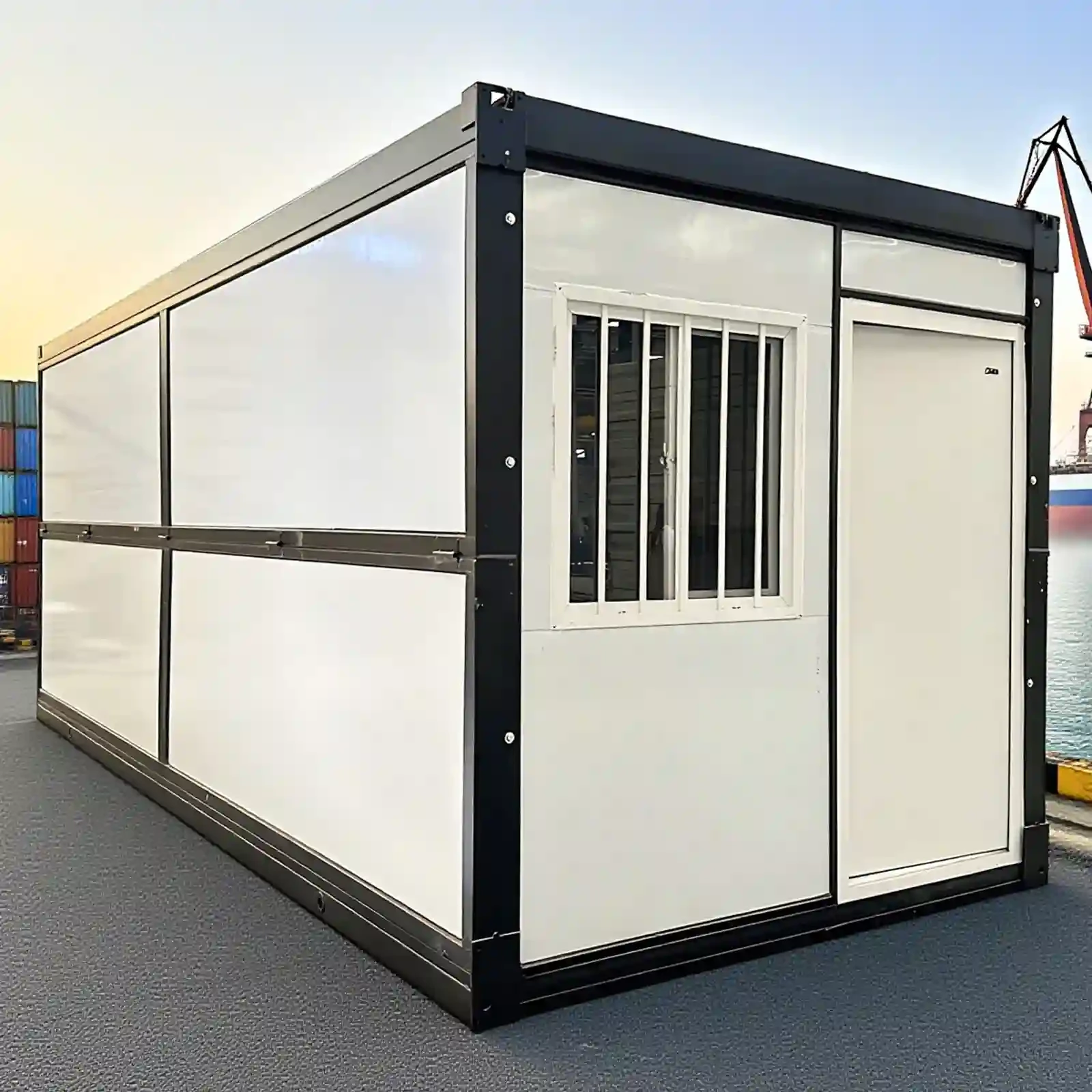
On the other hand, a prefab home kit (also known as a panelized kit or kit home) is not fully assembled in a factory, unlike a typical prebuilt home. Its major components, such as its walls, roof panels, and floor systems, are manufactured in a factory and shipped as a kit to the customer, who can hire a professional to assemble it.
Next are modular homes, a type of prefabricated home that is built in a factory as large modules/boxes, conforming to local building codes, and then transported and assembled on-site as one structure. These boxes are often fully finished internally with customizations requested by customers and then connected on-site, usually with a crane.
Modular houses are considered to have a higher construction quality. Unlike mobile and other types of cheaper housing options of today, they are also installed on a permanent foundation, just like a regular real estate building. Having said that, both modular and kit homes come under the umbrella term of prefabricated homes.
Comparison: Kit vs. Module Homes
Core Difference
When you purchase kit homes, you will receive panels or pre-cut pieces from the manufacturer, which are shipped as separate, flat, or semi-finished panels. Module homes are delivered as complete packages built in a factory, transported, and lifted into the place you've chosen.
Customization options
Modular homes have earned a strong reputation for high customization, which is significantly higher than that of prebuilt homes and kit homes. This is because their customization depends on the panel system, while modular homes have much more flexible module layouts & finishes, though this can be limited by transport size.
Cost of Acquiring
The cost of modular homes is linked to the factory production of modules, their transportation, crane handling costs, and final finishing, with final prices typically ranging between $80 and $160 per square foot in 2025. For kit homes, your price will be based on materials and panels, as well as on-site labor, with some additional finishing costs. These costs range from $50 to $80 per square foot, while mid-range costs range from $100 to over $200 per square foot.
Acquiring Speeds
With kit homes, parallel workflows can be implemented for site preparation and material manufacturing. This cuts down timelines and acquisition time. With modular homes, you can expect a significantly shorter acquisition time, as modules are built simultaneously with site preparation, eliminating the need for on-site assembly.
Long-term Investment
Modular homes typically appreciate similarly to traditional stick-built homes—making them a more compelling choice than prefabricated home options—since their resale potential hinges heavily on finish quality, market demand, and installation site.
What’s more, modular homes often qualify for traditional mortgages, as they’re built to meet local building codes from the start. Moreover, you get better energy efficiency due to the high insulation finish and smart tech built into newer models.
Future of Smart Housing
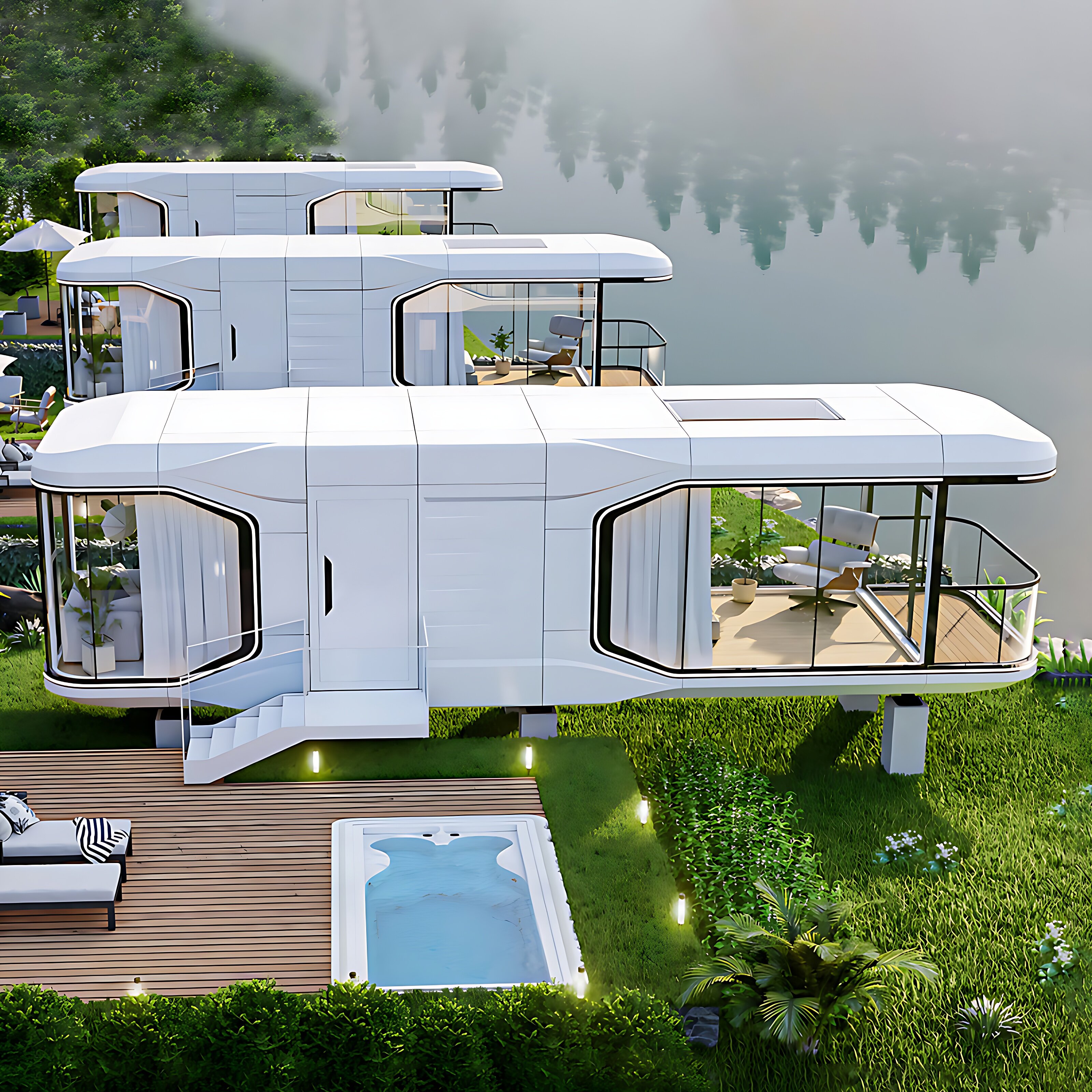
Modular homes offer much more, especially in terms of long-term value for buyers, and this is where you have to give attention to Simple Space Capsule Houses by MAGESPAIS this year. These ultra-futuristic yet practical modular housings are designed to provide residents with architectural flair while offering the efficiency of modular construction in a housing space.
Built with a pure white streamlined fuselage and large floor-to-ceiling windows, these houses are unlike anything you have seen before. While being a stunner, these houses are designed with a galvanized steel frame and a double-sided fluorocarbon aluminum plate, making them a futuristic fortress built to last.
Inside, you’ll find a sweet voice-controlled smart center, bathrooms with separate wet and dry areas, and many other futuristic features (with optional customizations), all set against minimalist white aesthetics. If you are seeking a modern, long-term housing option that offers affordability and customization, this is where you should look.
Wrapping Up:
Both modular and kit homes are types of prefabricated homes designed and manufactured in a factory, but they differ in how they are transported and installed. Modular homes offer better cost efficiency and long-term value, similar to those from MAGESPAIS, which feature futuristic designs, a plethora of smart features, and high efficiency.