
 USD
USD GBP
GBP
 EUR
EUR
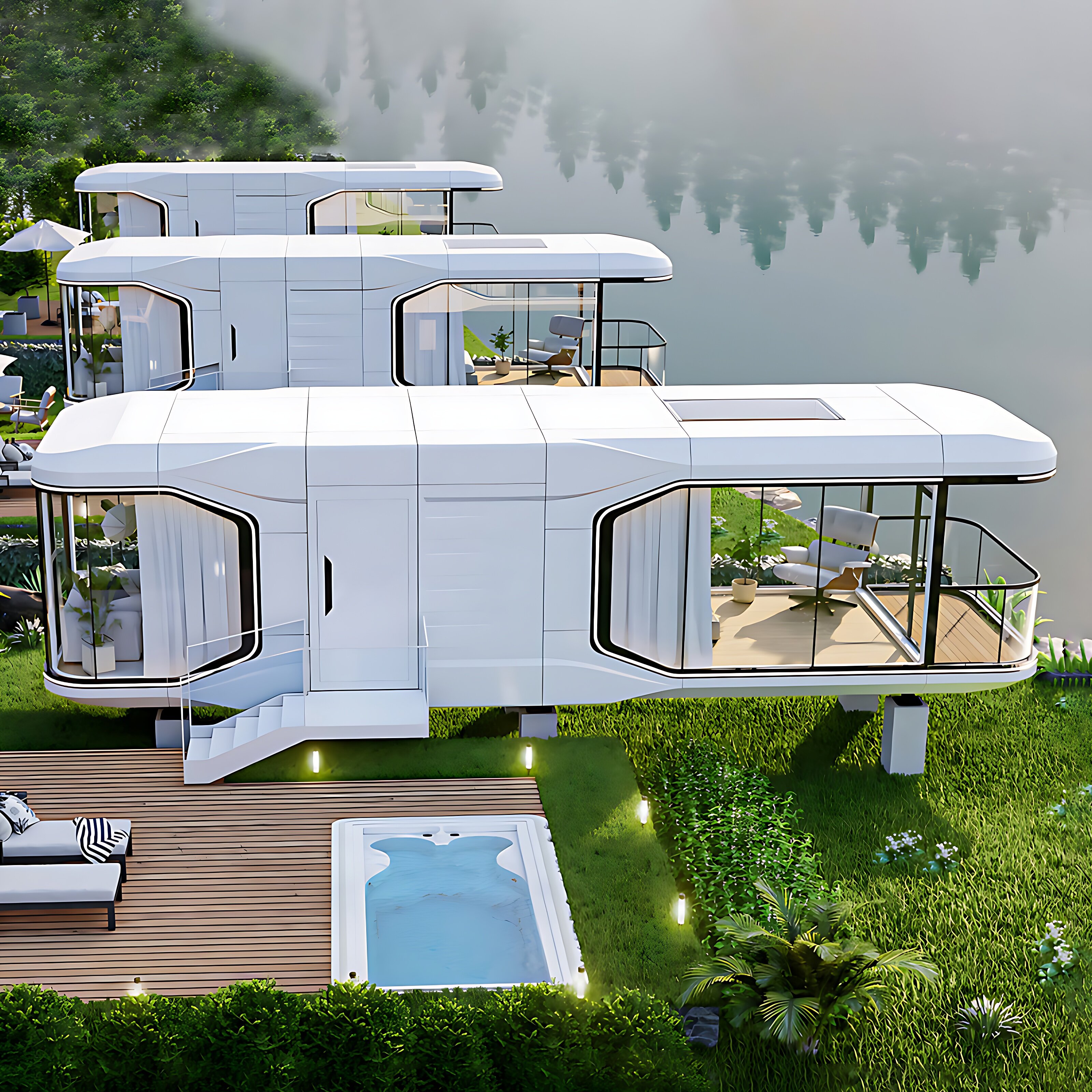
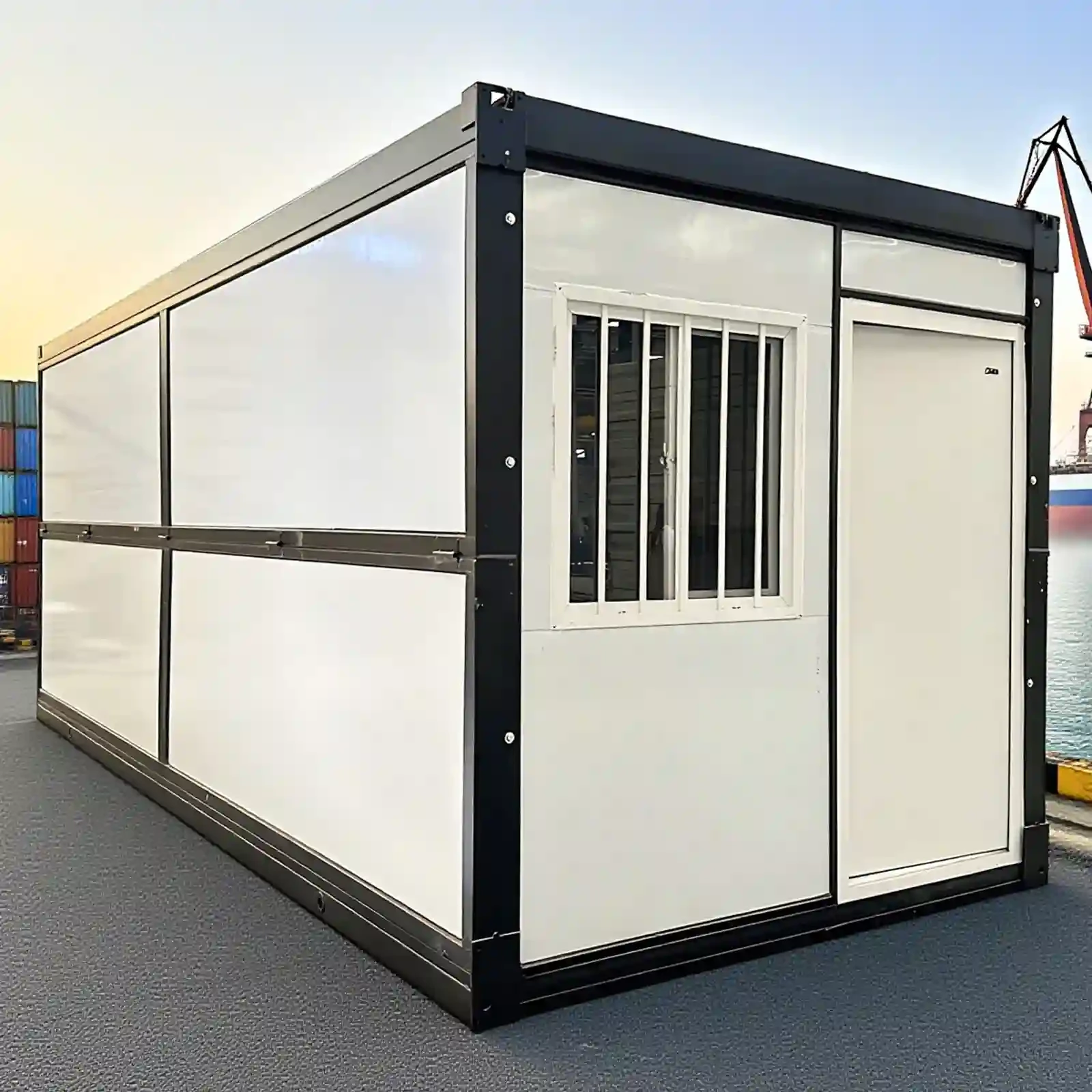
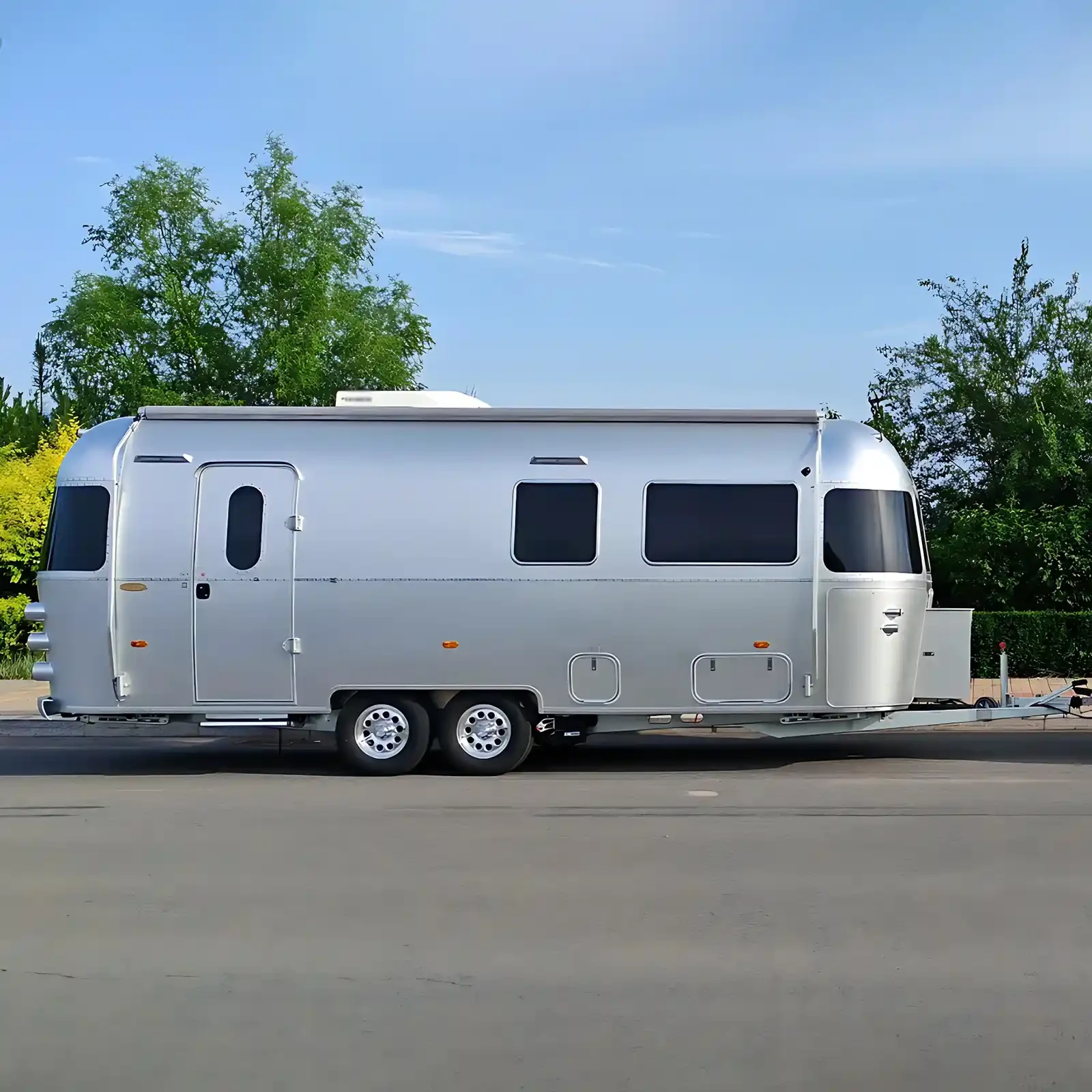
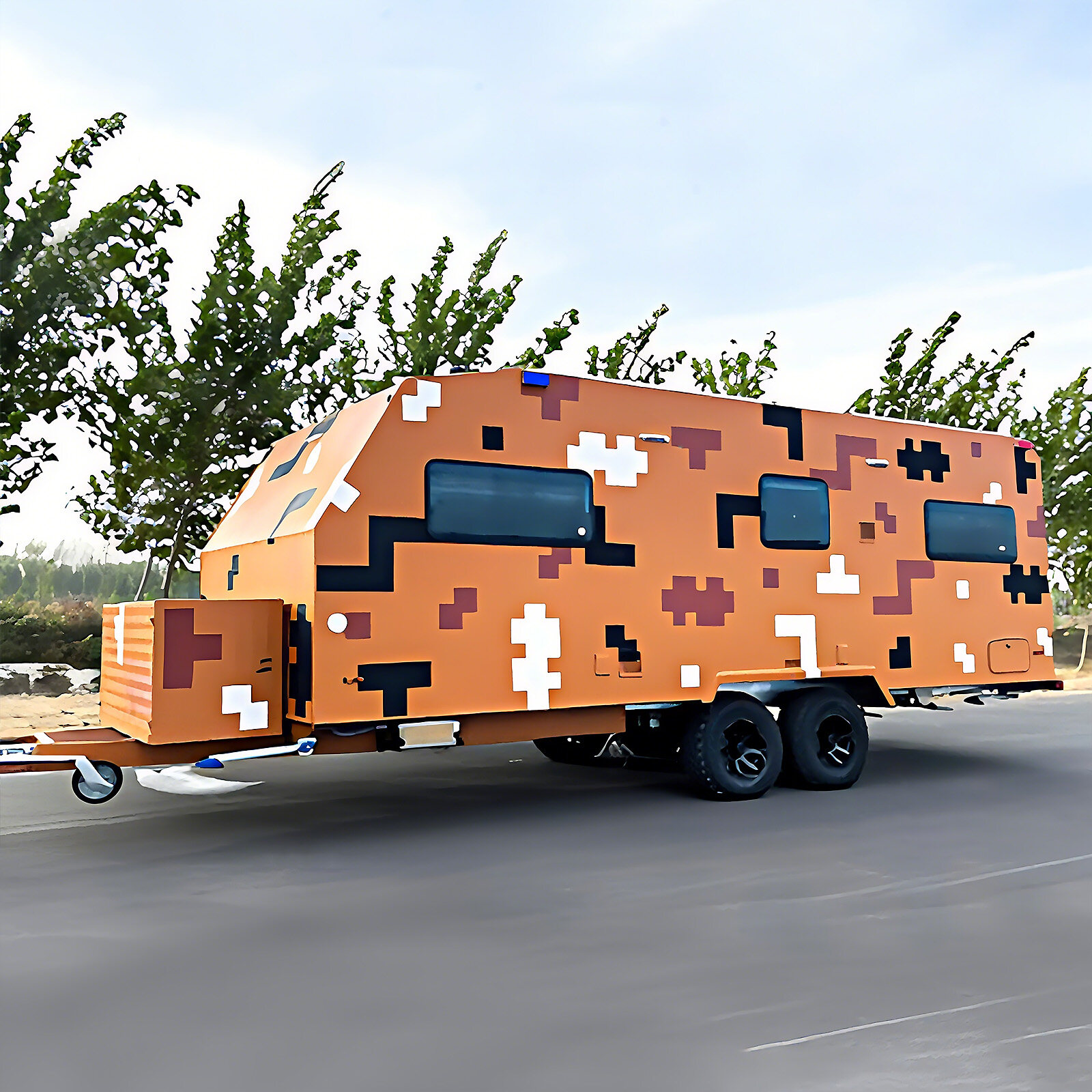
Do you really understand light steel villas? Five common misconceptions about light steel villas.
Myth 1: Light steel villas represent only one type of housing
Compared to traditional brick-and-mortar houses, light steel villas differ in the following main ways:
1. Different materials: New houses mainly use energy-saving and environmentally friendly materials, such as corrosion-resistant steel, gypsum board, OSB board, and heat-insulating environmentally friendly materials.
2. The construction methods are different. The building materials for new houses are all produced in factories and assembled into house components on the assembly line. They are then transported to the site and assembled directly.
3. Performance Differences: New-type houses generally offer superior comfort and safety, boasting many features not found in traditional houses. There are many types of new-type houses, with the well-known light steel structure house being the most prominent. Light steel houses are highly adaptable, suitable for both southern and northern regions, and are also very safe and comfortable.
Myth 2: Light steel villas are only for the rich.
Light steel villas are beautiful, so many people equate them with suburban villas, believing that they are only for the rich and that ordinary people simply cannot afford them.
The main reason for the high price of suburban villas is the high land price, large area, and high construction cost. However, the construction cost of light steel villas is not high. Ordinary farmers do not have the problem of land price when building houses on their homesteads. The price of building light steel villas is actually acceptable. Considering all factors, the cost of economical construction is not much different from that of traditional houses.
Light steel villas have been in China for over 20 years, but due to various reasons, they have not been widely promoted and are still a relatively new concept for many ordinary people.
Myth 3: Light steel villas are earthquake-resistant resettlement houses
When we learn about light steel villas, we often associate them with earthquake-resistant resettlement housing. Many people consider these new types of housing as earthquake-resistant resettlement housing because light steel villas are frequently promoted as safe and reliable dwellings in disaster areas. These areas are prone to earthquakes, requiring extremely high earthquake resistance. Therefore, some light steel villa manufacturers collaborate with local governments in earthquake-stricken areas to use light steel villas as resettlement housing. This very fact demonstrates the excellent safety of light steel villas and their widespread acceptance, making them suitable for the housing needs of ordinary people.
Myth 4: Light steel villas are only suitable for building low-rise buildings.
Light steel villas are commonly seen as two-story villas, but light steel houses can actually be built up to six stories high without compromising safety performance. All requirements are met, fulfilling relevant national standards, and they can play a vital role in urbanization. Most light steel structure houses are three stories or less. For taller structures, a combination of conventional and heavy steel structures can be used to meet different building needs.
Myth 5: Light steel villas are just prefabricated houses
Prefabricated houses and light steel villas have many similarities, such as being manufactured in a factory and then transported to the site for assembly, fast construction speed, and flexibility and mobility.
However, light steel villas and prefabricated houses are fundamentally different: light steel villas have independent load-bearing structures, possessing properties such as heat insulation, sound insulation, and fire resistance. They are safe, comfortable, aesthetically pleasing, have a long service life, and are suitable for long-term use. The lifespan of a light steel villa can reach 100 years. It is clear that light steel villas and prefabricated houses are two completely different concepts.