 USD
USD GBP
GBP
 EUR
EUR

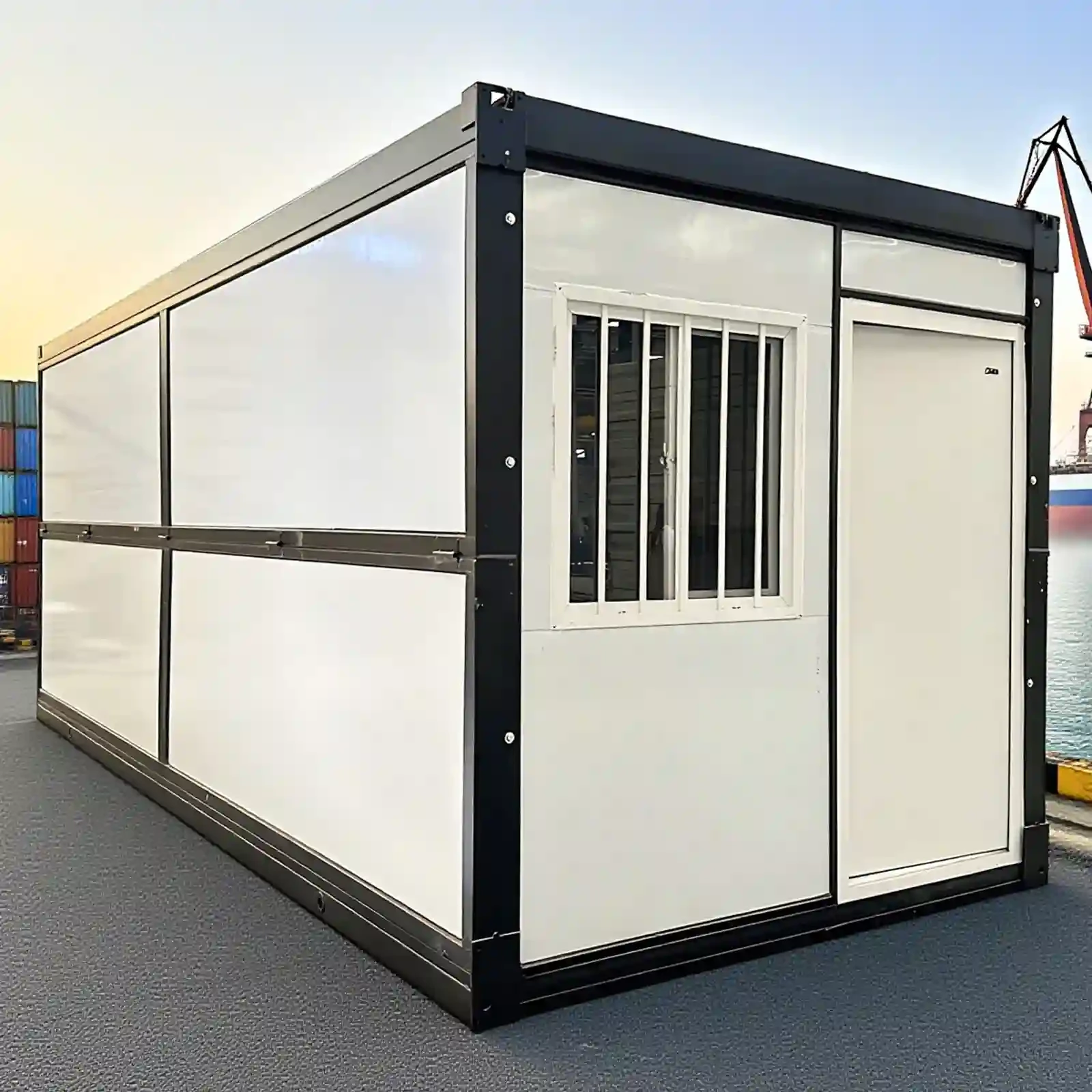

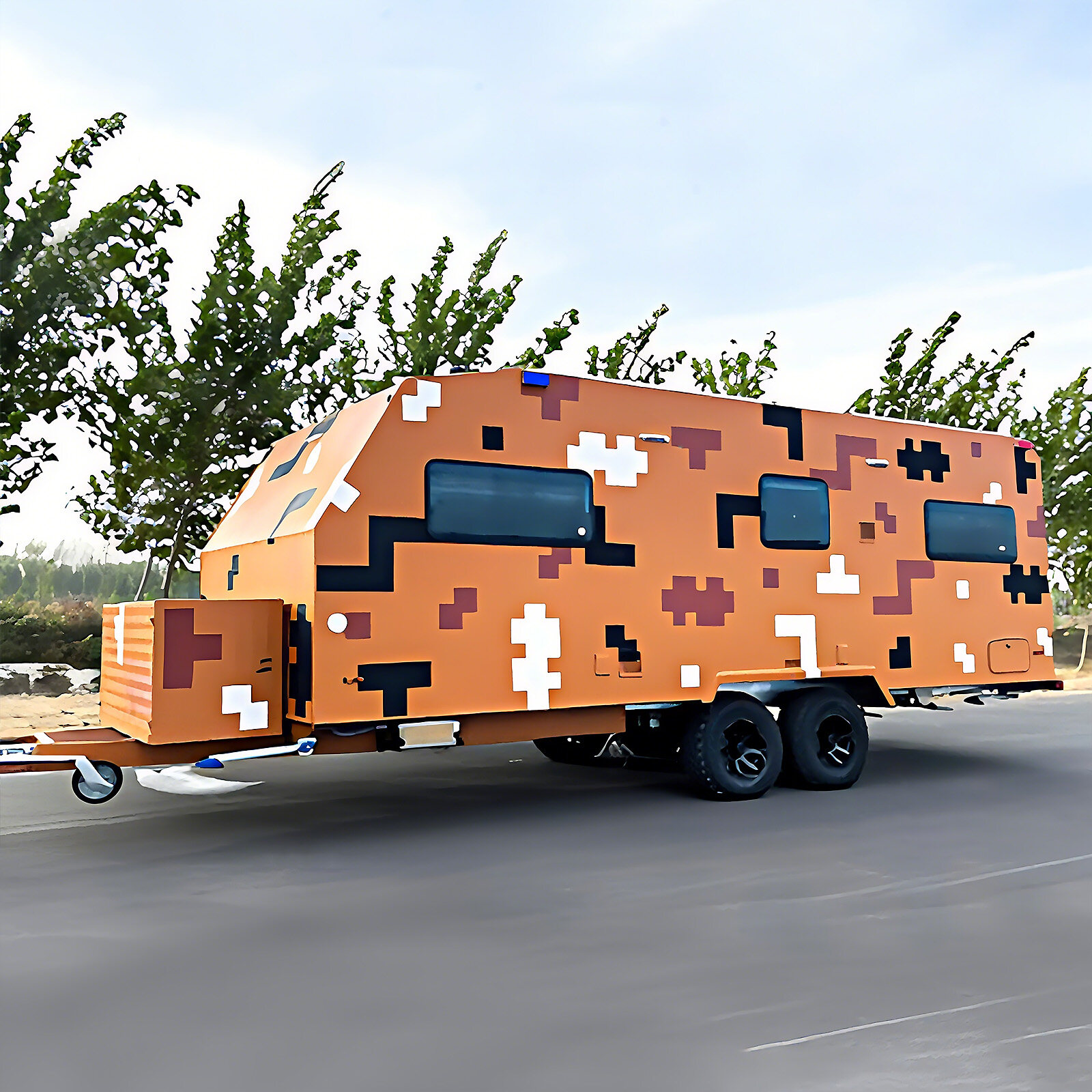


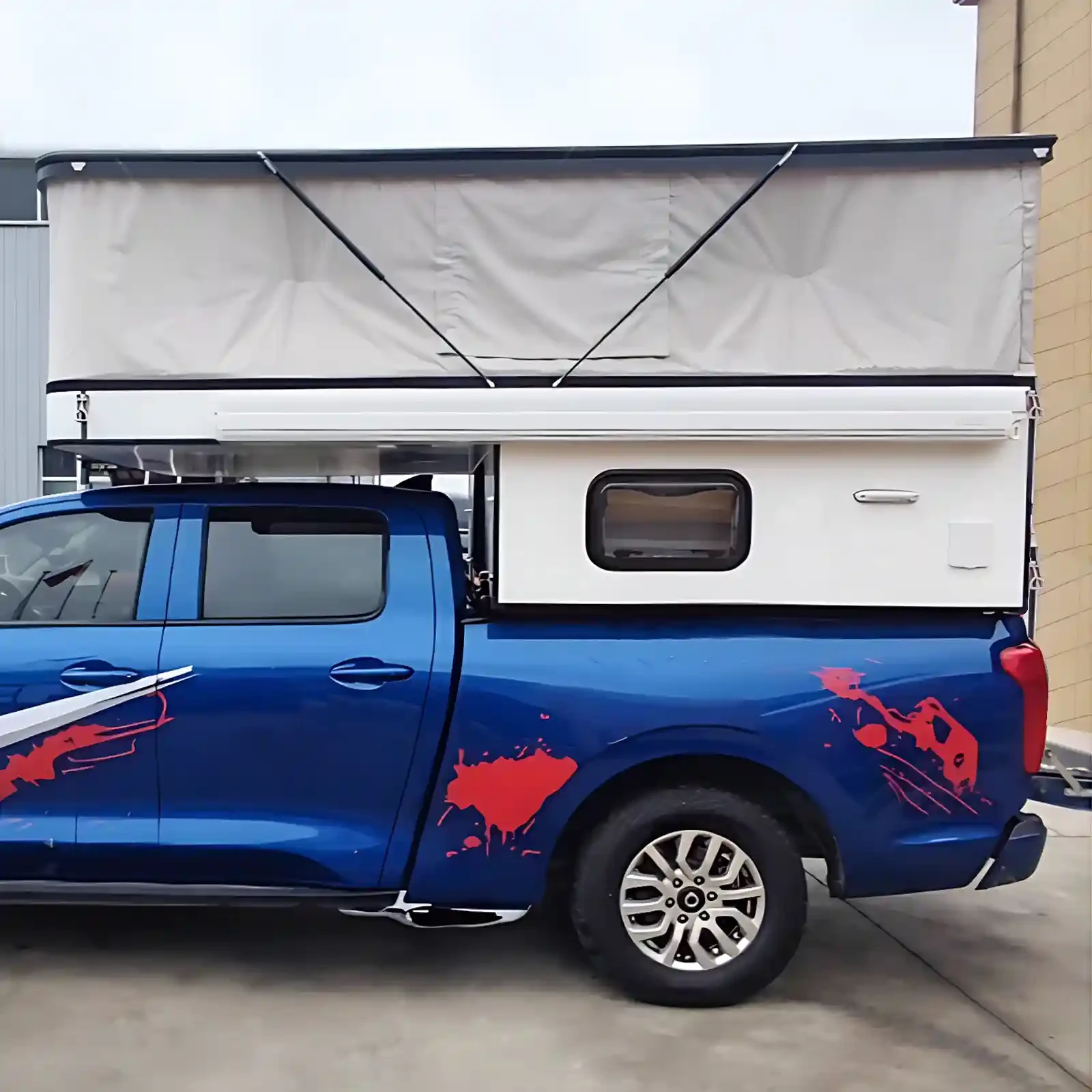


Emerging forces are emerging in the prefabricated housing industry, intensifying competition among enterprises.
The prefabricated housing industry has matured to a relatively high level, but this very maturity has led to a loss of its original vitality and innovation. In recent years, the industry has not fared well; product innovation has been insufficient, and younger consumers are experiencing aesthetic fatigue with the products, gradually losing confidence in existing companies.
This has exacerbated the already poor sales situation for companies, but in this environment, the new force of prefabricated house companies is growing in an incredible way.
A new generation of industry leaders is emerging.
New forces are emerging in the industry. Although new companies are not as good as the previous generation in terms of market space, number of consumers and resources, the new generation of companies also have their own competitive advantages.
The new generation of companies entered the industry at the very beginning of its formation in emerging markets. The barriers to entry are higher than when the industry was first established, and their manufacturing expertise, emphasis on high-tech talent, and market insight naturally surpass those of companies adhering to traditional rules. Because their business philosophies are more influenced by new ideas, these new-generation companies are better able to integrate into new markets.
Advantages of enterprise management
Moreover, the company's managers are mostly younger people born in the 1970s and 1980s . They understand the shopping needs and mentality of young consumers better and have a better grasp of individuality than the previous generation of managers. Therefore, even though at this stage, due to their short establishment time and lack of maturity, they are not yet able to compete with the previous generation of companies, they will definitely be able to hold up half of the market with their advantages that the previous generation could not achieve.
However, such strong momentum from a new company will naturally have a significant impact on the previous generation of companies. In particular, for companies that rely on monopolistic competition, the rise of a successor will inevitably shake their market dominance and may even replace them.
Market updates and replacements are an inevitable law.
Market updates and replacements are an inevitable law of market development, independent of human will. Furthermore, existing markets are nearing saturation, and new markets urgently need development. However, companies adhering to traditional development models clearly struggle to adapt to these new markets, with homogenization and OEM manufacturing still dominating the industry. If this trend continues, the industry will stagnate rather than progress. Therefore, the industry itself needs new blood to change its existing problems.
With the rise of a new generation of industry players, the existing market positions of established companies will inevitably be altered or shaken in future development. This means that modern companies will find it increasingly difficult to gain market share through monopolies. Instead, established companies will become the leaders in future market development, bringing new competitive models and operational mechanisms to the entire industry.