
 USD
USD GBP
GBP
 EUR
EUR
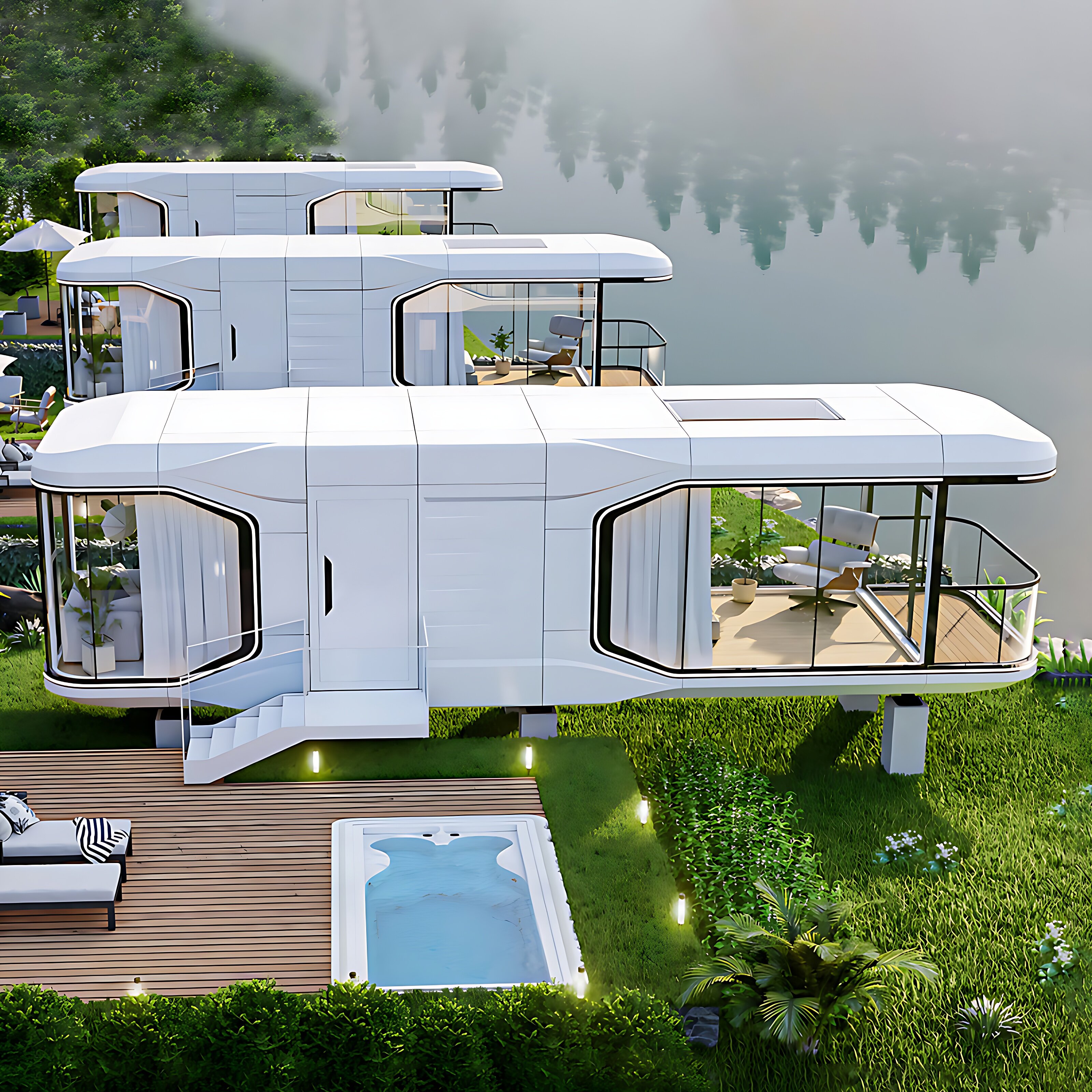
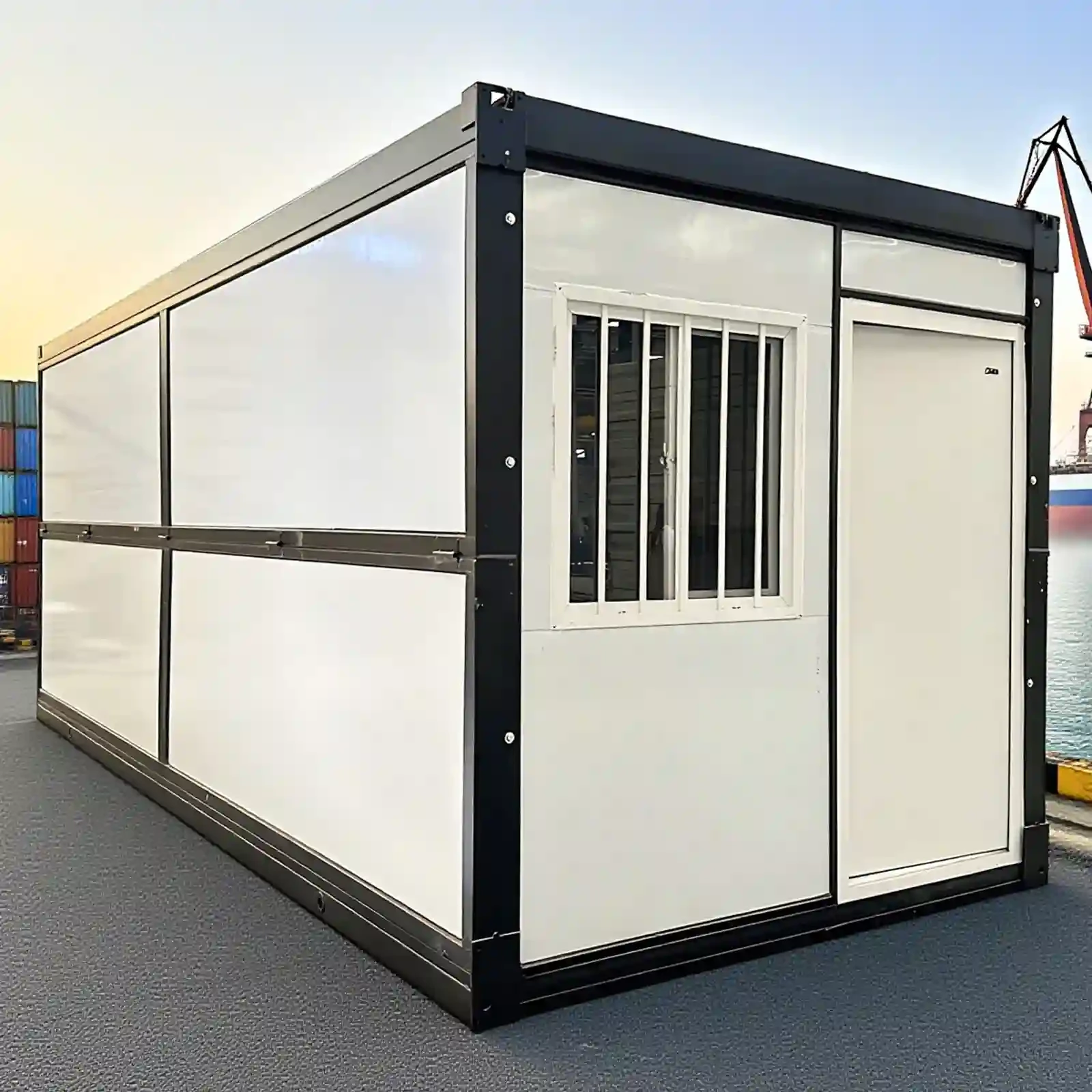


The true face of light steel villas
Light steel villas have been around in China for over 20 years, but our understanding of modern light steel villas is still relatively low. Due to various reasons, they haven't been widely adopted. For many people, light steel villas are still a relatively new concept. Below, we'll clarify some common misconceptions about them.
Myth 1: Light steel villas are too expensive for ordinary people.
Light steel villas are very attractive, leading to their perception as the exclusive domain of the wealthy and deterring ordinary people. However, the truth is that light steel villas are not expensive to build. For ordinary farmers, building on small plots of land avoids land price issues. Therefore, the price of building a light steel villa is actually acceptable, and the overall economic cost is not significantly different from that of traditional housing.
Myth 2: Light steel villas are made of steel and are prone to rust.
Light steel villas utilize Q550 galvanized steel, offering rust resistance far exceeding that of similar building structures. High-efficiency anti-corrosion agents are applied to the steel components to prevent rust, ensuring a lifespan of over a century. Cold-formed thin-walled light steel serves as the primary load-bearing structure; humid air will not corrode the light steel keel, preventing rust and maintaining the original strength of the steel plates. This ensures guaranteed thickness, rigidity, and impact resistance, preventing wall swaying or collapse.
The entire exterior wall is sealed with one-way breathable paper for moisture protection. This seal prevents indoor moisture from entering the room and also prevents harmful substances in the outdoor air from corroding the metal materials. The interior, with its aluminum foil-coated insulation, completely isolates the metal structure from humid air, preventing direct exposure to the corrosive outdoor environment.
Light steel structure technology and product configurations are highly mature and industrialized. It represents the culmination of nearly a century of development in North American building technology and building materials industry. The light steel framing used in building structures possesses excellent corrosion resistance and durability, remaining rot-free for over a century.
Third: The sound insulation of light steel villas is worse than that of traditional brick-concrete houses.
The insulation materials used in the interior walls and exterior envelope of light steel villas include fiberglass wool, rock wool, and rigid extruded foam. These materials not only demonstrate excellent thermal insulation performance but also act as good sound absorbers, achieving a sound insulation effect of up to 40 decibels, thus reducing environmental noise pollution. Experiments, data analysis, and feedback from completed projects show that the sound insulation effect of light steel villas is better than that of traditional brick-concrete houses. (Brick houses offer 30 decibels of sound insulation, while light steel villas offer 50 decibels.)