
 USD
USD GBP
GBP
 EUR
EUR
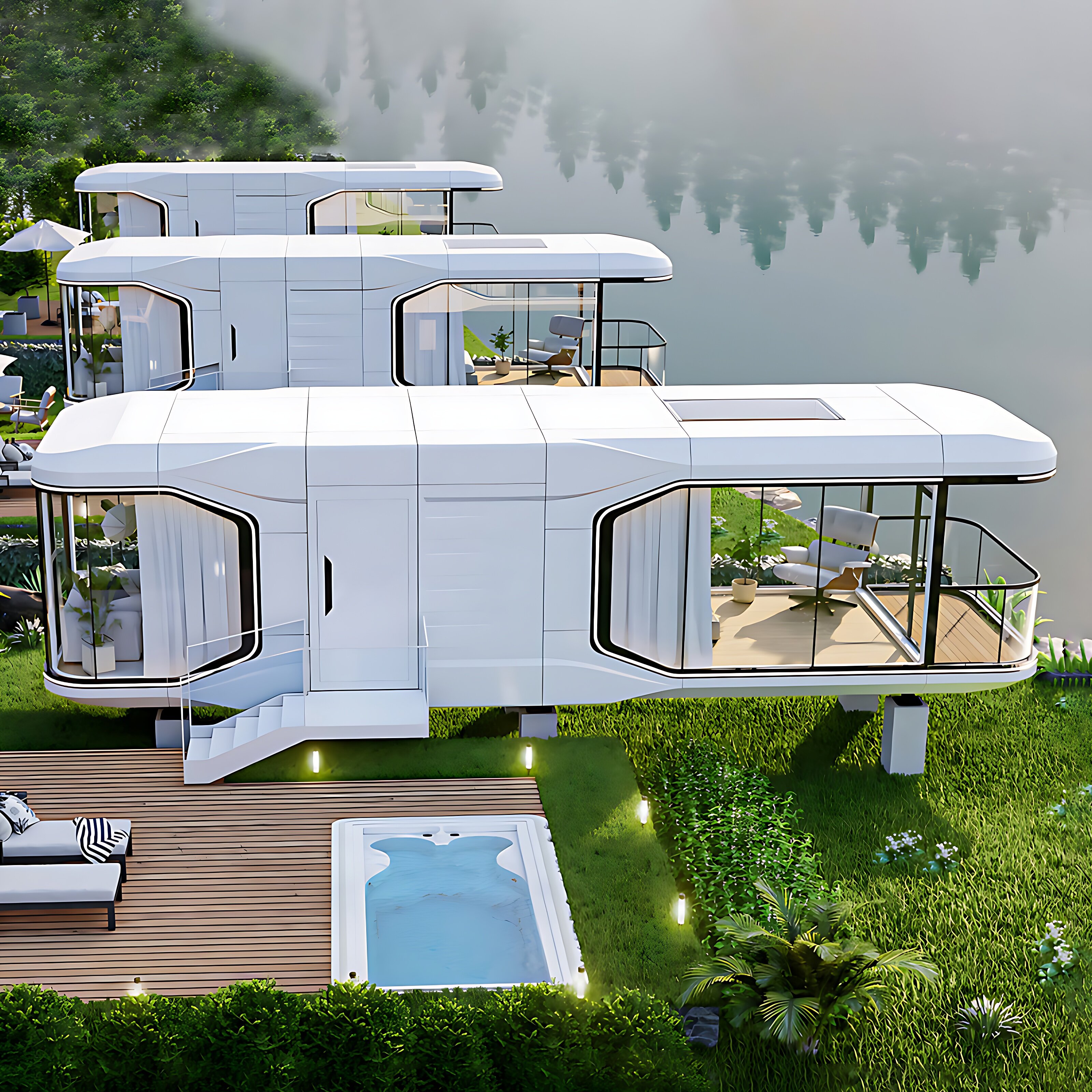
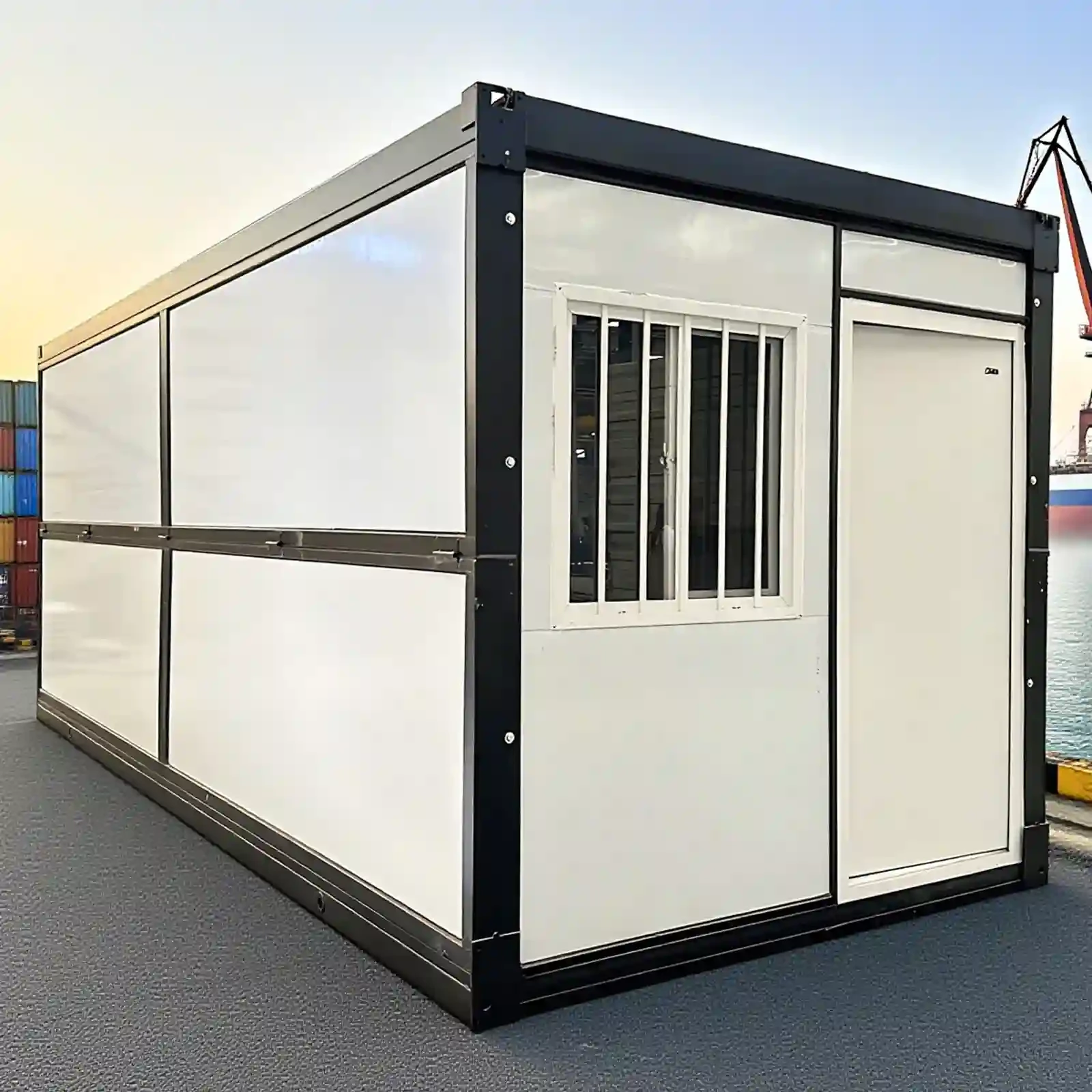
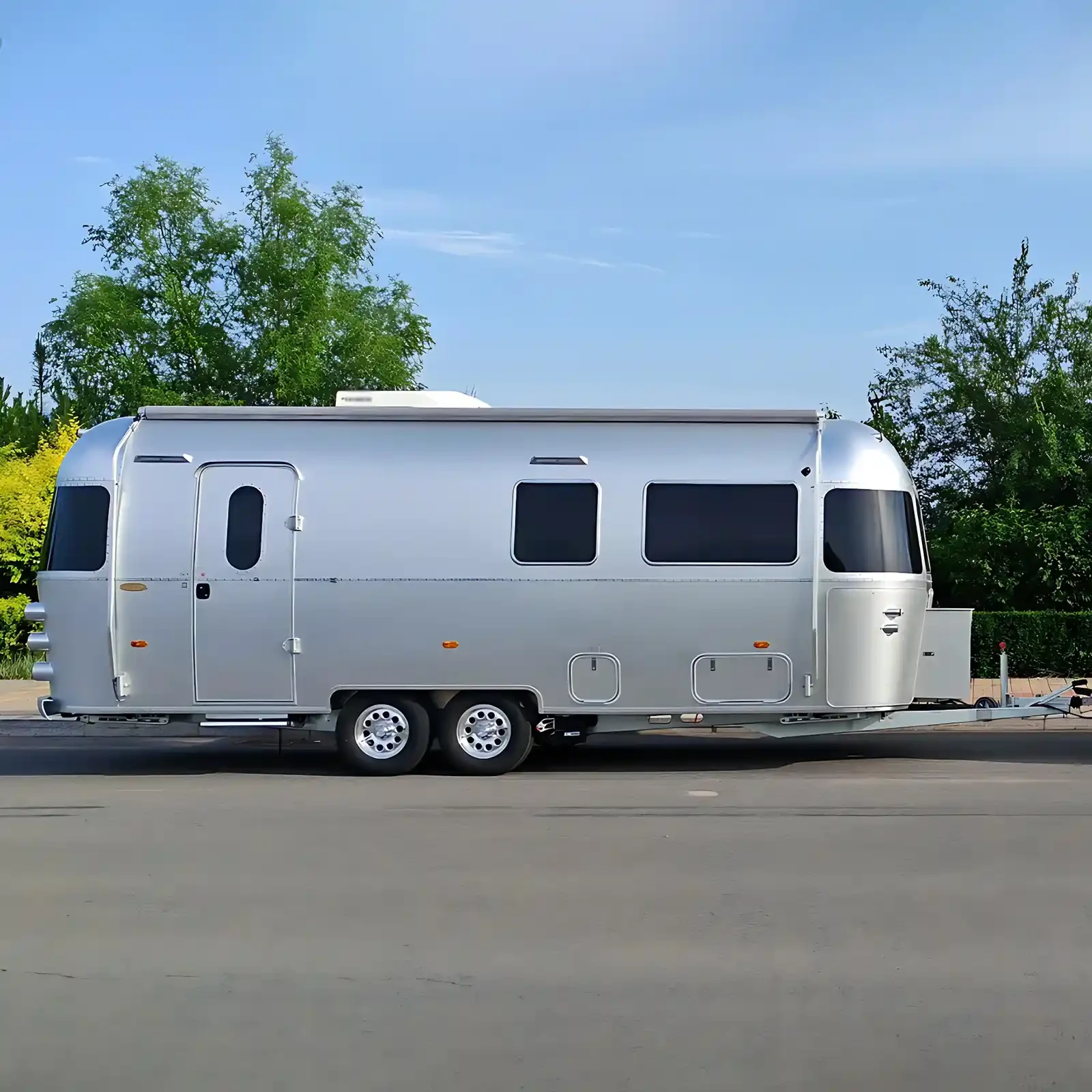
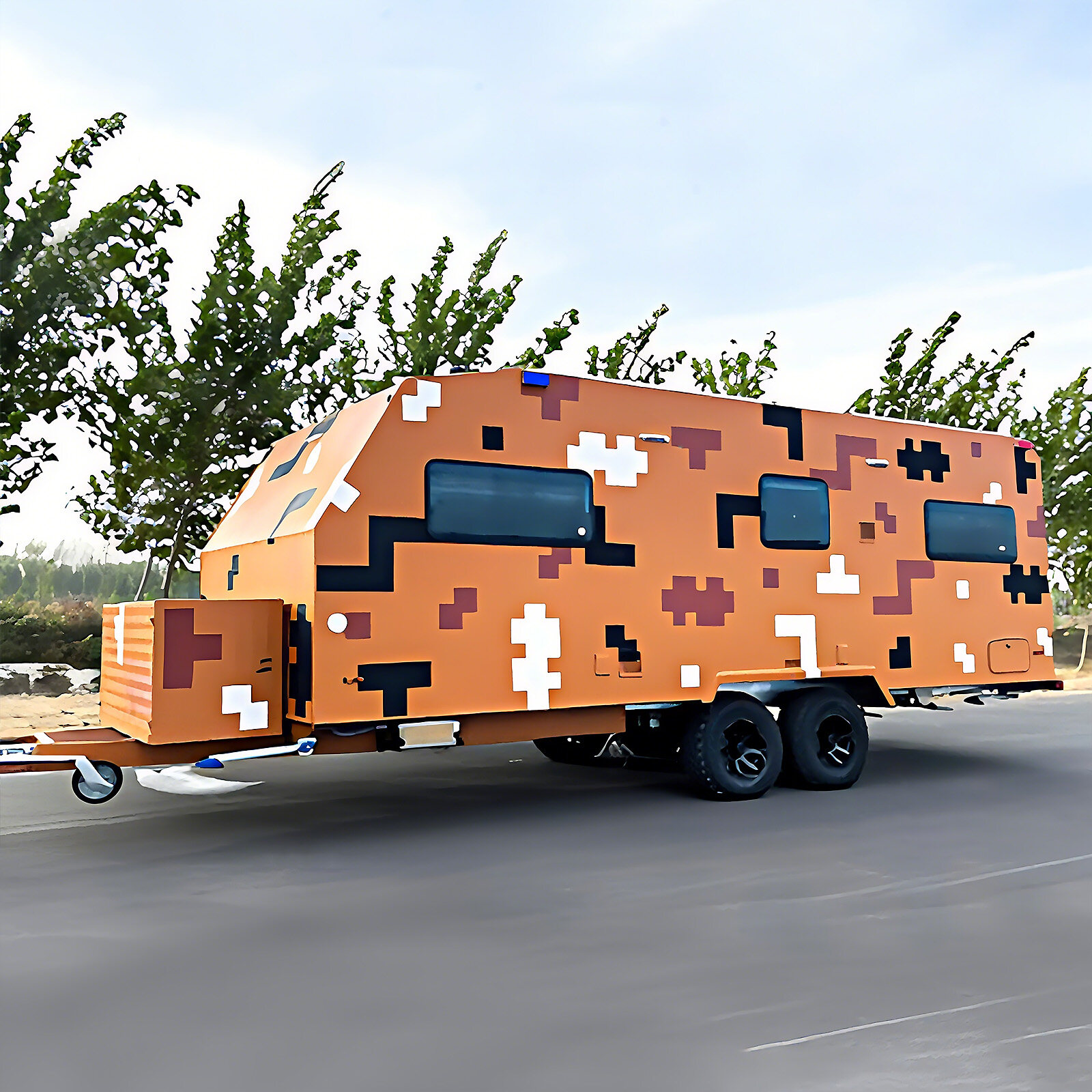
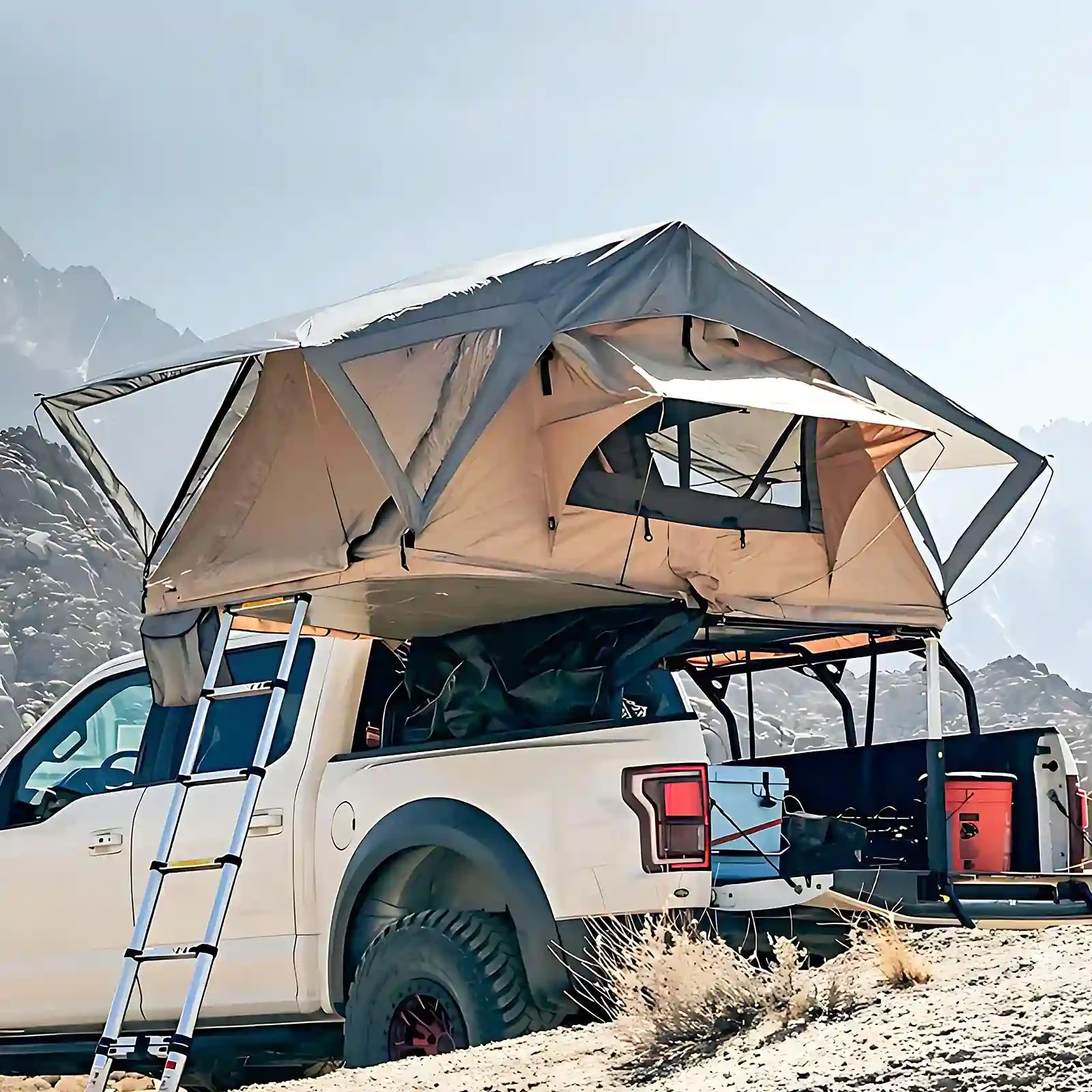
Space Capsule Homes: Changing the Way We Live and Travel
Dec 09, 2025


In today's pursuit of innovative and environmentally friendly living spaces, capsule homes attract considerable attention due to their unique design and convenience. However, whether used as tourist accommodations, field workstations, or emergency housing, a stable energy supply is a core element ensuring their normal operation. Faced with insufficient coverage of the traditional power grid or off-grid requirements, capsule homes utilize various technologies to achieve efficient energy acquisition, storage, and utilization.
I. Diversified Utilization of Renewable Energy
(I) Solar Power Generation System
Solar energy is the most common energy source for capsule homes. High-efficiency solar photovoltaic panels are typically installed on their roof or perimeter, often using materials such as monocrystalline silicon or cadmium telluride, achieving a photoelectric conversion efficiency of 20%-25%. The photovoltaic panels convert solar energy into direct current (DC), which is then converted into alternating current (AC) by an inverter, directly supplying the cabin's lighting, appliances, and other equipment.
To further improve energy efficiency, some capsules are equipped with tracking photovoltaic brackets, which automatically adjust their angle according to the sun's position, ensuring the photovoltaic panels are always perpendicular to the sunlight, increasing power generation by 20%-30% compared to fixed brackets. In addition, solar water heating systems are widely used, absorbing heat through vacuum tubes or flat-plate collectors to meet daily hot water needs for washing and bathing, reducing electricity consumption.
(II) Wind Power Generation Systems
In areas with abundant wind resources, space capsule houses are equipped with small wind turbines. Common vertical-axis or horizontal-axis wind turbines typically have a power output of 1-5kW and are suitable for wind speeds of 5-25m/s. Wind power generation complements solar power: solar power is the primary source of energy during the day when there is sufficient sunlight, while wind power is relied upon at night or on cloudy days. To prevent damage to equipment from strong winds, wind turbines usually have automatic speed limiting and yaw protection functions. When the wind speed exceeds the rated value, the blade angle automatically adjusts to reduce the speed and reduce stress.
(III) Other New Energy Applications
Some space capsules have also explored the utilization of geothermal energy and bioenergy. For example, shallow geothermal energy systems can be used to exchange heat with the soil through underground pipe heat exchangers, providing heating in winter and cooling in summer. In suitable areas, small-scale biogas power generation units can convert kitchen waste and excrement into combustible gas for cooking or power generation, solving energy problems and achieving waste resource utilization.
II. Optimized Configuration of Energy Storage Systems
(I) Battery Energy Storage Technology
Lithium batteries are the mainstream choice for space capsule energy storage, especially lithium iron phosphate batteries, which are widely used due to their high energy density (140-180Wh/kg), long cycle life (over 3000 cycles), and good safety. Typical space capsule energy storage systems have a capacity of 10-50kWh, which can meet the power needs of lighting, refrigerators, air conditioners, and other equipment for 1-3 days.
To improve energy storage efficiency, some systems introduce intelligent battery management systems (BMS) to monitor battery voltage, temperature, and charge/discharge status in real time. Balanced control prevents overcharging and over-discharging of individual batteries, extending their service life. In addition, some high-end space capsules are also exploring the reuse of retired electric vehicle batteries, reducing energy storage costs while achieving resource recycling.
(II) Mechanical Energy Storage and Phase Change Energy Storage
Besides batteries, mechanical energy storage (such as flywheel energy storage) and phase change energy storage technologies are also being explored. Flywheel energy storage stores kinetic energy through a high-speed rotating flywheel, offering fast response and high charging and discharging efficiency; phase change energy storage materials (such as paraffin wax and hydrated salts) can absorb or release a large amount of latent heat during solid-liquid conversion, used to regulate the cabin temperature and reduce the energy consumption of the temperature control system.
III. Application of Intelligent Energy Management Systems
(I) Energy Monitoring and Distribution
Space capsule homes are typically equipped with intelligent energy management systems that monitor solar and wind power generation and equipment electrical load in real time through sensors. The system automatically distributes energy according to preset strategies: prioritizing renewable energy supply, storing surplus power in batteries; and activating backup power (such as a small diesel generator) when energy is insufficient. For example, when the photovoltaic panels generate more electricity than the current demand, the excess energy is automatically transferred to the battery for charging; during peak nighttime electricity consumption, the battery and generator work together to ensure stable output.
(II) Energy-Saving Equipment and Demand-Side Management
The cabins utilize energy-saving equipment such as LED lighting and variable frequency appliances, reducing energy consumption by 30%-50% compared to traditional equipment. Smart sockets and temperature control systems automatically adjust power according to usage scenarios; for example, unnecessary appliances are turned off when no one is present, and the air conditioner automatically goes into sleep mode once the indoor temperature reaches the set value. Some cabins are also connected to an IoT platform, allowing users to remotely control equipment switches and view real-time energy consumption data via a mobile app, further optimizing energy usage habits.
IV. Complementary Solutions with Traditional Energy Sources
When renewable energy supply is insufficient, the cabins still need to be integrated with traditional energy sources. Some off-grid cabins are equipped with small diesel or natural gas generators as backup power, typically with a power output of 3-10kW; cabins closer to the grid adopt a "grid-connected + energy storage" model, selling excess electricity to the grid during the day and purchasing electricity from the grid at night or during energy shortages, achieving flexible switching.
Space capsule homes utilize diversified energy acquisition, efficient energy storage technologies, and intelligent management systems to construct a sustainable energy supply system. From the utilization of clean energy sources such as solar and wind power, to the optimization of energy storage and energy-saving equipment, and the supplementation with traditional energy sources, the synergistic application of these technologies not only ensures the space capsule's energy self-sufficiency but also provides an innovative model for the development of green buildings. With technological advancements, future space capsules are expected to achieve an even higher degree of energy independence and intelligent management.
Subscribe To Our Newsletter
You Can Get The News Of Our Products
SIGN UP
Contact Info
support@magespais.com
Payment Methods