
 USD
USD GBP
GBP
 EUR
EUR

What is the energy consumption of capsule homes?
Dec 17, 2025


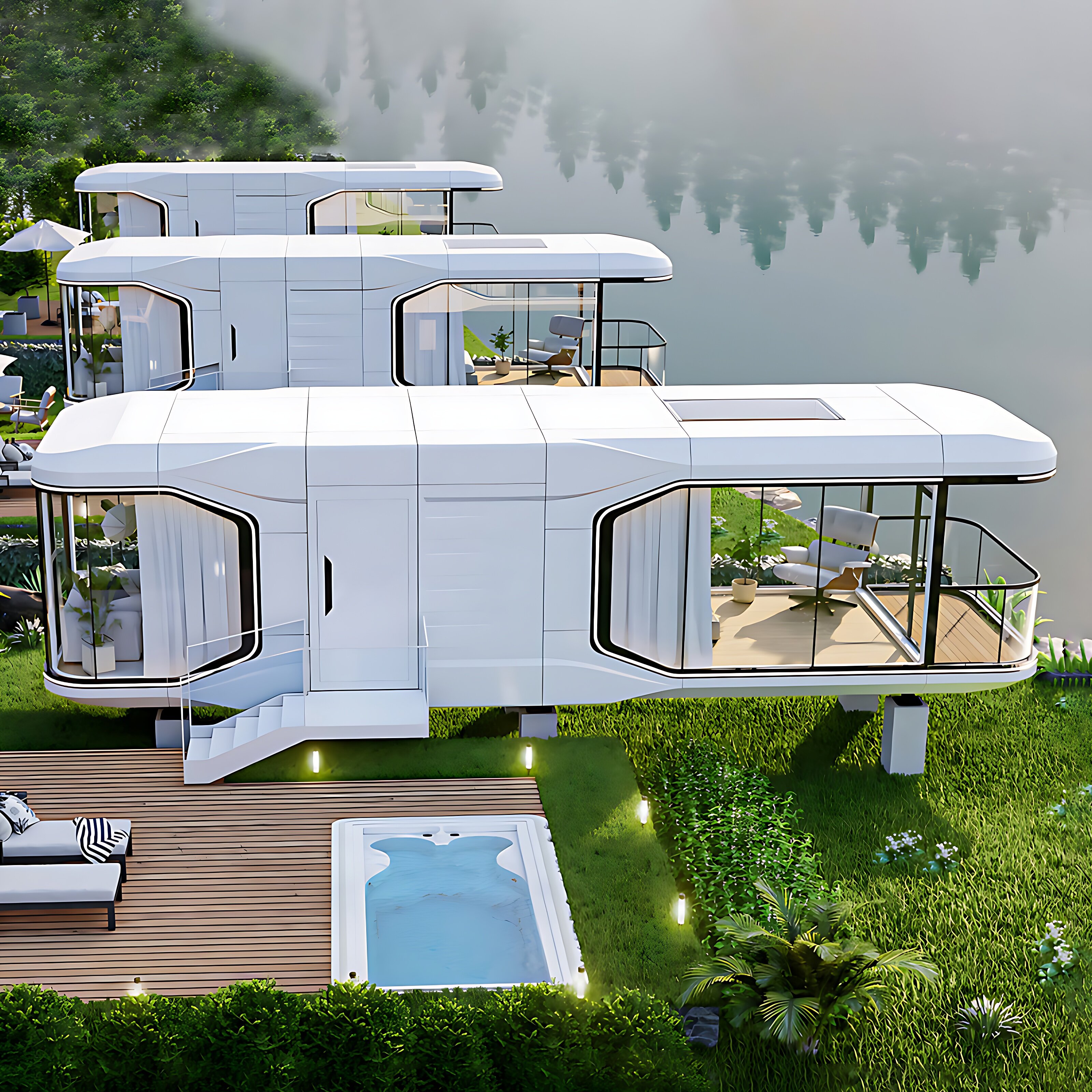
In the field of modern architectural design, space capsule houses, with their unique shape and compact spatial structure, are gradually becoming a highlyed form of housing. Although space capsule houses have limited space, clever layout design can achieve a fully functional, comfortable, and convenient living experience. Their interior space layout integrates ergonomics, functional needs, and aesthetic design, fully utilizing the potential of every inch of space.
I. Core Principles of Space Layout
The interior space layout of a space capsule house must follow the principles of efficient utilization, complete functionality, and comfort and convenience. Due to its relatively small space, redundant designs must be avoided. The starting point is to meet the basic daily needs of the residents, rationally dividing and integrating the limited space. At the same time, the scale of human activity must be fully considered to ensure that residents can move freely within the limited space without feeling cramped. In addition, attention should be paid to the flexibility and variability of the space to adapt to the personalized needs and lifestyle changes of different residents.
II. Detailed Planning of Functional Zones
(I) Sleeping Area
The sleeping area is one of the core functional areas of a space capsule house. To save space, bunk beds or wall beds are usually used. Bunk beds are suitable for multiple occupants, maximizing vertical space while ensuring sleeping space. Wall beds can be folded away when not in use, freeing up more activity space. During the day, it can be used as a leisure or work area, and at night, the bed can be lowered for rest. The bed design emphasizes comfort, equipped with mattresses that conform to the human body's curves. Reading lights and power outlets are installed at the head of the bed to facilitate the use of electronic devices at night.
(II) Living Area
Although the living area has limited space, clever layout can still meet daily leisure and entertainment needs. Small sofas and folding tables and chairs can be used. The sofa can be a foldable or convertible type, folded away when not in use to reduce space occupation. Folding tables and chairs can be unfolded as needed for dining, working, or social activities. To enrich the functionality of the space, shelves or wall cabinets can be installed on the walls to store books, decorations, and other items, increasing the sense of layering and practicality of the space.
(III) Bathroom Area
The bathroom area is generally located in the corner of the space capsule house, using an integrated bathroom design that combines washing, showering, and toileting functions in a compact space. Select small-sized sinks, toilets, and showerheads, and rationally plan the placement of each facility to ensure ease of use. At the same time, pay attention to waterproofing and moisture-proofing. Use materials with good waterproof properties for walls and floors, and install ventilation equipment to maintain air circulation, preventing bacterial growth and odor.
(IV) Storage Area
Storage space is crucial in a space capsule house. Make full use of walls, ceilings, and under-bed spaces to install storage cabinets, drawers, and shelves. Built-in wall cabinets can be installed on the walls to increase storage capacity without occupying floor space; drawers or flip-top storage compartments can be designed under the bed to store seasonal clothing, bedding, and other large items; hooks or shelves can be installed in unused spaces such as behind doors and in corners to conveniently hang clothes, bags, and other small items. A reasonable storage layout allows residents' belongings to be neatly organized, maintaining a clean and tidy space.
III. Innovative Methods of Space Utilization
(I) The Use of Multifunctional Furniture
Multifunctional furniture is key to the space layout of a space capsule house. For example, sofa beds, folding dining tables, and coffee tables with storage functions – these pieces of furniture integrate multiple functions through clever design. A sofa bed is a comfortable sofa during the day and can be unfolded into a bed at night; a folding dining table can be unfolded when in use to meet dining needs and folded away when not in use to save space; a coffee table with storage functions has drawers or compartments underneath to store remote controls, magazines, and other items, making it multi-functional and improving space utilization.
(II) Expansion of Vertical Space
Due to the limited horizontal space in a space capsule house, making full use of vertical space is essential. By installing overhead cabinets and multi-layered shelves, items can be stored at higher levels, increasing storage capacity. At the same time, installing hooks and rods on the walls allows for hanging clothes, kitchen utensils, and other items, freeing up floor space. In addition, the space under the stairs can be utilized to set up storage cabinets or drawers, further expanding storage functionality.
(III) Combination of Open Design and Partitions
Using an open design can make the space appear visually more spacious, reducing the feeling of confinement in a small space. For example, instead of using physical partitions between the living and sleeping areas, the space is simply divided using furniture or decorations, creating a more open feel. However, in areas requiring privacy, such as the bathroom, partitions such as glass or curtains are used to separate the space, ensuring both independence and maintaining a connection between the spaces.
IV. Personalized and Humanized Design
In addition to meeting basic functional needs, the interior space layout of the space capsule house also emphasizes personalized and humanized design. The space is customized based on the resident's age, occupation, interests, and other factors. For example, for residents who enjoy reading, a dedicated reading corner can be set up in the living area, equipped with comfortable seating, ample lighting, and large bookshelves; for residents who frequently work from home, a quiet, independent workspace can be created, equipped with ergonomic desks and chairs, computer equipment, and sufficient power outlets.
At the same time, attention is paid to detail design to enhance living comfort. In lighting design, multi-layered lighting is used, including main lights, auxiliary lights, and ambient lights, to meet the lighting needs of different scenarios; in color matching, soft and bright tones are chosen to create a warm and comfortable living atmosphere; in material selection, environmentally friendly, safe, and easy-to-clean materials are prioritized to ensure the health of the residents.
The interior space layout of the space capsule house achieves a perfect combination of small space and great functionality by following scientific principles, implementing meticulous functional zoning, utilizing innovative space utilization techniques, and emphasizing personalized and humanized design. With the continuous innovation of design concepts and technological advancements, the interior space layout of space capsule houses will become more rational and comfortable, providing residents with a unique living experience.
Subscribe To Our Newsletter
You Can Get The News Of Our Products
SIGN UP
Contact Info
support@magespais.com
Payment Methods