
 USD
USD GBP
GBP
 EUR
EUR
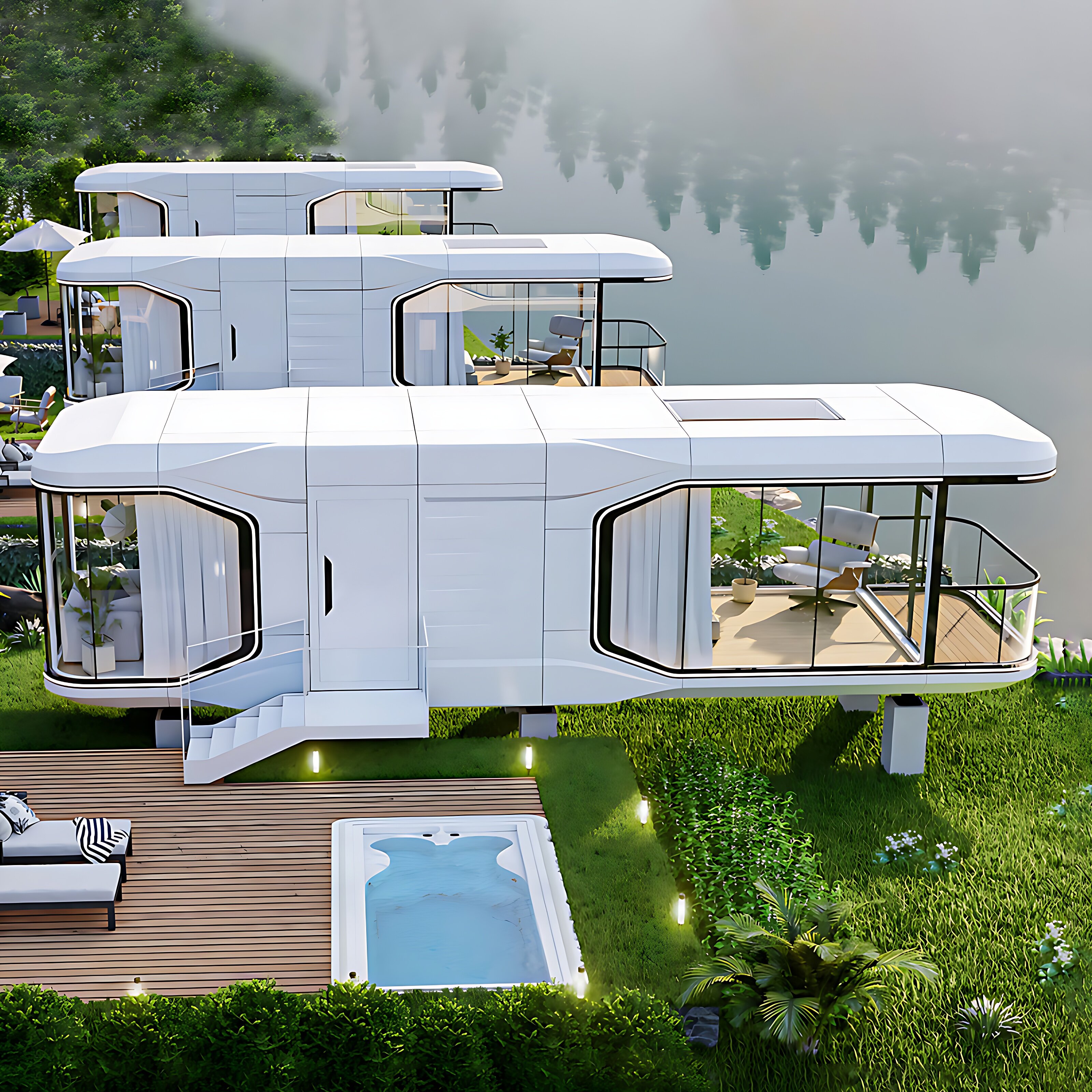
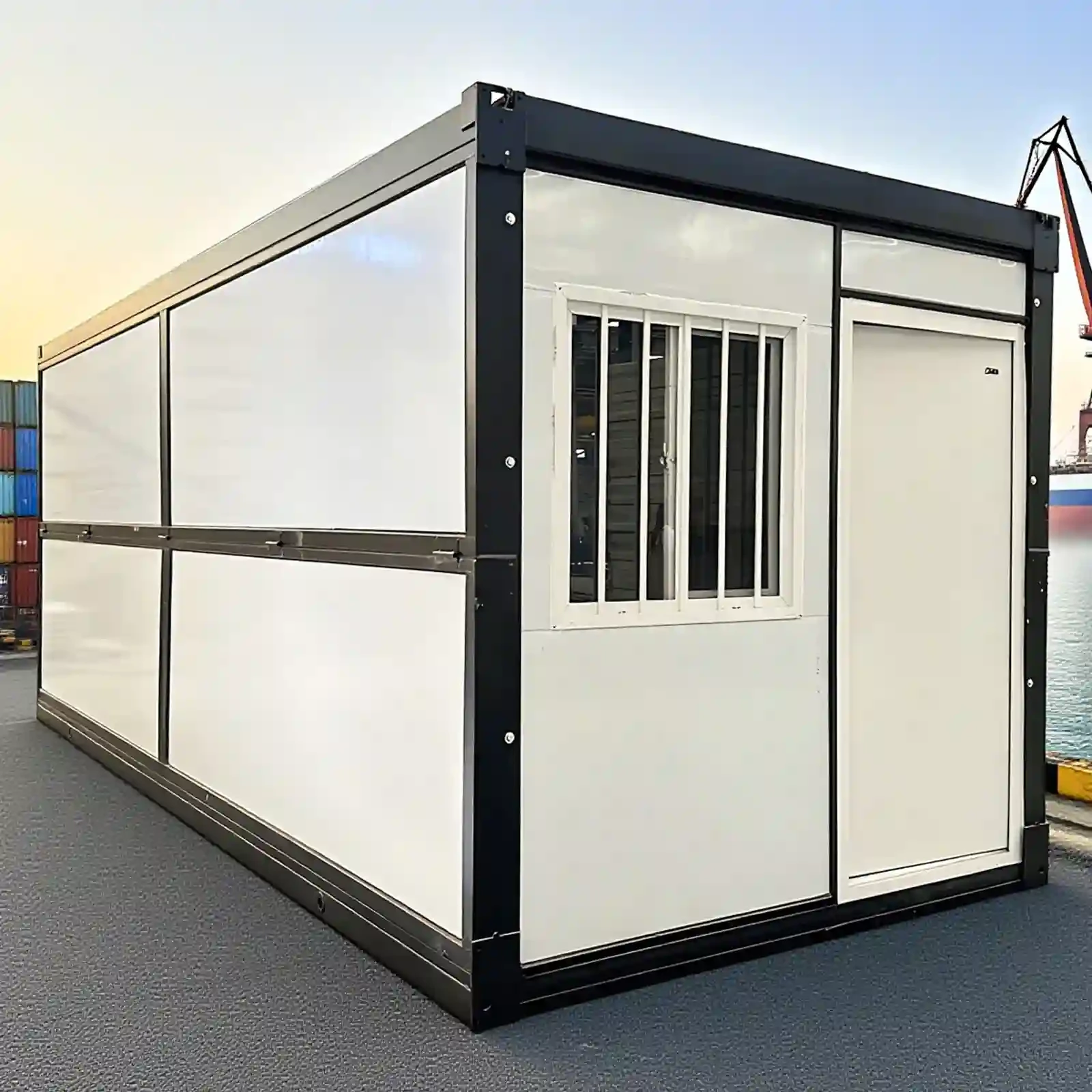
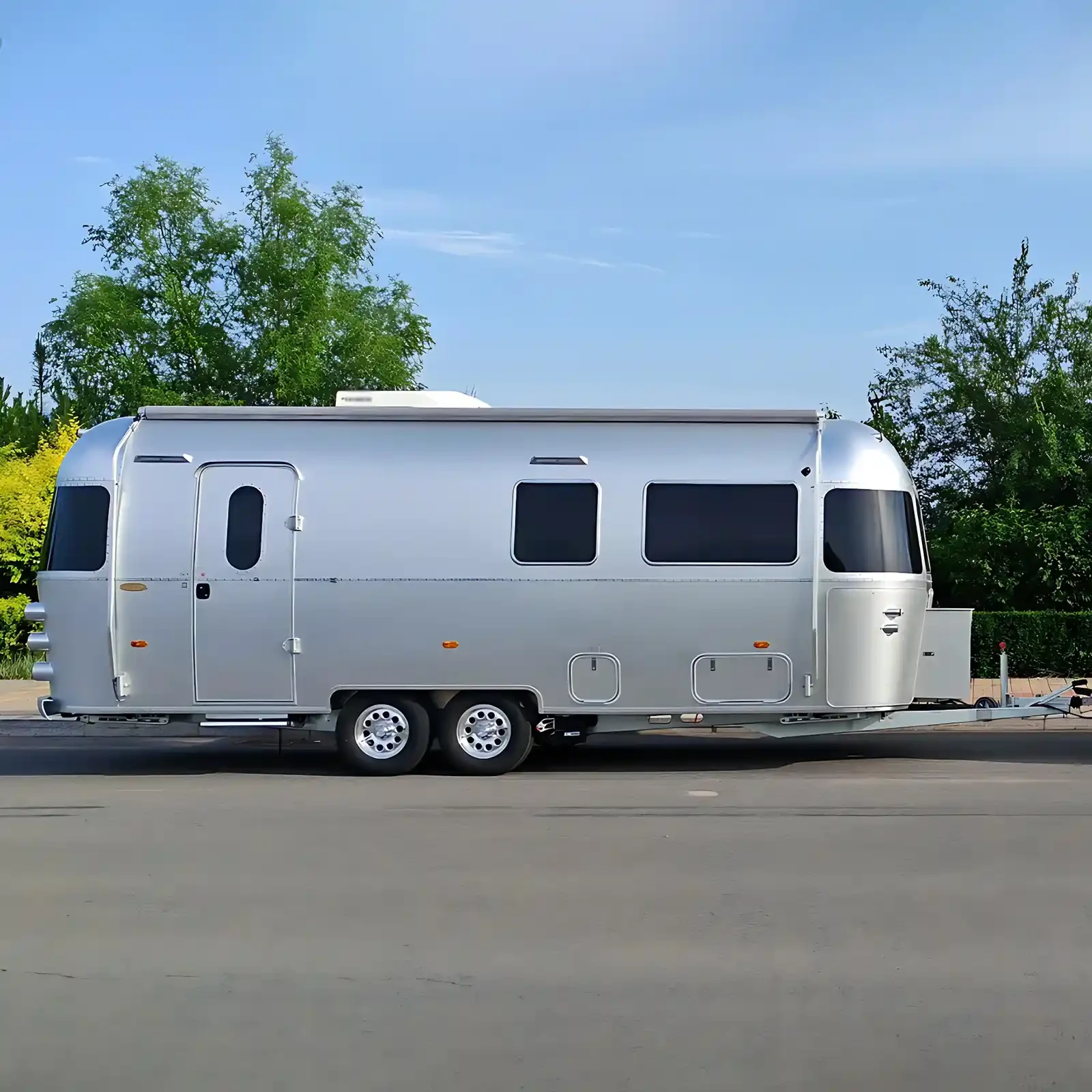
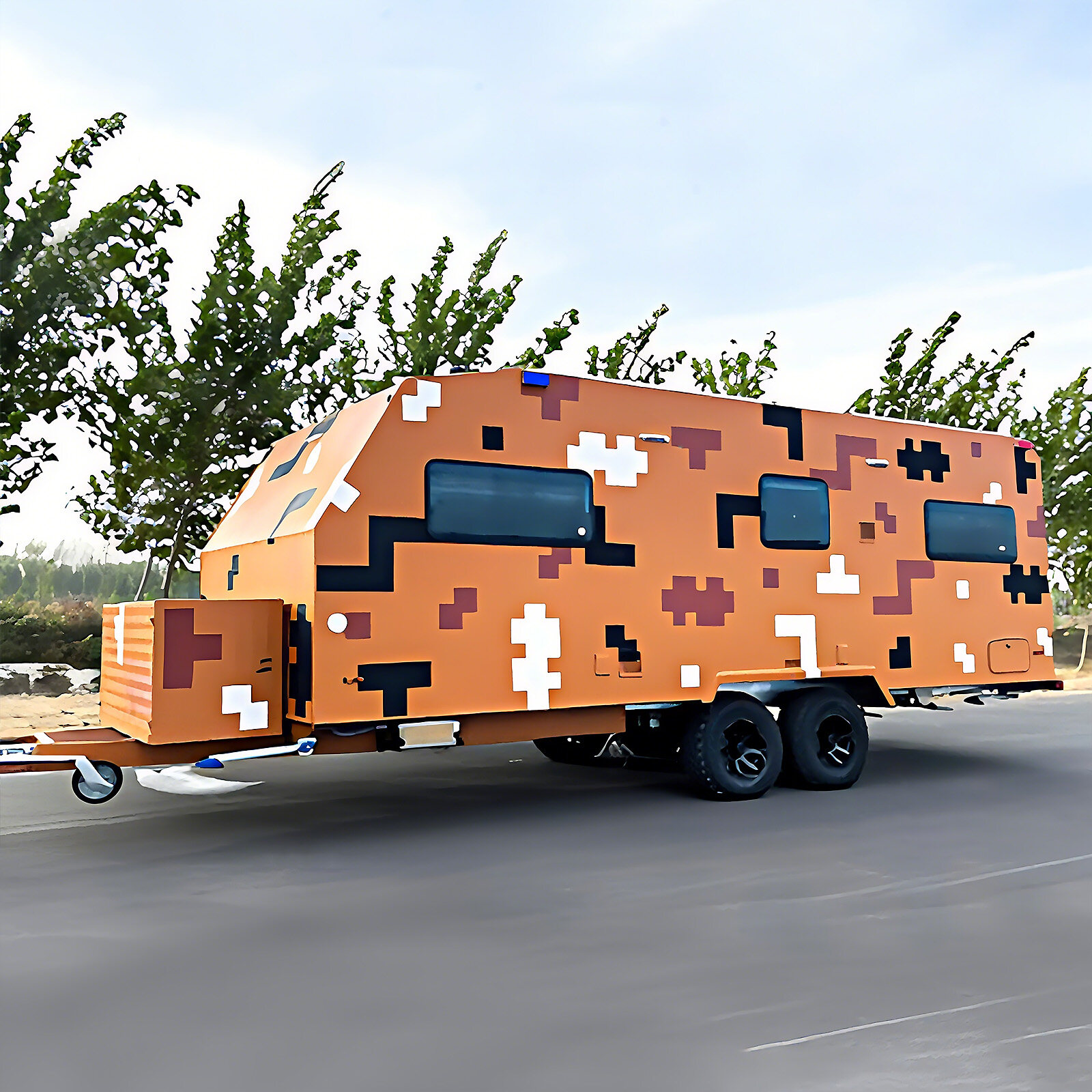
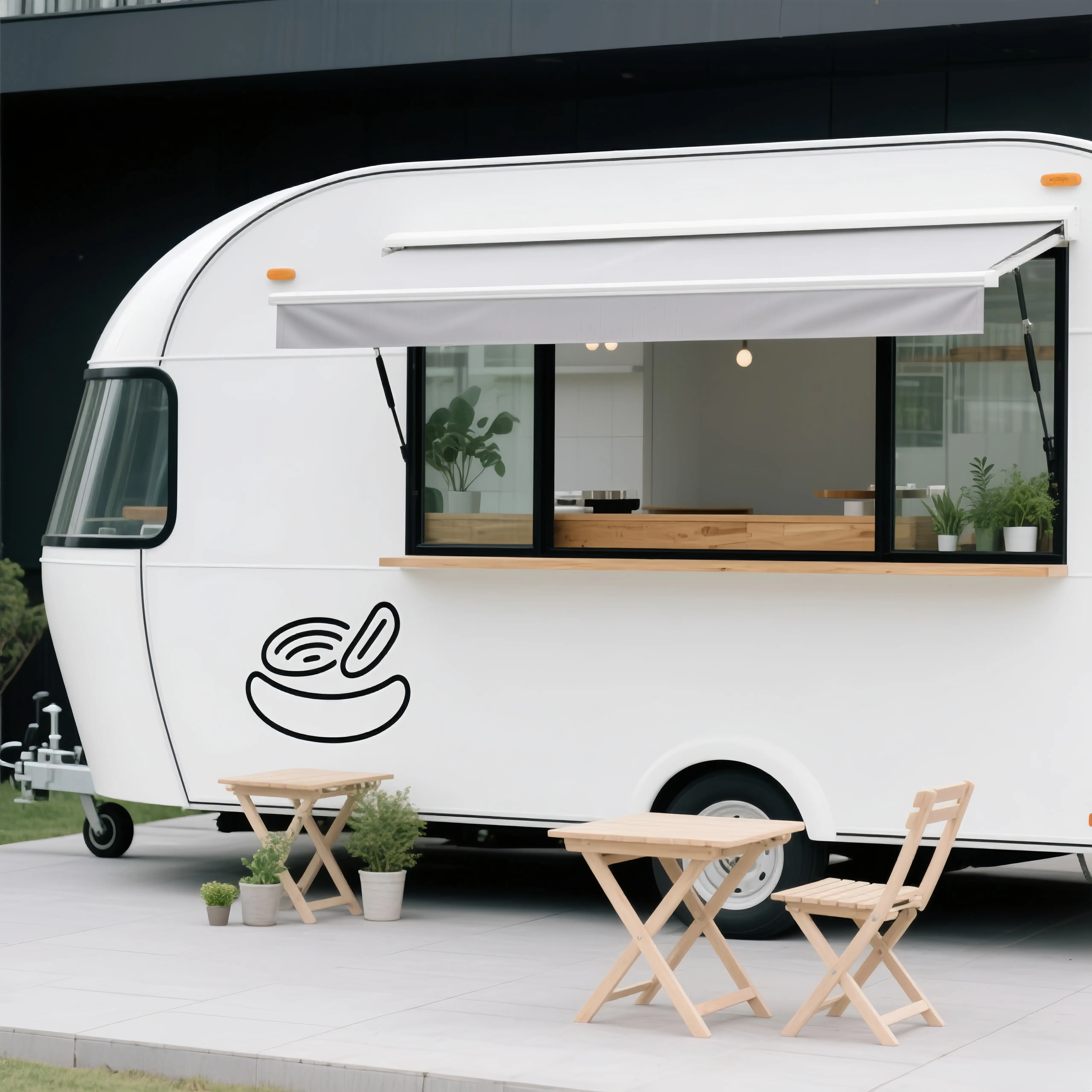

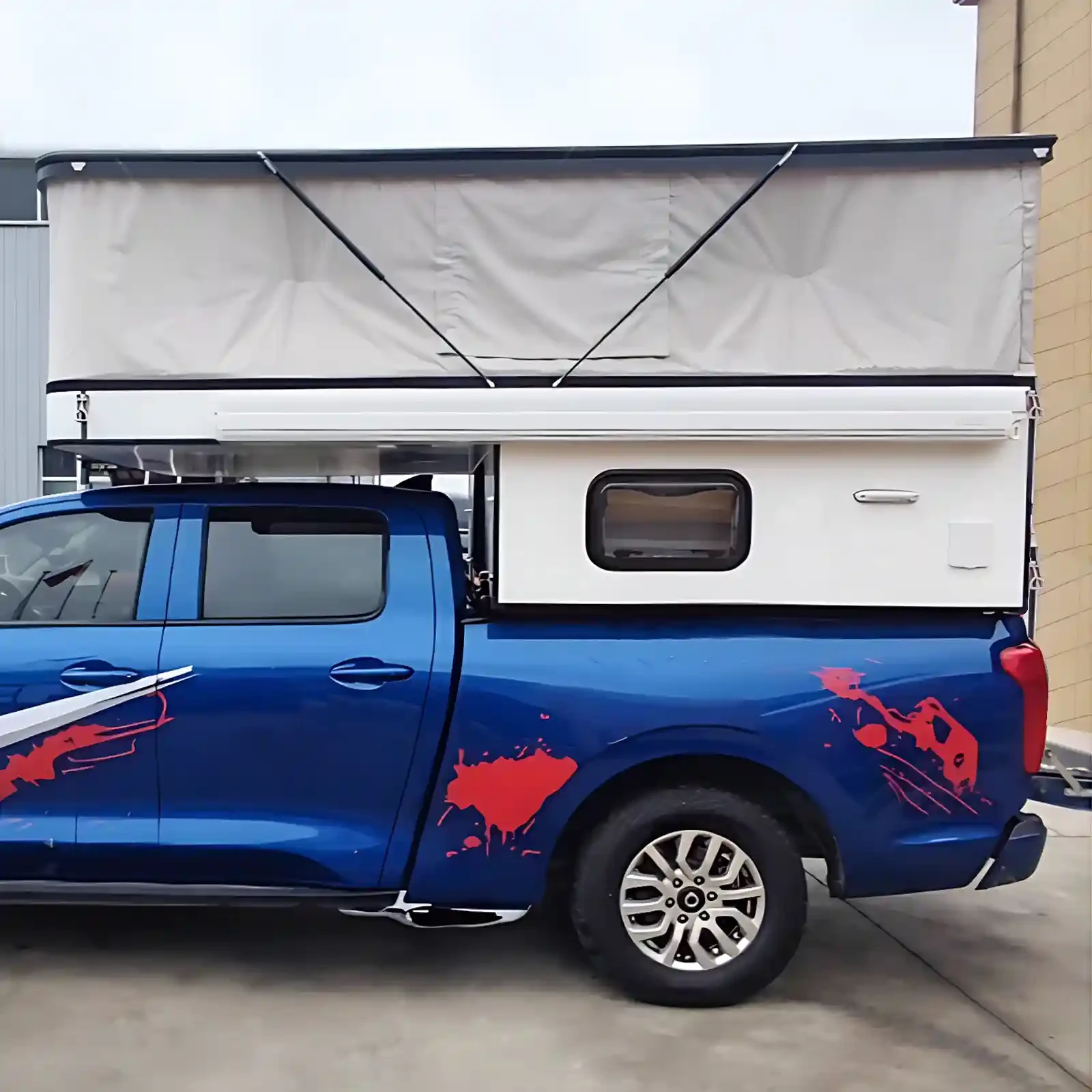
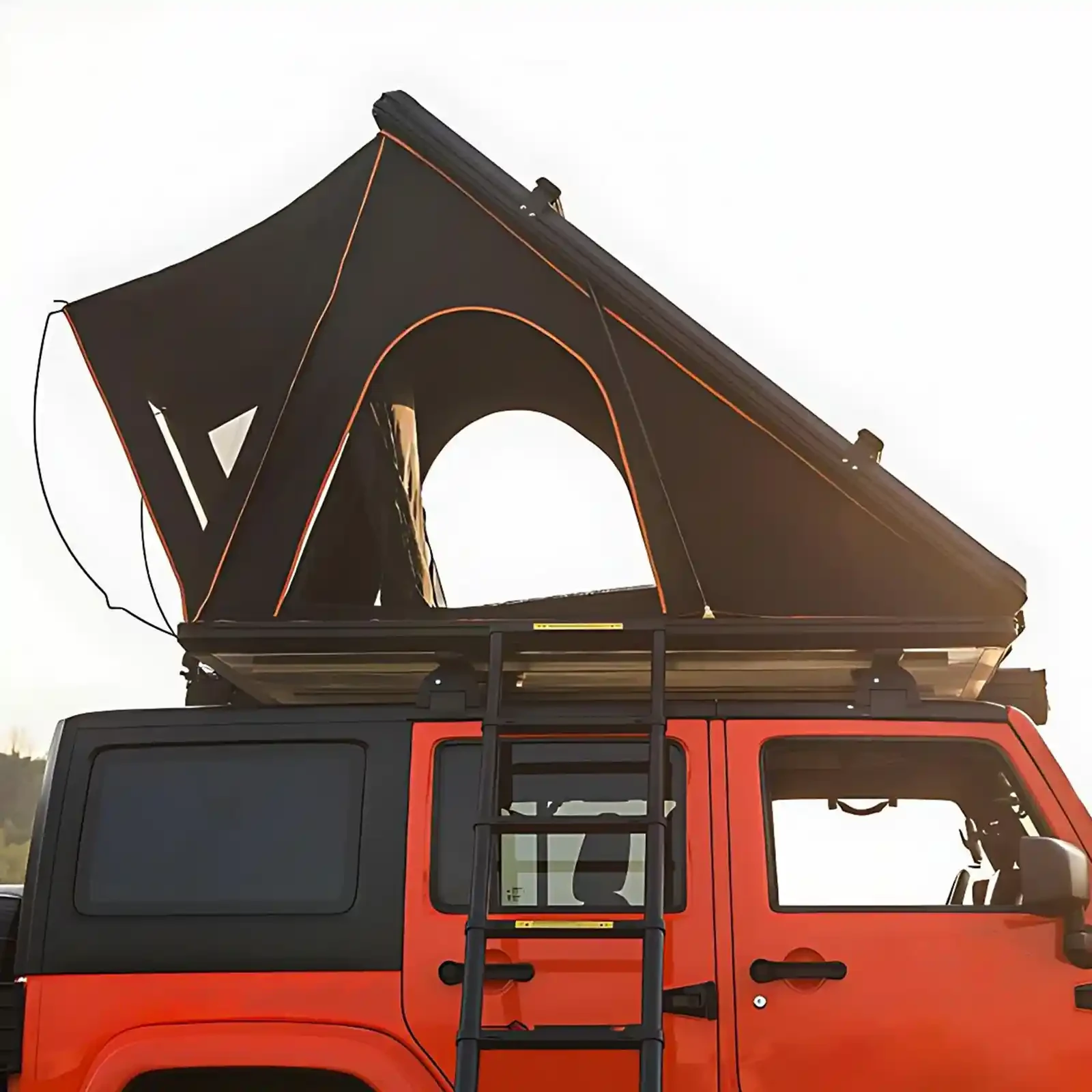
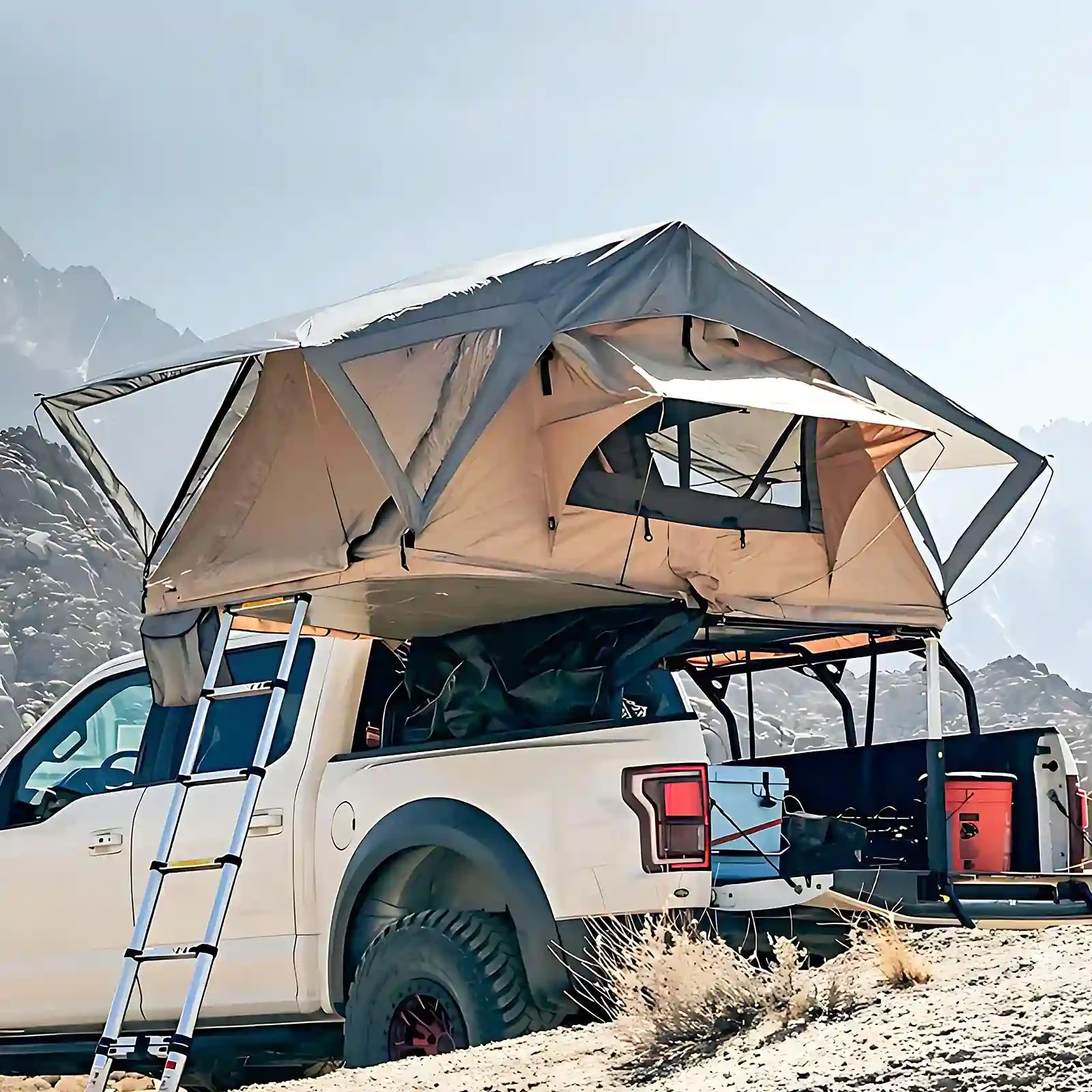


The housing scene has experienced an exquisite phenomenon over the past years, and more people are opting to find sustainable and less expensive options to conventional houses that take a long time to construct and cost a lot of money. Prefab tiny homes are a relatively new product that fuses architectural masterpiece and practicality, which provides a homeowner with a chance to live a minimalist lifestyle without sacrificing comfort and style. Such small houses are a radical change in the way we view residential areas, as they dispel traditional ideas regarding what a good home should be and show that square footage is not the most effective predictor of a good life. The increased popularity of these structures is a sign of evolving priorities of the new consumers, who consider flexibility, ecological awareness, and budget-consciousness more important than huge traditional houses.
Design brilliance and architectural superiority
The best current case of compact housing paradigm exhibits an outstanding design philosophy and craftsmanship, which maximizes every inch of the available space by incorporating ingenious storage systems, multi-purpose furniture, and open-space designs, which give the perception of roominess.
The architects and designers have transformed the industry with the introduction of modern style and functionality to the dwellings to make them attractive to most tastes, including minimalist Scandinavian, rustic farmhouse, and sleek industrial designs.
The detailing incorporated in these buildings shows that size constraints do not suppress creativity but can actually be creatively stimulating, making the houses look bigger and more comfortable than expected.
High-tech construction methods offer extensive customization options, giving homeowners the ability to tailor their living spaces to specific needs and preferences—including window placement, interior finishes, and exterior materials.
Sustainability and Environment
Prefab tiny homes are a big step towards living in an environmentally friendly way, since such houses usually use fewer natural resources to be built, save on energy for heating, air-conditioning, and general maintenance throughout the years in operation.
The nature of a lower environmental footprint goes beyond the parameters of energy use to encompass minimized water use, reduced waste generation, and carbon emissions as compared to the traditional housing alternatives.
Most manufacturers include recycled materials like reclaimed wood, recycled metal, sustainable bamboo, and low-VOC paints that help improve the health of indoor air and decrease environmental impact.
The small size inherently encourages occupants to be more conscious of their consumption habits, prompting them to avoid needless purchases and prioritize essential items that offer utility or add real value to daily life.
Monetary Benefits and Economic Availability
The price component is one of the strongest arguments in favor of prefab tiny homes because these structures are usually much cheaper than an ordinary house, but provide people or couples with the same level of comfort and utility at the cost of reduced spending on a home.
Lower buying costs mean less mortgage payment or the option of owning without long-term debt that would otherwise tie up finances and allow the individual to spend on other needs like travelling, education, saving towards retirement, or other entrepreneurial projects.
The constant financial commitment, such as a home tax, insurance cover, utility, and maintenance costs, is still considerably lower compared to traditional houses, and occupants can afford a better lifestyle with less financial strain.
The affordability of these buildings has enabled the demographics that were in the past unable to afford the usual real estate to own homes, such as young professionals, retirees who are on fixed incomes, and people who want financial freedom.
Adaptability and Lifestyle Adaptability
Prefab tiny homes provide unprecedented flexibility that perfectly matches the modern-day way of life that is marked by mobility, the ability to work remotely, and a constantly evolving personal situation that might necessitate transition or a lifestyle change.
Most of these houses are easily transported to new premises or other geographical areas with relative ease compared to traditional houses, and this gives the homeowners the freedom to explore new surroundings without leaving their cozy living conditions.
The flexibility is also applicable in other applications other than the major dwellings, such as guest houses where family members visit, rental income homes, home offices where telecommuters work, or even artistic workshops or retreats in beautiful places. This flexibility makes them elegant investments that would keep up with changing life situations and would not be rendered redundant or irrelevant as demands vary with time.
Durability and Excellence standards of construction
Although prefab tiny homes are designed to be small, they are built with high-end materials and intensive production methods that can withstand the weight and be weatherproof, as well as have a long-term service life equal to or exceeding that of conventional building methods.
The controlled environment provided by factories permits accurate measurements, quality control, and safeguarding against weather-induced delays, which can be a significant problem in traditional building projects, leading to high-quality craftsmanship and limited construction defects.
These buildings are well inspected and meet building codes and safety requirements, and this gives homeowners comfort in their investment as well as assurance of their security that the building will not collapse.
These homes are resistant to many climatic conditions as well as withstand the nature of their roofing material, weather-resistant siding, quality windows, and other advanced insulation mechanisms that allow these homes to remain tight even during the change of seasons.
Recommendation
Magespais is an expert company specializing in space capsule houses, which seamlessly blend novel design solutions, sustainable practices, and comfortable living conditions for clients seeking truly unique residential options. This is achieved by Magespais, who believe in quality workmanship and customer satisfaction by providing all the necessary services which would take them through the entire process of compact living, starting with the design consultation, to the installation, and after-sales.