
 USD
USD GBP
GBP
 EUR
EUR
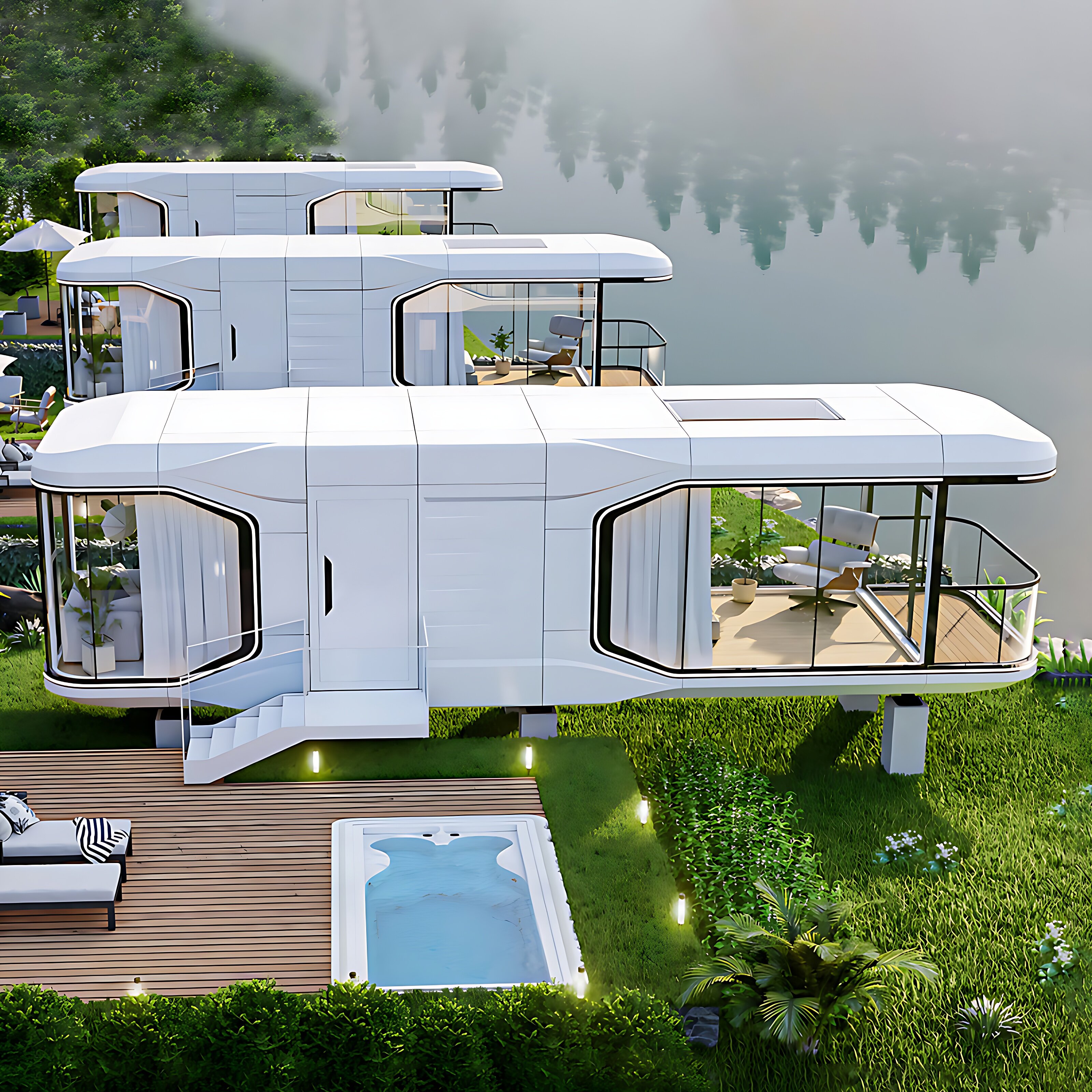
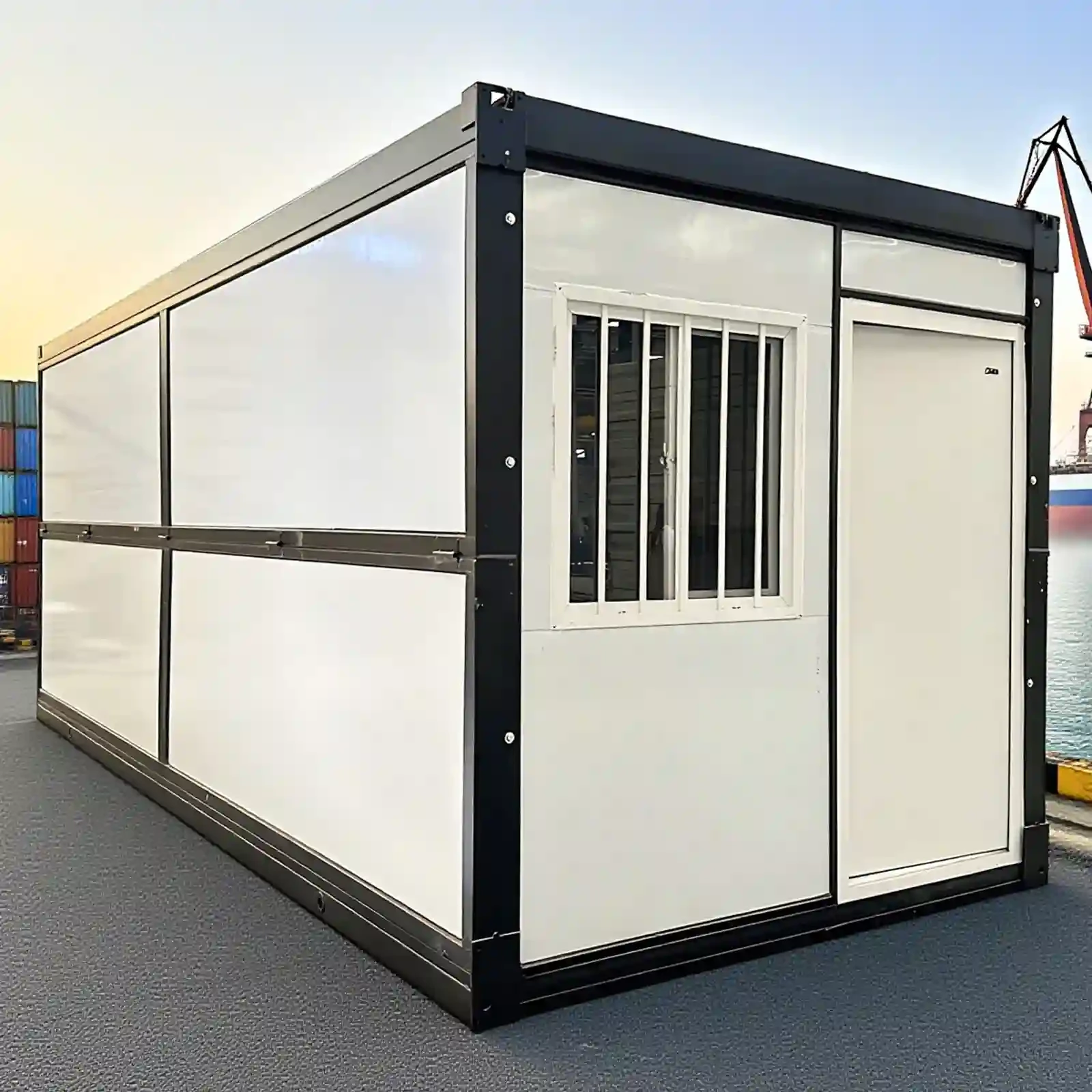
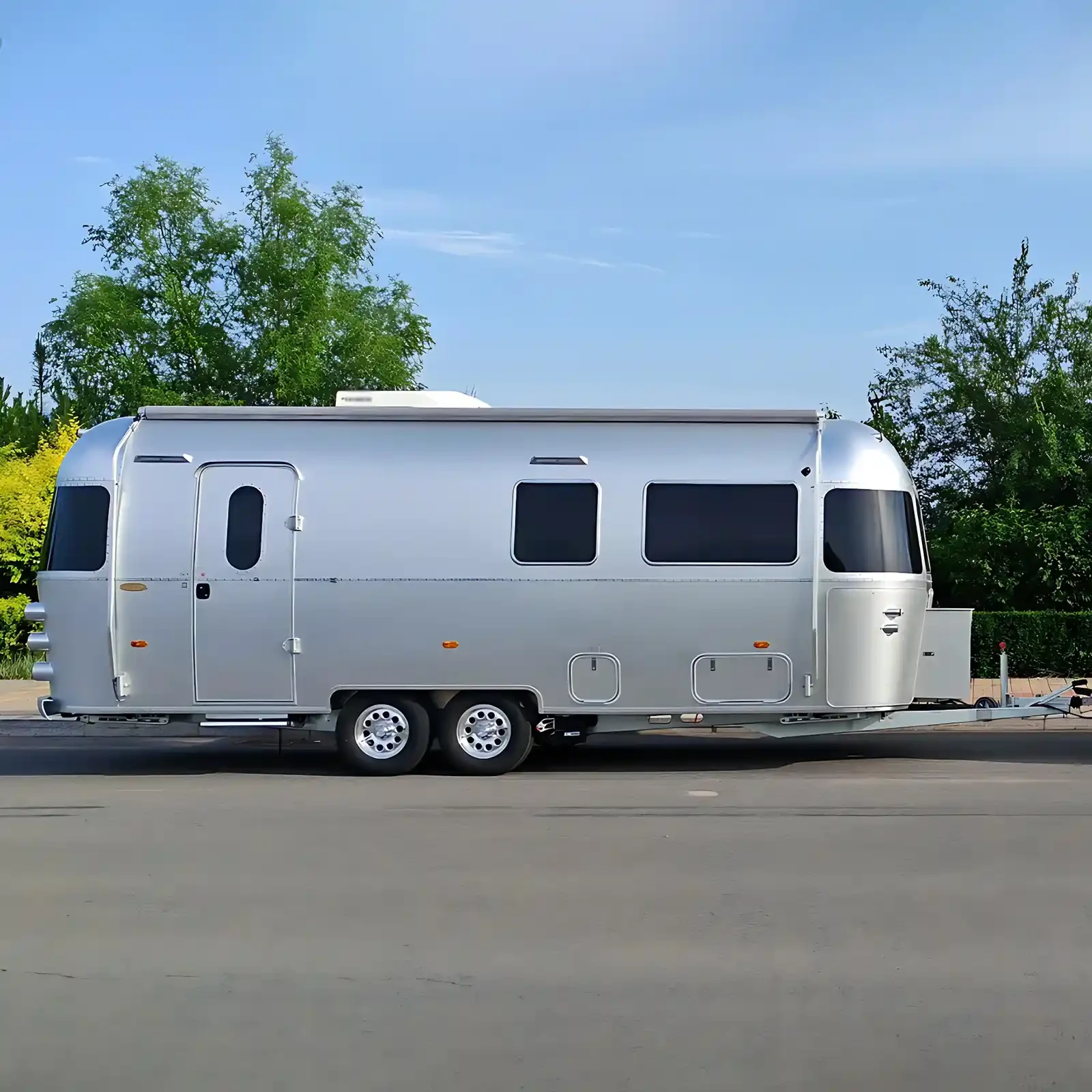
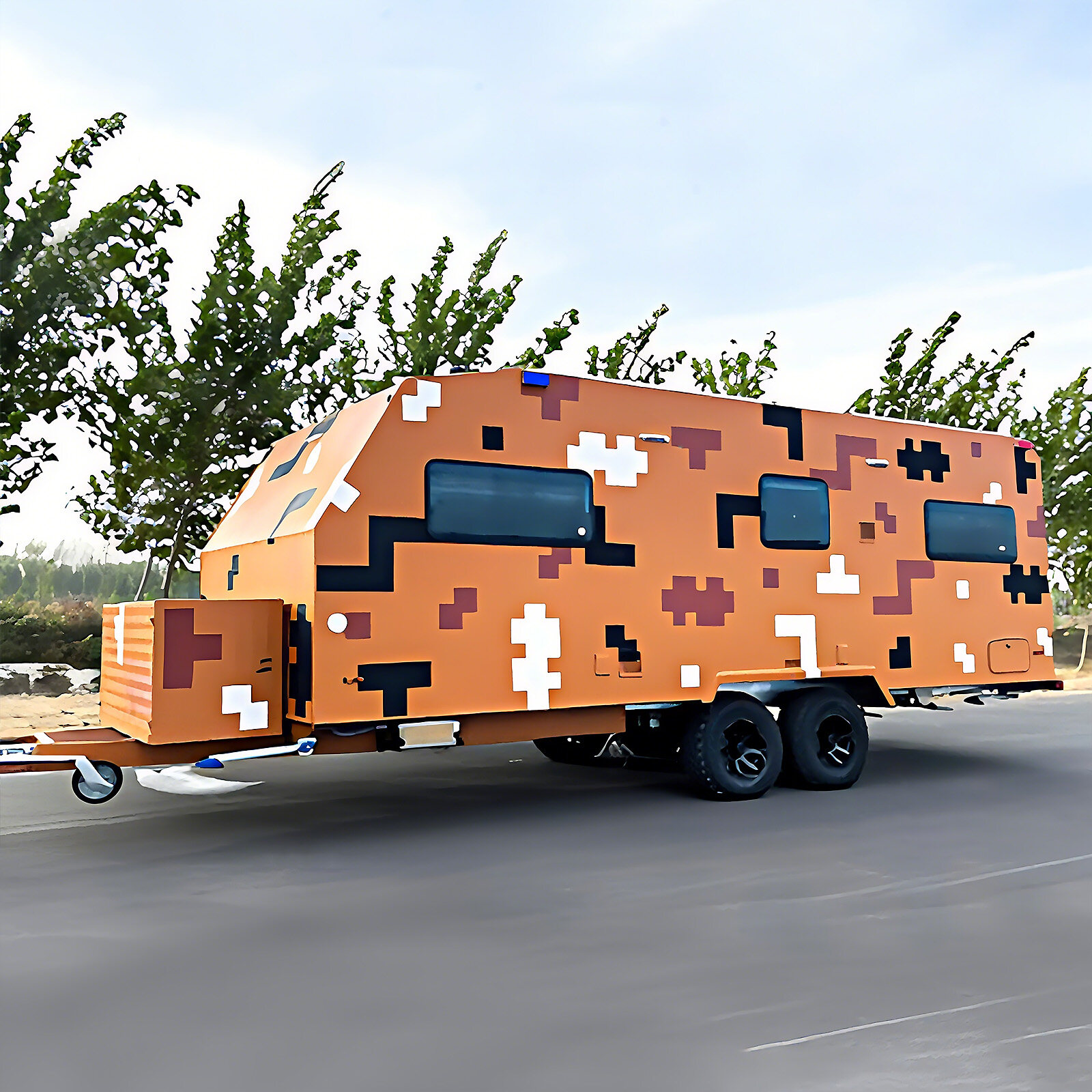
Are light steel villas suitable for building in both the south and the north?
While light steel villas are popular abroad, they have gradually gained popularity in China in recent years. So, can light steel villas adapt to my country's environment and climate?
Due to differences in environment and climate, the housing needs of northerners and southerners differ significantly. The emergence of light steel villas has somewhat eased this north-south divide. But are light steel villas really that versatile, able to adapt to both the humid south and the dry north?
The main body is rust-proof and moisture-proof.
Cold-formed thin-walled light steel keel does not change color when exposed to light for extended periods. However, if exposed to chemical corrosion, a physical reaction occurs on the surface, forming an aluminum protective film. This film separates the external chemicals from the keel, protecting the main material and preventing rust. Cold-formed thin-walled light steel structures offer a range of advantages, including light weight, factory production, short construction periods, strong earthquake resistance, rapid investment recovery, and low environmental pollution. Compared to reinforced concrete structures, they possess unique advantages in terms of height, size, and lightness. Globally, especially in developed countries, cold-formed thin-walled light steel structures are widely and rationally applied in the construction industry.
Clever tricks for wall insulation
Wall structure: There are four types: exterior wall panels, interior wall panels, partition walls, and insulated blocks. Different wall structures can be combined to suit different regional climates and temperatures. In cold regions, composite walls that provide both insulation and heat protection are used, ensuring that indoor heat is not absorbed or leaked through the walls, achieving energy savings of up to 70%. This means that only one-third of the energy consumption of ordinary buildings is needed to meet indoor insulation requirements. In hot regions, composite walls are constructed using exterior wall panels with hollow convection mechanisms, allowing solar radiation heat to be carried away by the airflow within the walls, thus maintaining a comfortable and cool indoor environment.
The roof structure has ingenious design
Designed using the principles of wall panels, it boasts high standards of thermal insulation, heat insulation, sound insulation, waterproofing, and moisture-proofing. It can also be customized to accommodate various complex shapes for different house designs.
Construction conditions are not limited
The on-site construction is prefabricated and completely dry, which can be carried out under various climatic conditions, and in most parts of my country, it can achieve uninterrupted construction throughout the year.
Construction process: Foundation construction - Steel structure main body - OSB board sealing - Roof waterproofing and decoration - Indoor circuit and water system laying - Exterior wall breathable paper - Extruded polystyrene board - Exterior wall decorative board - Exterior wall paint - Indoor glass wool gypsum board laying - Interior decoration.