
 USD
USD GBP
GBP
 EUR
EUR

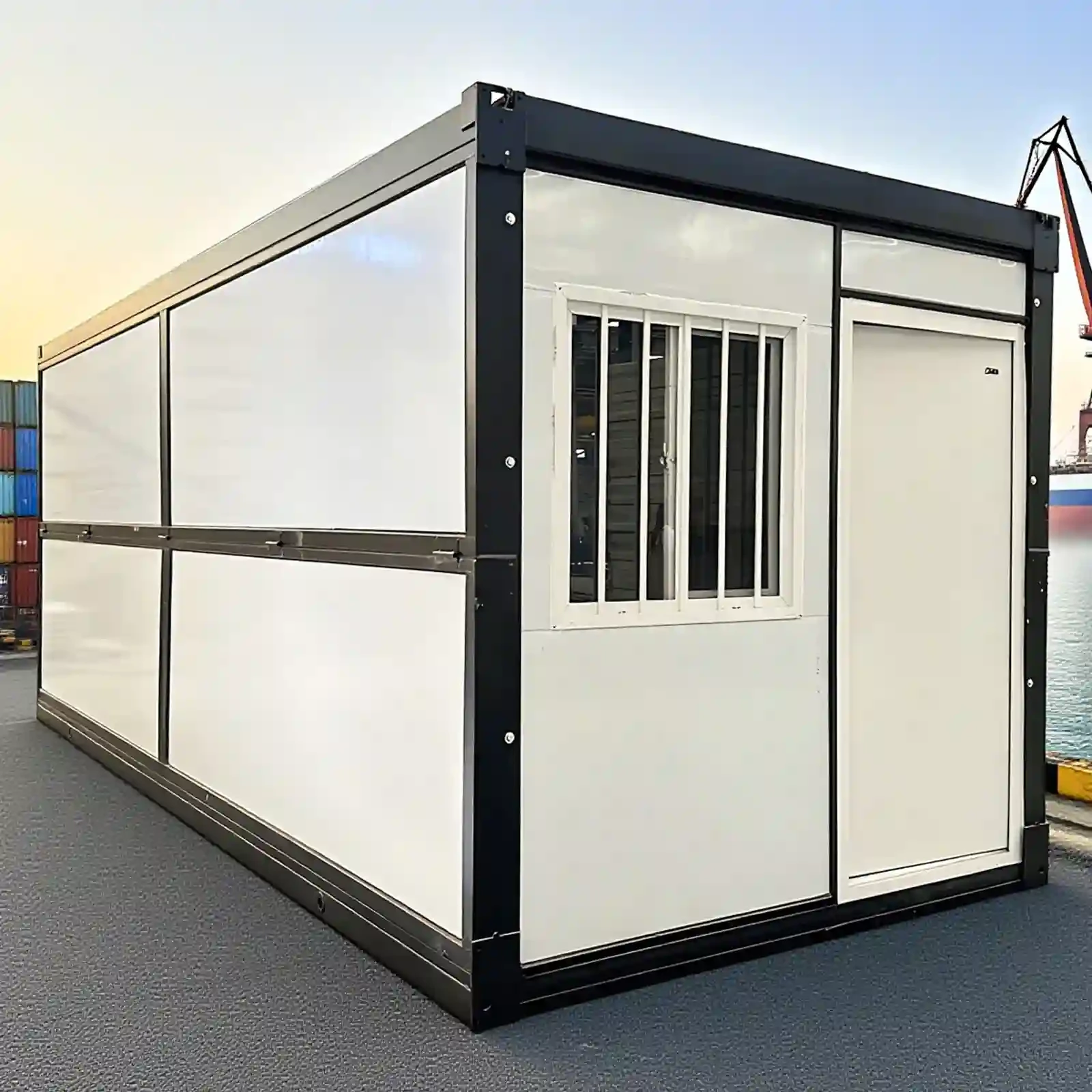
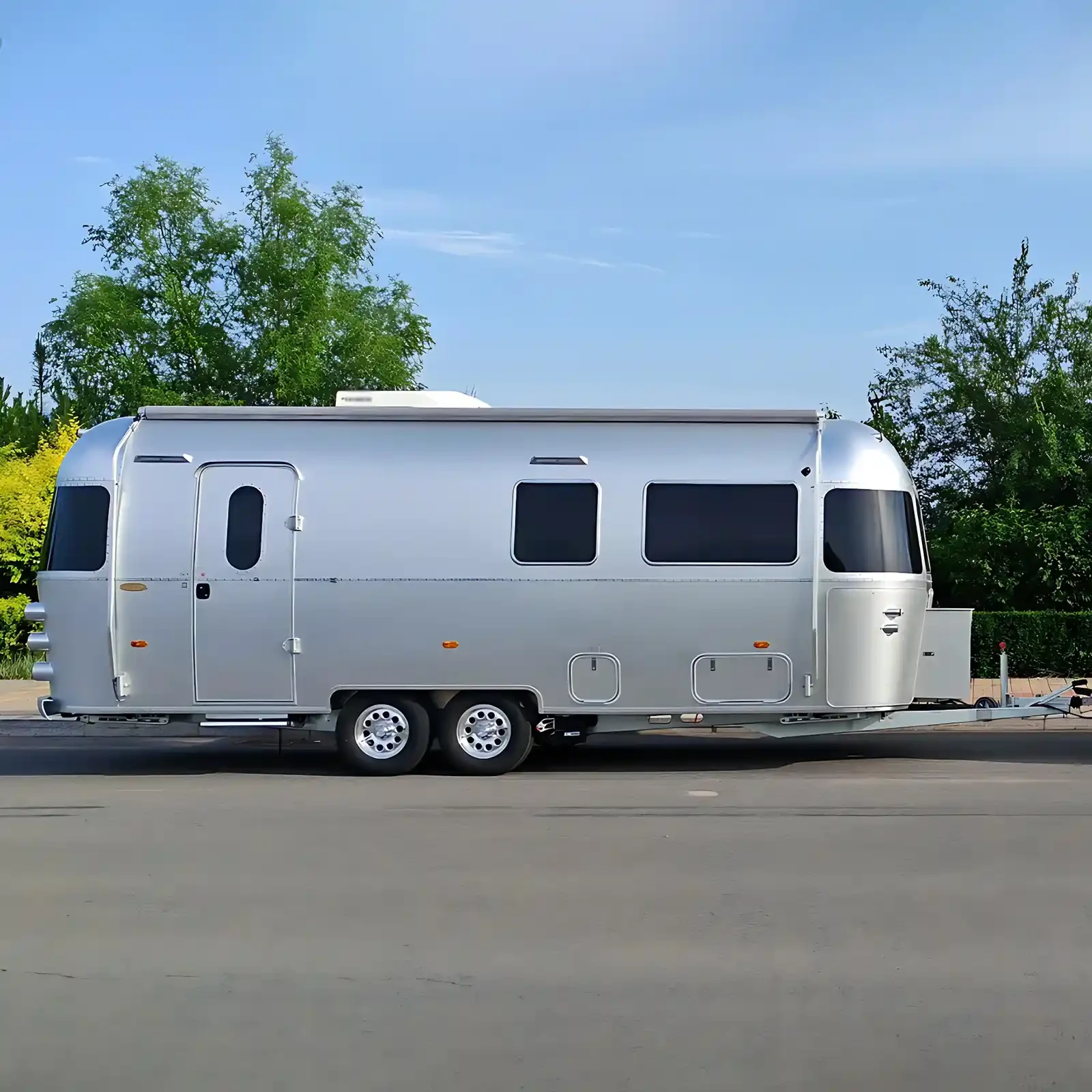
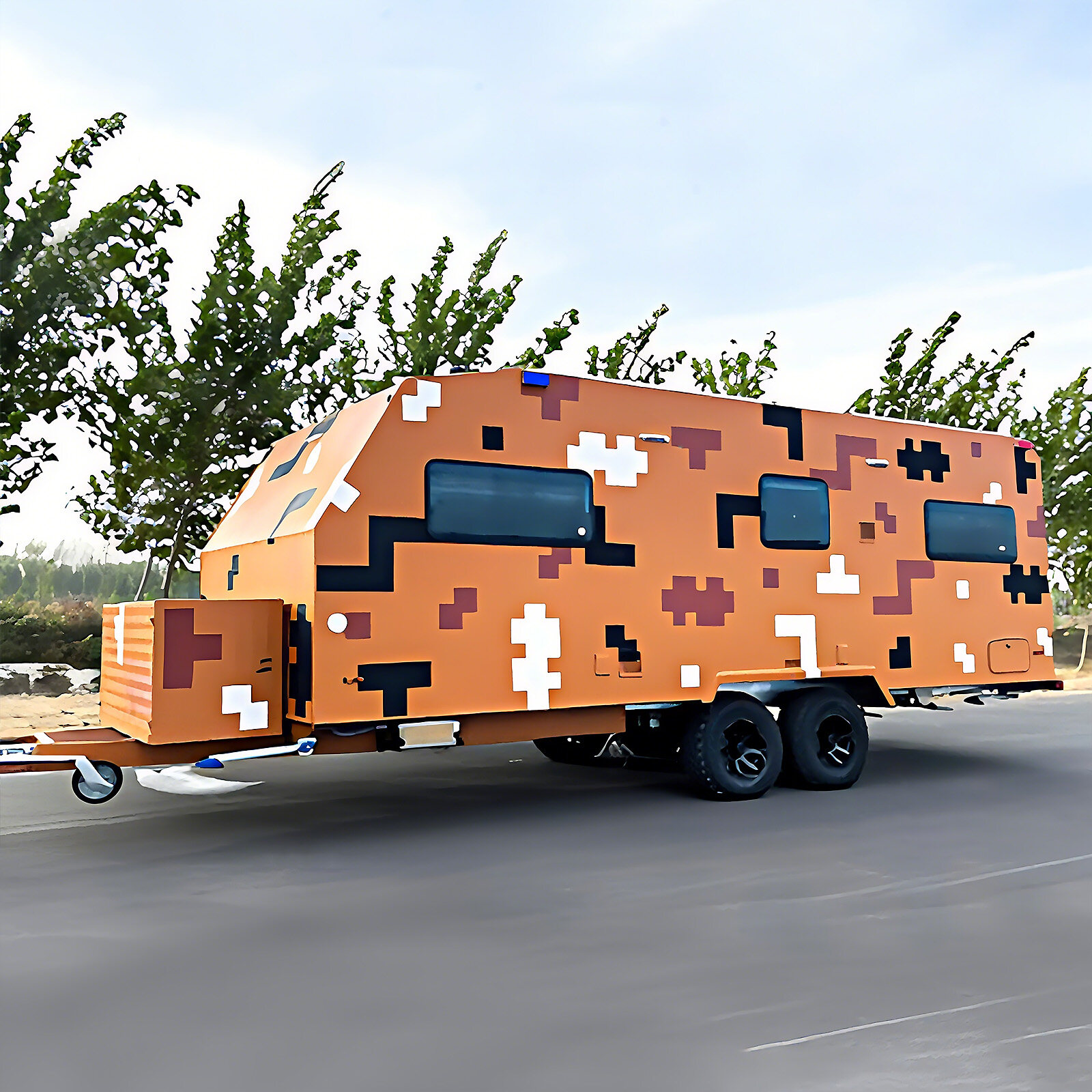


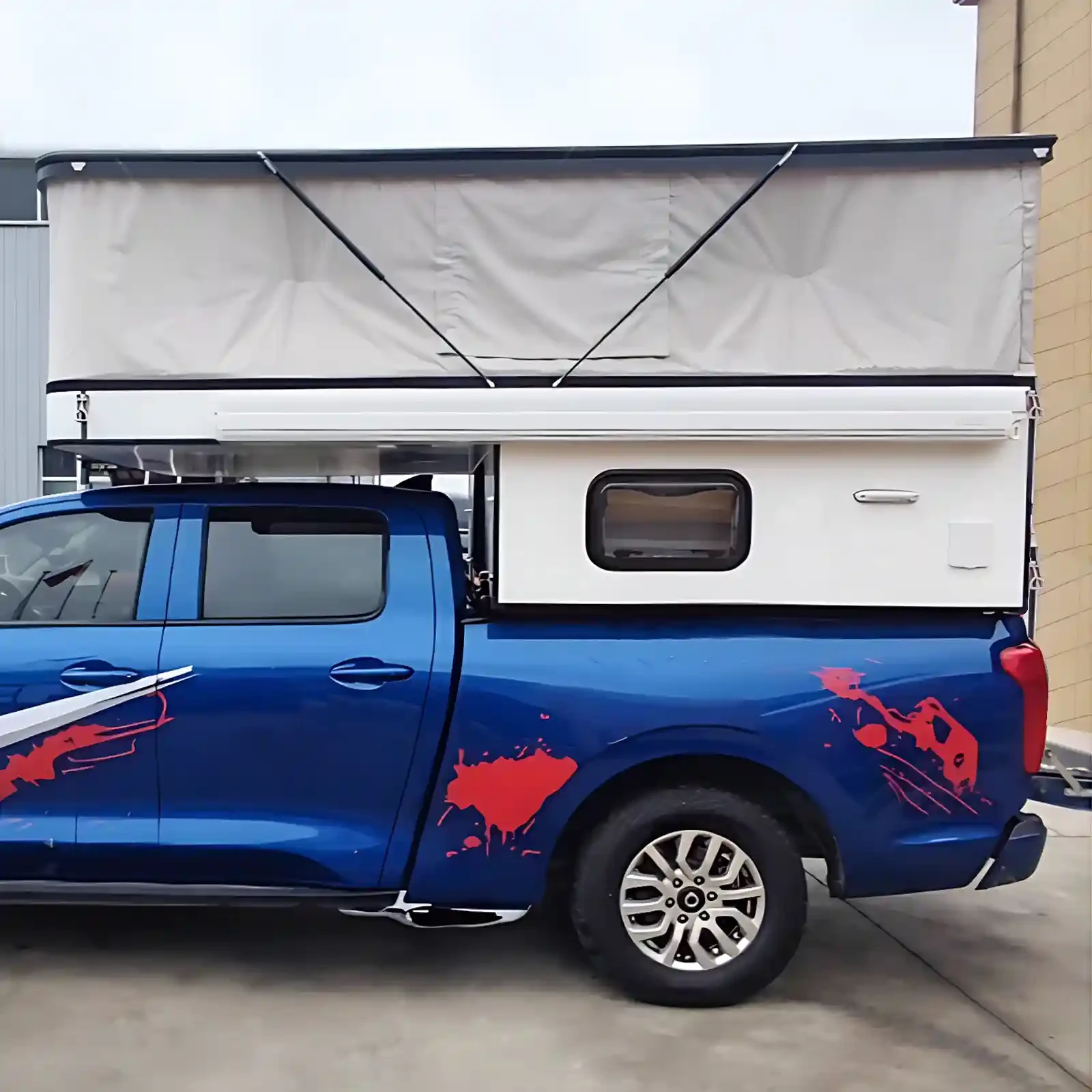


Cost control allows prefabricated house companies to achieve long-term development.
The purpose of prefabricated house companies in production and operation is to make a profit. Currently, most companies have small profits and find it difficult to expand rapidly. Without implementing low-cost operations, they will find it difficult to survive.
Funding is crucial for any business, as sufficient capital ensures a worry-free future. However, for a startup, while initial funding may be plentiful, cost control is essential for long-term growth, preventing panic when facing financial difficulties.
The goal of cost control is to continuously reduce costs and obtain greater profits. When setting target costs, prefabricated housing companies should consider their profit objectives as well as competitive selling prices. Because costs are comprised of expenses throughout the entire production process, occurring at every stage and in every activity, target costs must be broken down layer by layer to each department and even individual. For many years, the company has strictly controlled costs at every stage, enabling it to grow stronger and better.
The operation of funds should achieve " one flexibility, two speeds, and three savings . " We must strengthen the management of existing funds, optimize fund allocation, and rationally arrange operations, investments, and financing based on fund inflows and outflows, striving to improve the time value of money and its efficiency. We must strictly control funds for construction projects, while establishing a tracking and management mechanism for key project investments to ensure that the timing and milestones of fund investments match the total amount of funds and the investment structure. We must focus on strengthening debt management, adhering to the principle of " replacing short-term debt with long-term debt and high-interest debt with low-interest debt , " further reducing the interest-bearing debt ratio and financial expenses.
Strategic layout refers to a company's comprehensive planning and arrangement of its main business segments, geographical distribution, and economic deployment. In economics, it means having a reasonable and long-term plan for the company's overall development; layout is the optimal allocation of resources in space. This requires companies to have the vision and awareness of strategic development and to leverage the coordinating and efficiency-enhancing functions of strategic layout.
In short, if a company wants to achieve long-term development in a highly competitive market, it needs to ensure sufficient funds and control operating costs in order to go further on the road to development.