
 USD
USD GBP
GBP
 EUR
EUR
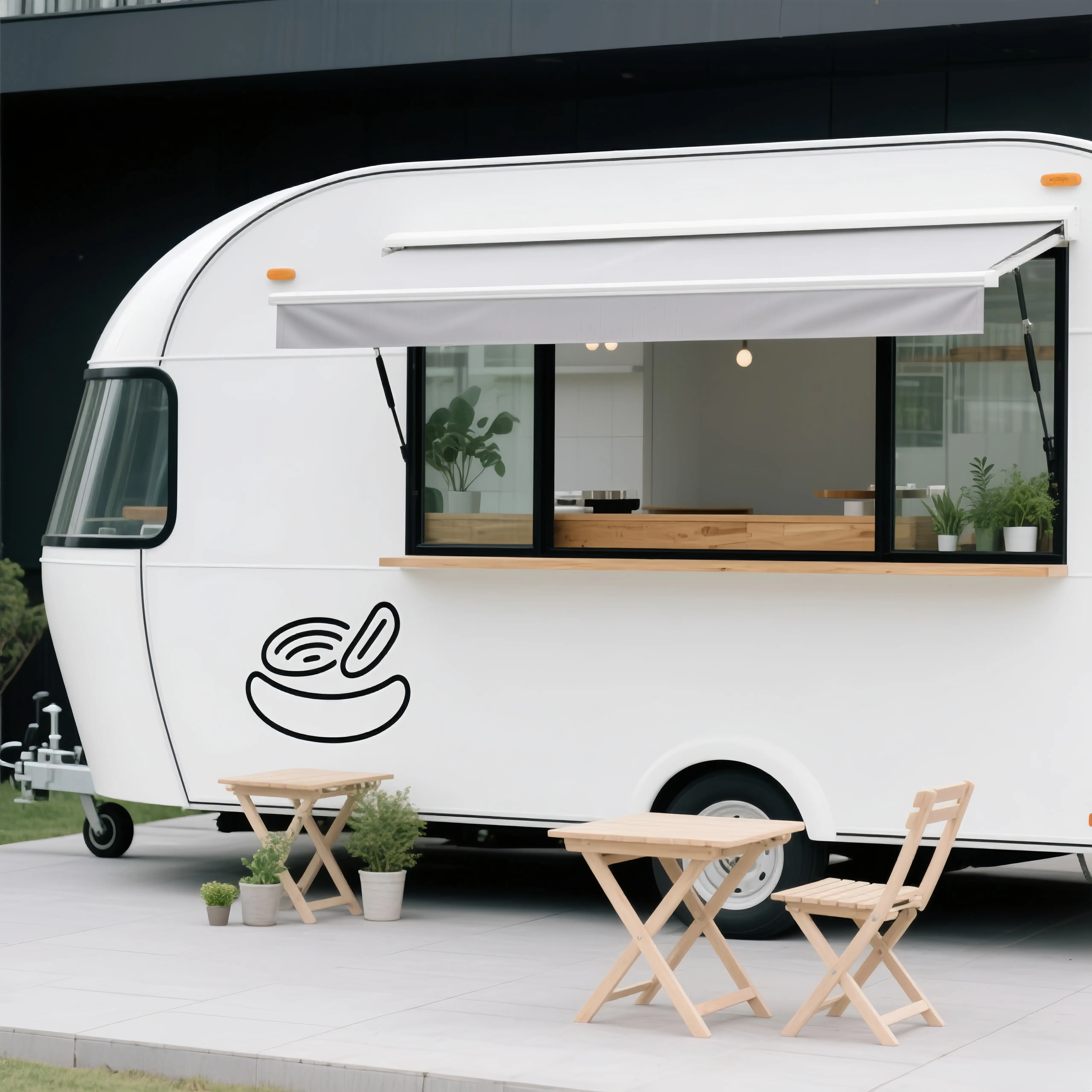
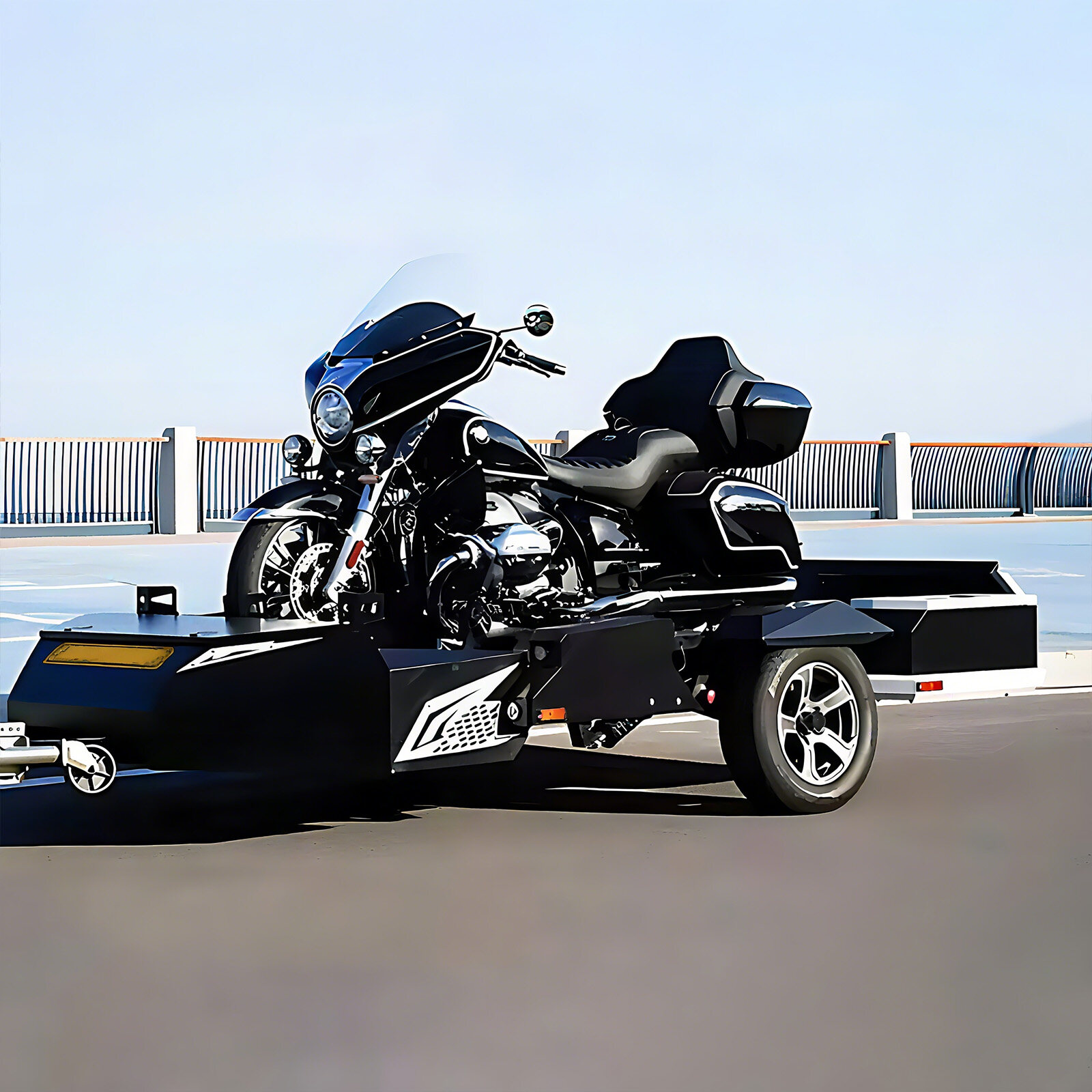
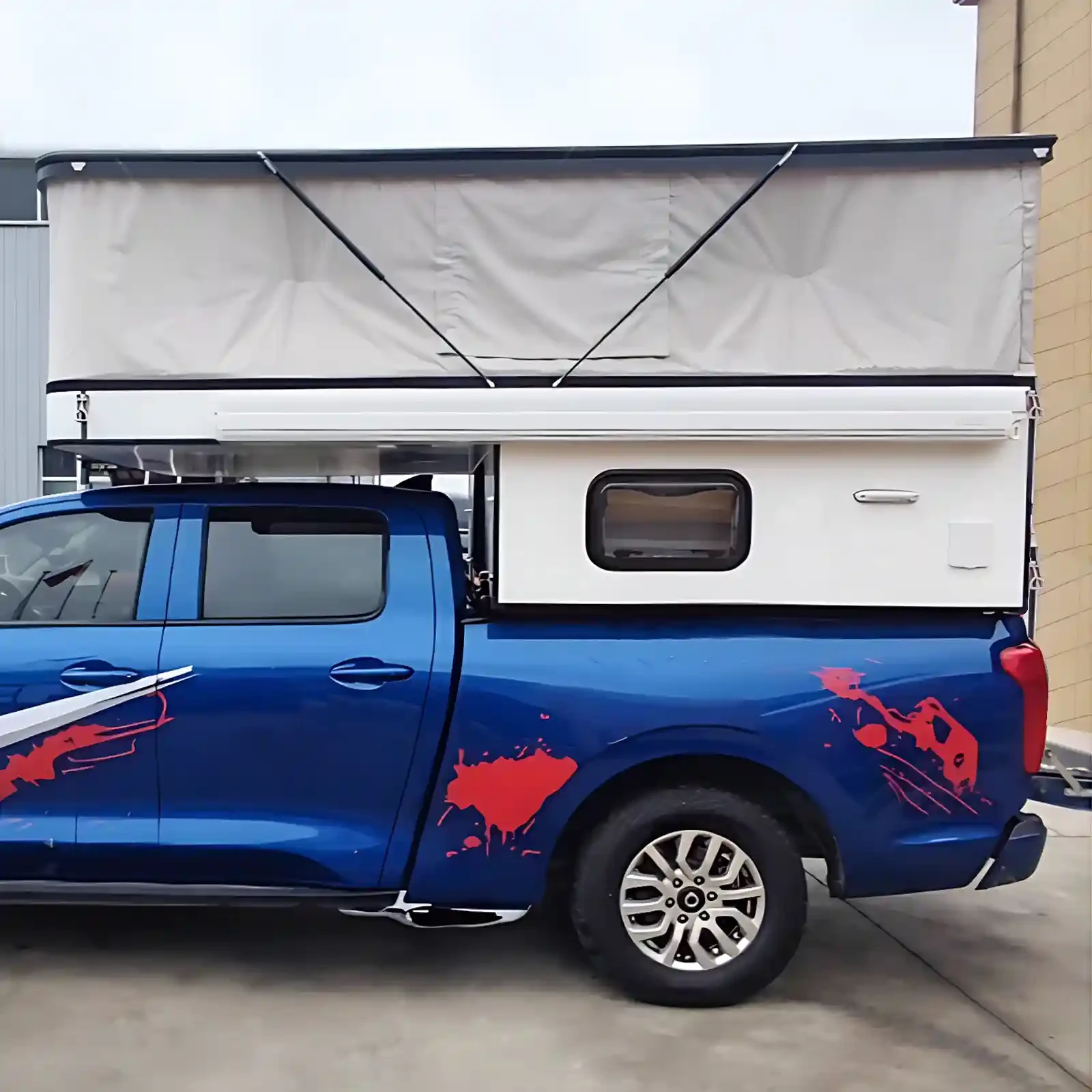
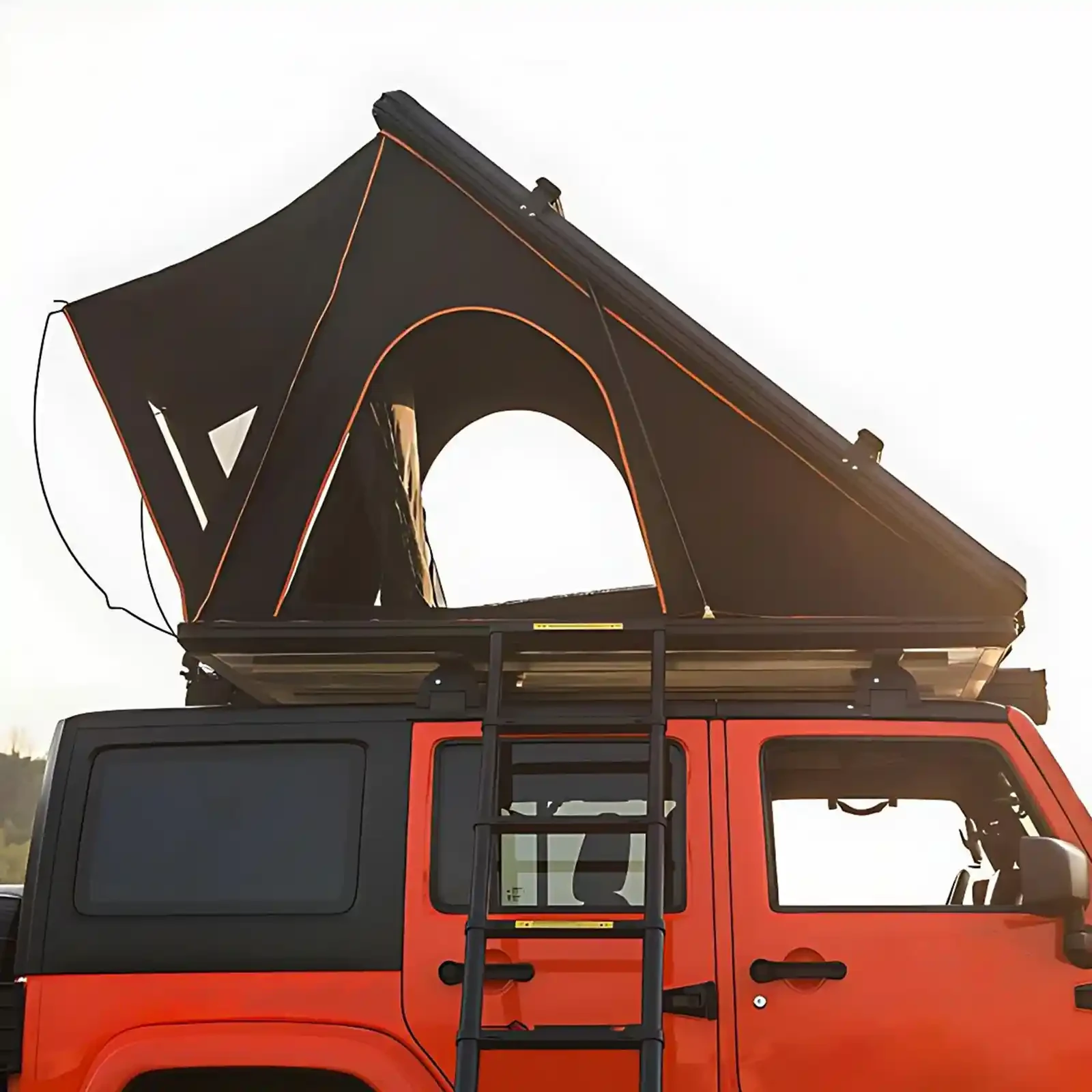
What are the benefits of prefabricated houses for cities?
With the continuous development of technology, prefabricated houses are becoming increasingly common in cities . So, what role do prefabricated houses play in urban construction ?
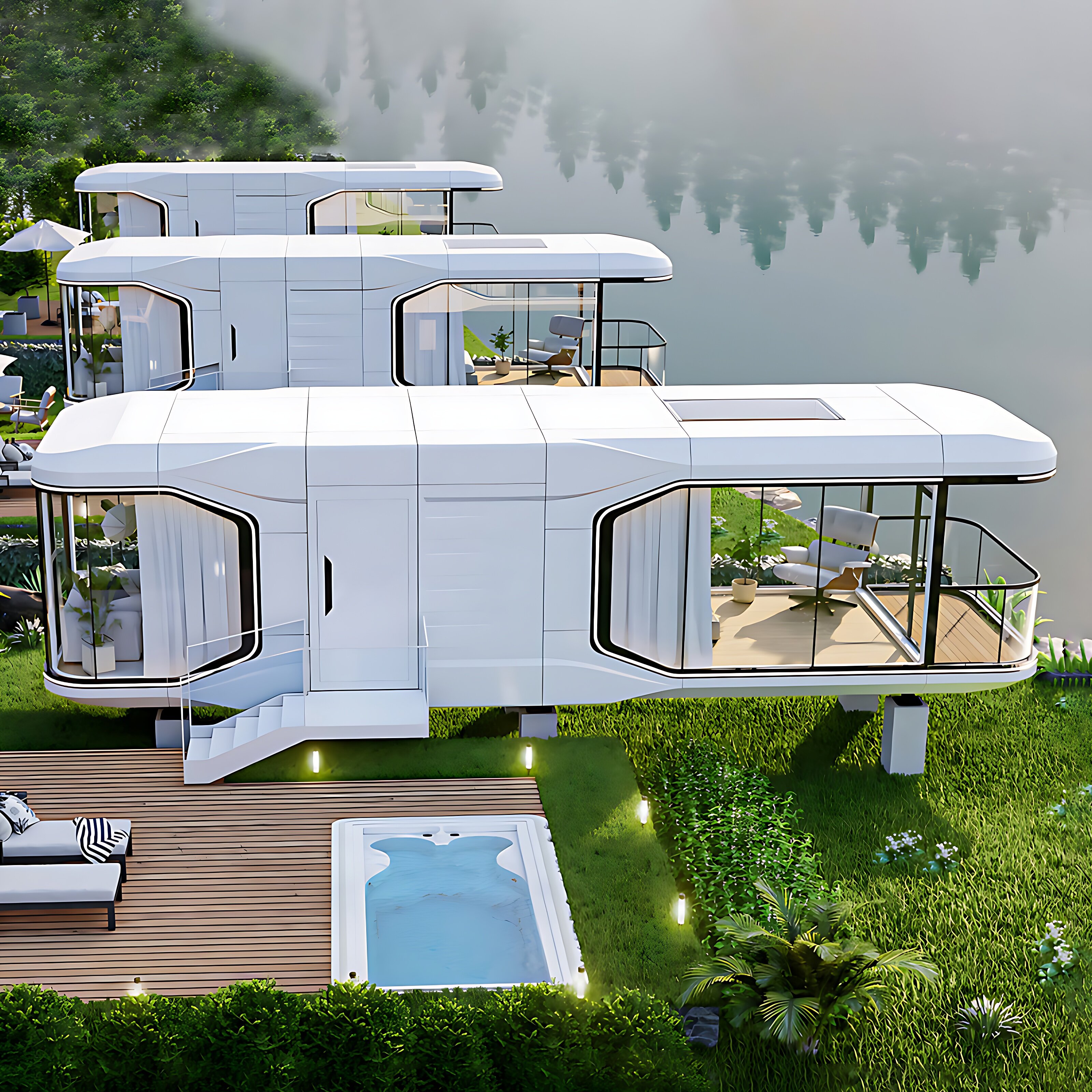
A city needs not only to be developed, but also to be aesthetically pleasing. Prefabricated houses are visually appealing and can be artistically assembled together-two or three at a time-to create balconies or villas, resulting in a beautiful appearance. The use of prefabricated houses has transformed messy construction sites into much neater ones, playing a significant role in improving the city's appearance. Previously, construction sites were chaotic, with haphazardly erected tents or other temporary housing for workers. Now, with the use of prefabricated houses , they have become more aesthetically pleasing.
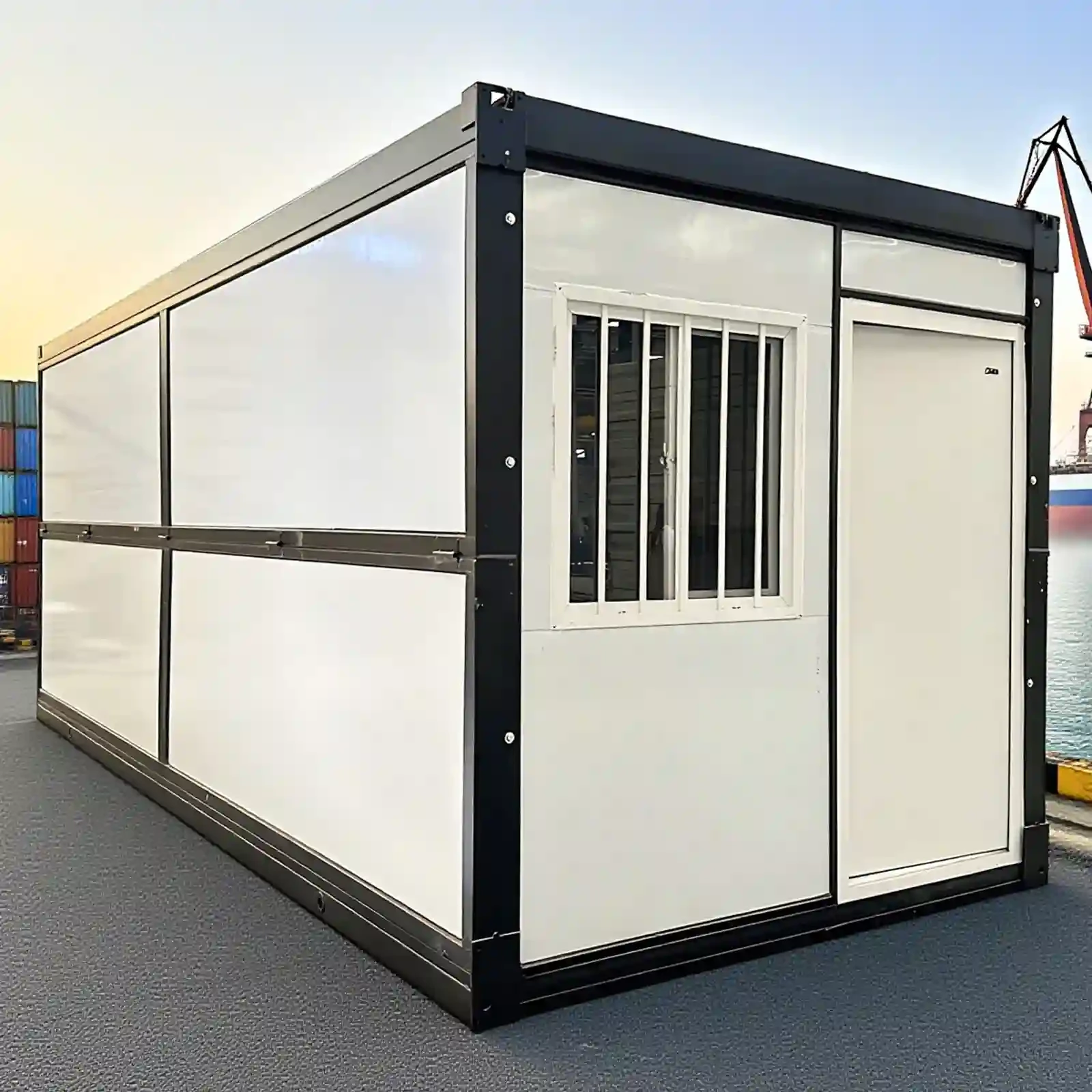
Prefabricated houses have a lifespan of at least 15 years, can be reused and moved without disassembly or reassembly, and there is no material loss. They can be immediately moved, either wholly or partially, to a new project, allowing for at least seven projects to be completed without repeated construction. This is more economical and efficient than repeatedly purchasing and building other temporary housing facilities.
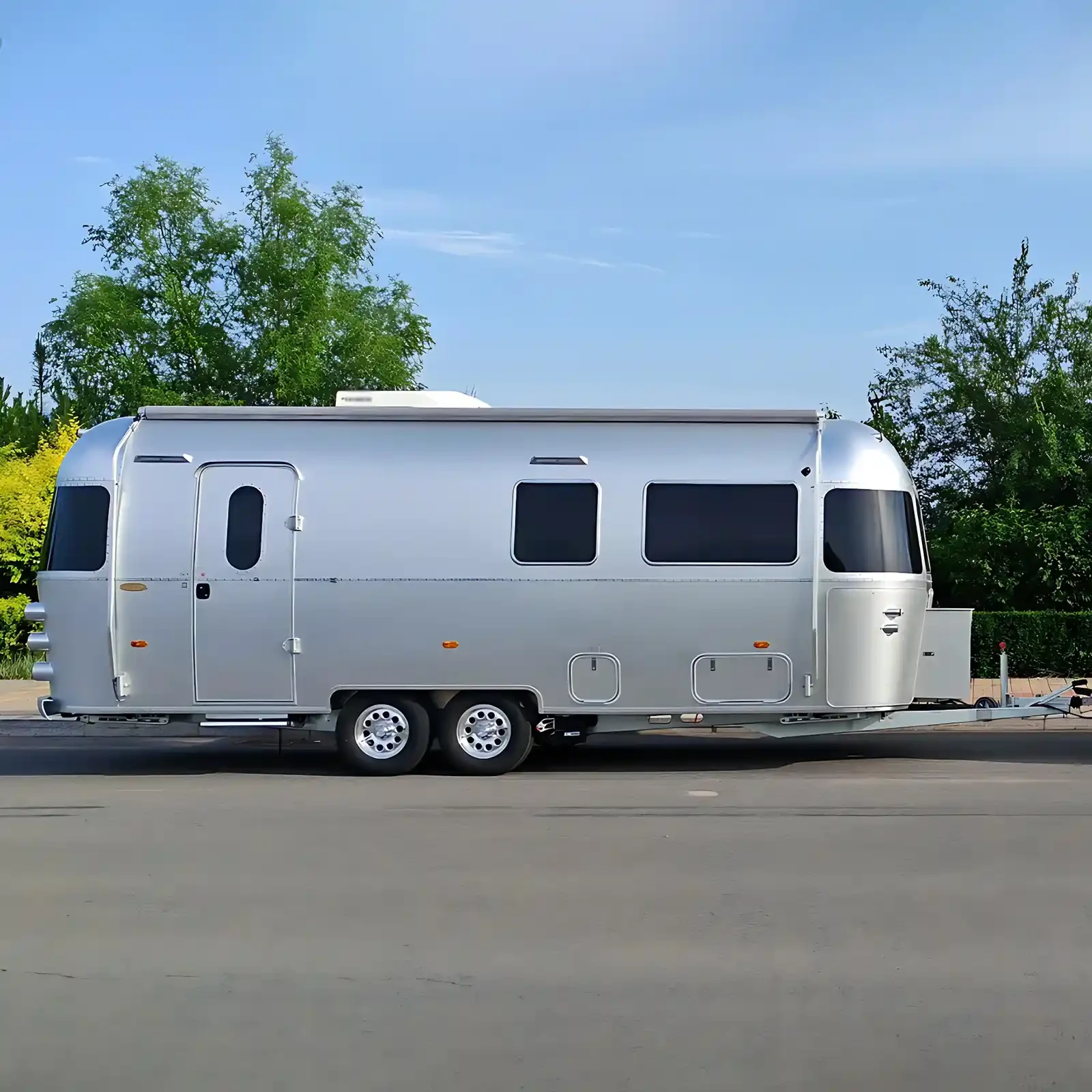
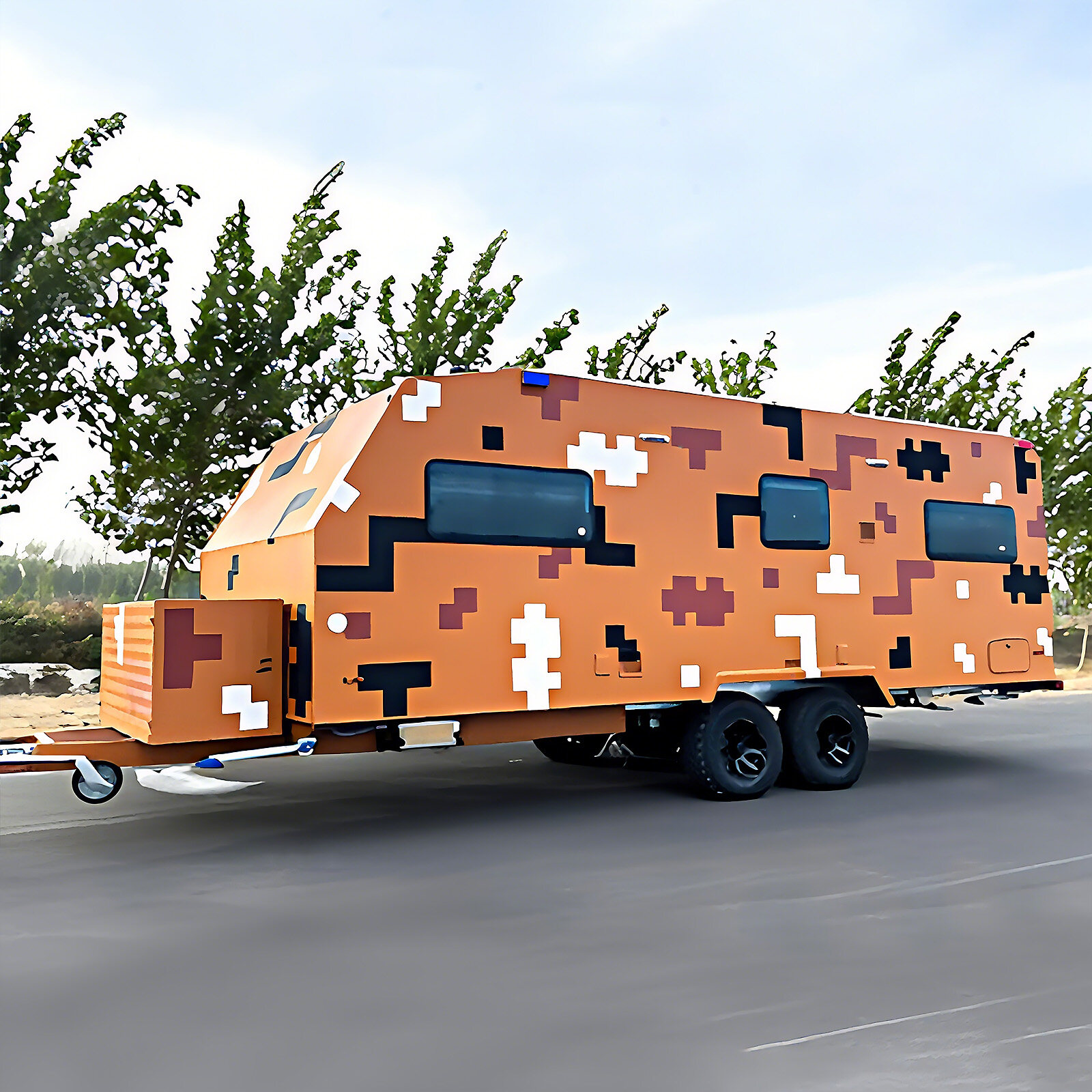
With economic development, cities are constantly building new buildings. Prefabricated houses can eliminate this clutter and create a more aesthetically pleasing environment. They are easy to transport, making them especially suitable for units that frequently change construction sites. Sturdy and durable, constructed entirely of steel, they possess strong earthquake and deformation resistance. Prefabricated houses also have excellent sealing performance; rigorous manufacturing processes ensure good water tightness.
Therefore, prefabricated houses play a very important role in urban construction, and their development is beneficial to urban development.