
 USD
USD GBP
GBP
 EUR
EUR
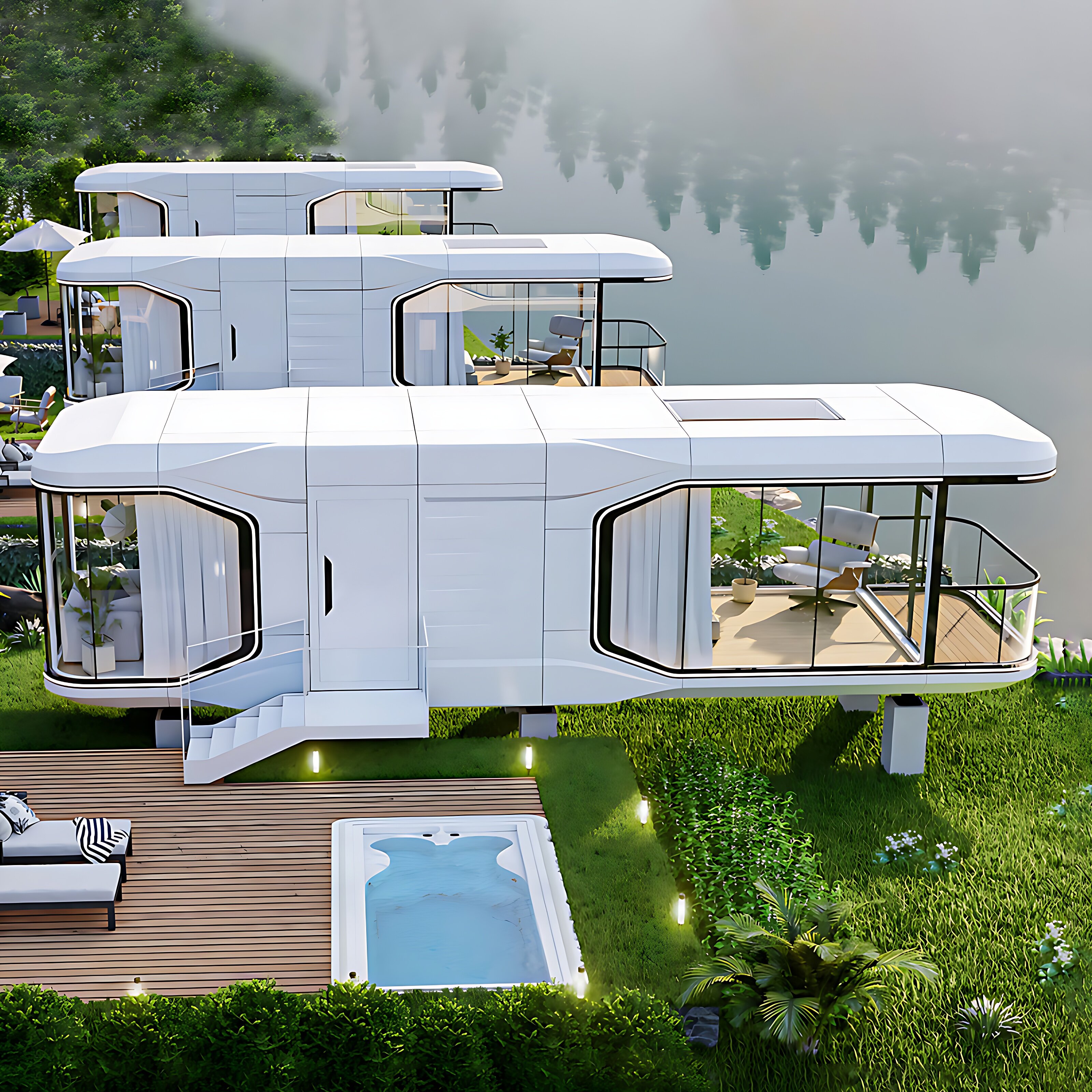
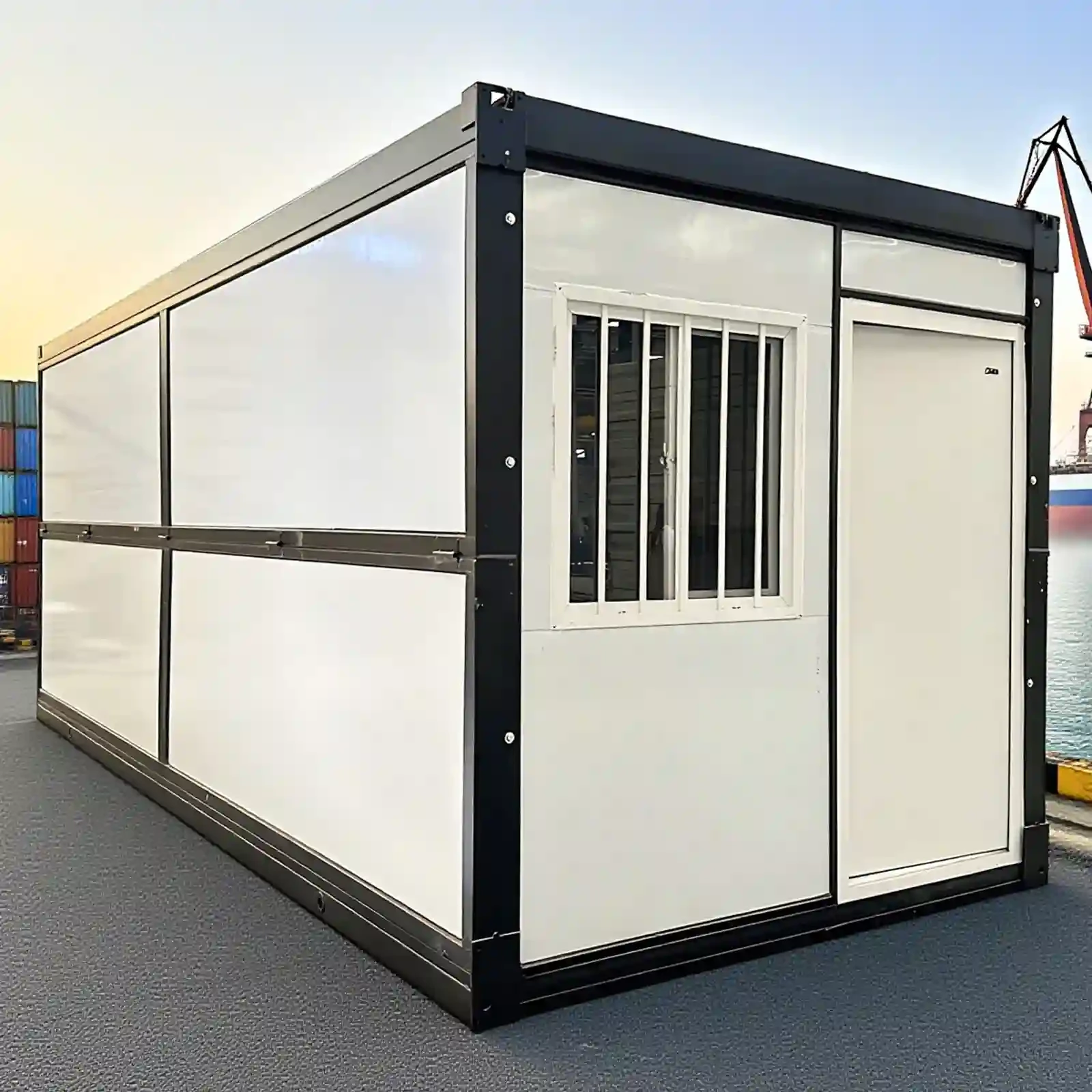

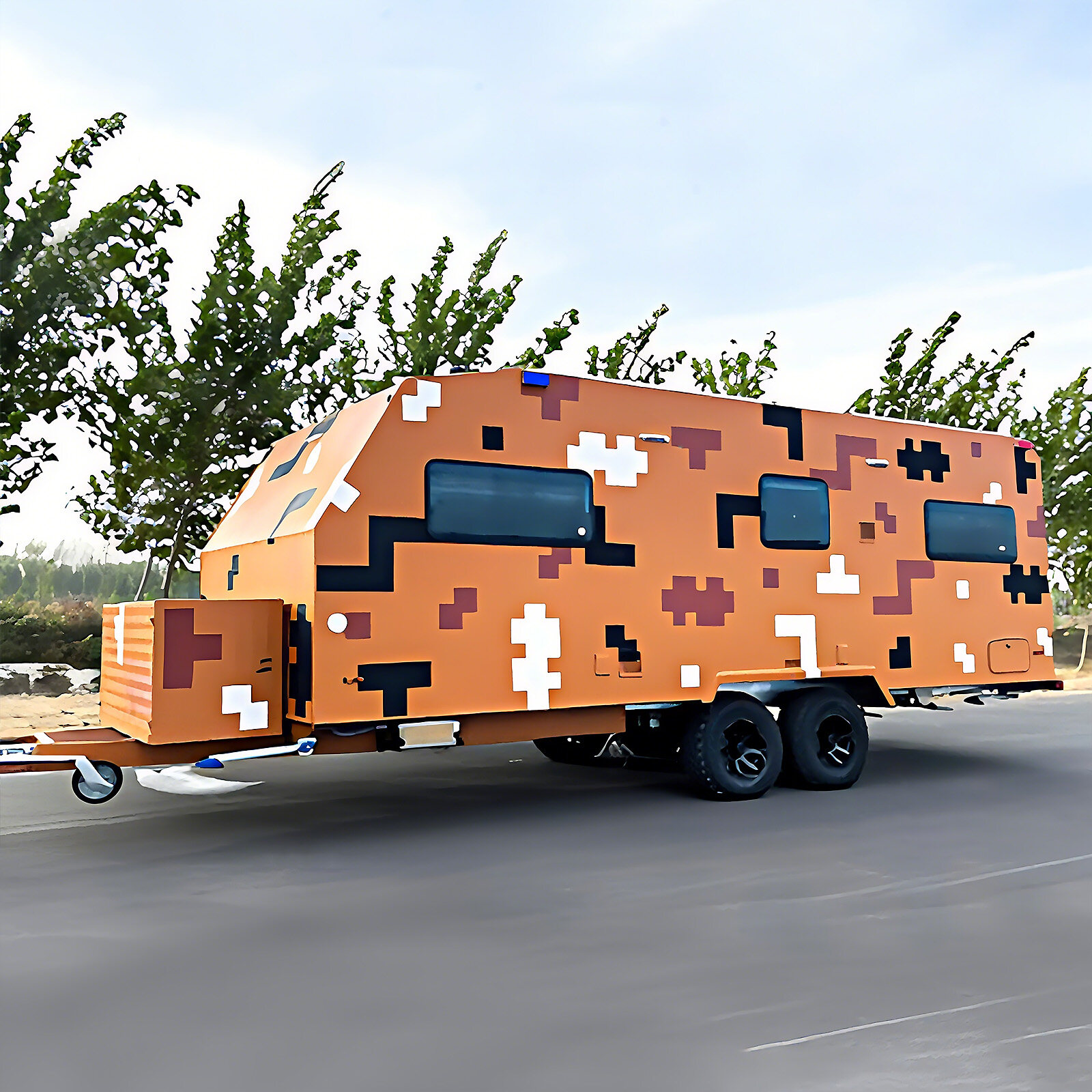
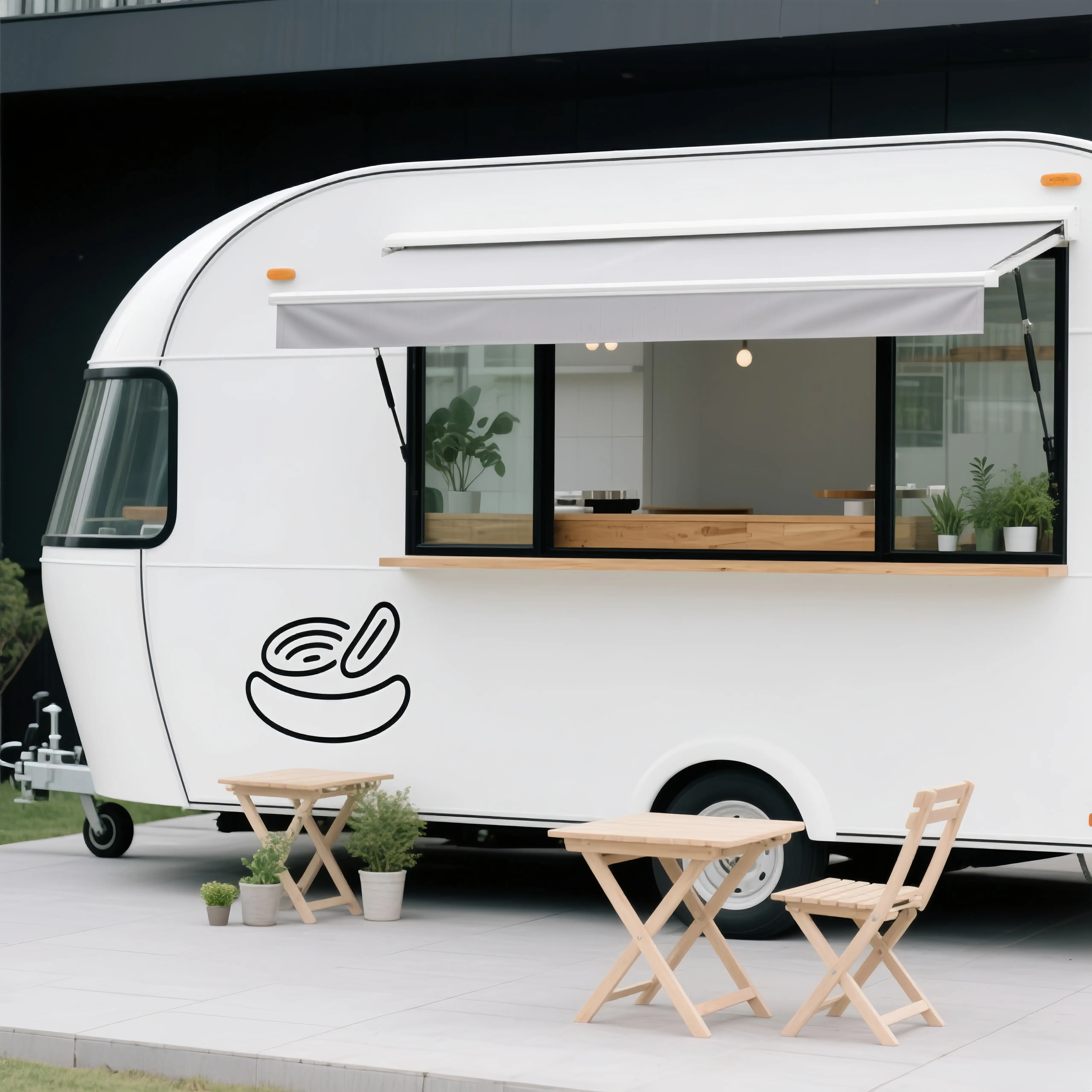

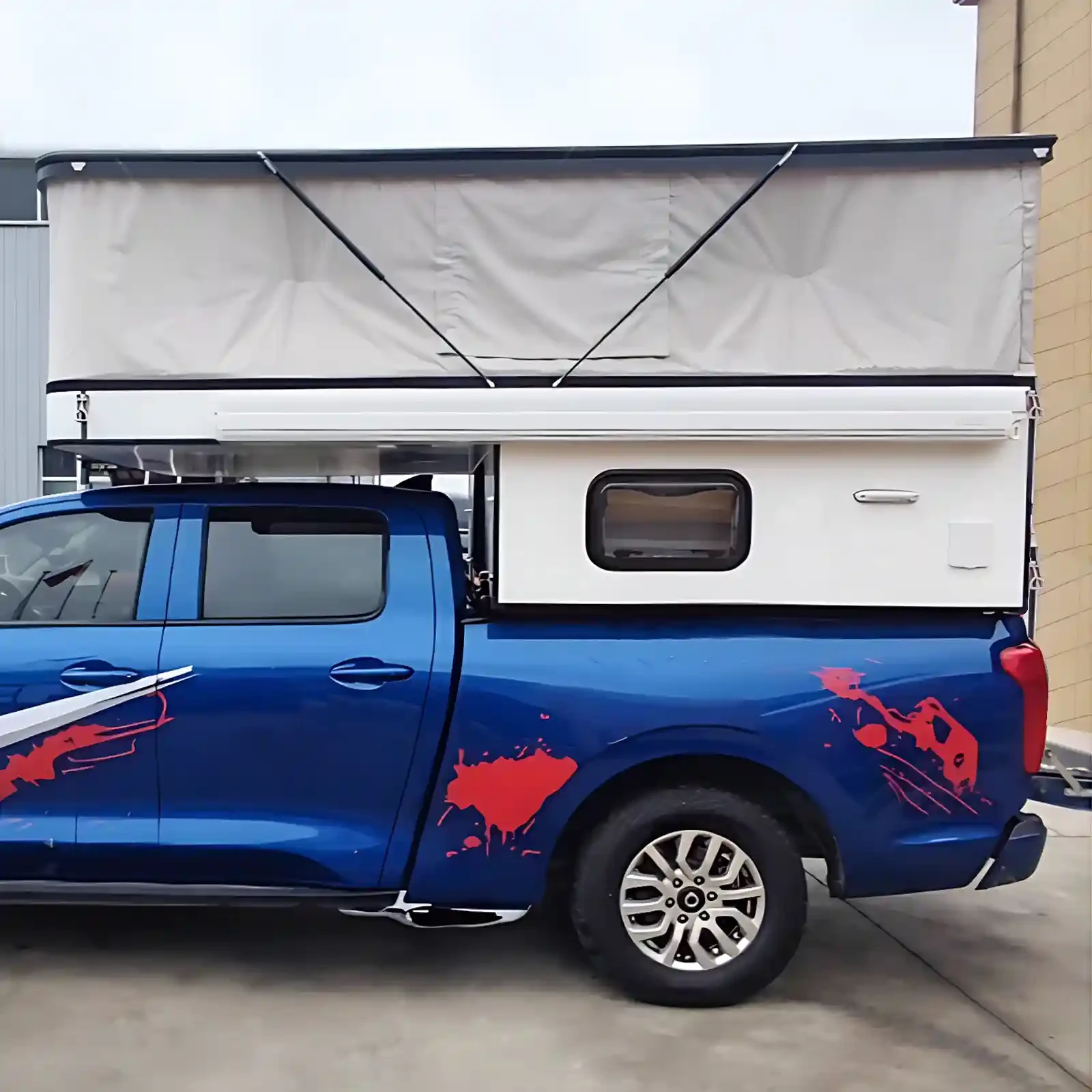


Diversified consumer demand necessitates innovative solutions from prefabricated housing companies.
With diversified consumer demands, prefabricated housing companies need to respond with innovation. As income and education levels rise, consumer needs are becoming more diverse, and the increasingly younger consumer market is driving a stronger demand for personalized products. In this context, the relationship between consumers, producers, and the market in the current prefabricated housing industry chain is being restructured, with consumers increasingly playing a dominant role. To address this phenomenon, prefabricated housing companies need to strengthen innovation and focus more on product design and marketing methods.
Product innovation is of paramount importance for prefabricated house manufacturers.
Today, many consumers want to express their individuality and have diverse needs. With the diversification of consumer demands, many companies have begun to seize niche markets. However, niche markets do not mean abandoning the entire market, but rather forming unique selling points and competitive advantages. In a highly competitive market, prefabricated housing companies that concentrate their efforts on one area and specialize in it often achieve unexpected success.
Industry insiders say that Chinese consumers have experienced an era of rapid improvement in material living standards. As materialism gradually recedes and they begin to demand a higher quality of life and reflect on their lifestyles, innovation begins to find its place and is gradually becoming the soul of the prefabricated housing industry. The pursuit of individuality is no longer just a matter of personal preference, but has become an industry trend.
Innovative marketing methods help prefabricated house companies open up the market.
The market is like a martial arts world, and marketing is like swordsmanship. Besides creating new product designs, prefabricated house manufacturers should also strengthen marketing innovation. Indeed, when prefabricated house manufacturers are deeply embroiled in price wars, advertising wars, and promotional wars, they might as well try new tricks after exhausting themselves, and find ways to break through the traditional marketing predicament.
Specifically, in this era of information overload, prefabricated housing companies must first refine their memorable elements. An advertisement without memorability is like bland water-it cannot be ingrained in the customer's mind, let alone resonate with them to make a purchase. Secondly, in-store advertising must be vibrant and engaging. Advertising itself is dry; no one wants to look at an ad that doesn't immediately grab their attention. However, if in-store advertising is lively and engaging, greeting customers as they approach, it creates a sense of familiarity and encourages them to approach, giving them a significant advantage.
In summary, innovation is the soul of a business. For prefabricated housing companies to thrive, they must continuously meet customer needs and integrate the latest product technologies and management methods into their business development. Therefore, no business can function without innovation. To be well-prepared for an increasingly diversified consumer market, product innovation and marketing model innovation are essential for prefabricated housing companies.