
 USD
USD GBP
GBP
 EUR
EUR

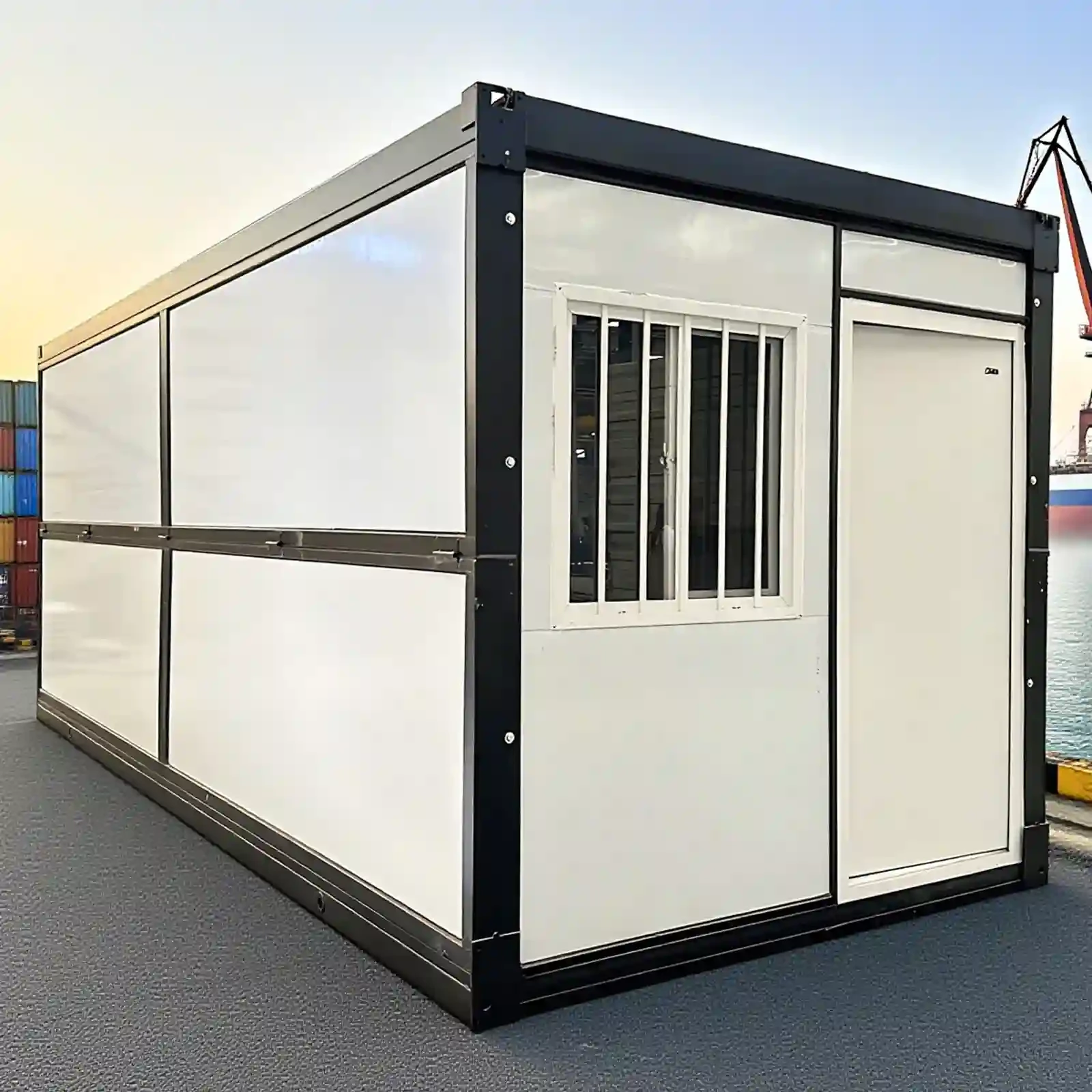






How should the foundation of a steel structure prefabricated house be treated?
Steel structure prefabricated houses are currently the most widely used temporary housing buildings. Although the main frame of the prefabricated house is steel, its foundation is not. Most foundations are concrete structures. Steel structure prefabricated houses have certain requirements for the hardness of the foundation. The hardness of the foundation determines whether special treatment is required. Laying a good foundation is crucial for the project.
1. First, a hardness test must be conducted. The hardness of different terrains and foundations varies greatly when constructing prefabricated houses, and special treatment should be given to ensure that the steel structure prefabricated houses can be installed smoothly and that their quality is guaranteed. Technicians should take measurements in advance.
2. After completing the foundation survey, the next step is foundation pouring. The key at this stage is to ensure the foundation is level beforehand. After pouring, the level error should be controlled within 10mm . It is essential to guarantee the foundation surface is level within this tolerance to avoid affecting subsequent work.
3. Concrete grade: Generally, the foundation is C20 and has no internal reinforcement. Of course, in special terrain or other force majeure conditions, the final solution should be determined based on the measurement of technical personnel.
4. Pouring time: Just like the conventional concrete pouring process, the process of steel structure prefabricated houses should not be reduced. Sufficient time should be allowed for the concrete to reach the required hardness after the foundation is poured or before the prefabricated house is installed.
5. The final pouring must be done simultaneously with the foundation construction, ensuring the indoor floor is poured at the same level. This guarantees the installation schedule, quality, and aesthetics after installation. After the prefabricated house is installed, flooring can be laid inside, which is both convenient and tidy.
In addition, the indoor floor level should be 50mm higher than the foundation level to ensure that rainwater does not flow into the room and to ensure the stability of the ground beam.