
 USD
USD GBP
GBP
 EUR
EUR
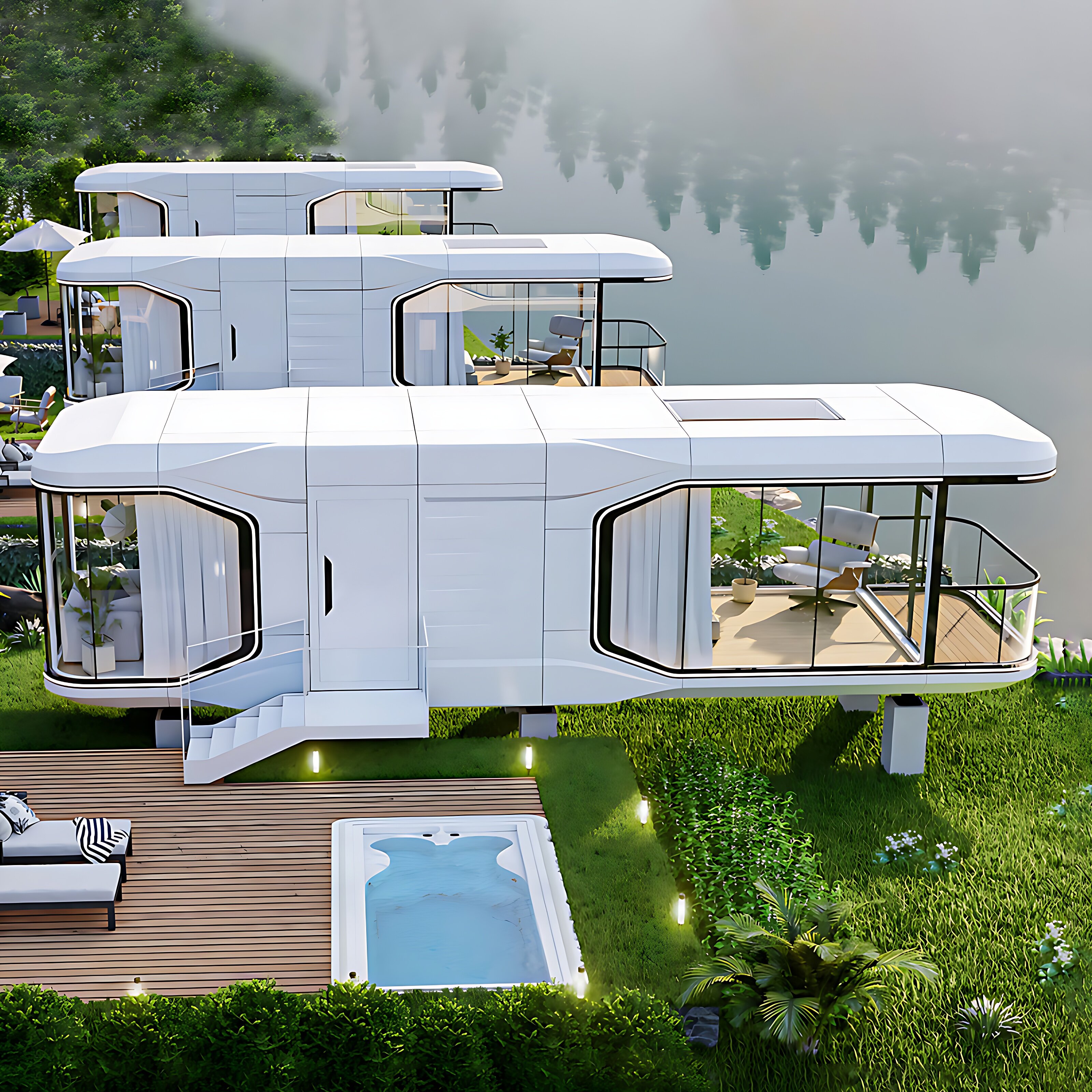
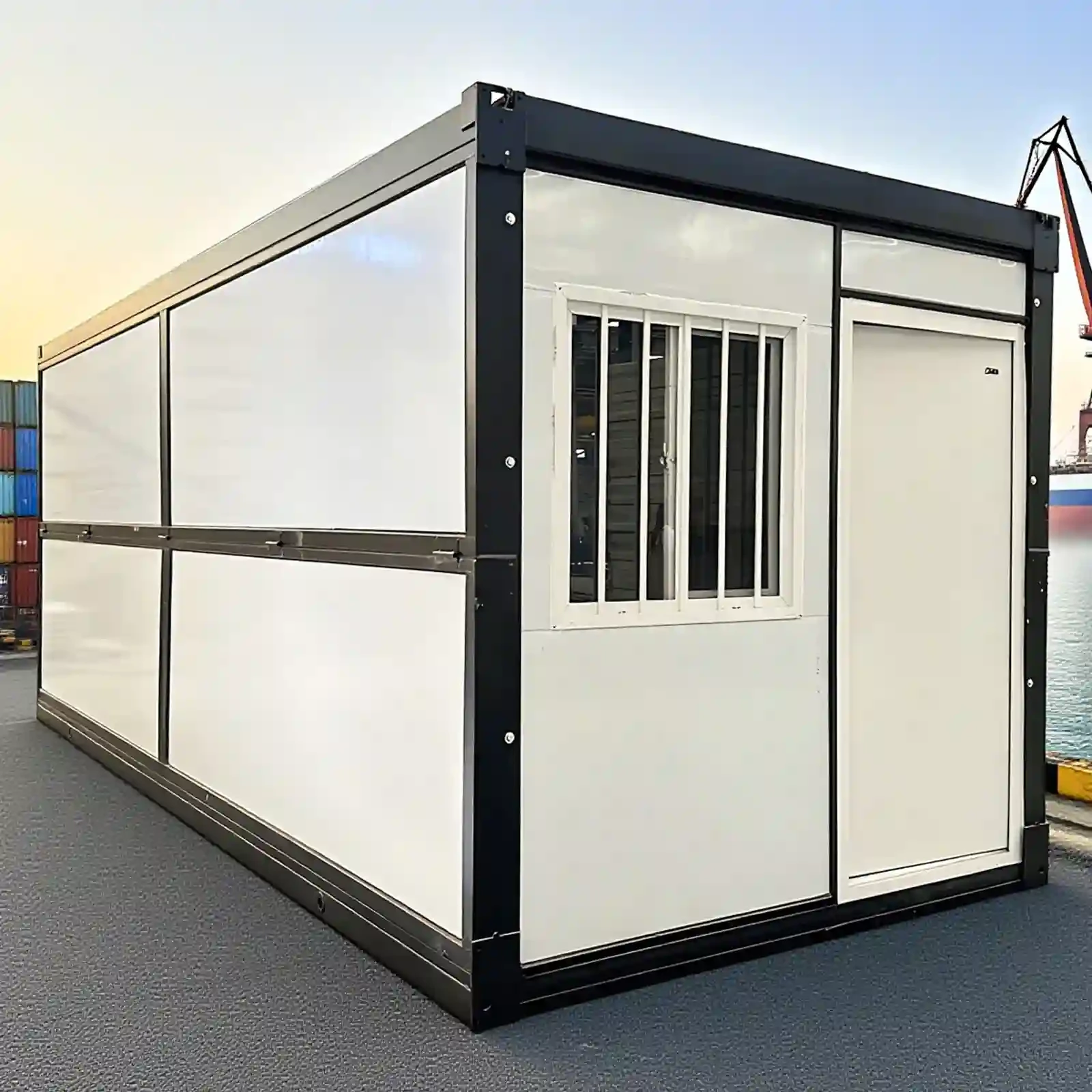

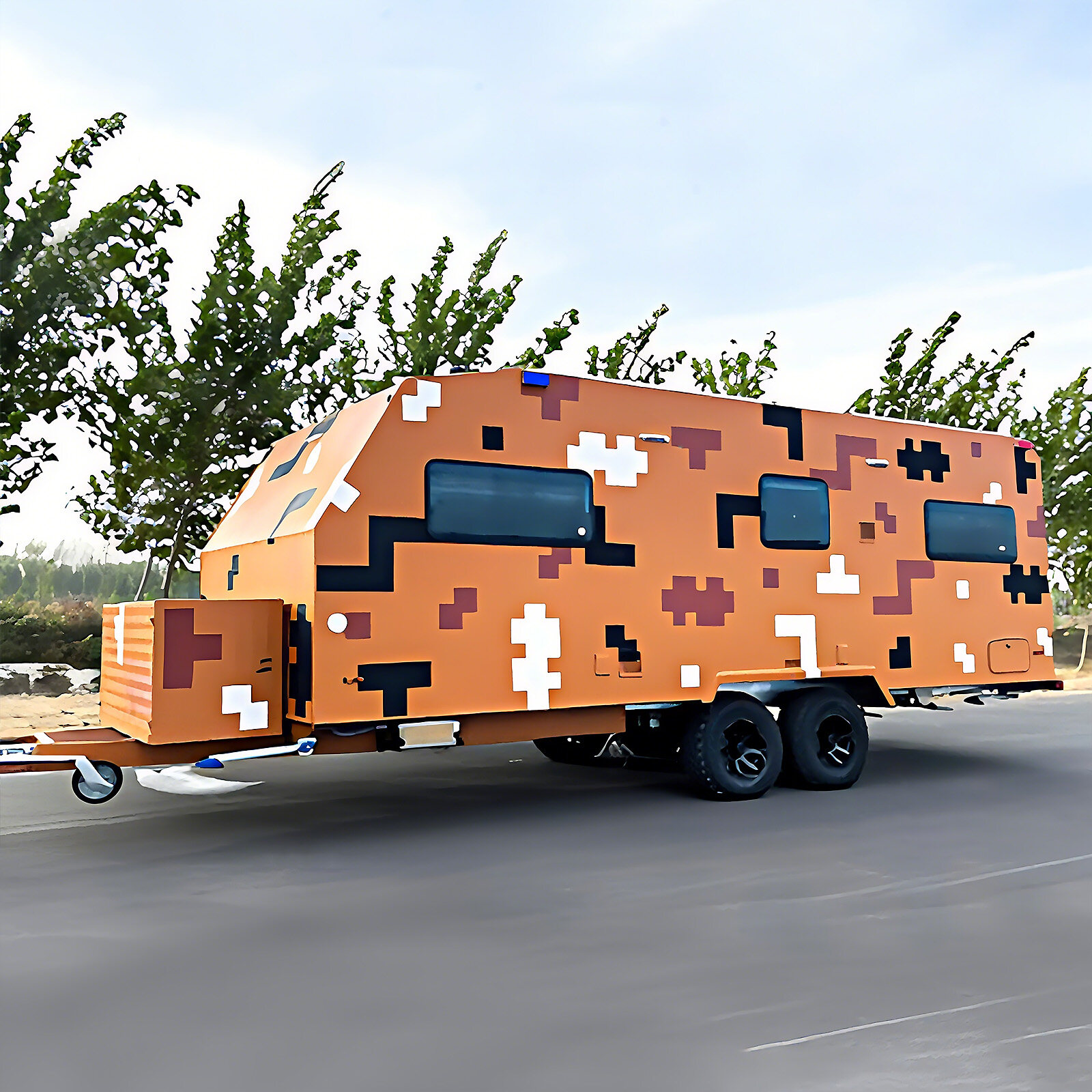
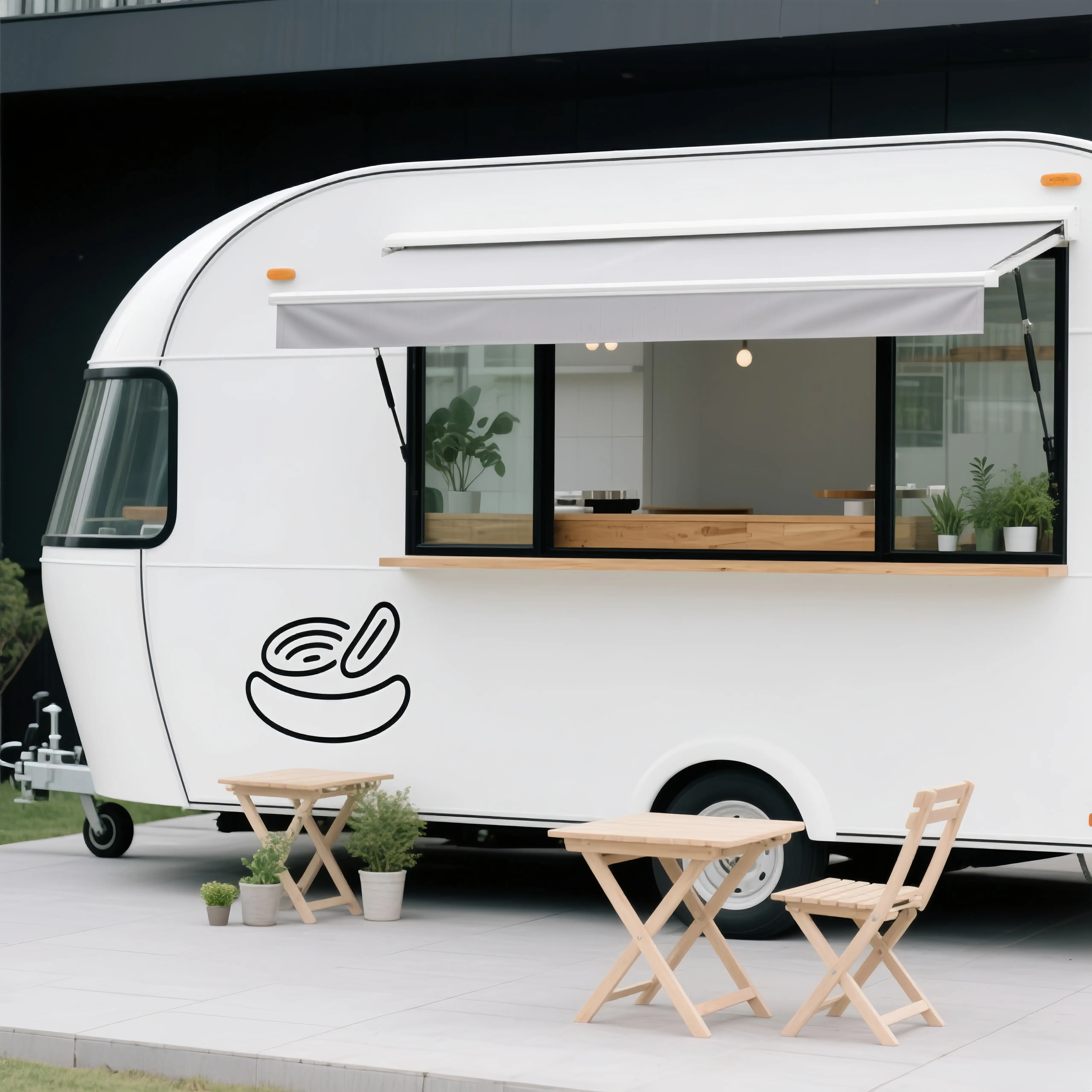



Installation methods and introduction of prefabricated houses
Prefabricated houses are a widely used new type of environmentally friendly building, frequently employed in industries such as construction. Essentially all construction workers live in prefabricated houses, which is very convenient. They are also widely used in disaster-stricken areas, such as the Yingjiang region of Japan . Additionally , they are used as warehouses or other temporary housing. It can be said that the applications of prefabricated houses are very diverse. Because of these uses and the wide range of applications, the demand is high, leading to the rapid development of prefabricated housing.
The functions and specifications of prefabricated houses are becoming increasingly sophisticated. Naturally, people's demands for such housing are also rising. After all, development and demand go hand in hand; product development is determined by market needs, and prefabricated houses are no exception.
As a product of the new era, prefabricated houses inevitably differ greatly from traditional buildings in some of their functions and applications, such as in their installation methods, which is also one of the most distinctive features.
The installation procedure for a prefabricated house is as follows: Level the foundation of the surrounding walls and partitions, preferably using reinforced concrete for strength ; erect the columns, connect the frame with horizontal beams, and install the partitions, exterior wall panels, and door and window frames ; then lay the flooring, add another layer on top, and then install the roof truss and roof panels ; finally, install the doors and windows, and install vertical supports. Also included are sanitary ware and small hardware. Of course, when all these are completed, some concealed works should be done to ensure the prefabricated house is convenient and practical.
It can be said that prefabricated houses are a product of the times and a product of social needs. With their high construction efficiency, convenience, bright colors, and high practicality, they have greatly impacted the current construction model, had a positive influence, and promoted social development. They are an indispensable product of progress, and it is believed that this type of construction will continue to play a positive role in the future.