
 USD
USD GBP
GBP
 EUR
EUR

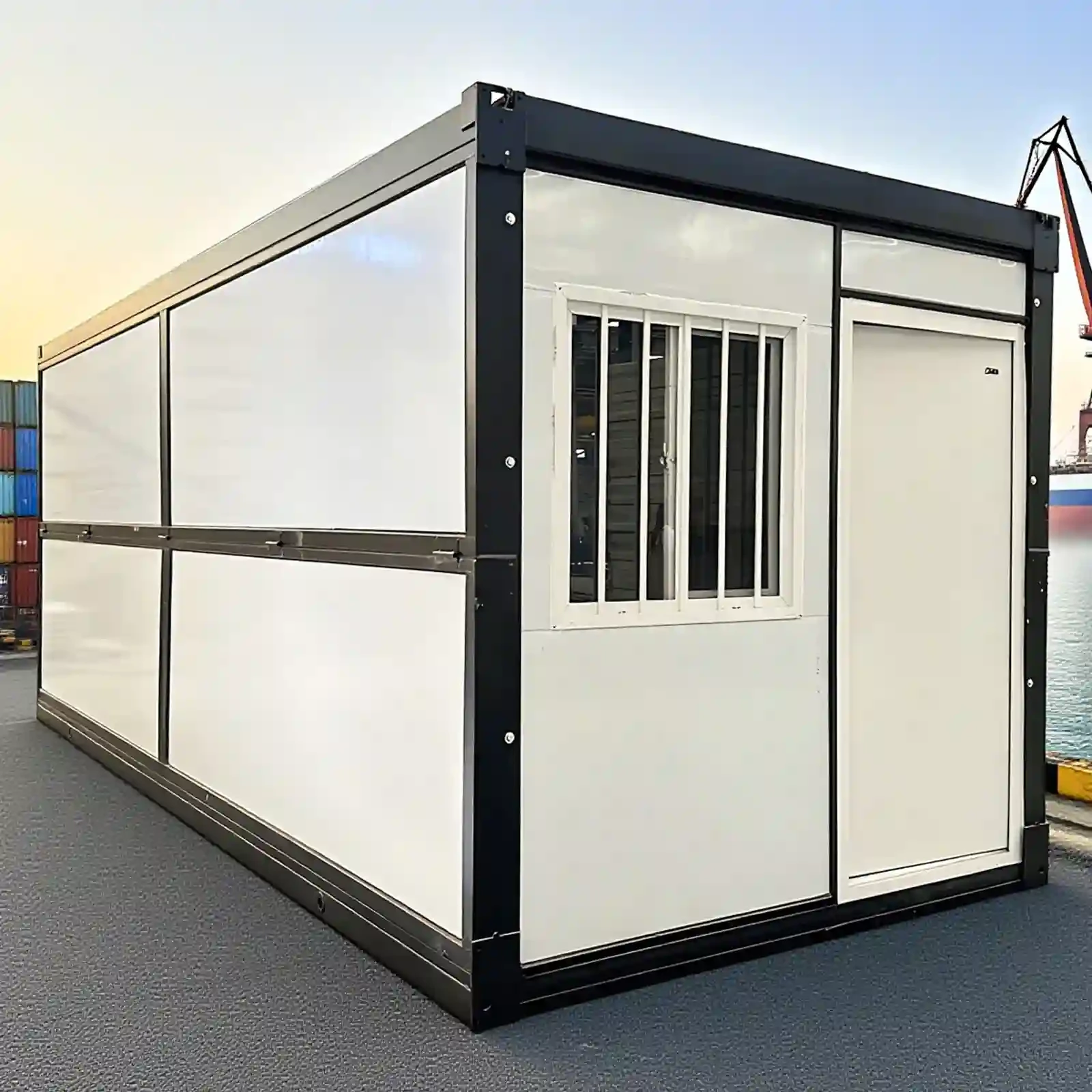




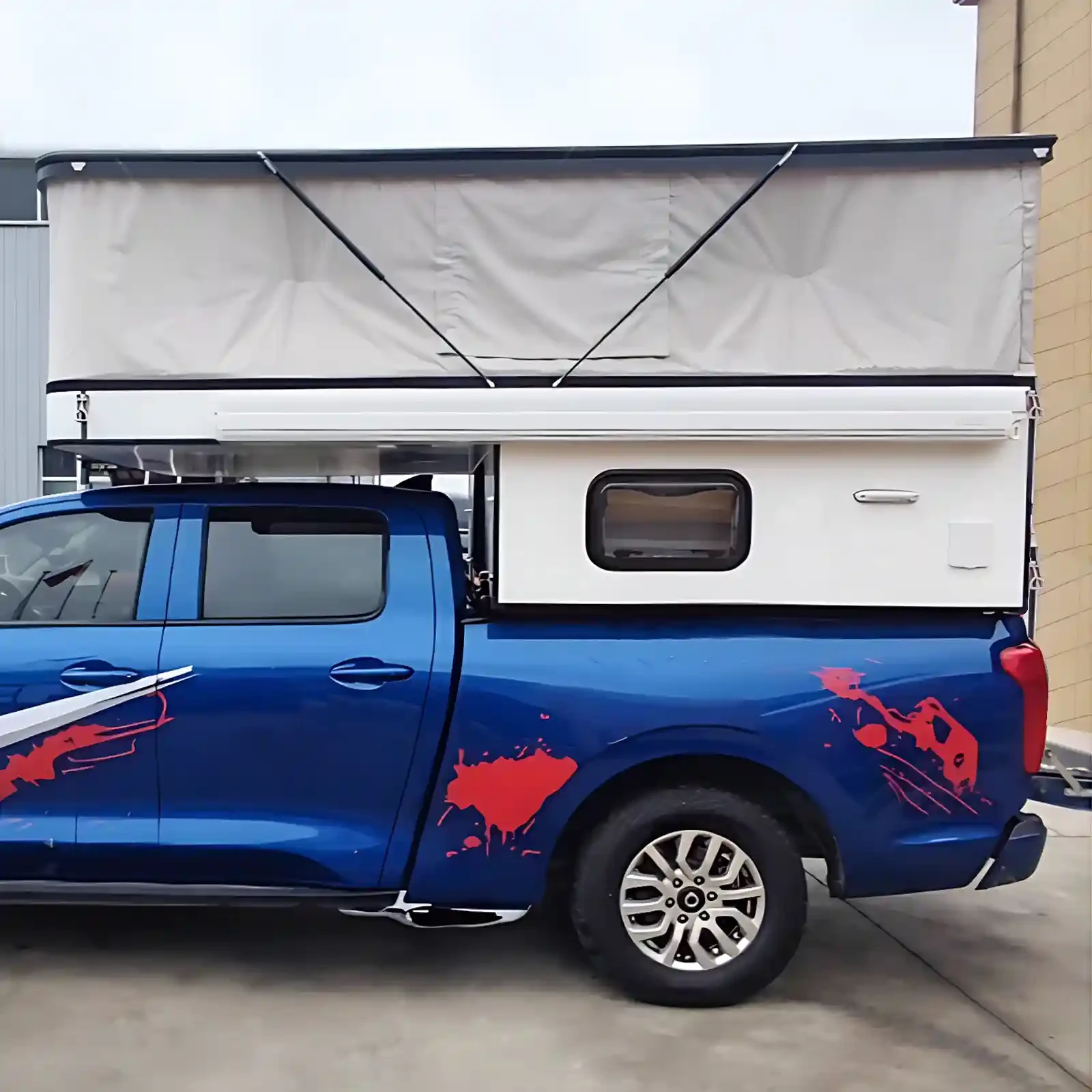


Standardized prefabricated houses have stabilized the market, and standardized services have built a brand.
The prefabricated housing industry has undergone a long period of development, but numerous problems have emerged. For the industry to foster healthy competition, it must change its current state and move towards standardization and regulation. The degree of standardization and regulation in an industry's production and sales processes largely reflects its current development status. A standardized, integrated service encompassing production, sales, installation, and after-sales support will give companies a competitive edge.
The industry needs to move towards a standardized development path.
Transparent pricing has always been a controversial topic in the industry. While many high-end brands in shopping malls are gradually moving towards transparent pricing, implementing " price transparency " remains challenging for the entire industry. " In a market economy, the government can't micromanage everything. Therefore, some responsible and proactive companies need to take the lead. Once this is done, the industry will become more standardized, and public acceptance will be higher. Moreover, it's entirely achievable for businesses in shopping malls, " an industry insider analyzed. Transparent pricing helps prevent some merchants from using inflated prices to obtain government subsidies. Only by implementing transparent pricing can obstacles to policy implementation be cleared, and consumer rights effectively protected. Otherwise, trade-in programs become meaningless, and merchants can still engage in opaque practices.
Indeed, the current lack of transparent pricing in the Chinese market is a responsibility shared by retailers, merchants, sales staff, and consumers alike. Of course, this is also a temporary consequence of the market's immaturity. The industry is currently in a crucial period of steady growth, and from a long-term perspective, it still possesses enormous development potential. However, as the industry demonstrates its boundless potential, external constraints are becoming increasingly stringent.
Under the new normal of the economy, enterprises need to accelerate transformation and upgrading.
As my country's economy enters a new normal, businesses must also adapt their development strategies accordingly. Despite the less-than-optimistic market outlook, companies that proactively respond can always find ways to break through the challenges. China's new normal refers to a specific manifestation of the normalization of economic development, characterized by slower growth, fragmented consumption, reduced market concentration, and personalized consumer demand. The era of explosive, rapid economic growth in China is over, replaced by a more normalized economic development trend and phenomenon.
In terms of the industry, the " new " in the " new normal " -brand upgrading and e-commerce- and the " normal " -concepts , quality, and design - are inseparable from the future of the industry . The national economy is also undergoing a new round of reforms, and the industry must maintain steady development. The pattern of the new normal economy has already taken shape. Enterprises should focus on transformation and upgrading in three key areas: concepts, quality, and design . They should also integrate resources from major national exhibitions, leveraging complementary strengths, starting with regional markets, then driving development across the province, and finally the entire country, achieving mutual improvement and ultimately realizing the new normal of the economy.
In the new normal economy, enterprises need to follow a standardized development path if they want to gain a foothold in the market.