
 USD
USD GBP
GBP
 EUR
EUR

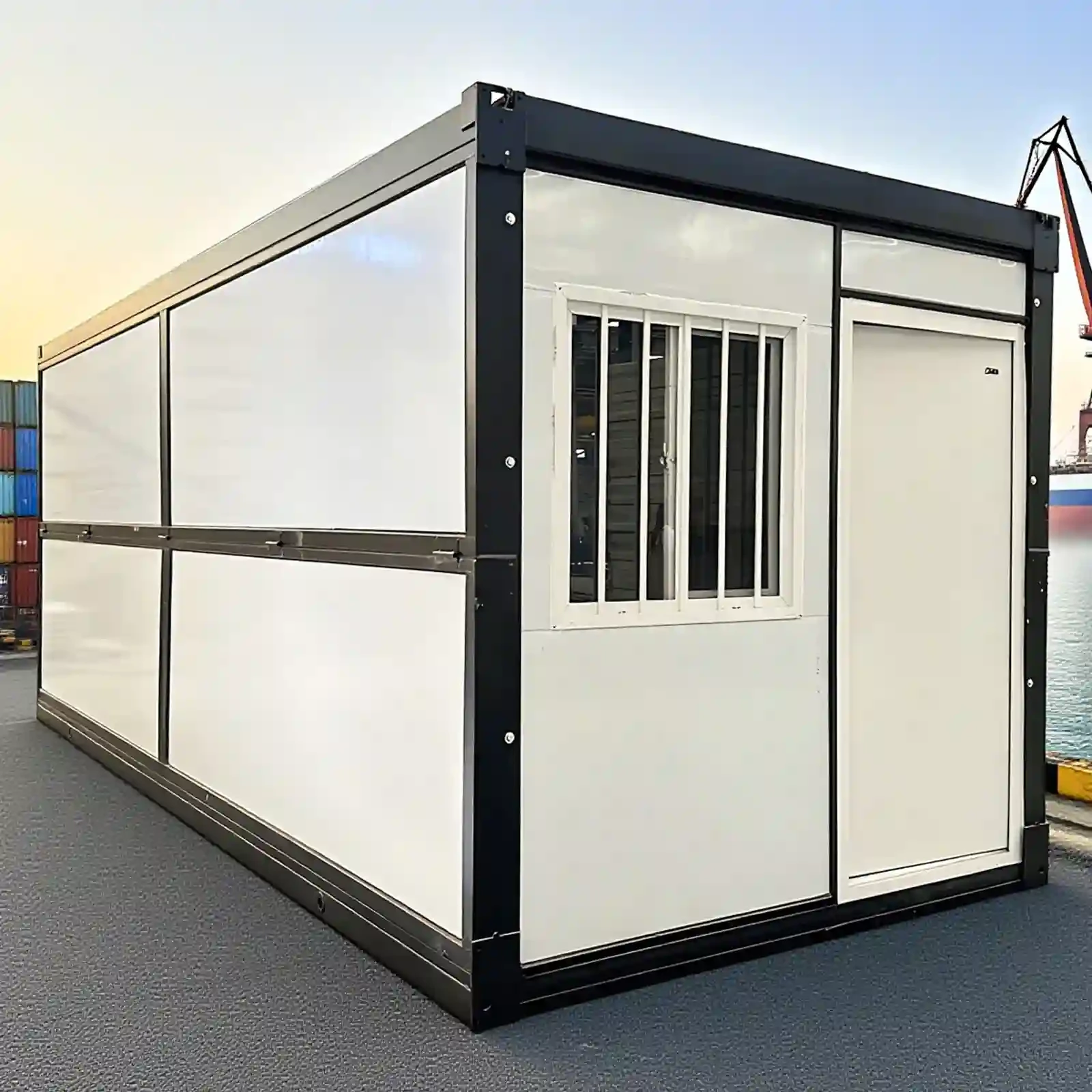






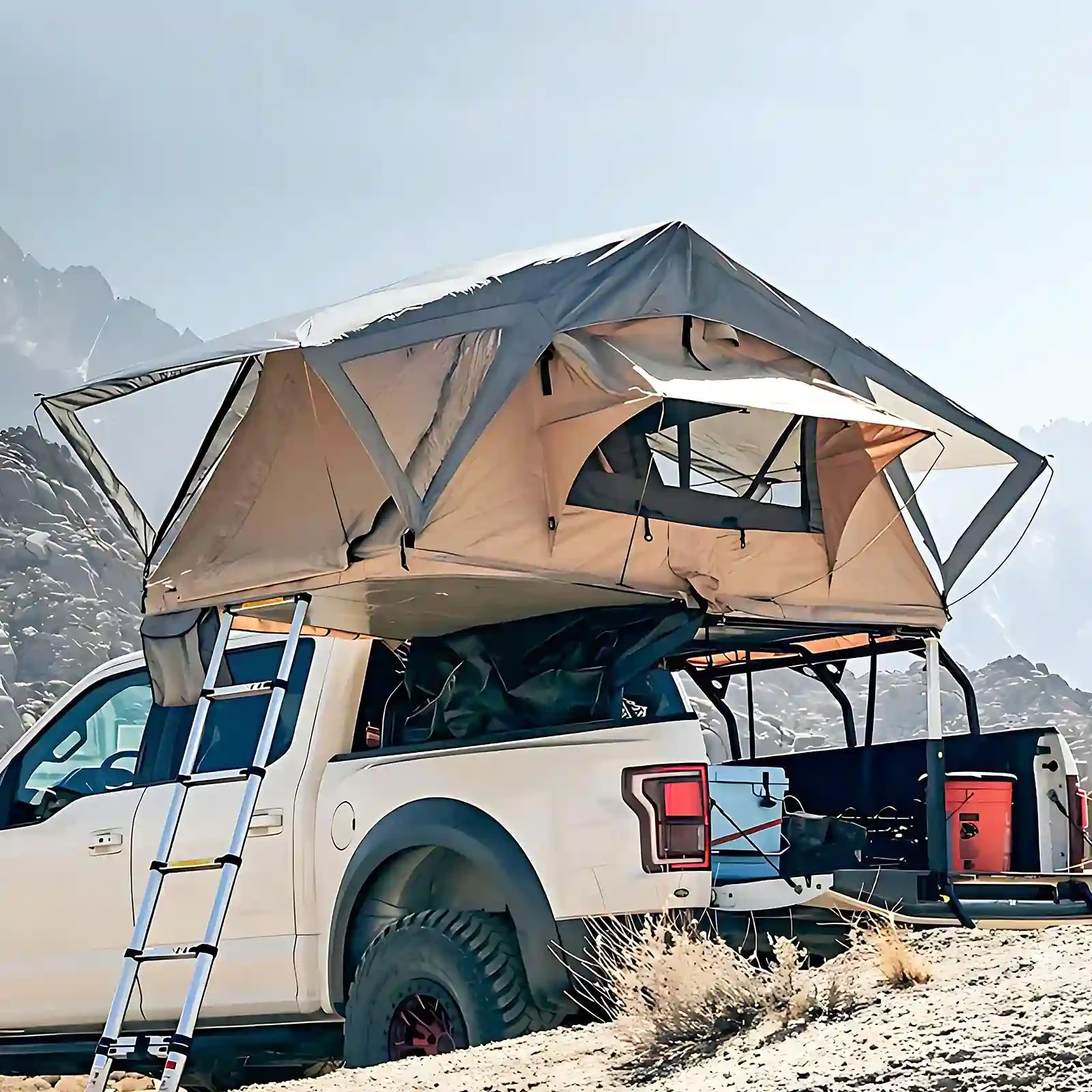
Investing in mobile homestays: Essential conditions explained
With the booming development of the tourism industry and people's increasing pursuit of travel experiences, mobile homestays, as an emerging form of tourist accommodation, are gradually gaining market favor. Mobile homestays not only offer unique accommodation experiences but also bring considerable business opportunities to investors. However, to successfully invest in mobile homestays, investors need to meet a series of conditions. This article will analyze in detail the key conditions required for investing in mobile homestays.
I. Market Research and Positioning
Before investing in mobile homestays, thorough market research is essential. Investors need to understand the tourism demands, consumer preferences, and competitive landscape of their target market. Through market research, investors can determine the positioning of their mobile homestays, such as whether they target the high-end or mid-to-low-end market, whether they emphasize a unique style or provide basic accommodation services. A clear positioning helps investors make informed decisions in subsequent investment and operation.
II. Financial Strength and Budget Control
Investing in mobile homestays requires substantial financial resources. Besides the cost of purchasing or leasing equipment, expenses include renovation, operation, and marketing. Investors need to develop a reasonable budget and strictly control costs to avoid financial difficulties during the investment process. Furthermore, investors must consider future cash flow and profitability to ensure the return on investment meets expectations.
III. Site Selection and Supporting Facilities
Location is crucial for mobile homestays, directly impacting occupancy and profitability. Investors need to select areas with convenient transportation, beautiful scenery, and available tourism resources. Furthermore, the availability of supporting facilities is a key factor influencing investment returns. Investors must ensure sufficient parking, dining, and entertainment options are available around the mobile homestay to meet the basic needs of tourists.
IV. Operation Management and Service Quality
Successful mobile homestay investment relies not only on excellent hardware facilities but also on efficient operation management and high-quality service. Investors need to develop scientific operational strategies, including pricing, booking, and customer service. Simultaneously, investors must focus on improving service quality, providing a comfortable, safe, and welcoming accommodation environment so that guests enjoy a pleasant stay. This includes regularly cleaning and maintaining the homestay to ensure the proper functioning of facilities and a clean and aesthetically pleasing environment; training staff to have excellent service attitudes and professional skills, providing warm and attentive service; and promptly handling guest complaints and suggestions to continuously improve service quality.
V. Regulatory Compliance and Risk Management
When investing in mobile homestays, investors must comply with relevant laws, regulations, and policies. This includes regulations concerning land use, environmental protection, and fire safety. Investors need to understand and abide by these regulations to avoid legal risks and penalties arising from violations. Furthermore, investors need to pay attention to market dynamics and potential risks, such as intensified market competition and natural disasters, and develop corresponding risk management measures to ensure the stability and sustainability of their investment.
VI. Innovation and Differentiated Competition
In the highly competitive tourism market, investors need to constantly innovate to stand out through differentiation. This can be reflected in the design style, service features, and event planning of their guesthouses. By continuously innovating and improving quality, investors can attract more tourists, enhance the guesthouse's reputation and brand awareness, and thus achieve better business results.
In summary, investing in mobile homestays requires adequate market research and positioning, financial strength and budget control, site selection and supporting facilities, operational management and service quality, regulatory compliance and risk management, as well as innovation and differentiated competition. Only by making sufficient preparations and plans in these areas can investors succeed in the mobile homestay market.