
 USD
USD GBP
GBP
 EUR
EUR

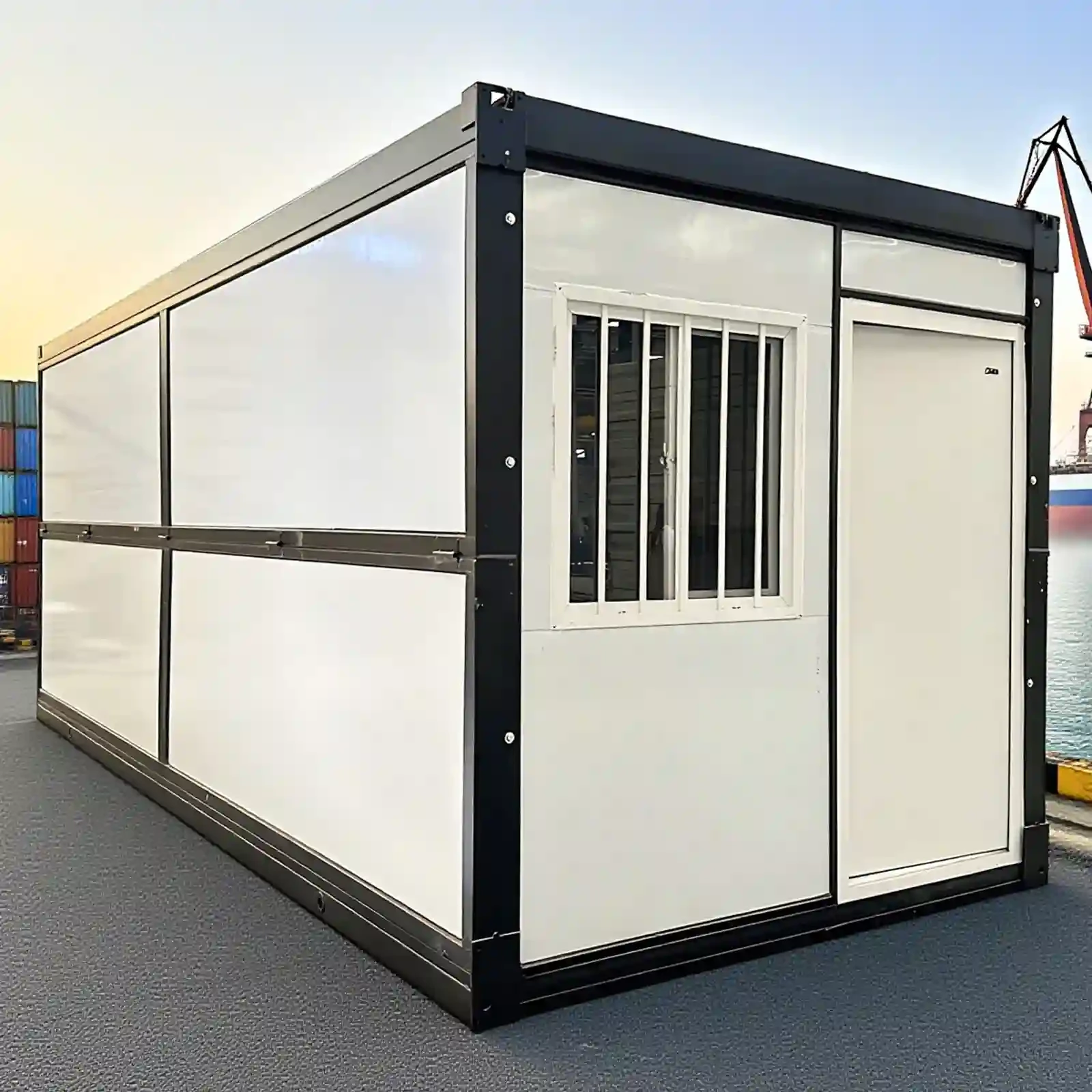

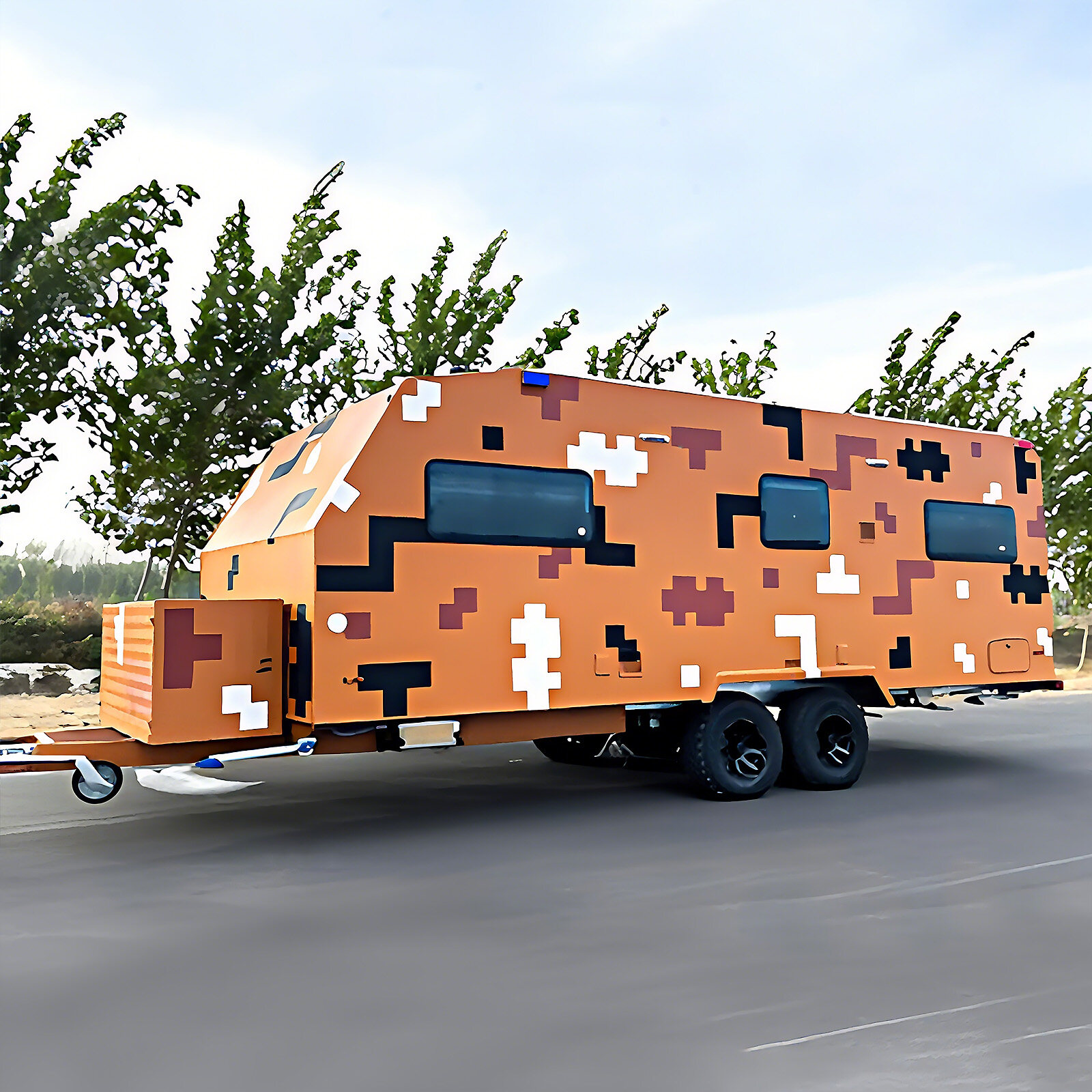


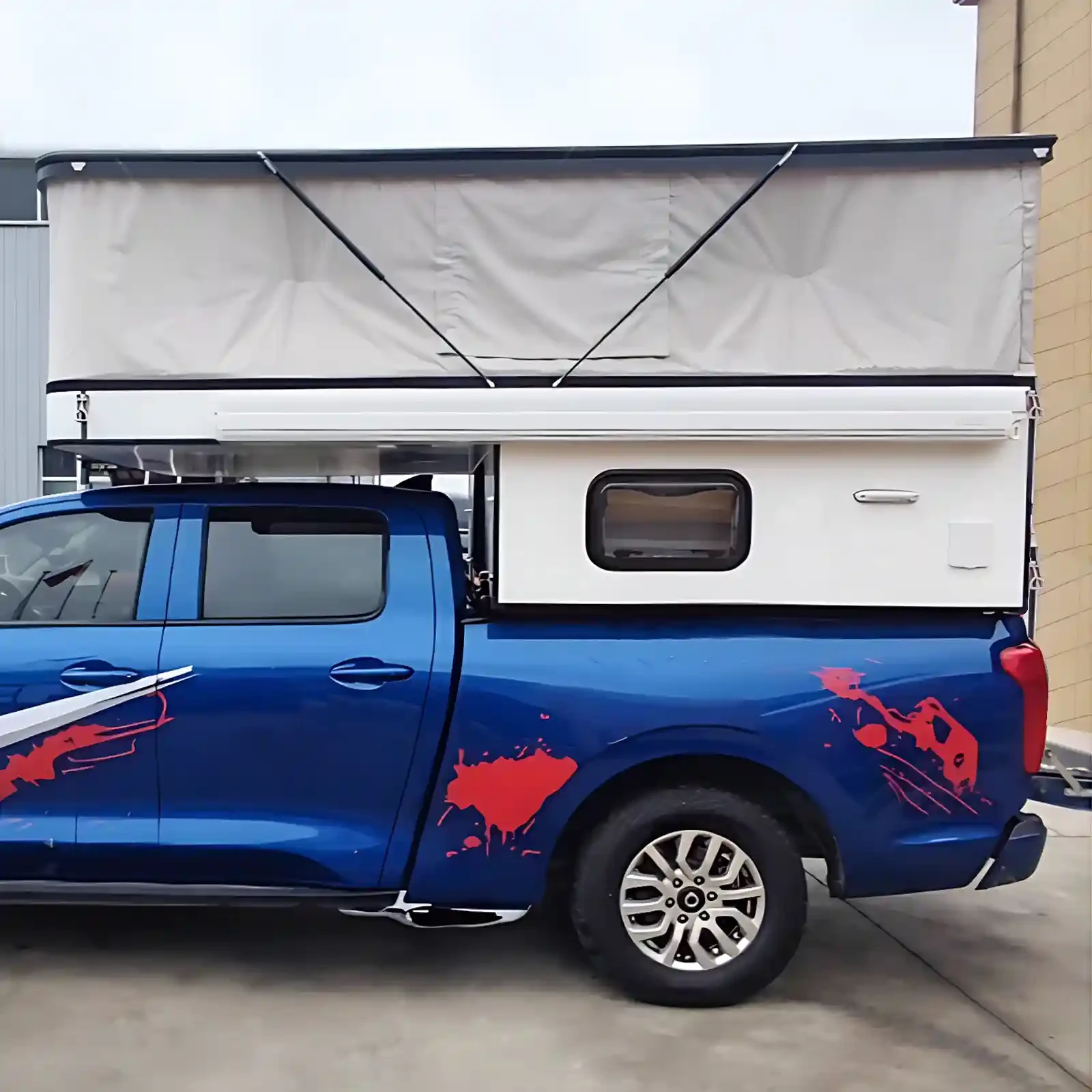


With the overall environment still unstable, new markets for prefabricated housing companies present new challenges.
With an unstable macro environment, new markets for prefabricated housing companies present new challenges. Amidst a slowing economy, the industry has entered a temporary bottleneck. Currently, consumer demand is becoming increasingly diversified, and with supply-side reforms underway, more and more companies are focusing on niche markets and pursuing differentiated strategies. However, the unstable macro environment means that opening up new markets also presents numerous challenges for companies.
The unstable macro environment and emerging markets present new challenges.
New markets are the result of market segmentation. Segmentation naturally doesn't just create one market; the branches will multiply. The biggest challenge inherent in new markets comes from these market branches. Because any emerging market lacks established rules, it unknowingly increases the pressure on business operations, making it difficult for companies to discern their direction. However, few companies understand that the reason new markets have so many uncontrollable factors at their inception is because the overall market environment is unstable.
When resource crises already severely threaten business development, market segmentation will further exacerbate resource scarcity, and competition between companies will intensify due to competition across different markets. Furthermore, the mainstream direction of new market development is still uncertain, and the development of new markets inherently involves significant unpredictability. Even established brands find it difficult to maintain their previous success in new markets, and the future of small businesses already struggling to survive is even more uncertain.
Market segmentation should consider costs, as there are both advantages and disadvantages.
The increasing scarcity of resources, unclear market direction, and weakened market control have all become obstacles for companies entering niche markets, requiring them to actively address these challenges. Every advantage has its disadvantage; while market segmentation brings opportunities, it also presents more challenges, potentially leading to a development impasse. The emergence of new markets also means that companies need to spend more money to expand new channels, invest more resources in developing distributors, and increase production costs.
The current level of competition among businesses goes far beyond mere "white-hot." To attract more market capital and capture more market share, companies are engaging in large-scale cross-industry expansions. However, the excessive risks of these expansions have led companies to turn their attention back to their core industries. The emergence of new markets naturally excites companies, inevitably triggering a new round of market competition.
In the face of fierce market competition, market segmentation allows companies to concentrate their strengths in one area, but it also presents significant challenges and risks. Therefore, how to maintain existing market position while expanding into new markets is a crucial issue that prefabricated housing companies need to seriously consider.