
 USD
USD GBP
GBP
 EUR
EUR

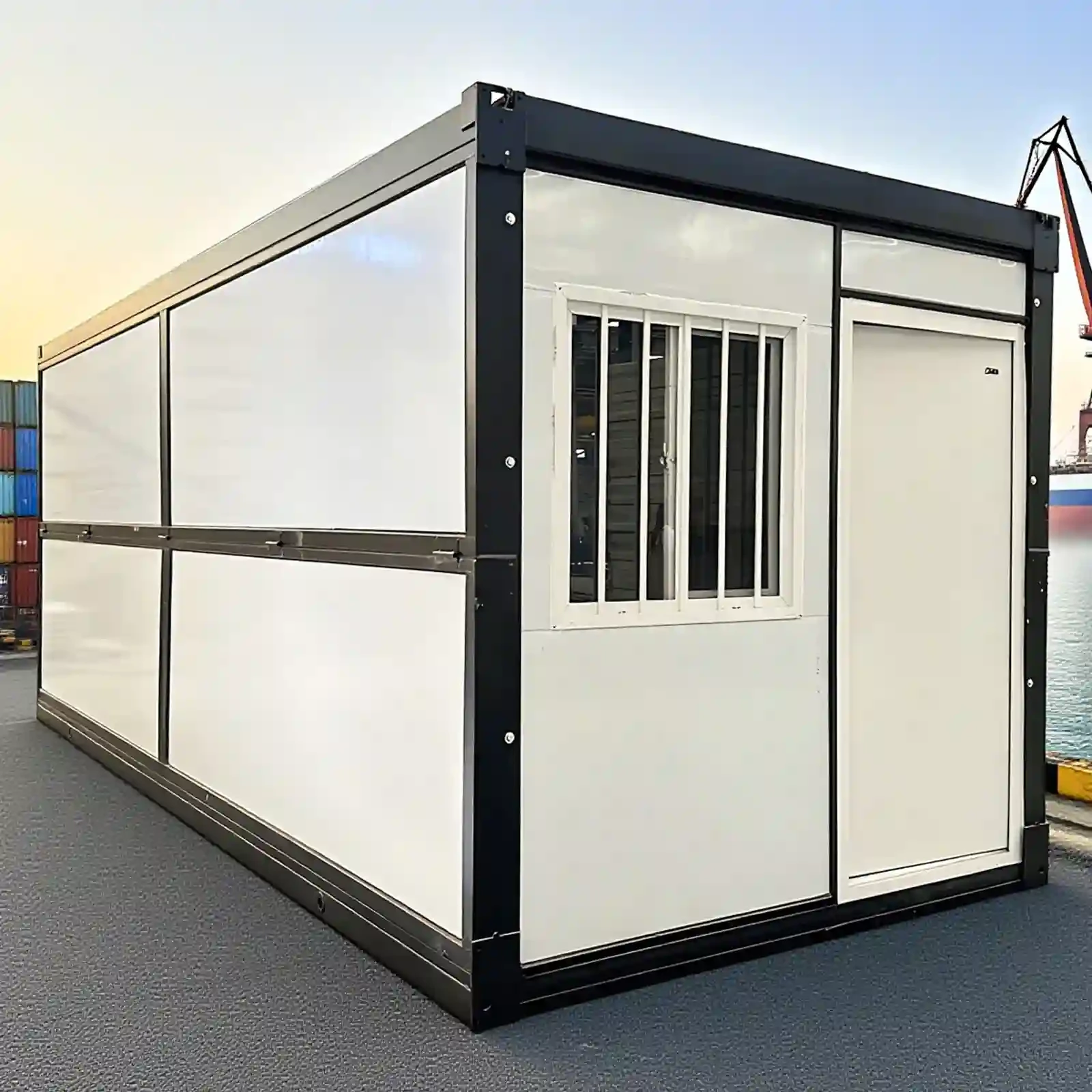




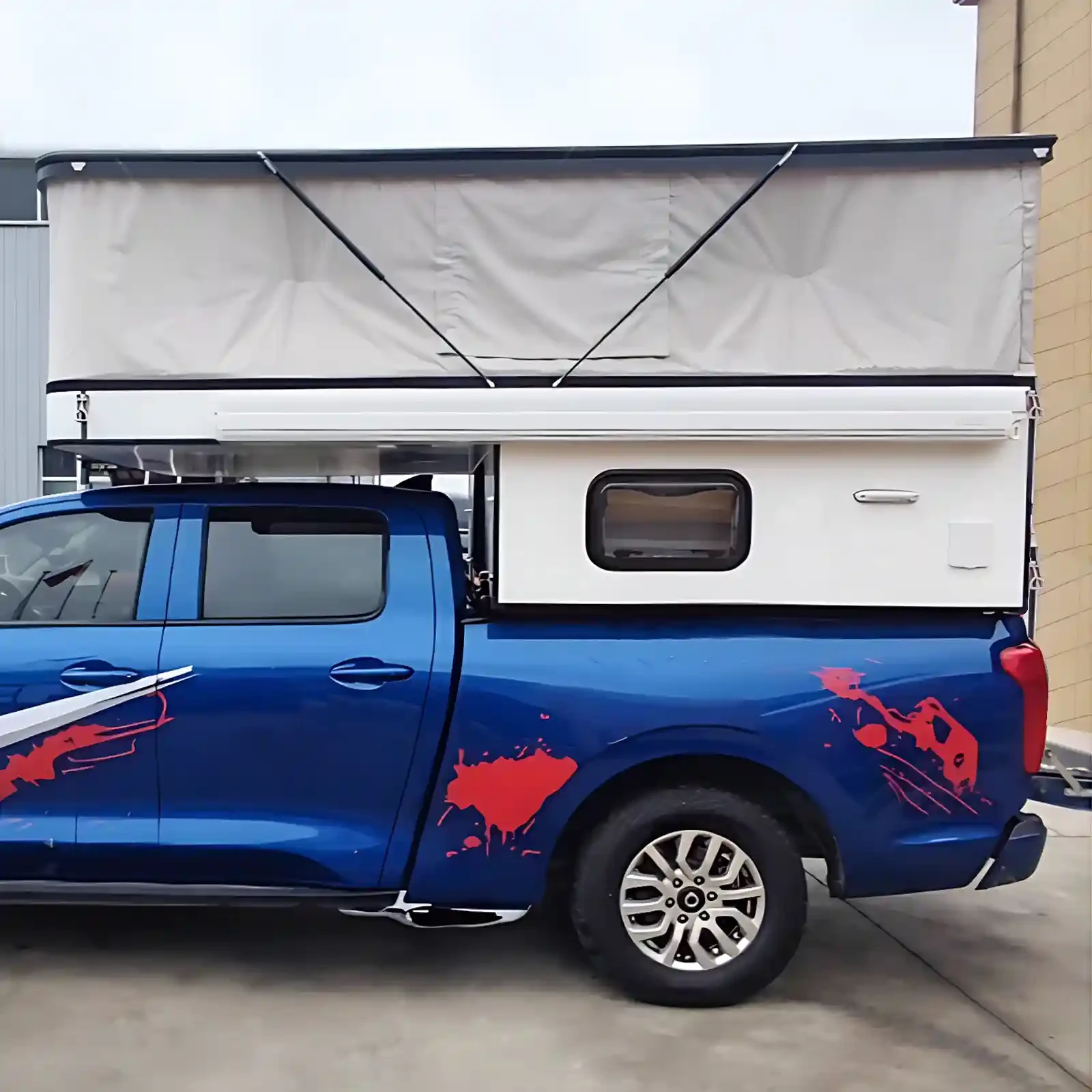


Prefabricated houses can leverage brand image for marketing and also be sold through multiple channels.
The downturn in the prefabricated housing industry is an industry-wide issue, but companies at the top of the food chain often choose to shift the crisis onto consumers and distributors. However, this only brings short-term benefits to the long-term development of the brand. Whether it is worth it or not is not hard to measure. Supporting distributors and building a sound and systematic strategy is the only way to solve the problem once and for all. Brands should not be unaware of this.
As the post-80s and post -90s generations gradually become the main consumers in the market, in addition to having certain demands for the cost-effectiveness of products, consumers also have very high requirements for the individuality and creativity of products. In this creativity-driven society, prefabricated house companies need to make their products " thoughtful " , rich in product cultural connotations, and use diversified channels to attract and satisfy consumers.
I. Leveraging brand image for sales
In today's world, competition among businesses is not only about brands and products, but also about marketing strategies. Entry-level companies sell products, mid-level companies sell services, and advanced companies sell ideas. Clearly, the marketing philosophies of most companies across various industries remain at the entry and mid-levels, and this applies to the industries themselves as well. With increasingly segmented consumer groups, companies cannot cater to every aspect; targeted " selling ideas " is the best approach.
For a company, selling products is the ultimate goal, while selling services can increase product sales, enhance brand awareness, and sell ideas-this is the core of the company's overall strategic policy. To improve the marketing capabilities of its team, a company needs to achieve brand premium through selling services and establish a positive brand image in the minds of its target consumers. Although core products may be similar, services can compensate for any shortcomings in the core product.
No company's product can surpass its competitors in every aspect; each has its strengths. As marketers, our primary task is to design products that excel in a specific area, based on the needs of our target customers. Once customers accept this concept, they also accept the company's product. In this case, the salesperson is selling an idea-a unified " selling point " summarized by the marketer . For a company to reach the level of selling an idea, the first step is to clearly define which segment of its customer base it serves. In today's increasingly competitive market, any profit-driven company must establish the philosophy of " serving only a select group . "
II. Diversified Promotional Products
At the beginning of China's reform and opening up, marketing channels in China tended to be relatively singular. As the marketization process accelerated, companies with strong brand power began to transform from single channels to multiple channels. Gradually, marketing channel diversification was accepted and recognized by companies, and many companies began to explore channel diversification and achieved good market performance.
Diversified marketing channels have freed companies from the constraints of traditional channels, catering to their market segmentation and differentiation strategies, and have played a significant role in increasing the market coverage of their brands and products.
The widespread use of marketing channel diversification strategies has also brought about many market problems, such as channel conflict, profit distribution issues, channel management and control, and increased channel costs. However, when used appropriately, marketing channel diversification strategies remain an effective tool for corporate marketing channel innovation.