
 USD
USD GBP
GBP
 EUR
EUR

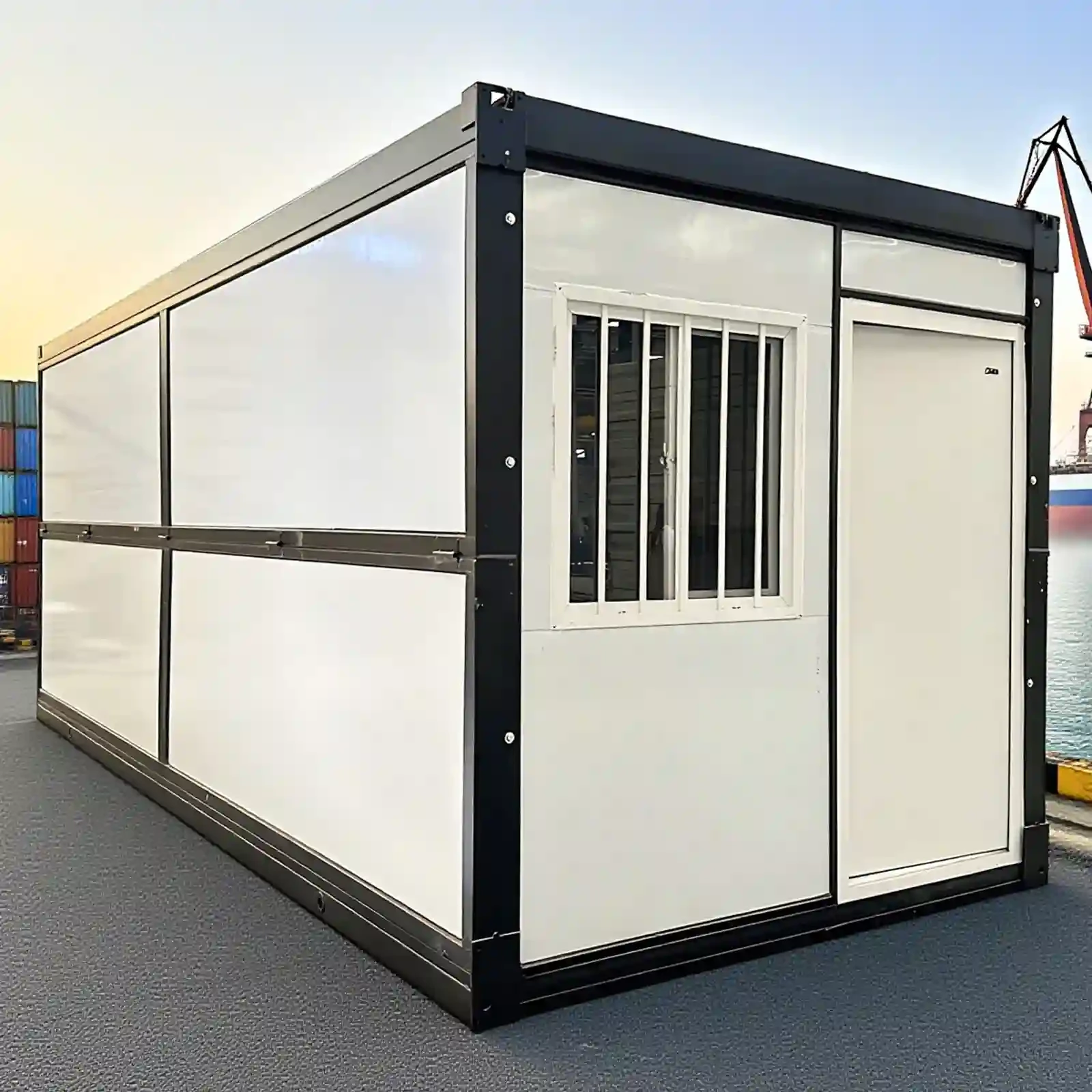


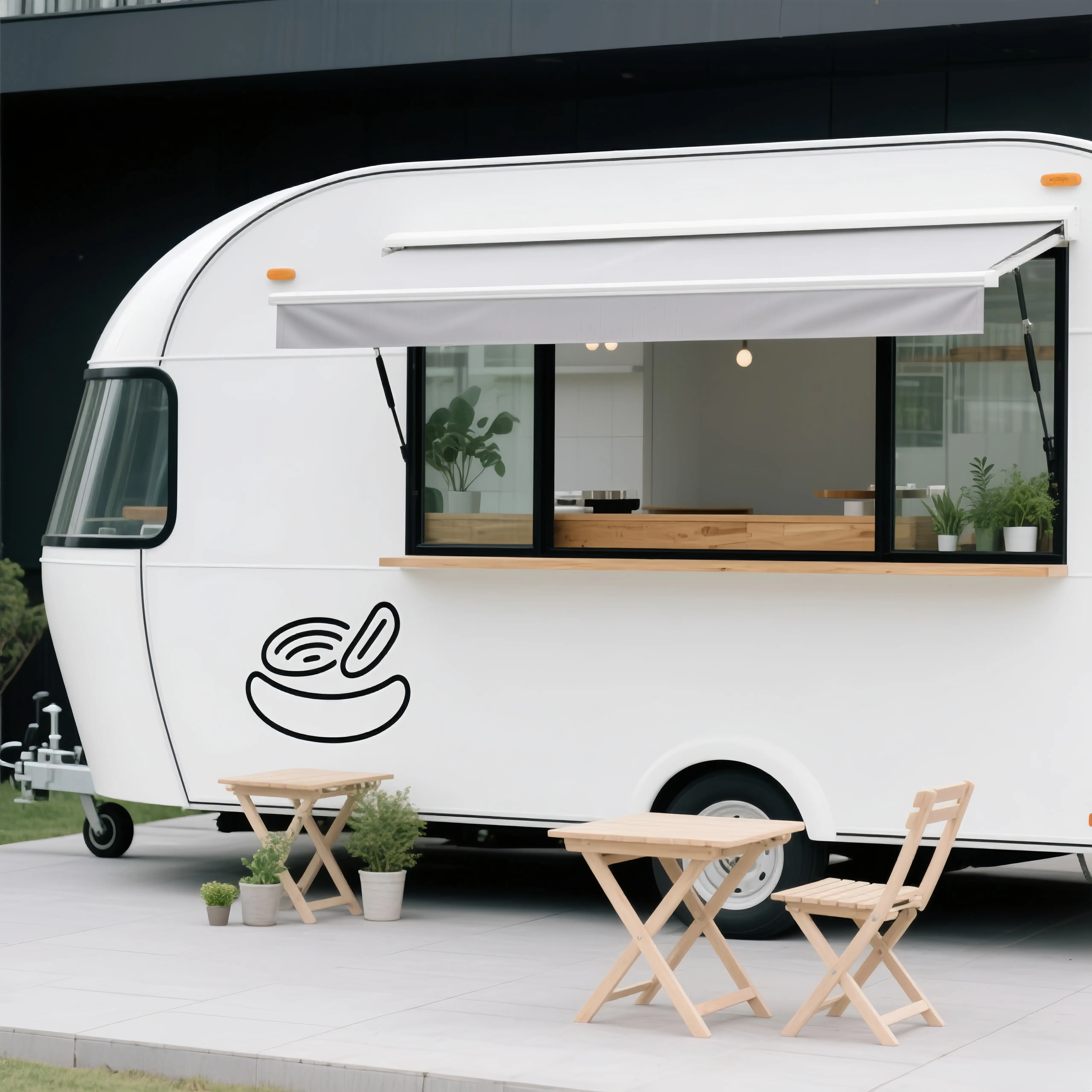

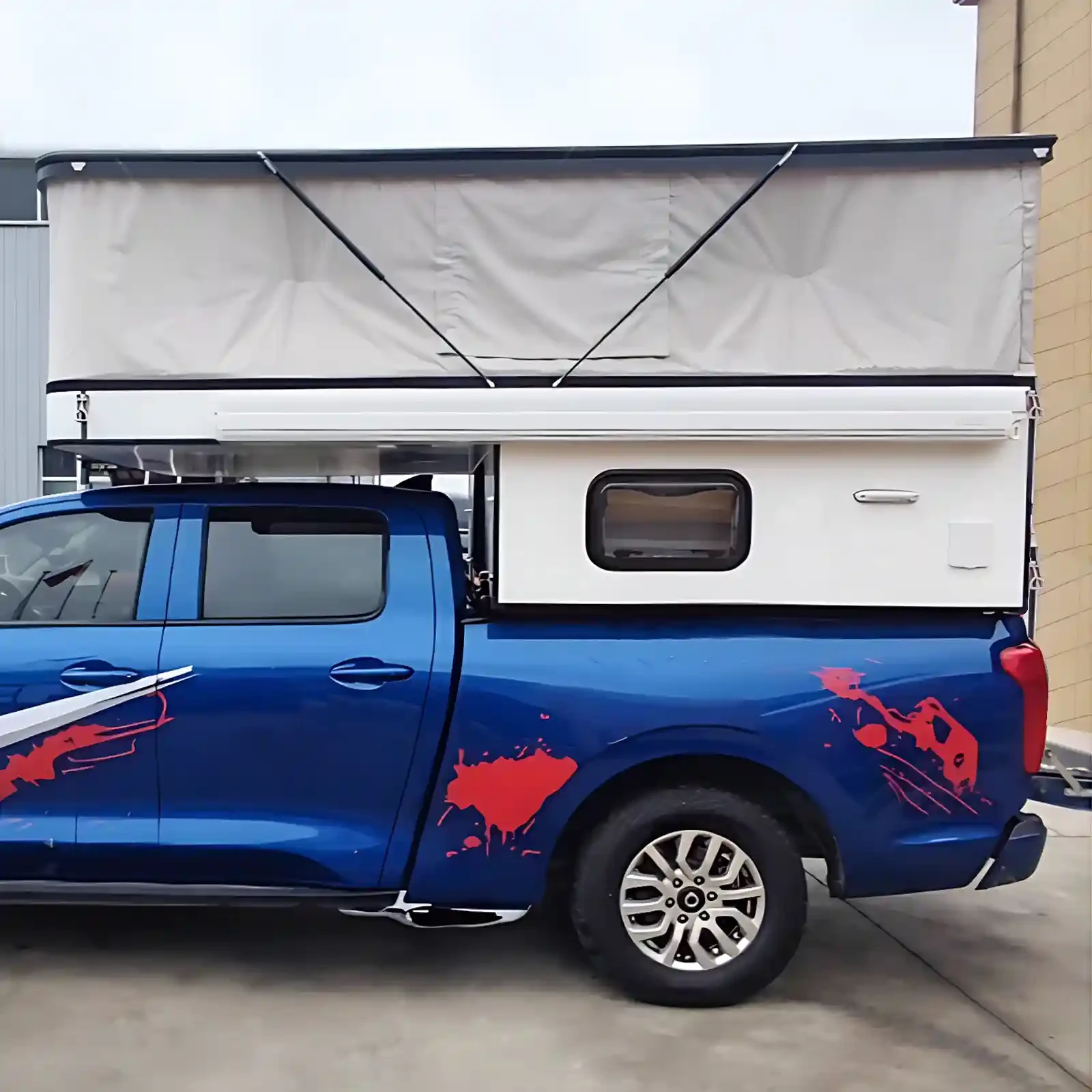


Building brand reputation has become a key focus of competition among prefabricated housing companies.
Currently, with the continuous development of the prefabricated housing industry, competition among enterprises is gradually intensifying. The era when simply relying on product quality to win the market is long gone. In the context of increasingly fierce market competition, building soft power such as reputation and brand has become the focus of enterprise competition.
The era of brand competition has arrived in the prefabricated housing industry.
Today, consumers' material and cultural living standards have generally improved, leading them to demand not only high quality but also a more upscale and sophisticated image from products. Therefore, brand building has become a key consideration for many consumers when purchasing a product. In this era where consumers value brand consumption, brand awareness has gradually become a core competitive advantage for businesses.
In a highly homogenized market, where products and services offered by various companies are largely similar, consumers tend to prefer purchasing from brands they are more familiar with. This is precisely where small and medium-sized enterprises (SMEs) are vulnerable. Currently, the market environment is becoming increasingly complex, and the space for businesses to survive is constantly being squeezed. Finding ways to improve brand awareness may provide SMEs with more room to thrive.
Businesses may enhance brand awareness through various channels.
As people's living standards and consumption levels improve, today's consumers have gradually developed personal pursuits. For example, they don't like to follow popular trends when buying products, but prefer things that can showcase their unique taste. Therefore, when brands promote and advertise in this market, they must closely grasp the psychological needs of consumers. They can design products that meet the needs of local consumers based on their living habits, cultural environment, and extended potential needs, making consumers feel that the product is tailor-made for them, thereby successfully capturing target customers.
Besides, many large brands do a good job in creating buzz, investing heavily in advertising during prime time on CCTV to highlight their brand value. Even companies with tighter budgets hold grand opening ceremonies or large-scale investment promotion events, which are enough to attract the attention of investors in the surrounding area. However, small and medium-sized brands generally don't have many resources to invest in large news media. That's okay too; they can start small by placing outdoor advertisements in front of residential areas where people live every day, such as property management offices and convenience stores-places that people frequently come into contact with daily. This ensures that consumers see the brand information every day and continuously reinforces it in their minds.
Therefore, despite the intensifying market competition, businesses are not without options. In an era where brand reputation is paramount, companies must enhance brand awareness in multiple ways and cultivate a differentiated corporate image to secure a broader market share.