
 USD
USD GBP
GBP
 EUR
EUR
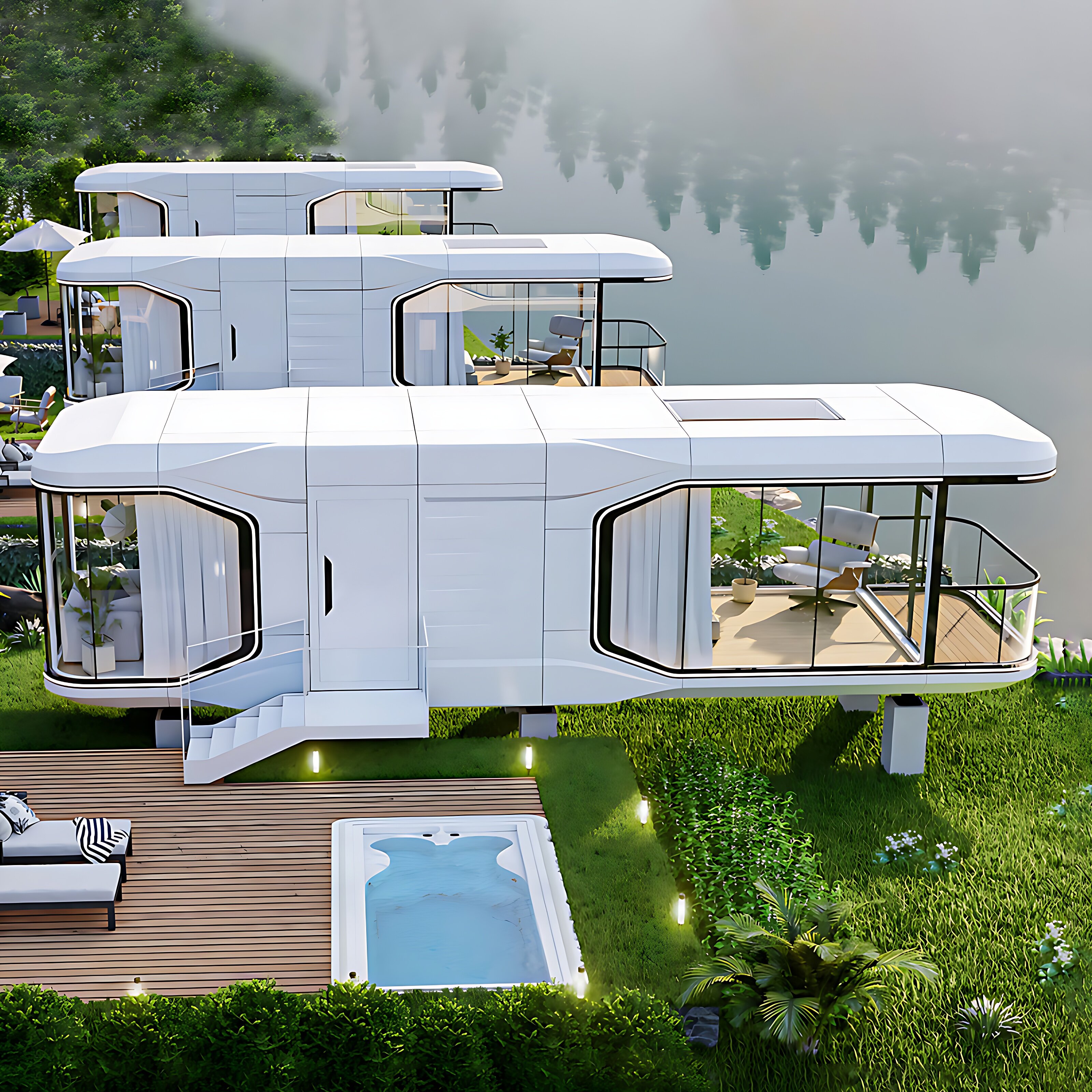
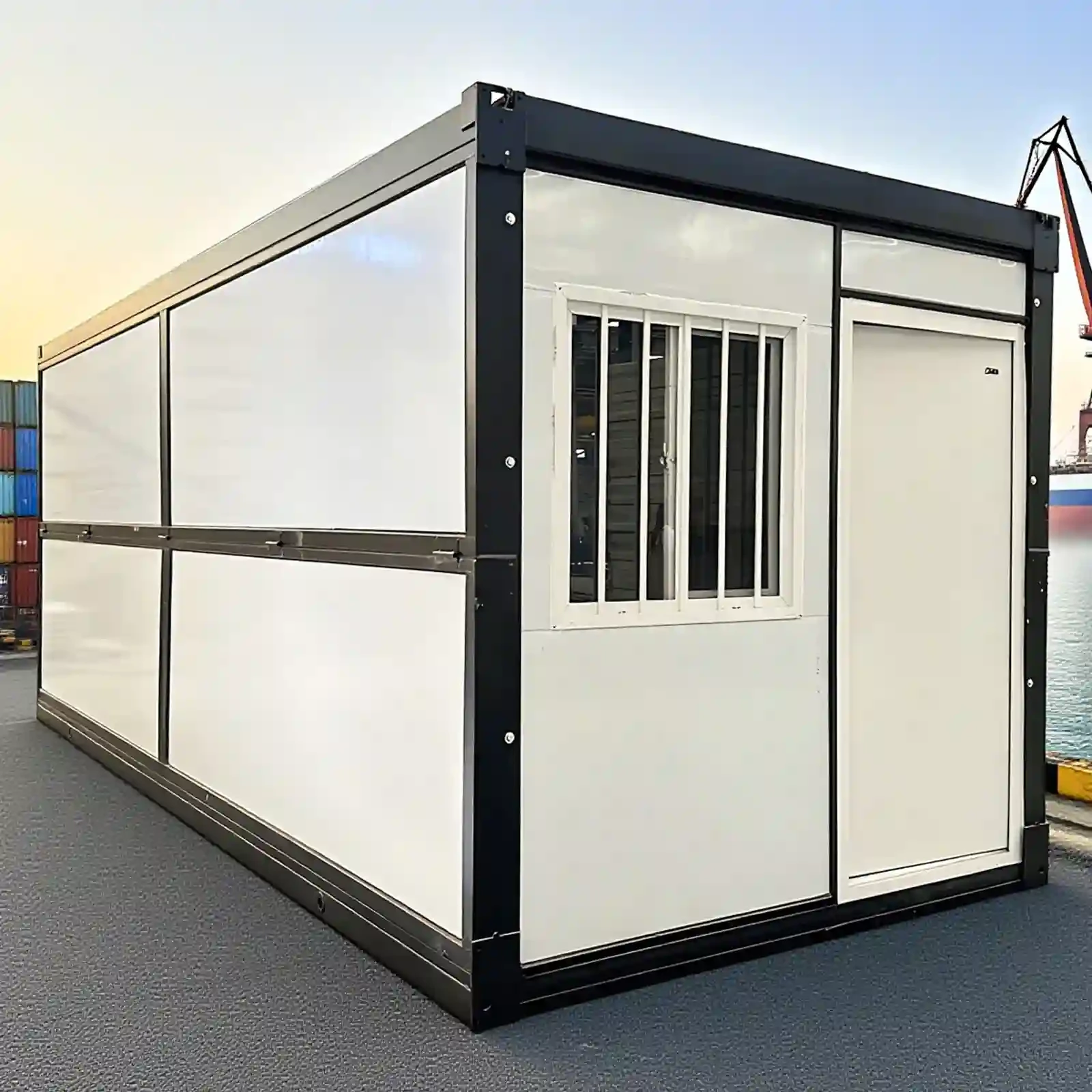
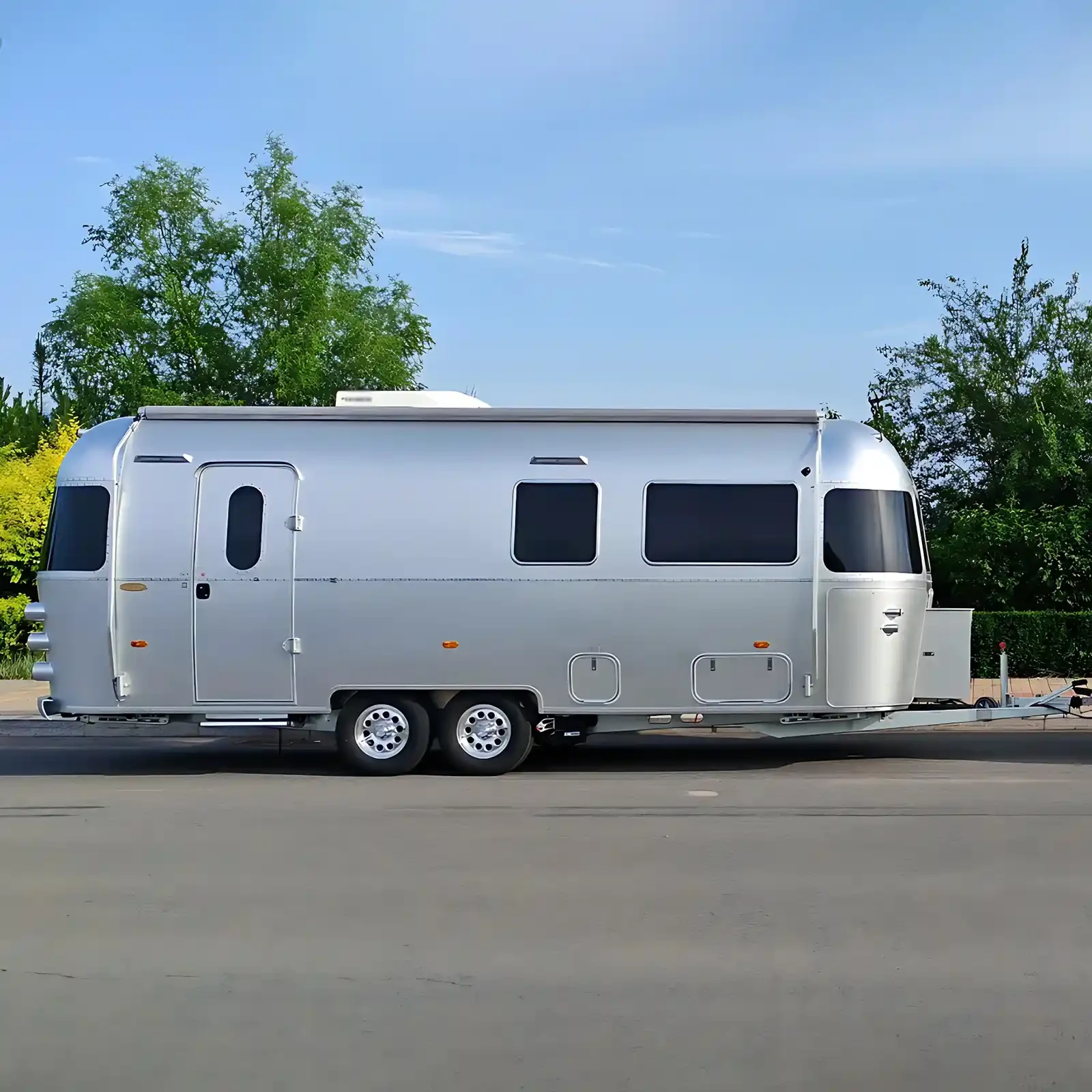
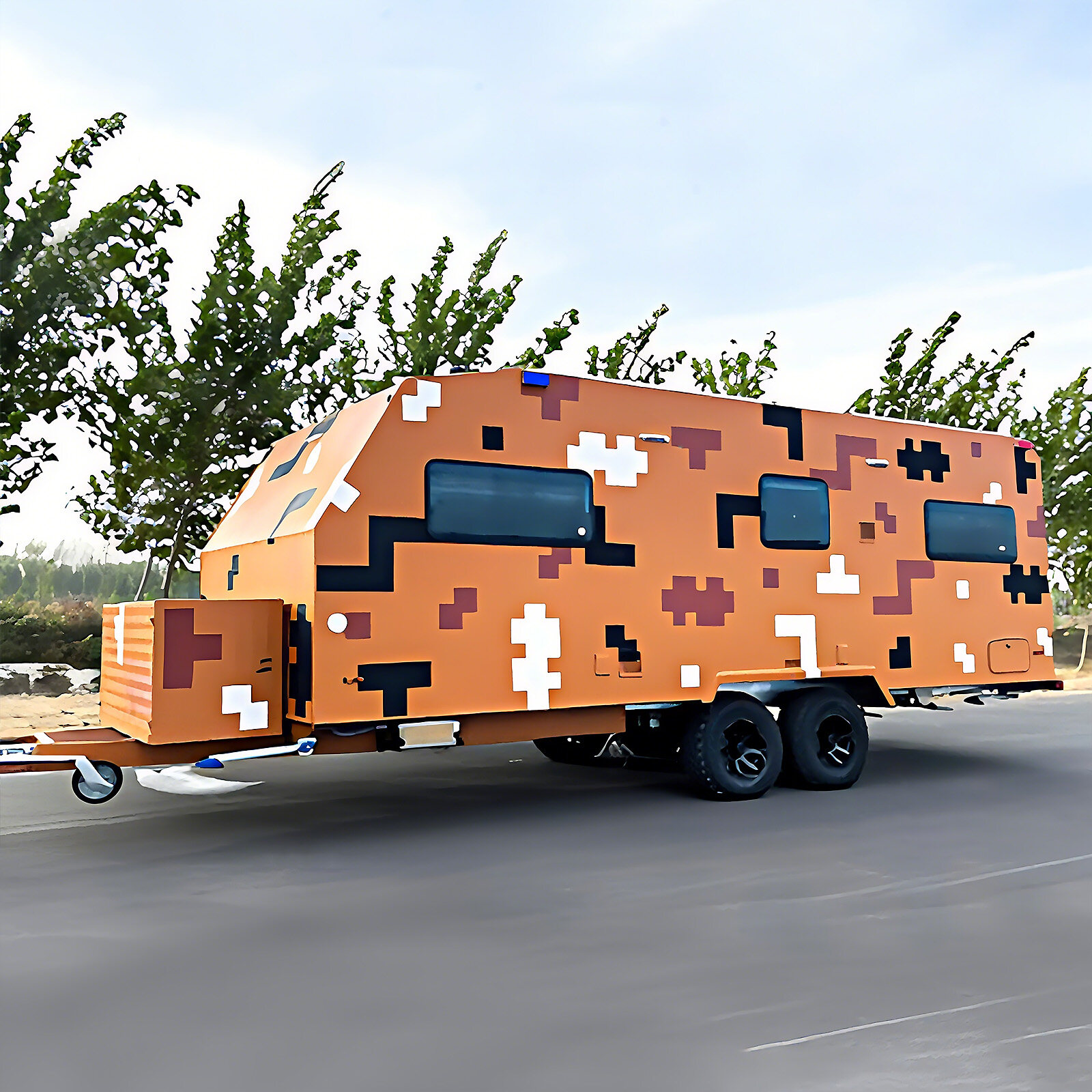




What are the advantages of prefabricated houses?
It is understood that many construction companies and site managers have to consider various factors during the implementation of construction projects, among which the most important are the prefabricated houses for workers' accommodation and office space.
Nowadays, prefabricated houses are very popular in the market. They are sought after by all parties because of their convenience. Moreover, they are not limited to construction sites. They are also frequently needed by regular tenants and disaster area reconstruction. It can be said that prefabricated houses are not simply temporary housing.
Many site managers may be concerned about the construction speed and safety of the prefabricated houses, because the project is implemented quickly, so there are also high requirements for the construction speed of the prefabricated houses.
Or consider the advantages of prefabricated houses as a whole:
Criticality (rapid installation, speeding up project startup)
Unlike traditional houses that require building materials such as cement, bricks, and tiles, prefabricated houses can be assembled directly using modular components, saving a significant amount of building materials and costs. Constructing a 100㎡ house using traditional methods takes more than 10 times longer than building a prefabricated house. Material savings and a short construction period are significant advantages of prefabricated houses as temporary housing.
Recyclable materials are relatively inexpensive.
Because prefabricated houses are assembled, they can also be disassembled and reused. Compared to traditional reinforced concrete, this undoubtedly saves on secondary costs, and their price is also lower than traditional buildings. Many prefabricated house manufacturers are now adopting a rental model, which further reduces costs.
Therefore, prefabricated houses are indeed the best choice for both accommodation and office use.
Mobile office security usage guide.
Life is paramount, and safety comes first. This should be the highest standard on construction sites. Therefore, ensuring the safety of people's lives and property in prefabricated houses is a crucial issue we must prioritize. Regarding temporary prefabricated houses, the following is a safety guide for their use provided by experts.
First, fire prevention.
Fire prevention is of paramount importance, as fires cause the greatest damage, although they are controllable. For prefabricated houses to be fireproof, firstly, the indoor wiring design must be reasonable to prevent short circuits; secondly, care must be taken when using high-power electrical appliances; and thirdly, fire-fighting facilities must be complete and comply with relevant fire safety regulations.
2. Wind protection.
Although prefabricated houses can withstand a certain degree of strong winds, it is still important to take precautions against wind. Do not install prefabricated houses in high places or in windy areas, and make sure to do a good job of the foundation work.
Third, waterproof.
The waterproof layer is mainly for protection against floods, mudslides, landslides, and short circuits caused by rainwater. The main protective measures are in the selection, installation, and design of the prefabricated house.