
 USD
USD GBP
GBP
 EUR
EUR
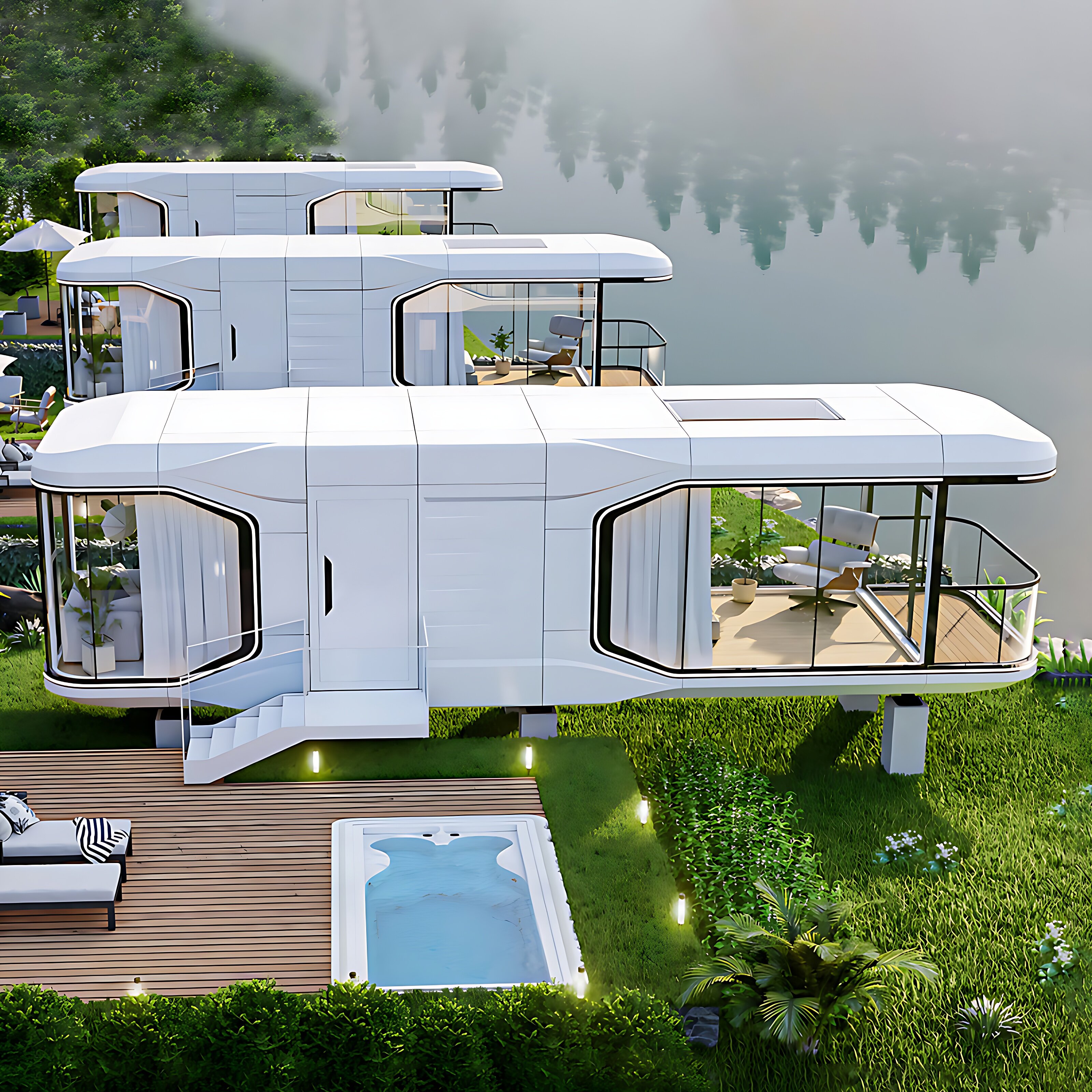
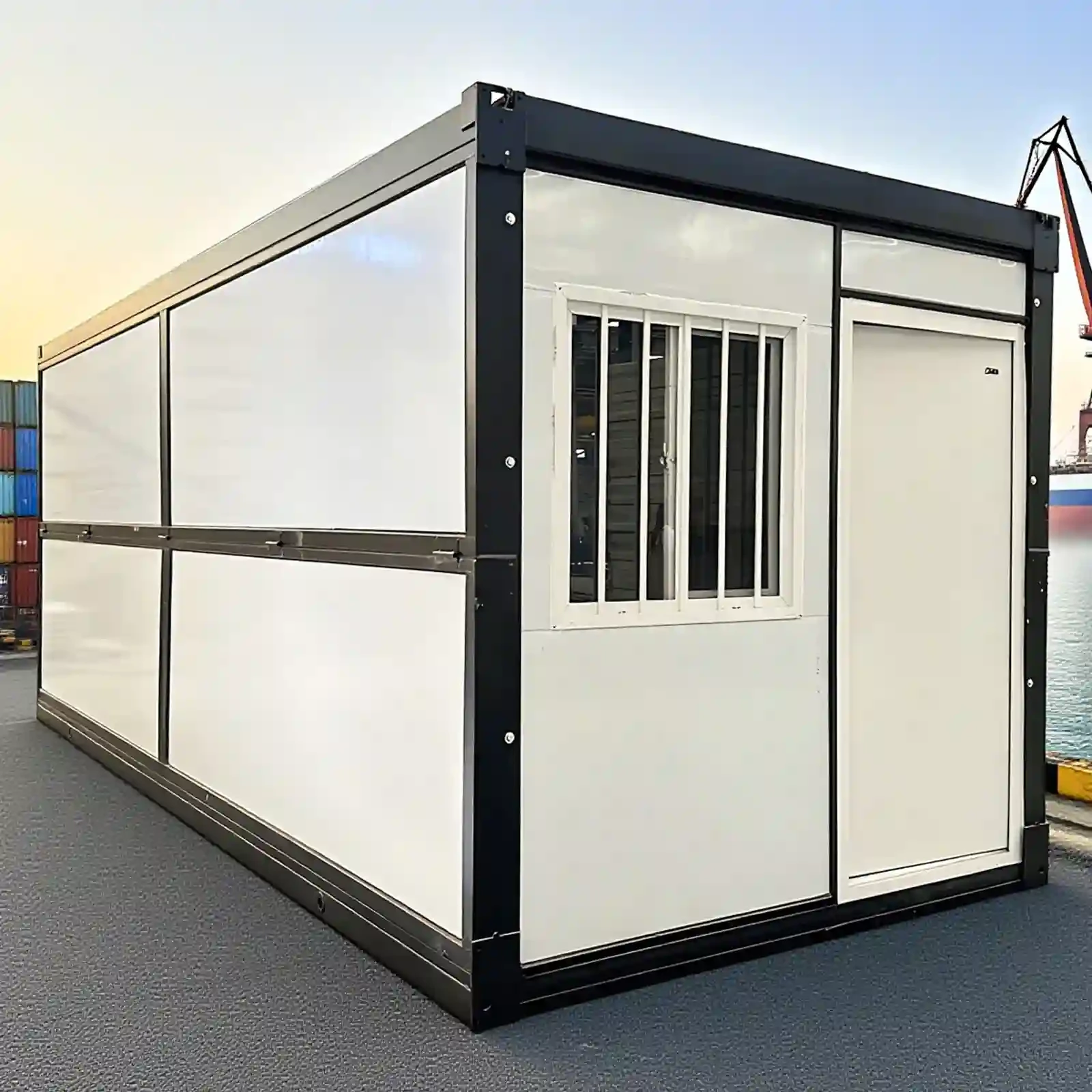




What are the structural design principles of prefabricated houses?
Currently, the design of container houses is based on traditional structural design. That is, the designer determines the structural scheme according to the design requirements, based on their own design experience, and with reference to similar engineering designs, and then performs calculations on strength, stiffness, stability, etc.
In practice, such calculations often serve only as a verification and supplement, confirming the feasibility of the original scheme. However, this approach significantly increases the design cycle and makes it difficult to correctly select numerous design parameters. Structures designed using this method often fail to meet design requirements, or even if they do, they may have irrationalities in structural form, material usage, etc., resulting in overall structural performance that falls short of expectations.
Design refers to the purposeful and planned technical and creative activities undertaken by designers. The task of design is not only to serve life and commerce, but also involves artistic creation. According to industrial designer Victor Papanek, design is the conscious, intuitive effort to construct meaningful order. A more detailed definition follows:
Step 1: Understand the user's expectations, needs, and motivations, as well as the business, technical, and industry requirements and limitations.
The second step: Transform this knowledge into product planning (or the product itself), making the product's form, content, and behavior useful, usable, desirable, and economically and technically feasible. (This is the meaning and basic requirement of design.) This definition can be applied to all areas of design, although the focus of different areas varies from form and content to behavior. With the development of modern technology, the arrival of the knowledge society, and the evolution of innovation forms, design is also evolving from the work of professional designers to broader user participation. User-centered, user-participatory innovative design is receiving increasing attention, and the user-participatory Innovation 2.0 model is gradually emerging. User needs, user participation, and user-centricity are considered important characteristics of design innovation under the new conditions. Users have become the key words of Innovation 2.0, and user experience is also considered the core of the Innovation 2.0 model in the knowledge society environment. Design is no longer the exclusive domain of professional designers; user participation and user-centricity have also become key words in design. The exploration of innovative design models such as Fab Lab and Living Lab is becoming the Innovation 2.0 model of design. The simplest definition of design is a "purposeful creative act." However, design is also a profession. For example, there's a job titled scene designer in the film industry, and a job titled packaging designer in the printing industry. Unlike the English word "Designer," in Chinese, the terms "design" and "designer" can be used interchangeably. The word "design" itself encompasses a considerable number of theories and topics, and the social environment where design is a profession is generally called the design world. Because Western countries have a long history of developing design theories, design history and related theories are often dominated by Western industrial design and architectural design. Since design is generally interpreted as having a clear goal, in modern times, creations that contradict the meaning of design are referred to as randomness, etc. In the West, large-scale design systems are often called "Architecture." Here, "architecture" doesn't refer to specific architectural disciplines, but rather an abstract term.
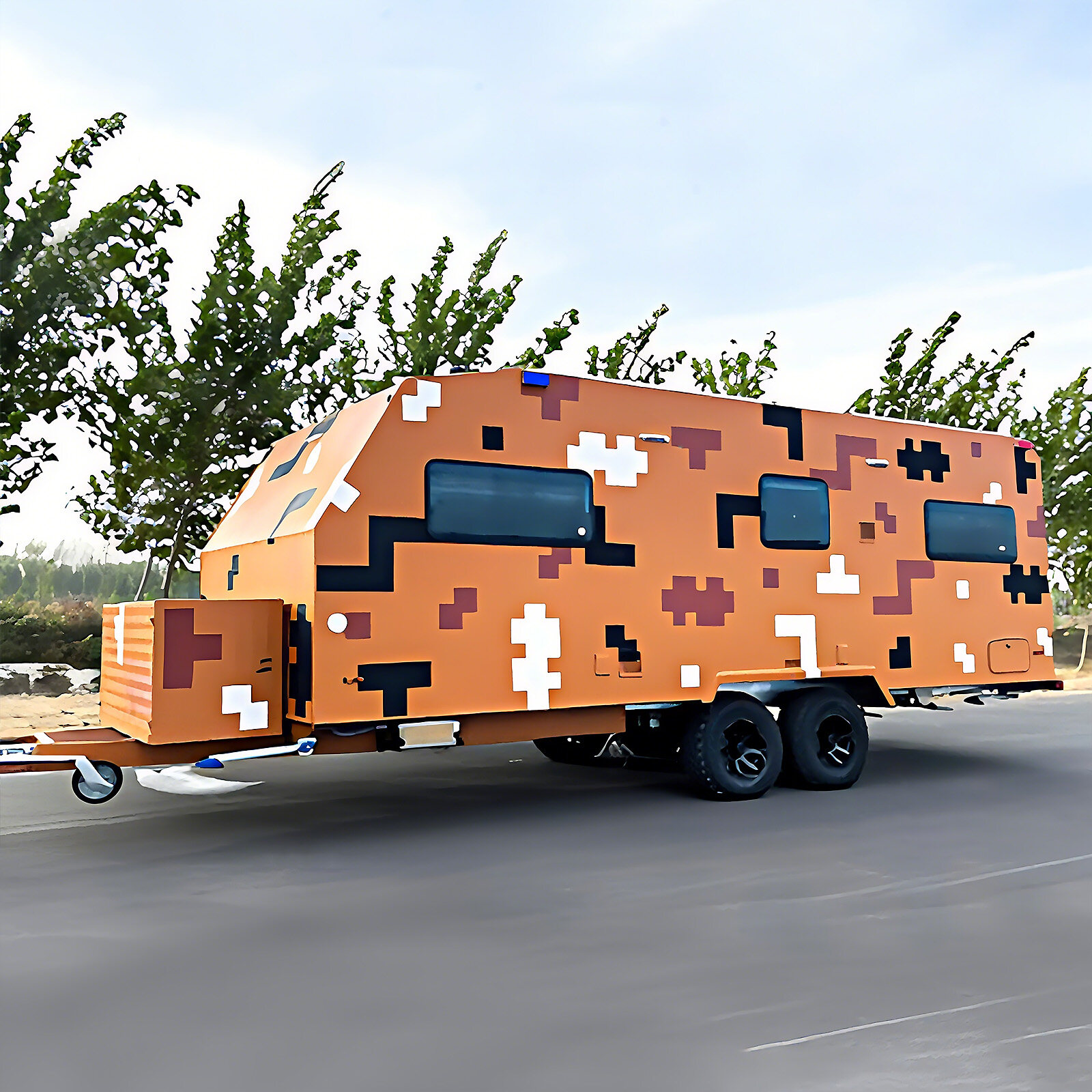
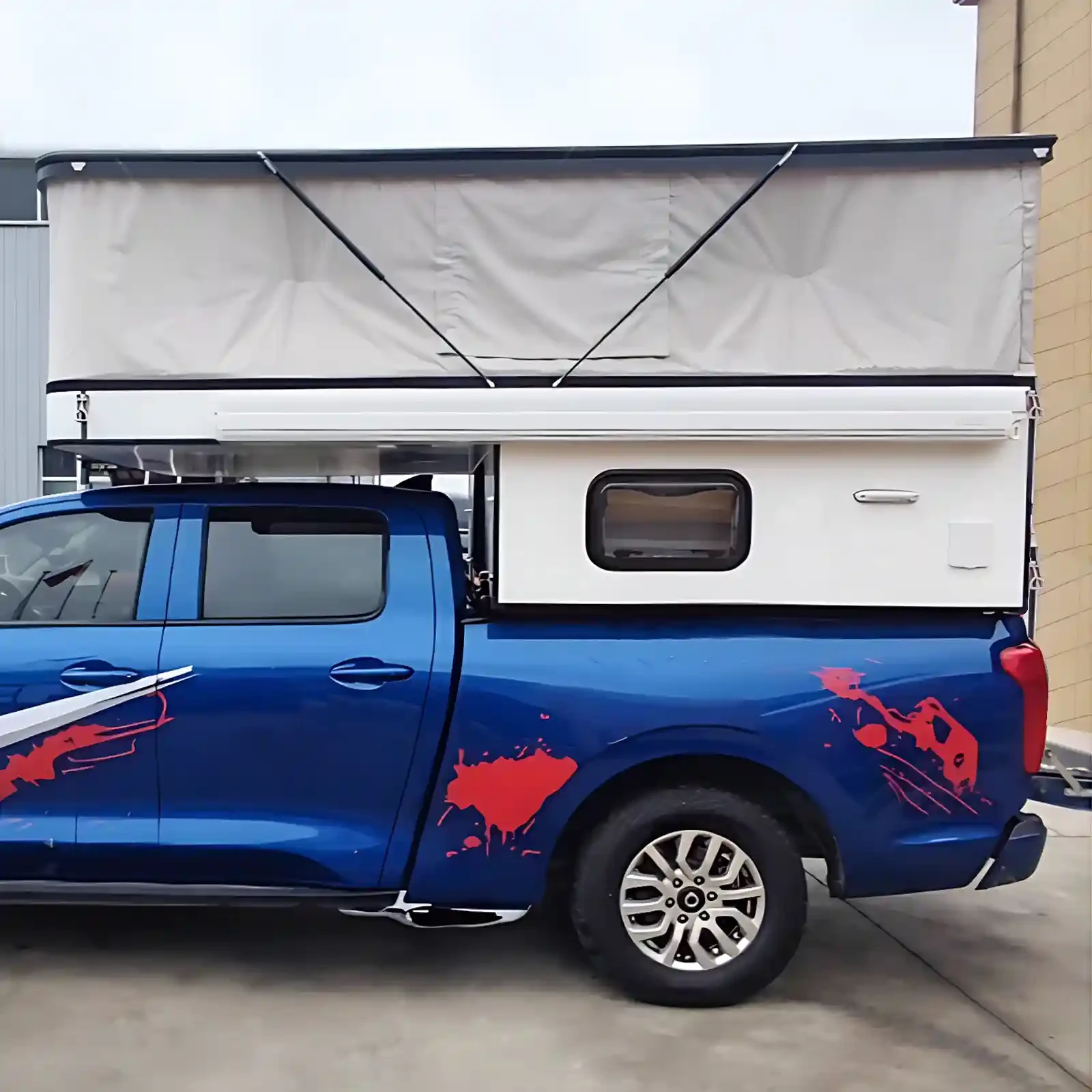
Mobile homes originated in the United States, tracing back to early automobile and electric road trips. They originated from travel trailers -small, wheeled units often used for camping. This type of housing arose from the need for mobility. Initially, these homes were primarily sold to groups with nomadic lifestyles and mobile work habits, for whom fixed housing was unsuitable. Beginning in the 1950s, these homes were promoted as affordable housing, built and placed in one location for extended periods, even permanently installed on stone foundations. Previously, these housing units were 8 feet (3 meters) or less wide, but in 1956, 10-foot (3-meter) wide homes were introduced with the new term "mobile home." These mobile homes were rectangular, made of painted aluminum sheets, unlike the streamlined shape of travel trailers, and were typically assembled and then painted. This helps distinguish mobile homes from travel trailers. In the 1950s, mobile homes began to gain popularity in Europe, and then spread to developed countries such as Canada and Japan in the 1960s. Prefabricated houses entered China in the 1960s, initially mainly used for temporary housing. With product development, they were gradually used for offices, guard posts, warehouses, and other similar functions. After 2000, the rapid development of the real estate industry created an opportunity for the further development of prefabricated houses.
The main contents and steps of superstructure design are as follows: 1. Determine the structural system and main structural materials based on the architectural design; 2. Structural plan layout; 3. Preliminary selection of material types and strength grades, and preliminary determination of component cross-sectional dimensions based on experience; 4. Structural load calculation and internal force analysis under various loads; 5. Load effect combination; 6. Component cross-sectional design. In addition, it includes certain necessary structural measures. It needs to be based on relevant structural engineering specifications and atlases. Superstructure design: mainly divided into frame structures, shear wall structures, frame-shear wall structures, frame-core tube structures, tube-in-tube structures, and masonry structures. Foundation design: 1. Determine the foundation type and material strength grade based on the engineering geological survey report, superstructure type, load effects transmitted from the superstructure, local construction technology level, and material supply conditions. Generally, there are shallow foundations (such as isolated foundations, strip foundations, etc.) and deep foundations (such as pile foundations). 2. Determine the foundation bottom area and verify the foundation bearing capacity. 3. Calculate the foundation internal forces and reinforcement. 4. Consider necessary structural measures. Structural construction drawings are written in the language of structural engineers and are directly presented to the construction site and related engineering technicians. They should be drawn in accordance with certain specifications.