
 USD
USD GBP
GBP
 EUR
EUR

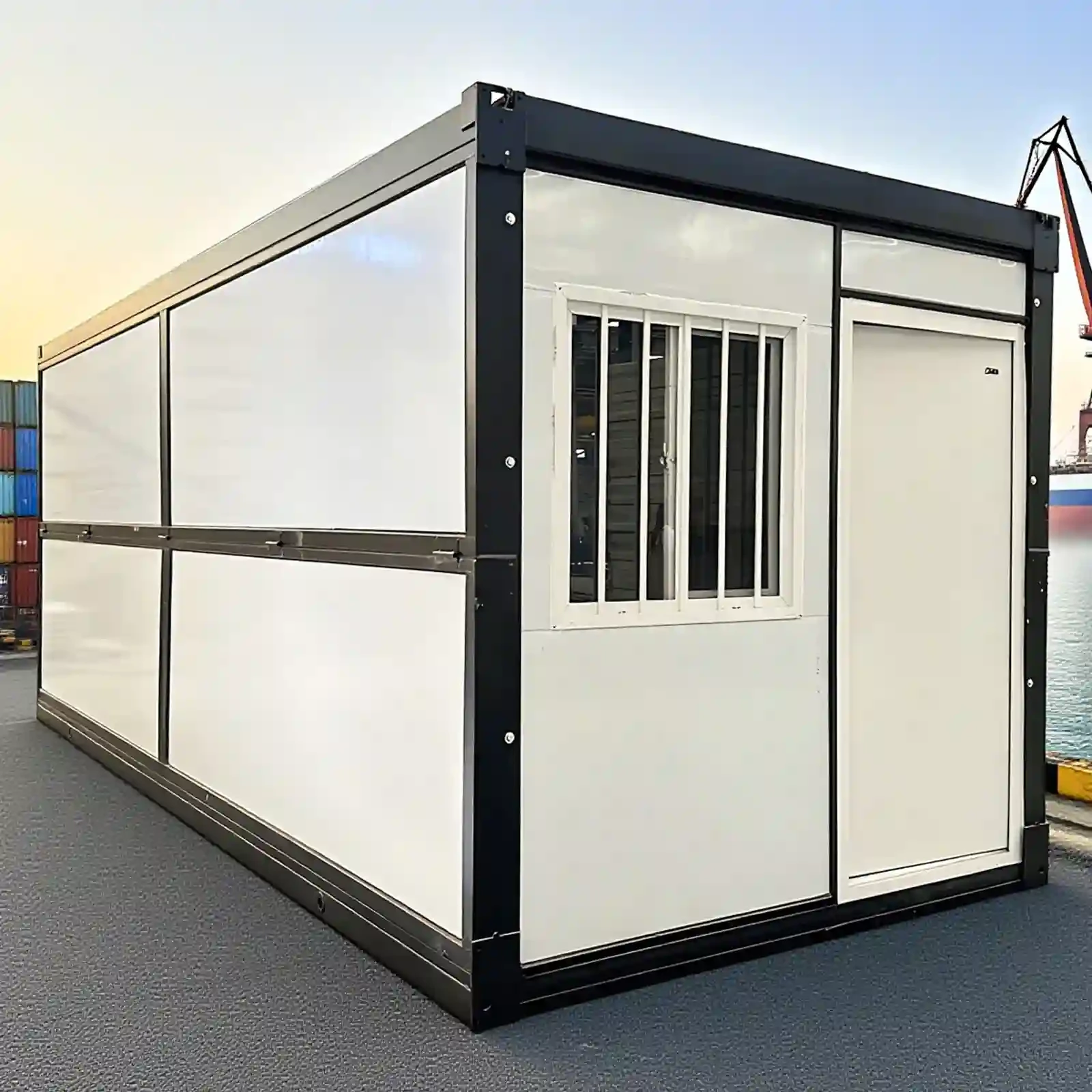

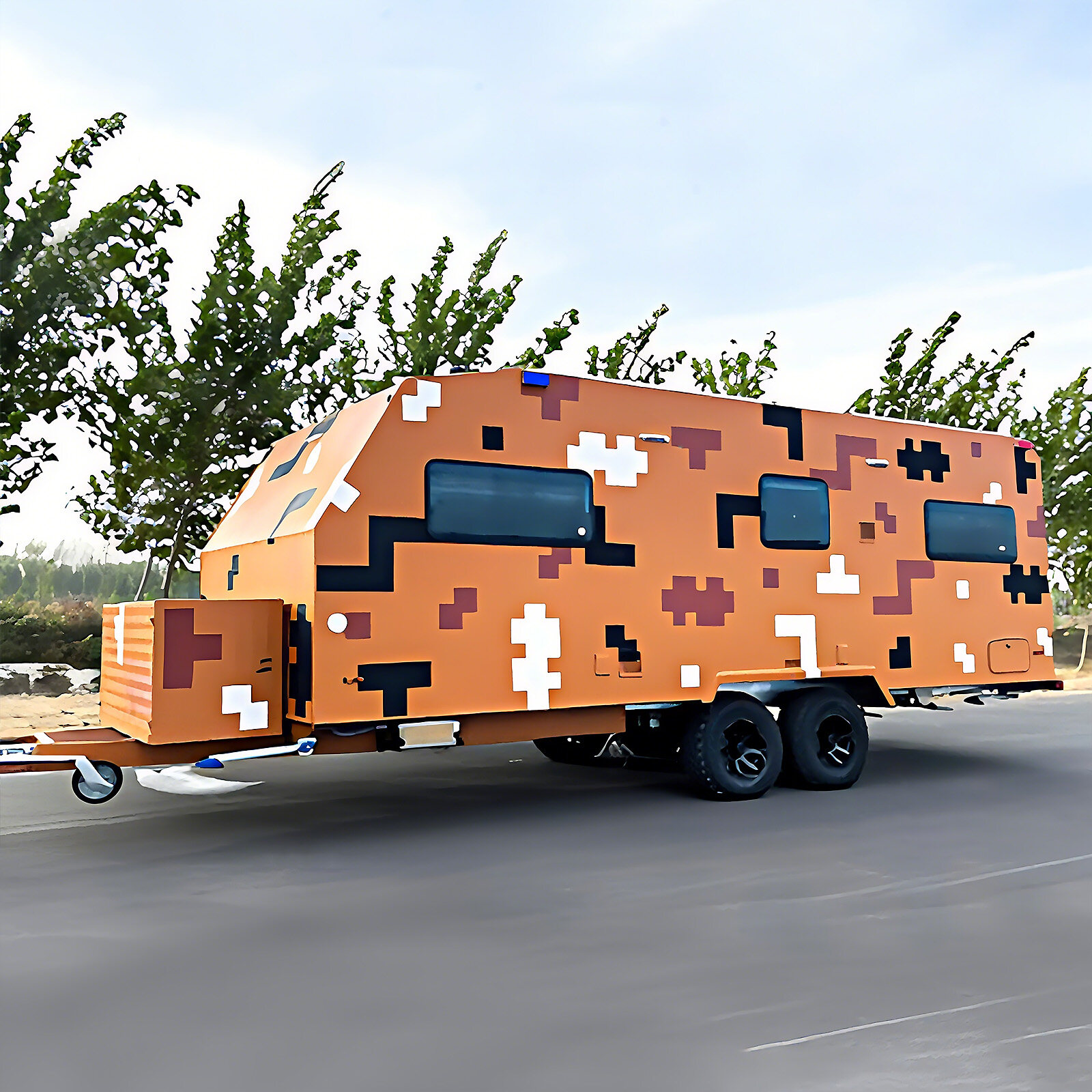





How should prefabricated housing companies make adjustments in response to the overall economic upgrading?
Under the new normal of the economy, the overall growth rate of the national economy has slowed down. As part of the real economy, the prefabricated housing industry should clarify its economic position in the new economic tide in order to adapt to the changes of the times and actively make adjustments. In the future, China's economy still has huge room for development.
The overall economic upgrading trend is unstoppable.
China's economy is undergoing a comprehensive upgrade, contrary to some pessimistic predictions that it will face widespread unemployment and decline due to a manufacturing downturn. Unlike other emerging economies, China is not merely a single country, but a behemoth spanning a vast territory. In terms of both geography and population, China is comparable to the whole of Europe. This is an unprecedented economic event in the modern age of technological civilization - the overall rise of an economy with a population exceeding 1.3 billion. This is a magnificent spectacle unseen in history, its emergence exceeding the applicability of all existing economic theories and requiring study from a completely new perspective.
China's cutting-edge industries are taking shape and expanding, encompassing intelligent manufacturing, space technology, drones, mega-military industries, mega-projects, advanced environmental protection, high-speed rail, finance, high-end services, information technology, and more. China is catching up in almost every industrial sector of human scale, something unimaginable 30 years ago. The technological, engineering, and even technological and standards monopolies that China may develop in these areas will become the new main engines of the Chinese economy, leading to strong competitiveness in a new era - something far beyond the simple OEM (Original Equipment Manufacturer) advantage of the past.
The Position of the Prefabricated Housing Industry in the New Economy
With the powerful new engine driving the Chinese economy, an overall economic recession is unrealistic. On the contrary, the Chinese economy will undoubtedly generate upgraded momentum, forming a new economic torrent that sweeps the globe. This also forms the solid industrial foundation for the " Belt and Road " initiative. Where does this industry fit into this new economic landscape ?
The industry's semi-industrial, semi-service nature has protected the survival of a large number of small and medium-sized enterprises. Therefore, business owners who use the sluggish economic environment as an excuse for their business failures should look for the reasons in their own business practices rather than blaming unfavorable circumstances or bad luck.
Defining the future economic landscape and the path enterprises should take.
Once the future economic landscape is clear, it becomes clear which path to take amidst the cacophony of conflicting opinions . Specifically, in business operations, what should be changed, and what should not be changed ?
In a developed economy, manufacturing will serve a wealthier population who are not only financially richer but also more culturally sophisticated. Businesses targeting this demographic should change old forms, old mindsets, and old approaches - if consumers are no longer enthusiastic. New consumers, seeking convenience, will utilize more technological means and cultural symbols for purchasing, such as the internet, expert advice, and the pervasive influence of social circles. What should not change is the essence of business: innovative design, a culturally fashionable image ; reliable quality ; unwavering integrity ; absolute product safety ; and exceptionally attentive and comprehensive service, etc.