
 USD
USD GBP
GBP
 EUR
EUR

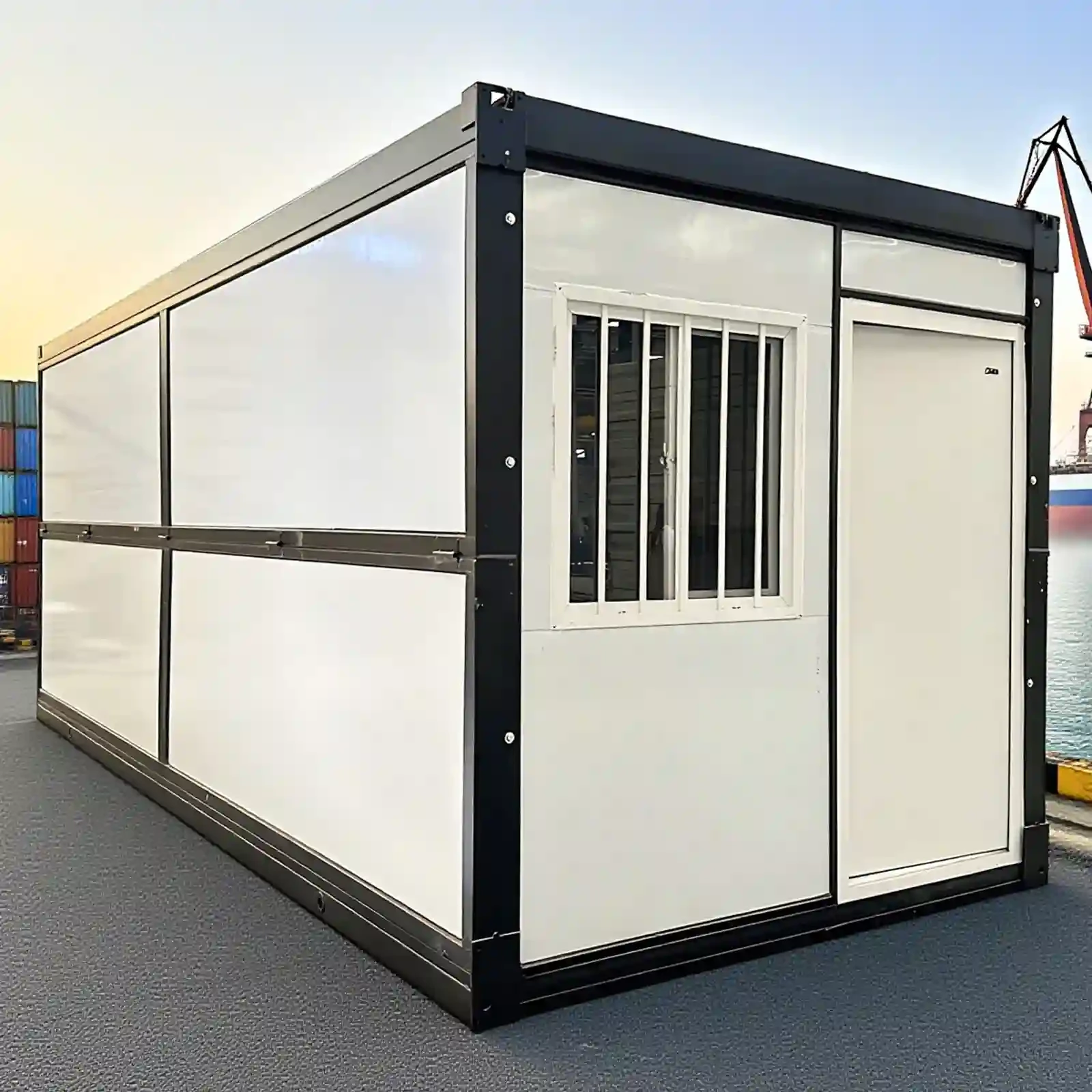

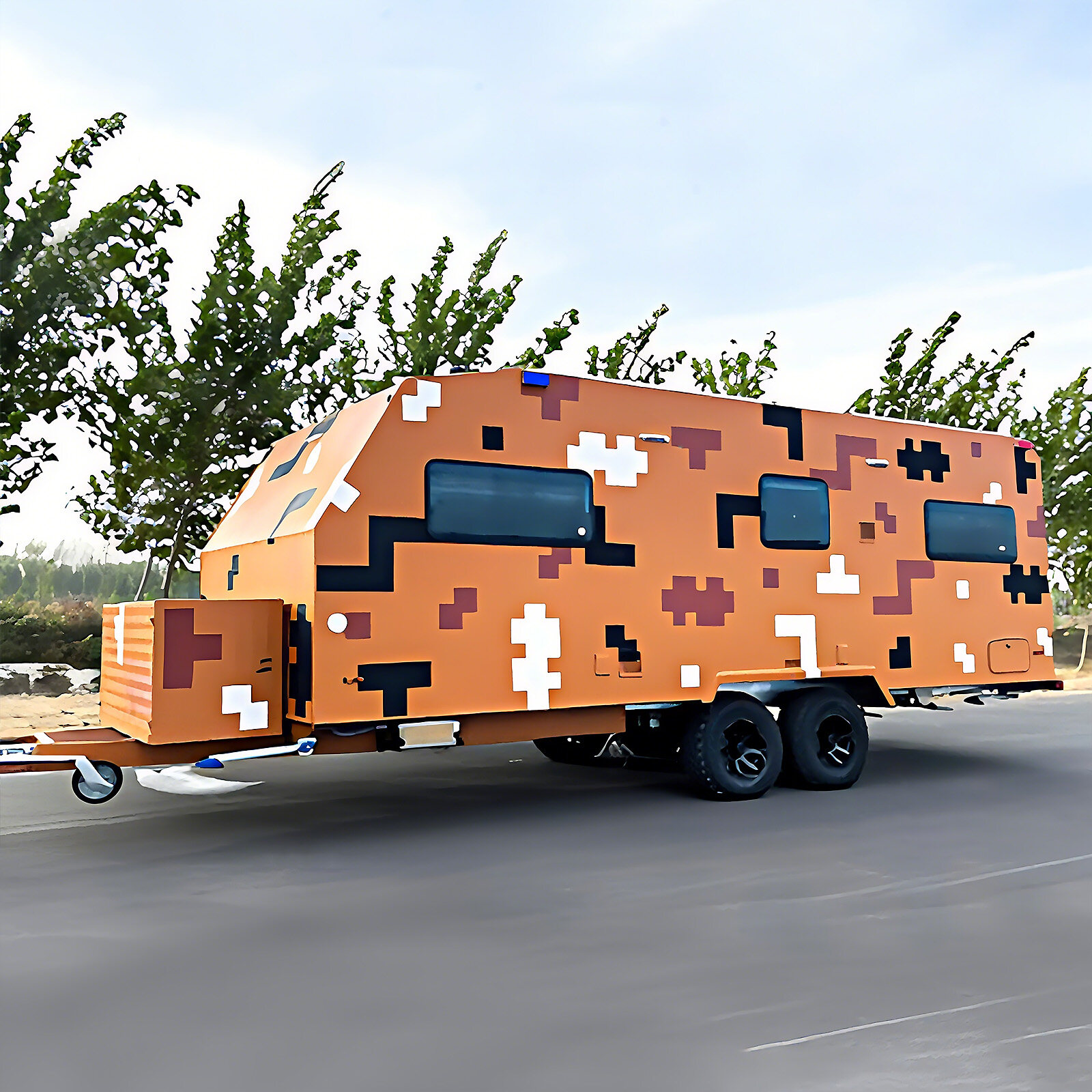


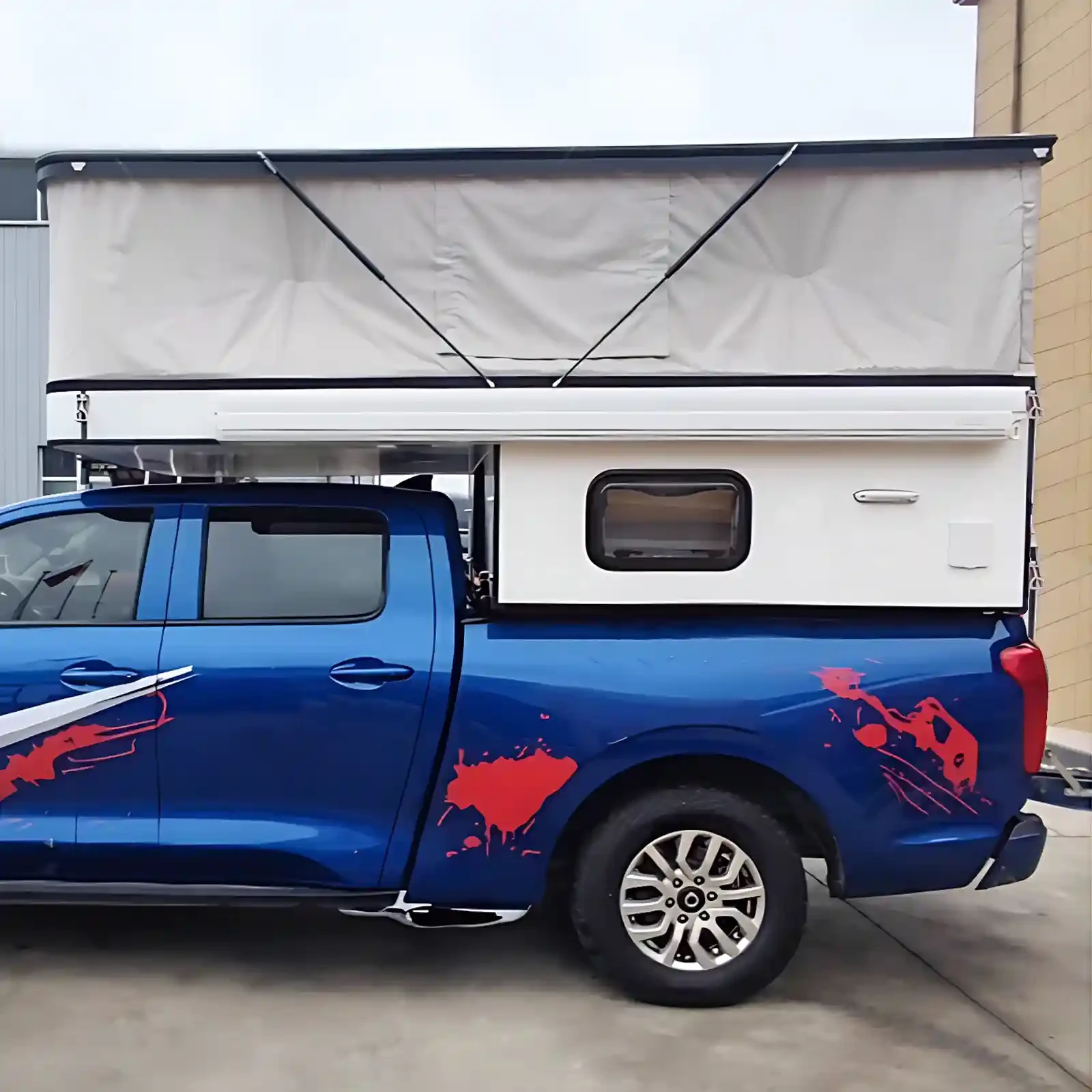


What are the two major challenges currently facing the prefabricated housing industry?
As competition intensifies in the prefabricated housing industry, particularly with widespread price wars, the entire sector faces downward pressure on prices. On one hand, there's the pressure of rising costs; on the other, there's the predicament created by price fluctuations. Furthermore, product homogenization, like weeds growing in a swamp, hinders the industry's progress. The future direction of the prefabricated housing industry remains shrouded in mystery, like trying to see flowers through a fog.
I. The Problem of Homogenization
In reality, the industry suffers from severe product homogenization, leaving many companies with no choice but to compete on price. Currently, without prior knowledge, it's difficult to accurately determine the brand of a product at any given moment; most products are similar, featuring uniform " trendy " designs. This product homogenization naturally leads some companies to resort to price wars.
A company's pricing strategy is not so simple; a price war does not necessarily mean low prices. From an economic perspective, the price elasticity of a product is determined by supply and demand. When a product price decreases, demand naturally increases, indicating that the product's price is highly elastic. Simply put, sales immediately rise after a price reduction; only then does the price reduction have value. Typically, industries that favor a low-price strategy are mostly small and medium-sized enterprises (SMEs) that lack established brand recognition; they simply want to boost sales through price wars. For the industry as a whole, launching a price war rashly, even if distributors are willing to participate, whether consumers will follow suit remains uncertain .
II. A fully developed economic market
In today's free and fully competitive market ( without oligopolies ) , prices are not determined by any single company; both sides are engaged in a " game . " If you lower your price, others will naturally follow suit, resulting in no change in demand, only a decrease in the overall industry price. For example, the wine industry is highly competitive, and it should have a " corkage fee . " Simply put , a " corkage fee " is a form of " hidden bribe " to waiters . Initially, it has a noticeable effect, making waiters treat you with " extraordinary " hospitality . However, what if other companies start offering it ? Just like with product price reductions, it ultimately leads to a vicious cycle of competition within the industry.
Price wars can be categorized into low-price and high-price types. Some companies succeed using a high-price strategy, but the term " price war " naturally evokes images of low-price tactics, even labeling them as " price killers . " In reality, companies facing cash flow problems or widespread product quality issues often resort to low prices, sacrificing profits for rapid revenue growth-a form of slow suicide. Declining profits mean reduced investment in R&D, technology, innovation, marketing, and management, ultimately hindering the company's long-term development.
Many people talk about resource integration and cross-industry thinking, but everything comes at a price. A low price is not a solution, and any integration without profit is nonsense.