
 USD
USD GBP
GBP
 EUR
EUR
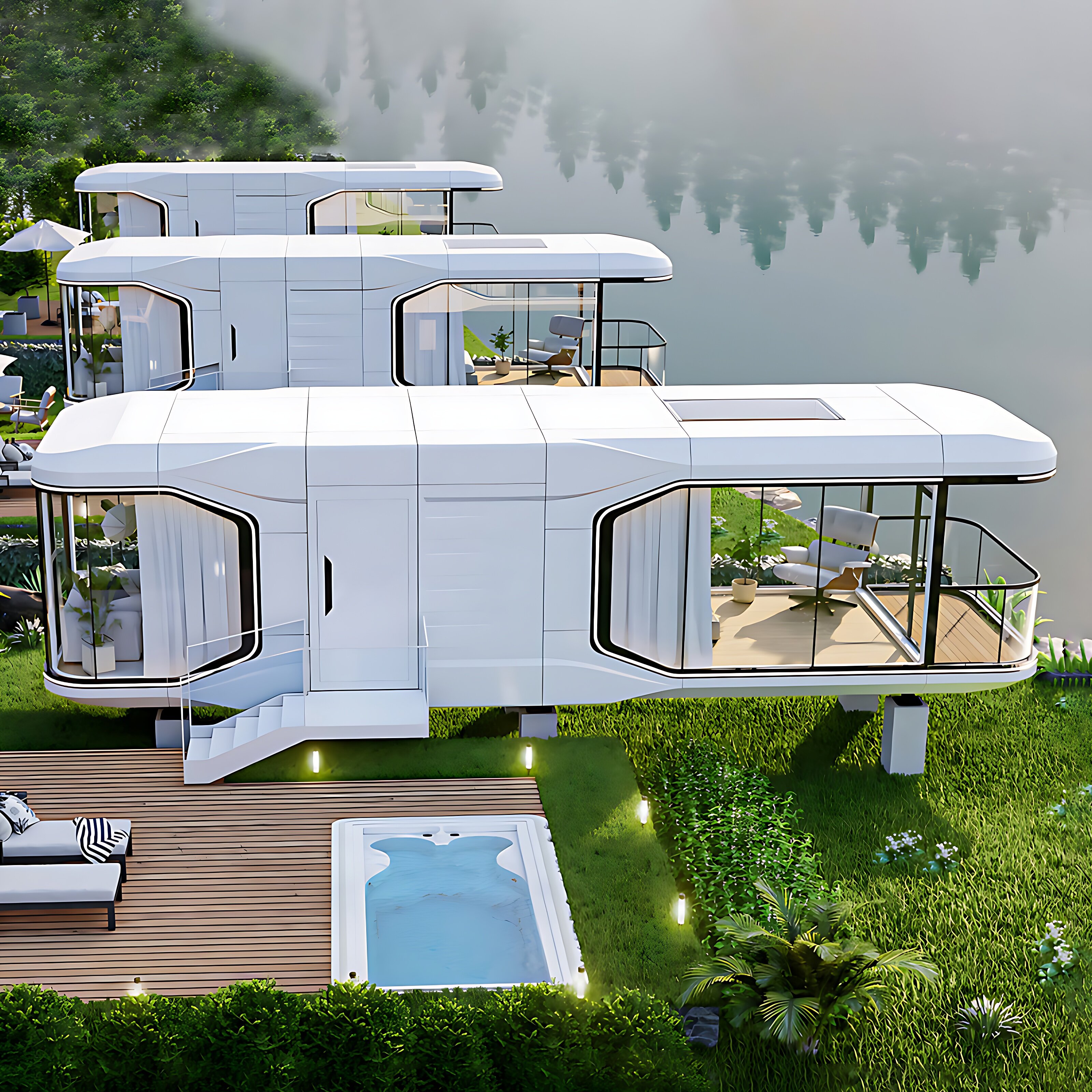
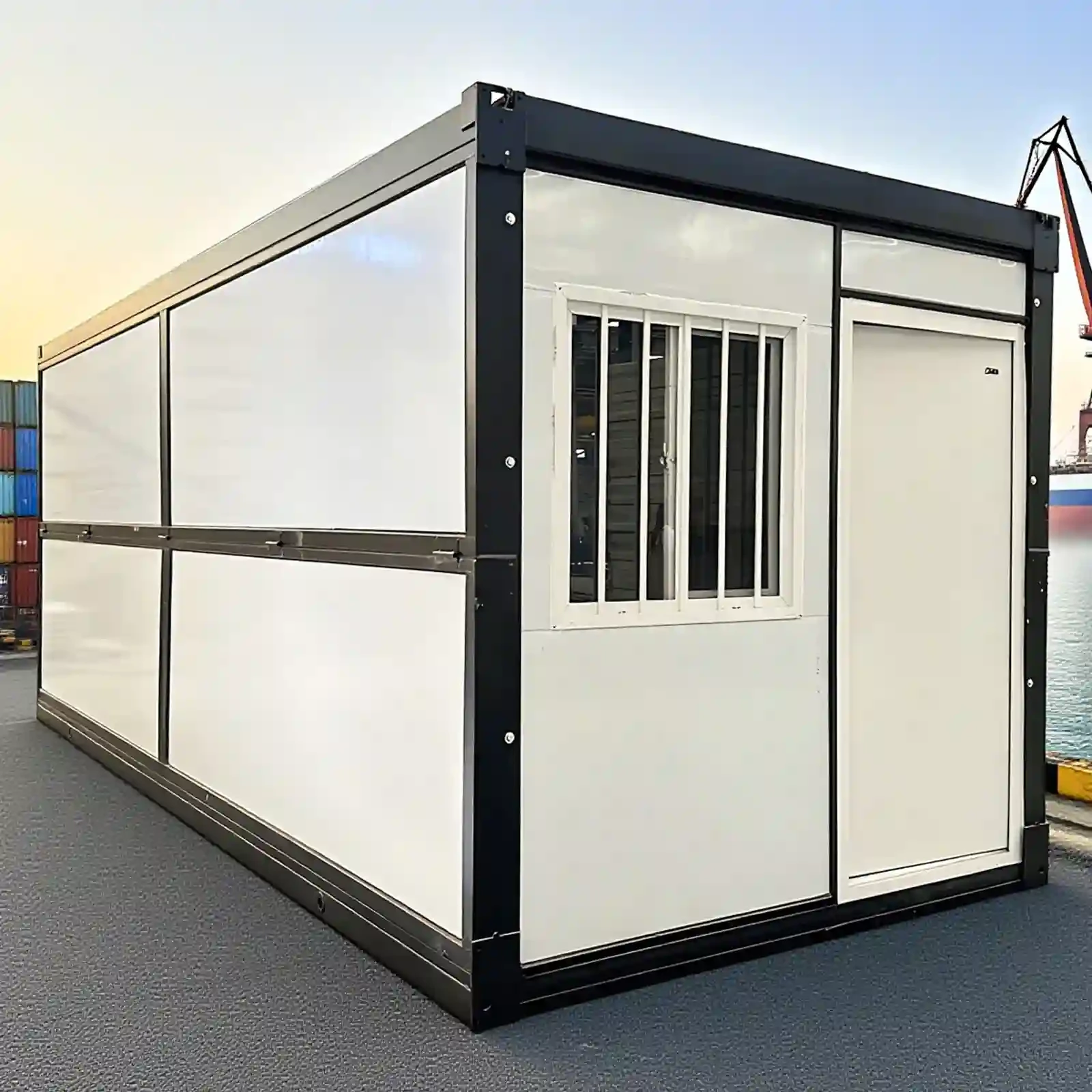

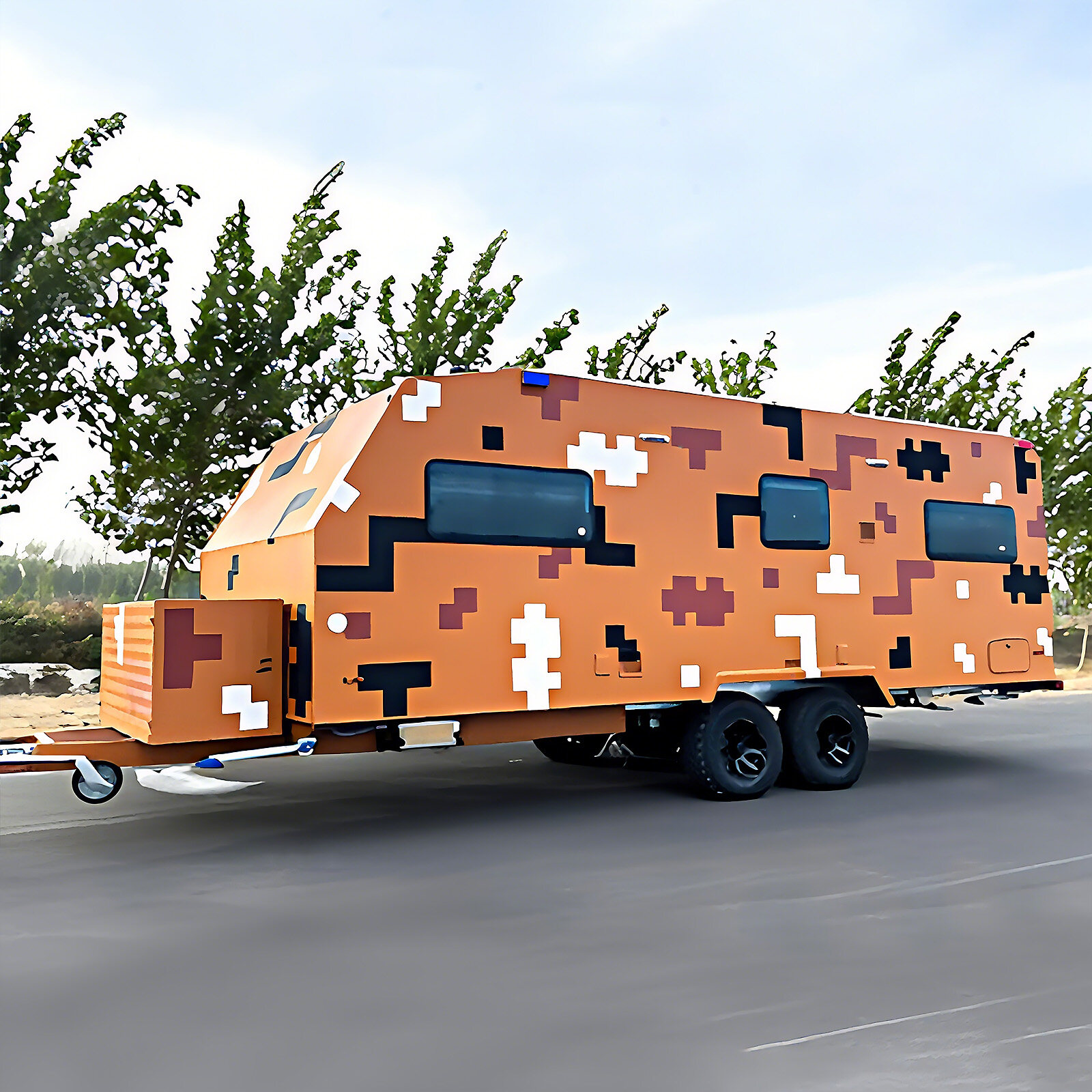


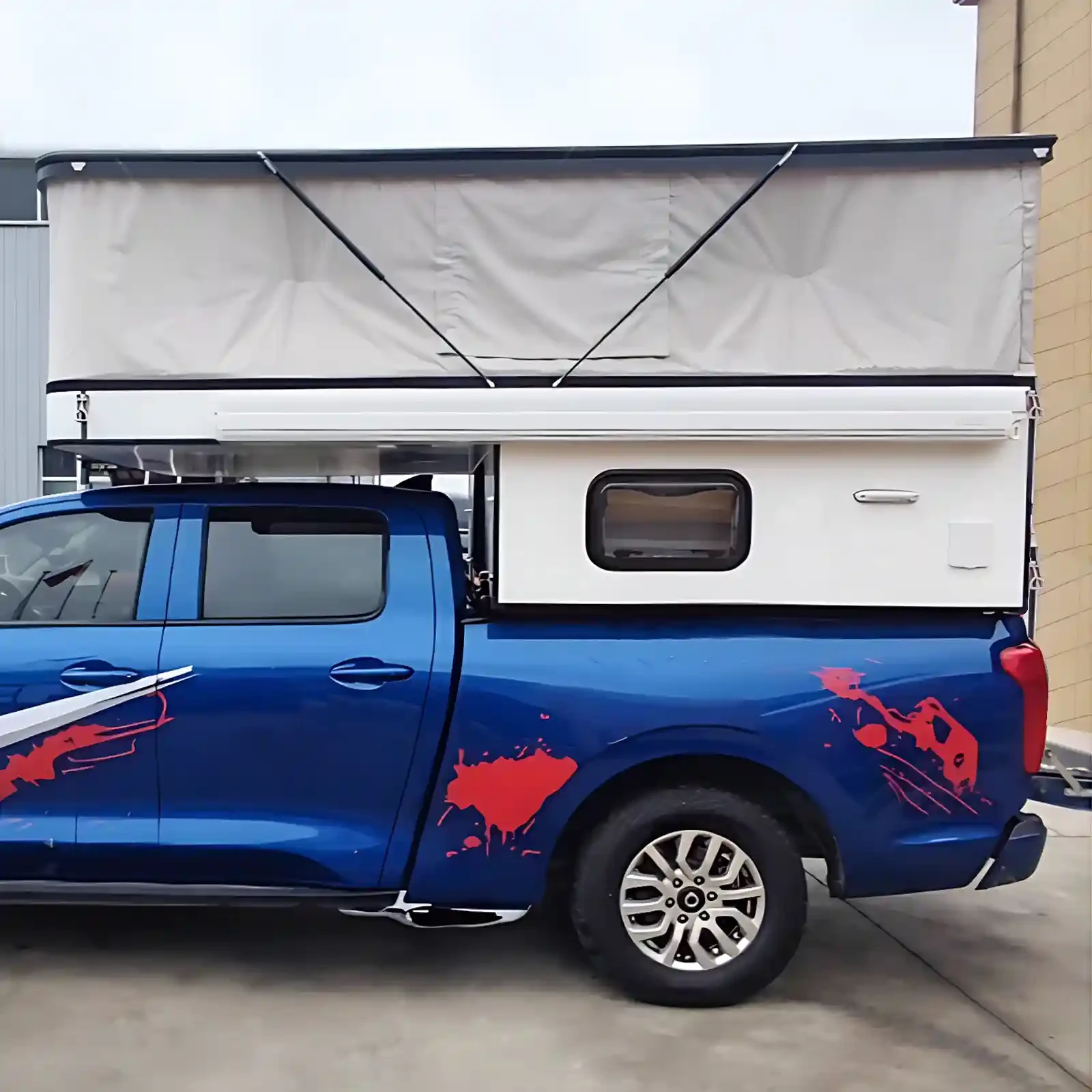

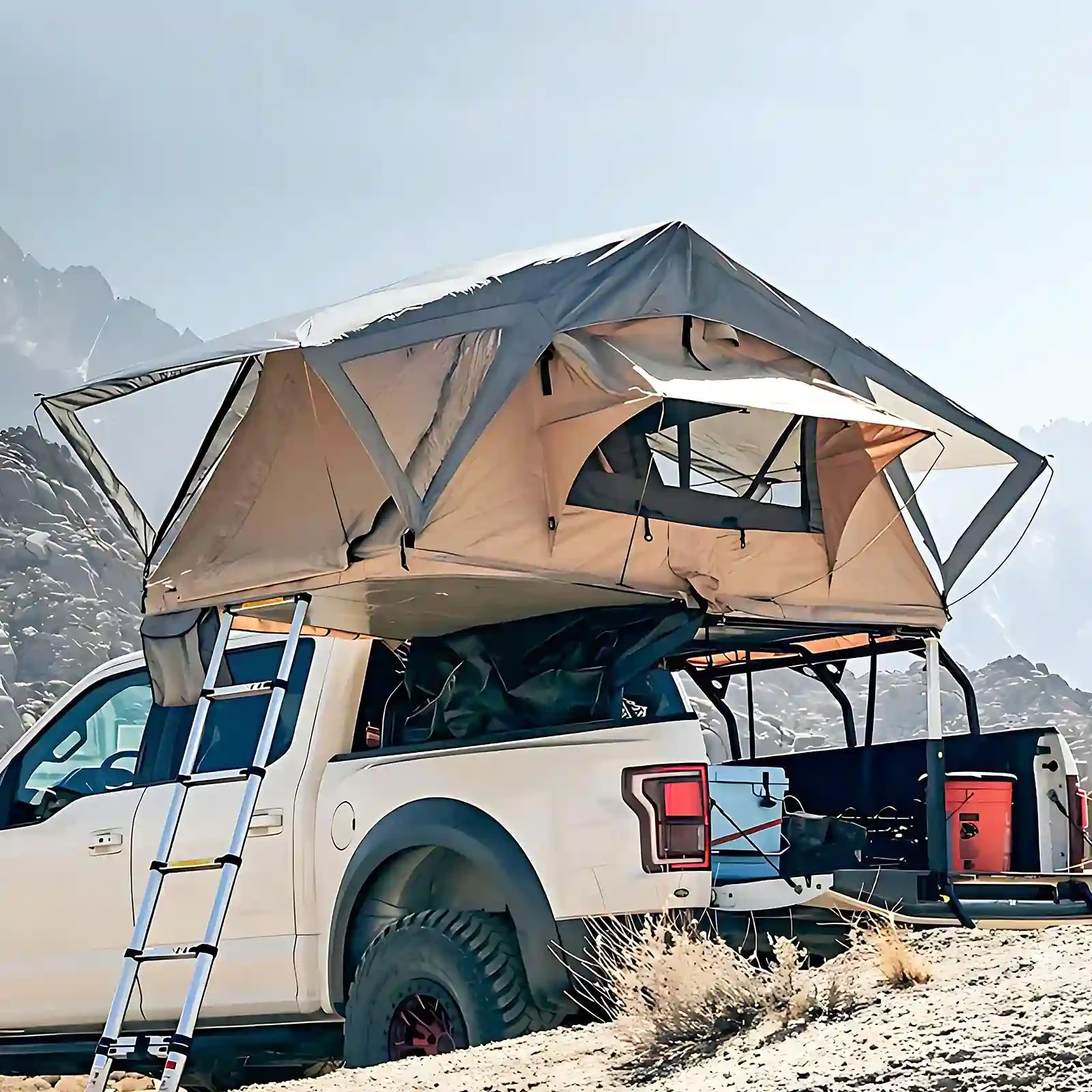
Should prefabricated housing companies transform and innovate or stick to tradition?
Should prefabricated house manufacturers transform and innovate or stick to tradition ? The prefabricated house industry is constantly developing, with increasingly multi-layered brand competition, more diversified sales channels, and a richer variety of products. So, facing this challenging industry landscape, how should prefabricated house manufacturers choose at this crossroads ?
In today's market, prefabricated housing products offer a wider variety of options, more diverse financing methods, and more diversified sales channels. This has led to a host of problems. Everyone is trying their best to maintain traditional dealer channels, but who doesn't want a bigger slice of the pie ? So, every channel imaginable and unimaginable is being explored. Prefabricated housing is good, but it's considered too limited, so product categories need to be expanded again. Low prices are difficult to achieve because those who compete on price will inevitably fail. High prices are also difficult, as they generally mean low volume, and if the market shrinks, they may not be able to make ends meet. Is the mid-range price good ? Probably even more difficult, falling short of both the high and low price points. Large enterprises struggle because their operations are too large to maneuver easily, and their expenses are high. Small enterprises also face difficulties; their annual profit margins may not keep pace with CPI . No one is doing well, and no one can afford to wait to die, so change begins. There's a familiar saying: "Change will kill you, not changing will kill you." Unfortunately, after all the changes, it seems that sticking to the status quo might be more effective.
The awkward "third type" in the prefabricated housing market
In the unfathomable market of prefabricated houses, should prefabricated house companies be surfers or divers ? Surfers are at the crest of the wave, adapting to changing circumstances, paying attention to the rise and fall of the waves, the shift in direction, and making immediate adjustments. But the most important thing for divers is to maintain depth; they don't need to pay too much attention to what's happening on the surface, but rather deal with the unchanging laws of the sea.
In contrast, the most awkward group is the "third type"-perhaps the anxious majority of this era. With the market downturn, many small and medium-sized prefabricated housing entrepreneurs fall into this third category. They lack the resilient, simmering approach of a diver, yet struggle to achieve the carefree ease of a surfer. This third type shares the anxieties of both surfers and divers, but doesn't enjoy their pleasures.
One of the biggest sources of anxiety in this era is the oscillation between surfer and diver, who are at the shallowest level beneath the waves, floating on the surging waves without chasing them or diving into the water, ultimately becoming the ones knocked unconscious by the waves.
Amidst the tides of time, the third type of person often feels anxious and lost, lacking the courage to struggle upwards or sink downwards. Neither at the top nor at the bottom, more choices bring them more torment and indecisiveness. For prefabricated housing companies, this wavering is the root of their suffering.
Therefore, in the prefabricated housing market where opportunities and challenges coexist, hesitation will only lead to missed opportunities, while decisive action will allow us to seize opportunities and win the future.