
 USD
USD GBP
GBP
 EUR
EUR

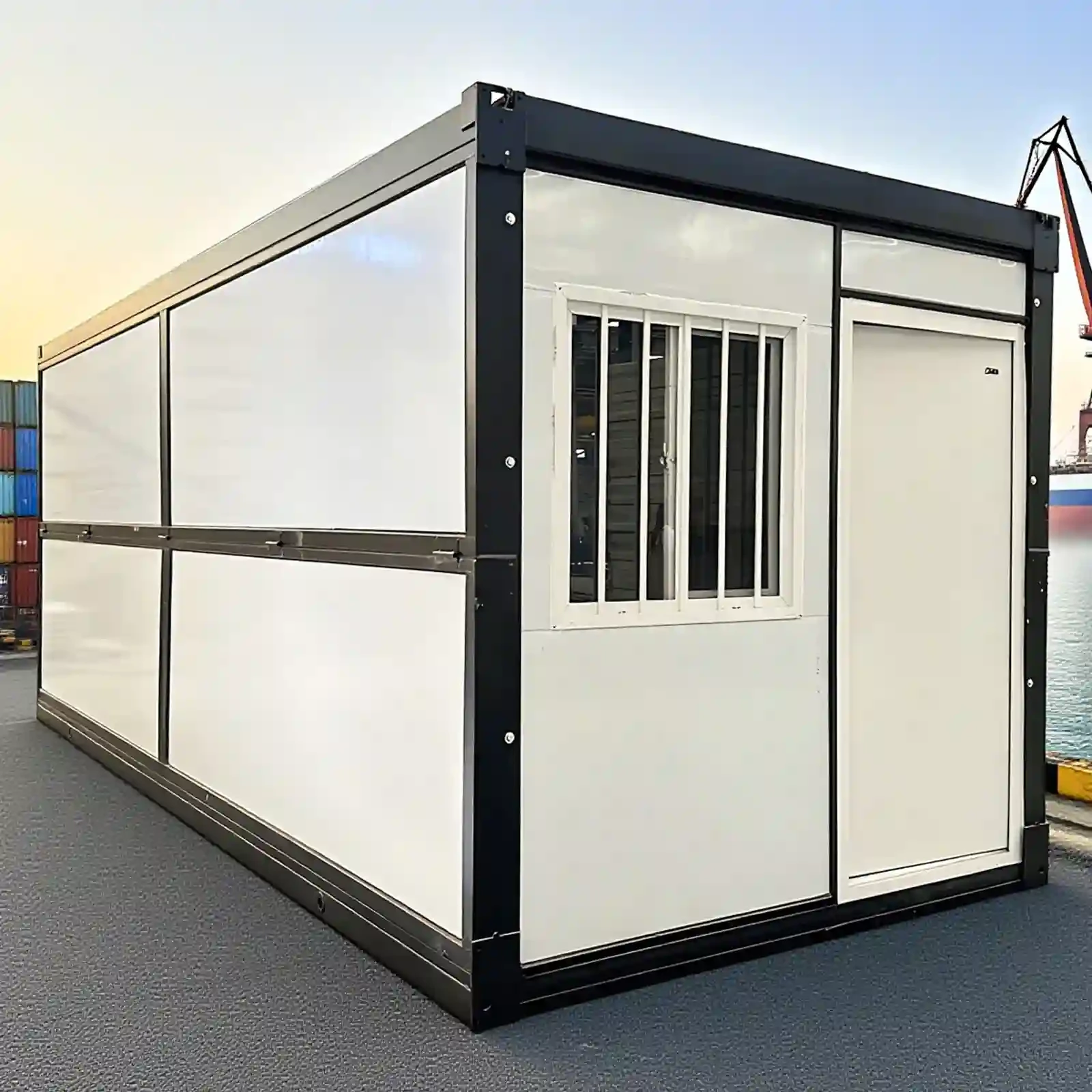







Stylish container houses
With housing prices skyrocketing, most people spend their entire lives struggling with mortgage payments, and more and more people are unable to bear the high pressure and are starting to look at the conversion of shipping container houses.
They are not only inexpensive, transportable, and stackable, but they can also withstand harsh weather conditions.
In interior design, one trend that seems to be long-standing is green and environmentally friendly, and the latest trend in eco-friendly buildings is container houses.
I recall a news story I saw earlier about a man who spent 200,000 yuan to buy a shipping container and boasted that he would convert it into a house, which all his relatives and friends laughed at him for being foolish. But when his relatives visited again three months later and saw the converted house, they were astonished.
With shipping containers, you can use these boxes to create almost any space, including adding to an existing kitchen design, adding a new bathroom, creating additional bedroom designs, or even creating a completely new living room design for the family, fulfilling any of your imagination.
Interior design is very flexible, and of course, shipping containers are no exception. They can change the interior and exterior of a space to suit the look and style of a home.
It is also very functional, allowing you to redesign spaces by cutting and rearranging shipping containers, creating the right shape and style for your home in a variety of ways.
In other words, it's versatile; you can create anything, including interior design and decorating spaces.
If you want to own your own holiday home
Holiday homes are expensive, and repurposing shipping containers could be a good starting point. However, without the cost of interior design and renovation, they could be transformed into "northward" cabins or "southward" beachfront villas.
If you want to truly embrace "green living," you can also plant plenty of greenery on the roof of the container. This will help with insulation and significantly reduce your heating (winter) and cooling (summer) costs.
Originally, shipping containers were built to withstand the most unforgiving weather conditions, traveling hundreds of thousands of miles on open transoceanic container ships... with a minimum service life of 20 years before being decommissioned, so they are very durable and weatherproof.
Made of precast steel and welded together, they are hard, strong, and highly wear-resistant. This makes them very useful in areas of high geological activity, such as earthquake zones and hurricane hotspots.
However, before you choose to build your own container, you should consider your personal needs, financial situation, and local building codes. Otherwise, acting impulsively simply because container houses have become very popular in green building could mean you end up in trouble.
First, you need to realize that a container house is definitely not a traditional house, even though it looks really cool.
Because after a few years, your novelty about it may wear off. Also, if you have a large family or just want many bedrooms, you may need multiple shipping containers to own your dream house.
Next, consider the total cost associated with building a container house. Shipping containers are relatively cheap, but it can take a lot of time and labor to transform them into a comfortable home.