
 USD
USD GBP
GBP
 EUR
EUR
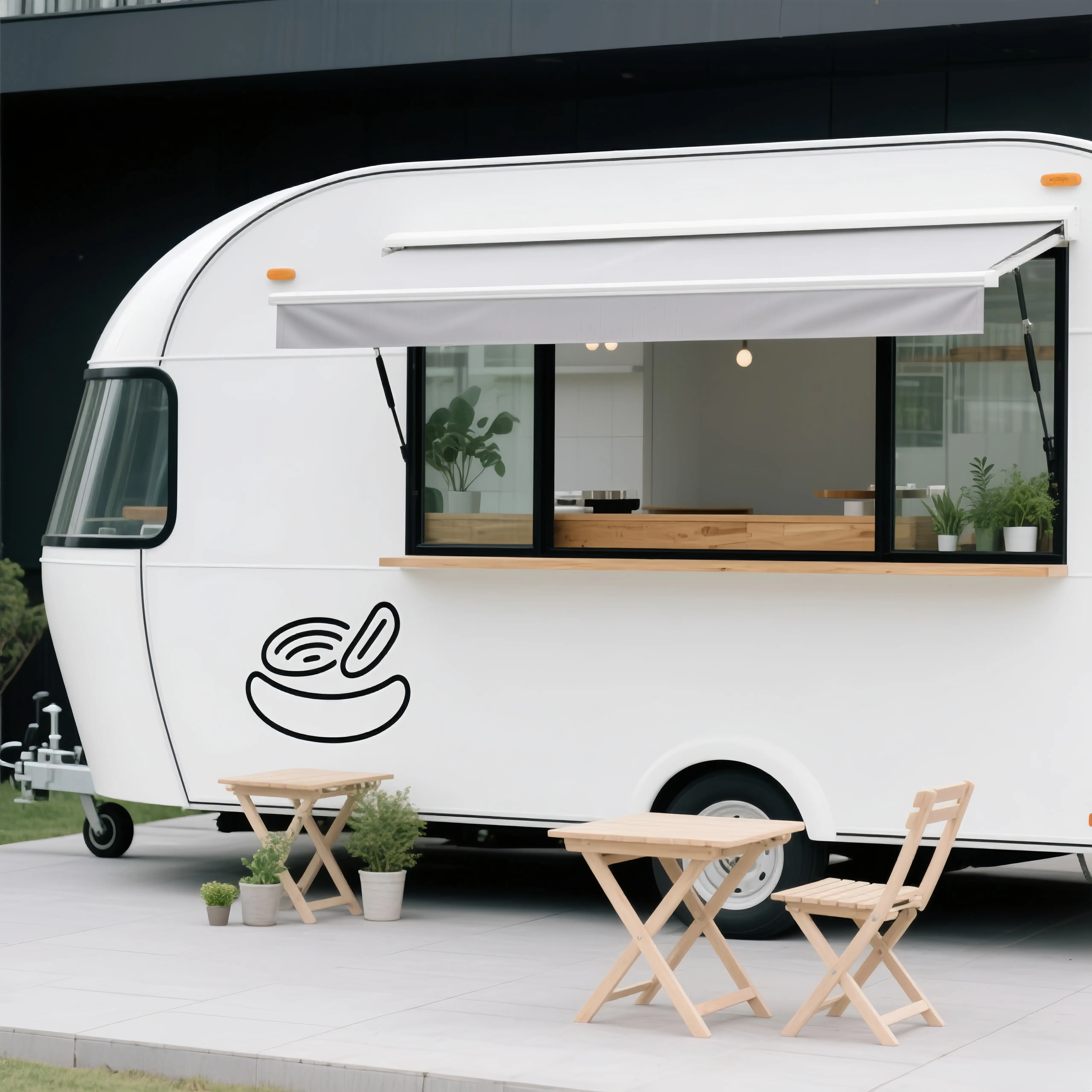
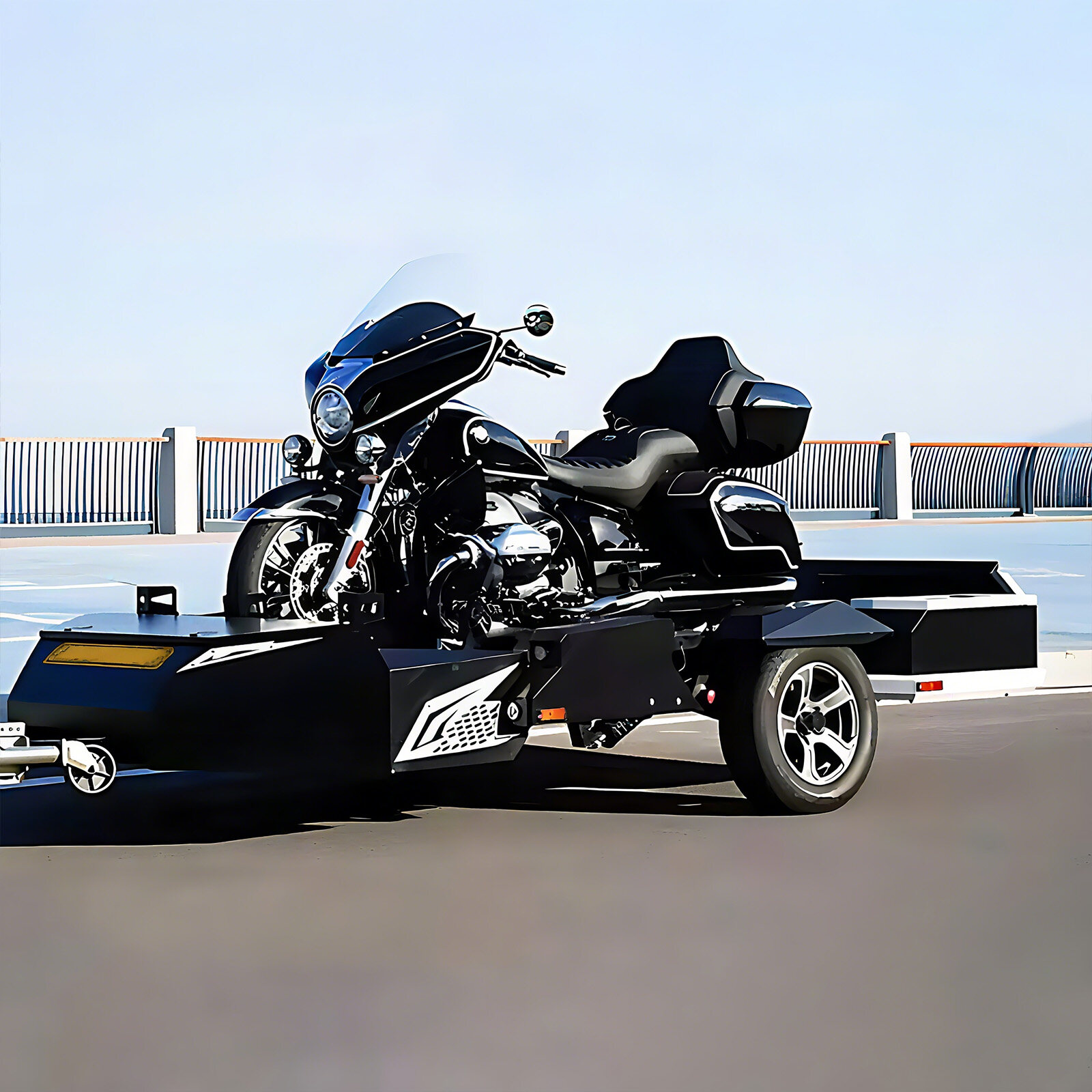
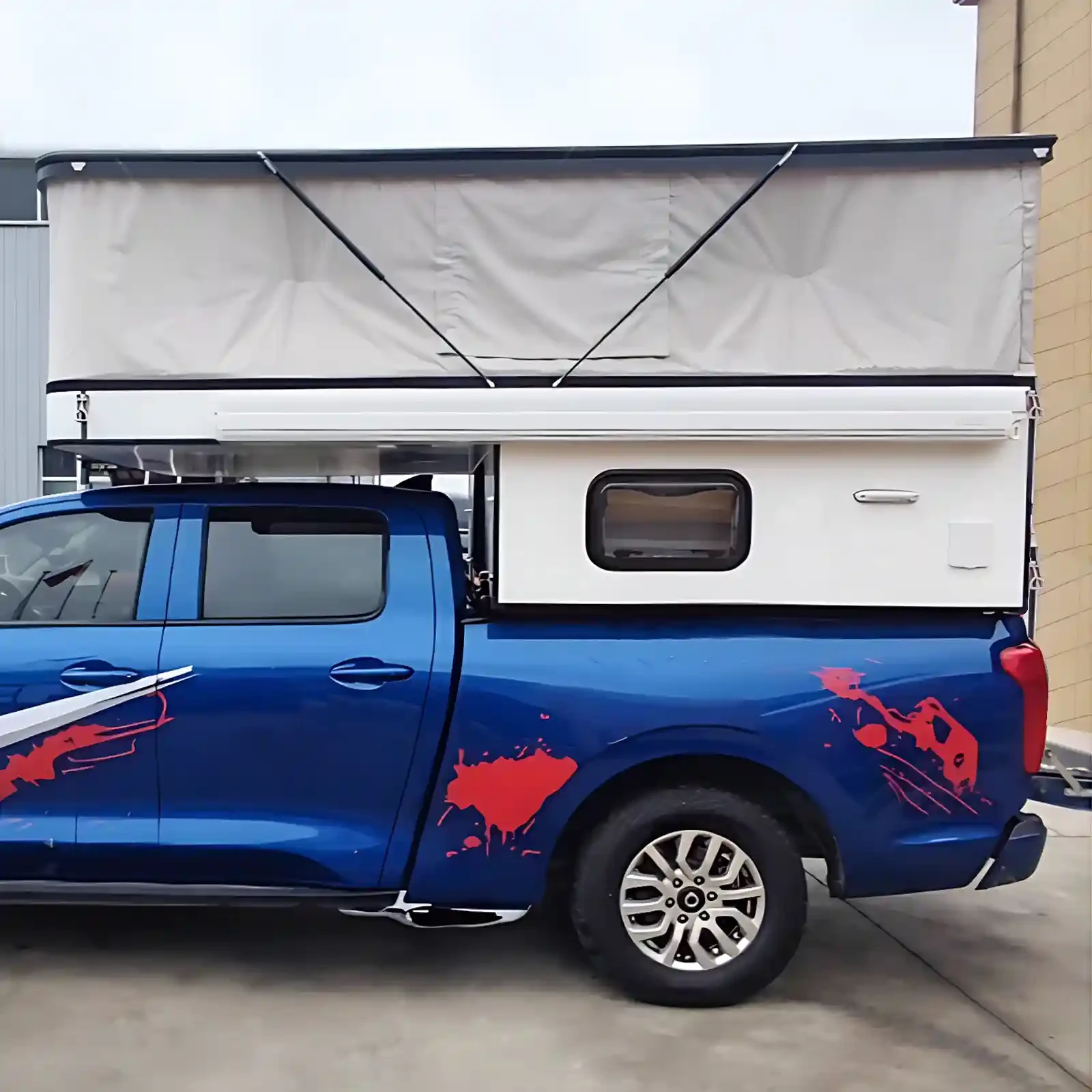
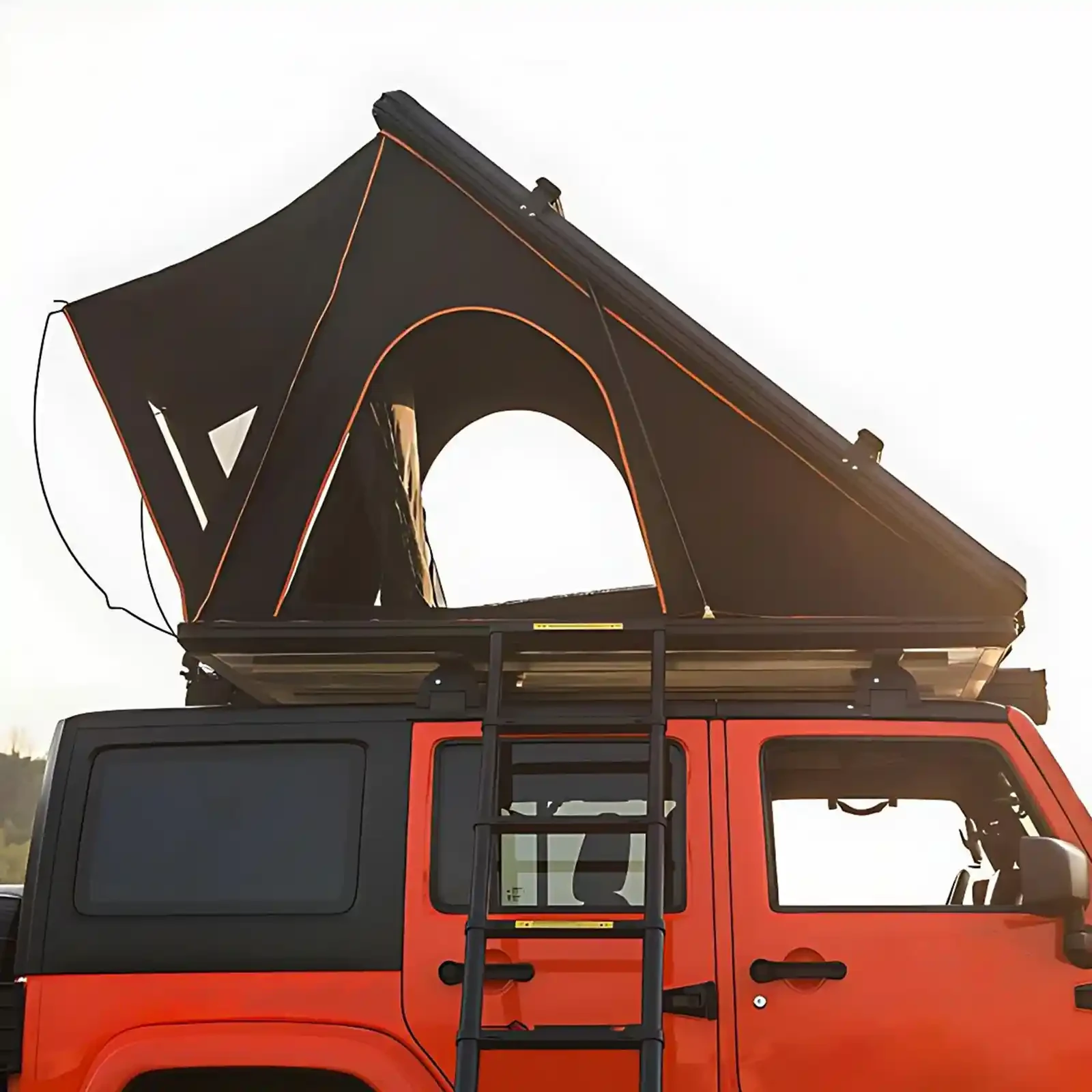
The future trend of mobile homes: green energy and modular design, leading to innovation in housing
|
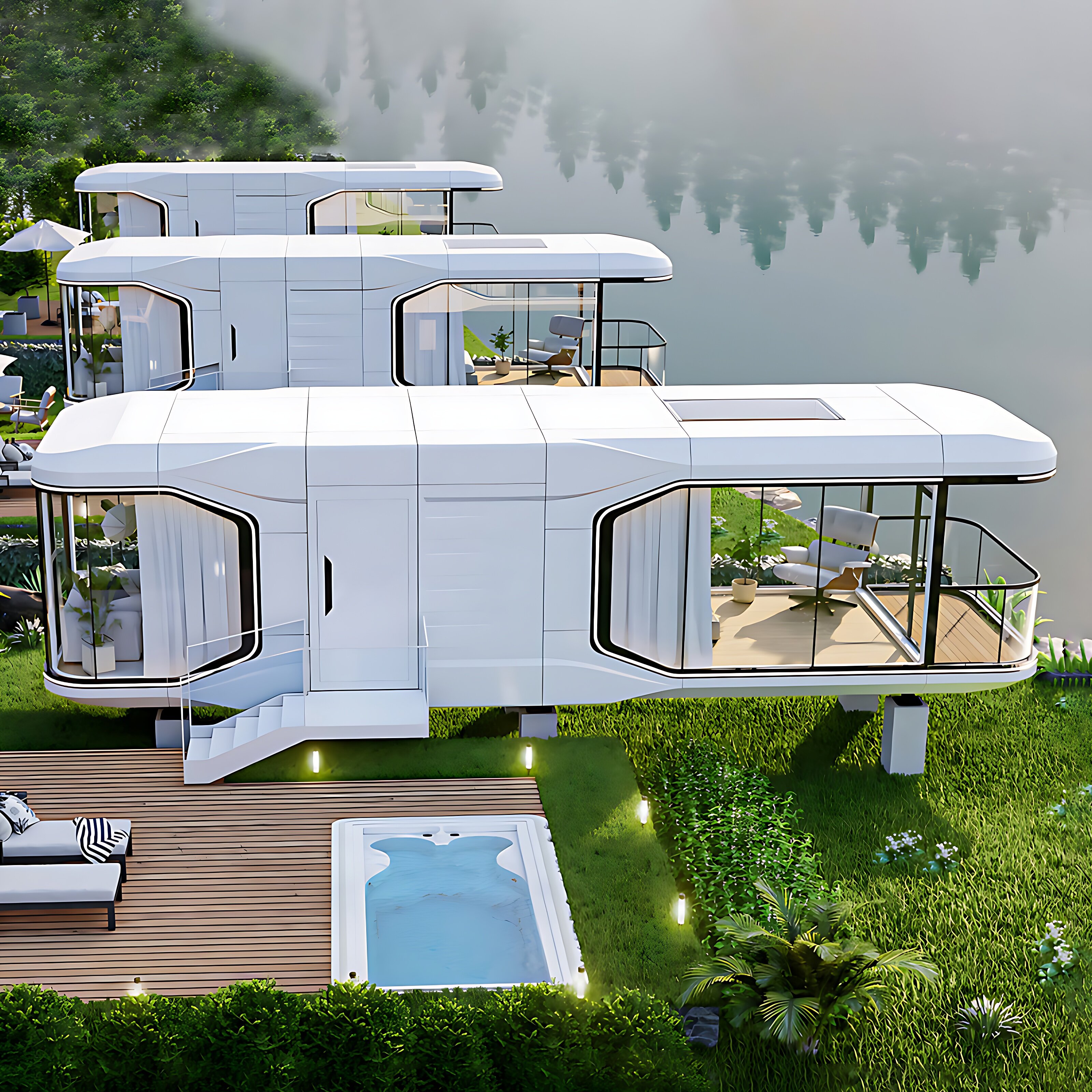
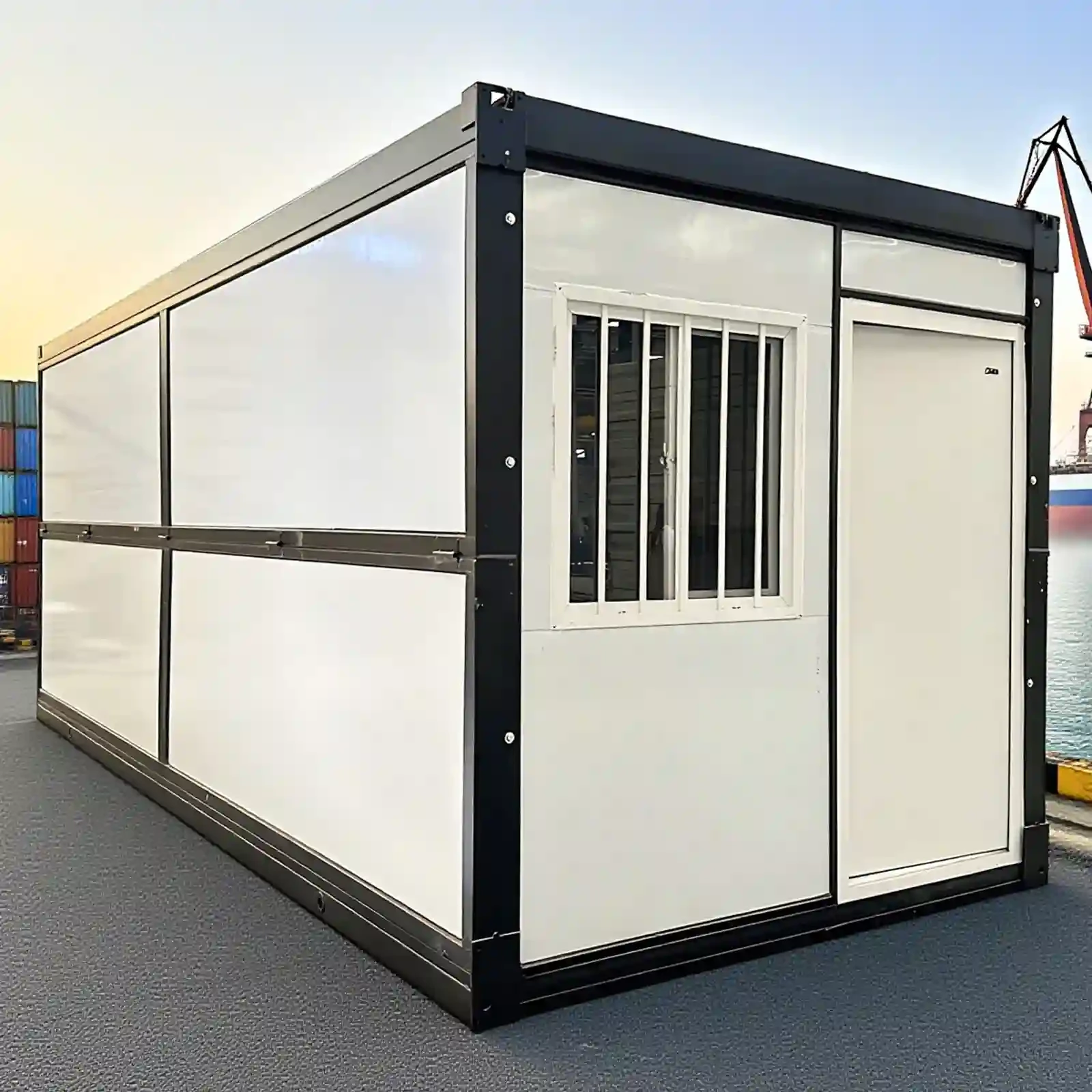
After Typhoon Doksuri passed, the capsule-style resettlement site in the disaster-stricken area of Zhangzhou, Fujian, was completed within 72 hours; when the pastoral areas of Nagqu, Tibet, entered their migration season, herders could move with their "mobile homes" in trucks-capsule-style mobile homes are breaking the traditional spatial and temporal limitations of living with unimaginable convenience, becoming a flexible solution to meet diverse needs. This convenience is not only reflected in physical mobility but also permeates the entire process of deployment, adaptation, and operation and maintenance, redefining the form of "home." The high efficiency of transportation and deployment is the core advantage of the space capsule's convenience. Unlike traditional buildings that often take months to complete, the space capsule adopts a standardized modular design, with each capsule weighing only 10-15 tons, enabling it to be transported across all regions via road, rail, and even helicopter. During the construction of the Hoh Xil research station in Qinghai, six space capsules were transported from a factory in Jiangsu to Golmud by rail, and then delivered to the uninhabited area by off-road trucks, taking only 12 days in total. On-site hoisting and commissioning took only 48 hours, shortening the construction cycle by 90% compared to traditional station construction. This efficiency is even more crucial for emergency scenarios: after the 2023 Jishishan earthquake in Gansu, the first batch of 150 space capsule resettlement houses were delivered directly to the disaster area via dedicated logistics, providing affected people with complete living spaces including heating and bathrooms within 24 hours, three times faster than the deployment speed of traditional prefabricated houses.
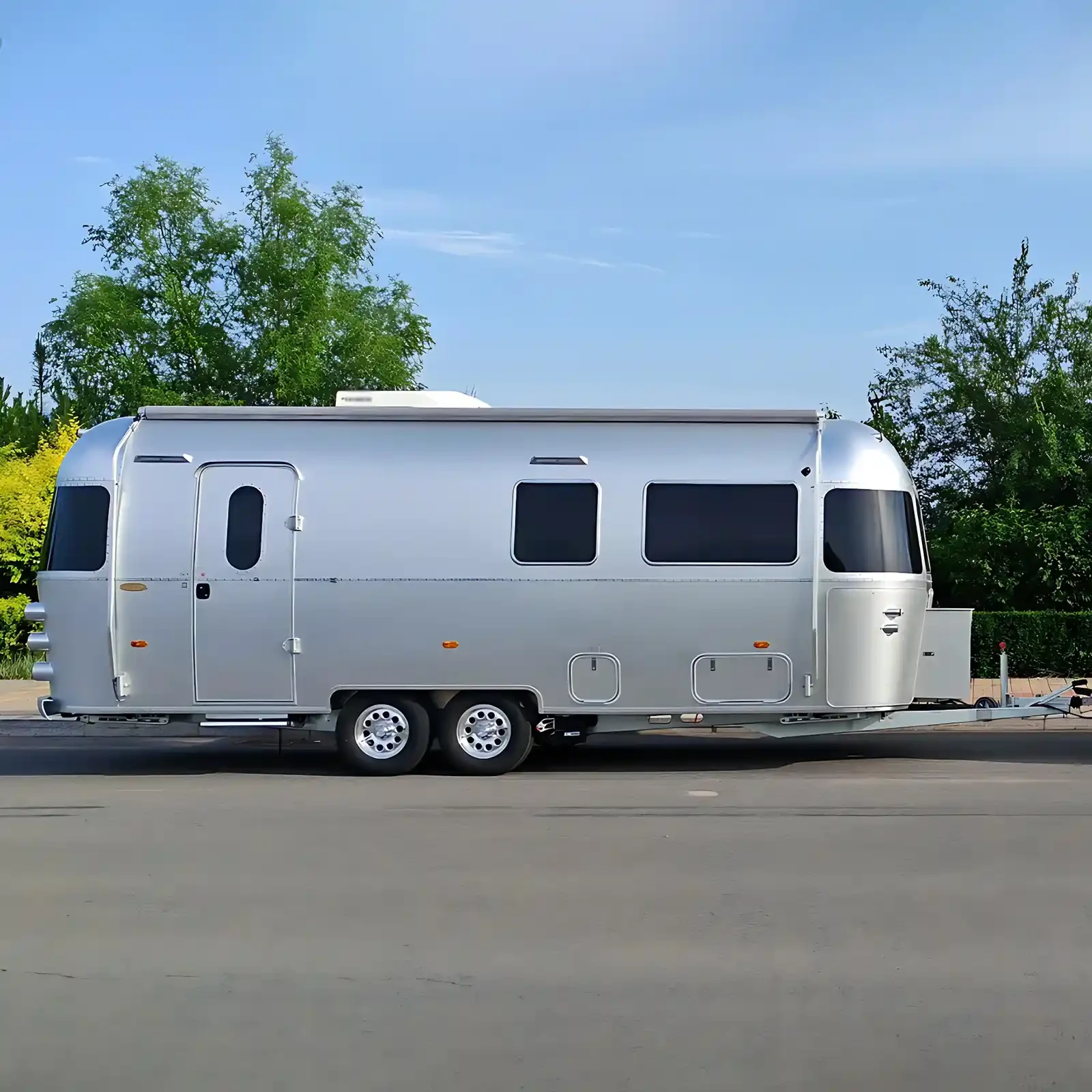
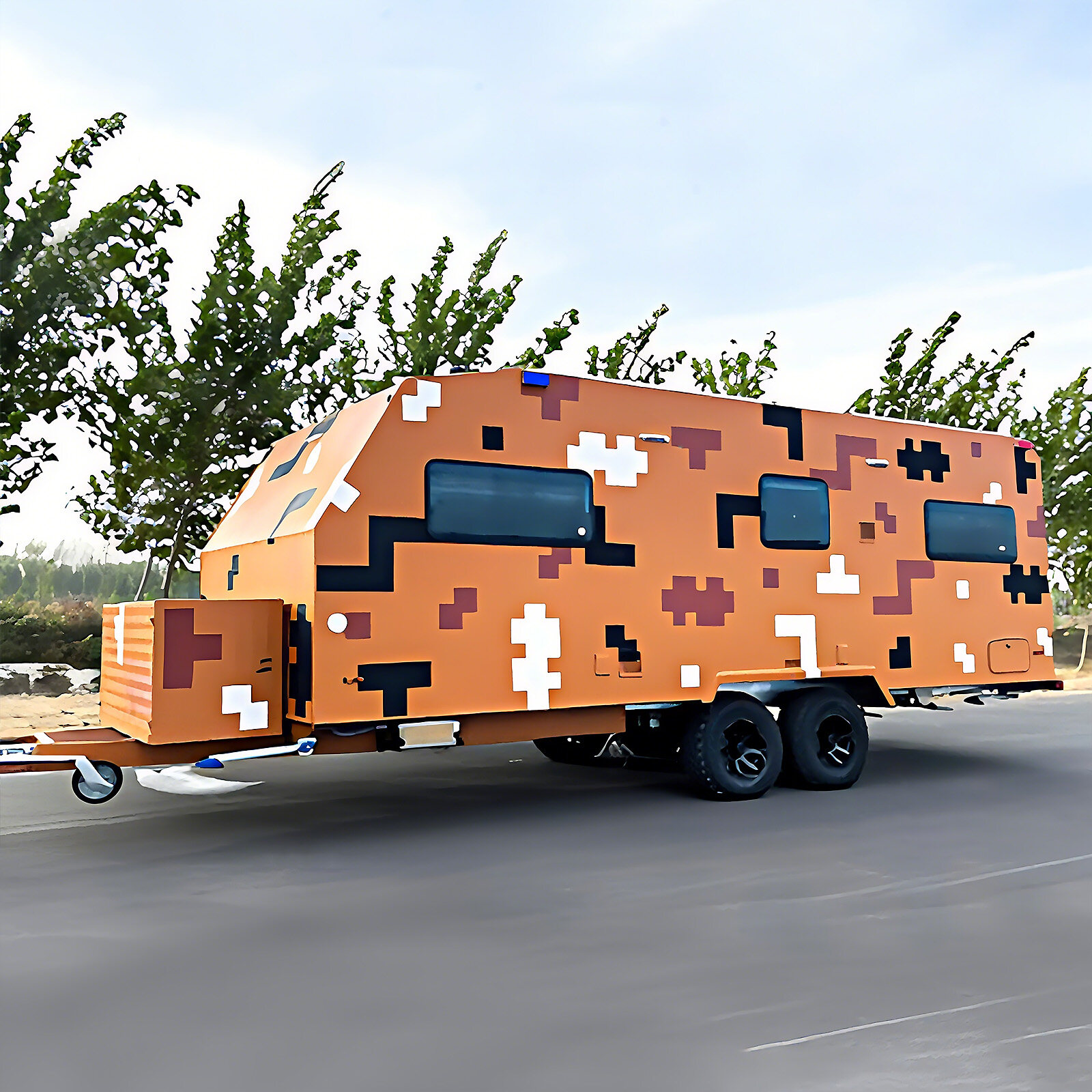
The flexibility of scene adaptation allows the space capsules to "switch identities" at any time. Through modular splicing and rapid replacement of functional components, the same batch of space capsules can be transformed into "starry sky homestays" in the Moganshan Bamboo Sea during the peak tourist season, equipped with panoramic skylights and smart home features; or they can be transported to construction sites during the off-season and converted into dormitories with worker bathrooms and laundry rooms. Even more innovative is the "plug-and-play" functional expansion: in a rural revitalization project in Yunnan, the basic module of the space capsule only needs to be connected to a medical examination component to become a mobile clinic; after connecting to an educational terminal, it can serve as a "mobile classroom" for children in mountainous areas. This adaptability, requiring no large-scale modifications, allows it to accurately respond to the immediate needs of different groups, with a single capsule undergoing scene transformations an average of 2-3 times per year, resulting in resource utilization far exceeding that of fixed buildings. The ease of operation, maintenance, and relocation further reduces living costs and barriers. The capsules feature an integrated design with built-in water and electricity lines, eliminating the need for demolition and reconstruction during relocation. One scenic area moved 20 capsules from the mountains to the lakeside, requiring only the dismantling of connection points, completing the relocation within 3 days at less than 1/5 the cost of traditional house demolition and reconstruction. Daily maintenance is also more efficient: through a remote monitoring system, maintenance personnel can monitor the status of equipment inside the capsule in real time, reducing fault repair response time to within 4 hours. For nomadic peoples, field workers, and other mobile groups, this "carry your home" model has completely changed their lifestyle-Batu, a herdsman in Xilin Gol League, Inner Mongolia, no longer needs to set up a yurt during migration. Driving a trailer carrying a capsule, he can reach his new pasture within a day, with electricity and water connected in just half an hour, significantly reducing the labor intensity of migration.
From emergency disaster relief to cultural tourism experiences, from field operations to nomadic lifestyles, mobile homes in space capsules, with their convenient transportation, rapid deployment, and flexible adaptability, have broken the mindset that "living must be fixed." In today's pursuit of efficiency and diversity, it is not only an innovation in architectural form, but also represents people's yearning for flexible living, providing more flexible possibilities for future housing. |