
 USD
USD GBP
GBP
 EUR
EUR






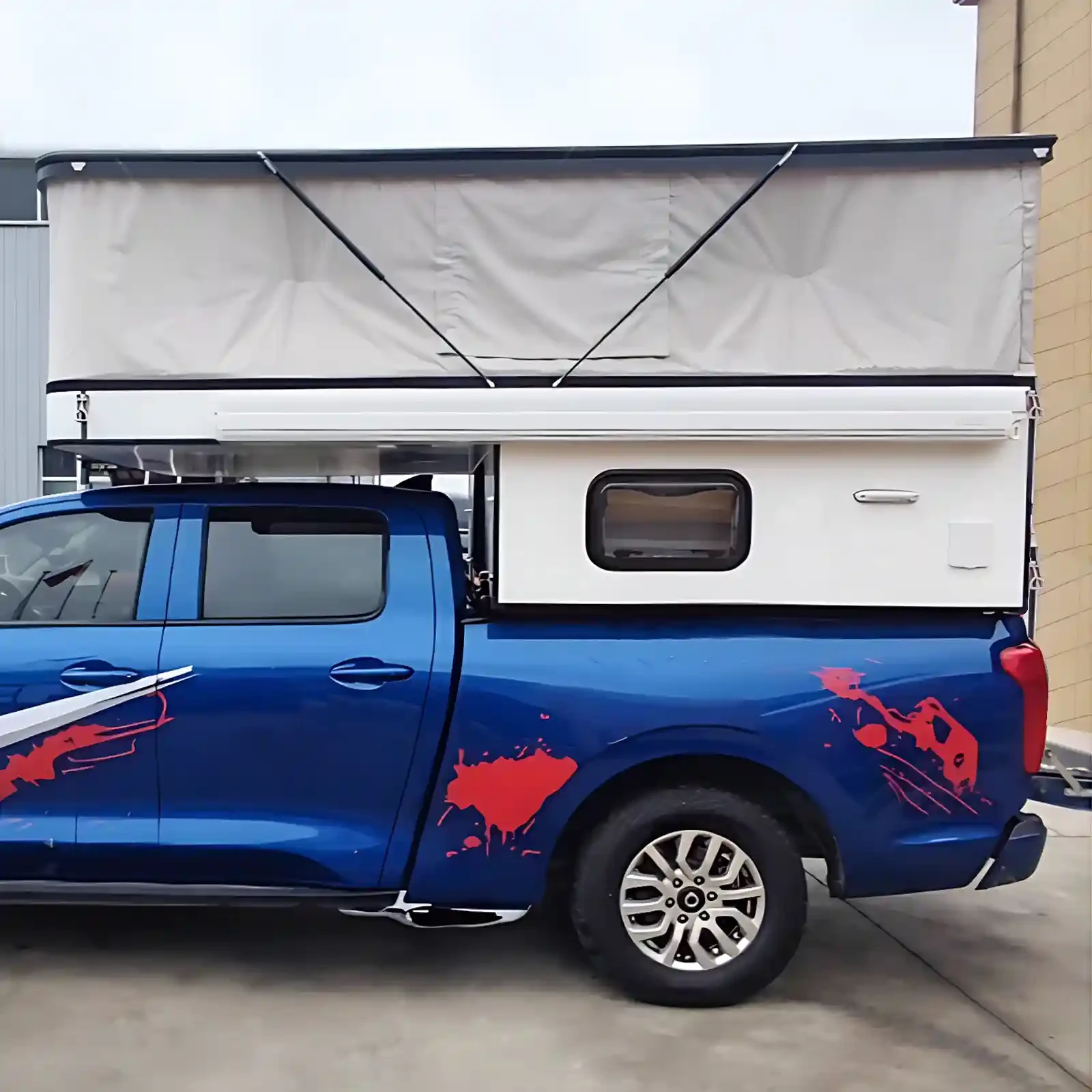


With severe homogenization, how can prefabricated house companies stand out from the crowd?
With severe homogenization, how can prefabricated housing companies stand out? Since 2017 , the State Council has designated May 10th as "China Brand Day," aiming to encourage companies to establish their own brands, expand their brand influence, and thus enhance the overall brand image of the country, promoting Chinese brands to the world. With economic development, consumers have higher demands for products and services; they value quality and brands, and their consumption patterns are diverse and highly personalized. These new phenomena also present challenges for businesses.
Homogenization leads to product convergence
Against this backdrop, the old problem of product homogenization has resurfaced. For the prefabricated housing industry, this is an obvious yet intractable problem. "Homogenization" refers to the phenomenon where different brands within the same product category imitate each other in performance, appearance, and even marketing methods, gradually converging into one another. Product varieties are repetitive and highly substitutable. Market competition based on product homogenization is called homogenized competition. The homogenization problem in the prefabricated housing industry is long-standing. Many consumers are unable to distinguish between products from different companies, and companies themselves are struggling in homogenized competition, some being imitated while others still haven't found their own path. Therefore, telling a compelling story about Chinese brands is not so simple.
Homogenization does more harm than good to consumers and businesses.
In this context, what negative impacts will this homogenization have on consumers and businesses ?
From the consumer's perspective, most consumers are laymen. They don't know how to distinguish a company's situation in the industry or the product's manufacturing process. They can't tell the quality of a product from its appearance. Often, they make purchases based on their emotional perception. They feel that these products sound good and are similar in all aspects, so it doesn't matter which one they choose.
But at this critical juncture, a crucial problem emerges: many consumers will choose the cheaper product simply because they are "similar." Merchants are forced into a price war, offering enticing prices to attract customers, but such price competition is detrimental to both merchants and consumers. Consumers are secretly delighted, thinking they've struck gold, unaware of the endless troubles that will result from poor quality later on. Some merchants refuse to lower prices, believing their products are of high quality and deserve the price, but they face the risk of losing customers, reluctantly positioning themselves as high-end consumers and thus abandoning a portion of the market . Others seize the opportunity, attracting consumers with relatively low prices, attempting to achieve high sales volume with low profit margins, but when will these "low profits" allow the business to reach new heights ? This remains a question.
Even well-established companies can survive in such competition, using their remaining competitiveness and advantages to improve products and services. However, they cannot abandon brand building and product/service enhancement; otherwise, they risk being overwhelmed by numerous newcomers. Small and medium-sized enterprises (SMEs) that are still growing face an even more precarious situation. During their growth phase, they face price competition, forcing them to forgo some funds allocated to product and service improvement and focus on quantity-driven marketing. This homogenization obviously impacts company profits. Over time, the entire industry will struggle due to severe homogenization, leading to insufficient innovation and quality improvement. In the long run, this unhealthy competition also hinders the healthy development of the entire industry.
Use differentiation to overcome homogenization
To address the issue of product homogenization, product differentiation is an effective solution. Technological research and development and innovation are one path; companies can invest heavily in core technologies and design, increasing innovation efforts to produce products with core competitiveness and stand out in the industry. Secondly, companies should differentiate their numerous products to create greater diversity. Simultaneously, different products should have different customer positioning, producing and designing products that meet the needs of corresponding consumer groups, thereby achieving precise marketing.
In this digital age, many prefabricated house manufacturers utilize the internet as a means of promotion. Often, when browsing prefabricated house websites, consumers not only focus on quality and style, but also on whether the company is a long-established brand, its reputation in the industry, any awards it has received, and its corporate culture. In short, they want to see if the company is trustworthy. Therefore, a well-designed website leaves a good impression on consumers; a sophisticated website leads them to believe the company itself is reputable. Besides online marketing, offline brick-and-mortar marketing is equally important. Innovative marketing strategies often involve providing personalized service to customers. It's not simply about following a set procedure to introduce products; it's about truly understanding what customers want, what they're considering, anticipating their needs, offering professional advice based on respect, and building strong relationships to attract more customers.
When prefabricated housing develops to a certain stage, and the quality and reputation of the products are recognized, product marketing will automatically transform into brand marketing. Consumers come for the brand; they choose the brand first, and then select products within that brand. Therefore, brand building is essential. The old adage "good wine needs no bush" is outdated. While low-key and pragmatic quality is admirable, being unknown can easily lead to being overlooked by consumers. It's important to understand that consumers are often laypeople; in their eyes, a company they haven't heard of is unreliable. Neglecting brand building will only result in the silent loss of customers.
Finally, both businesses and products should be imbued with cultural value. Consumers are happy to satisfy their spiritual needs, which in turn drives product consumption. It is evident that profound cultural connotations give products a different kind of weight.