
 USD
USD GBP
GBP
 EUR
EUR
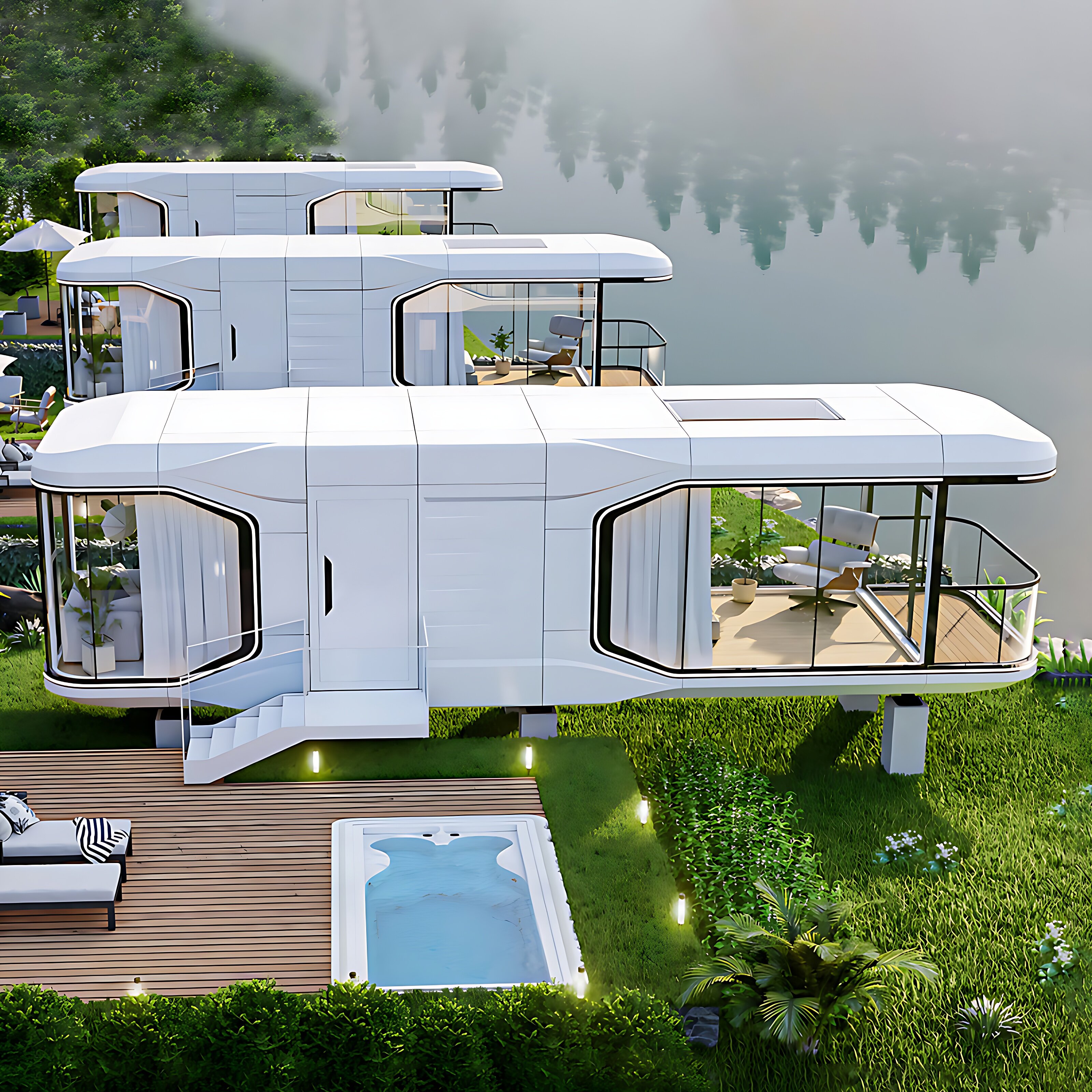
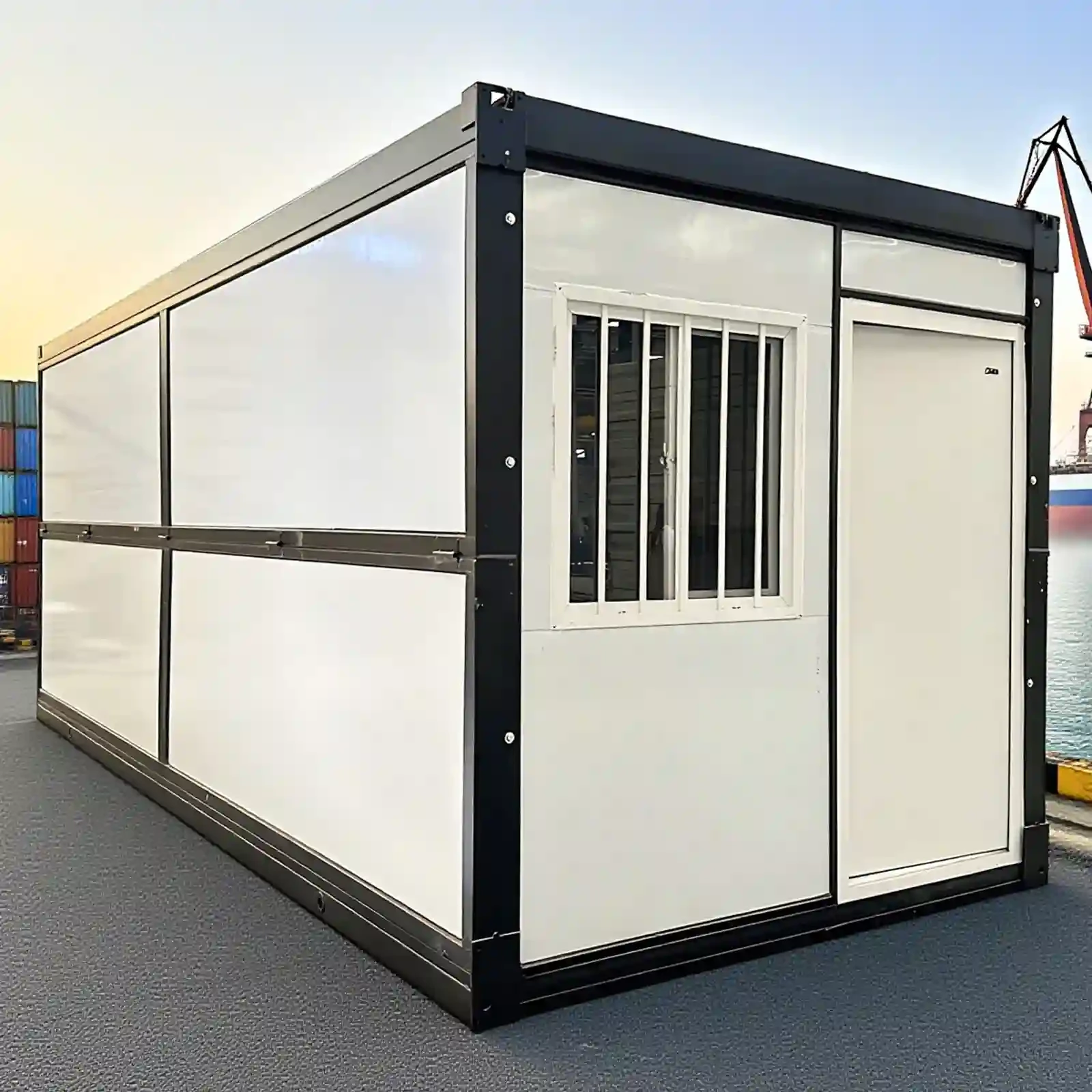
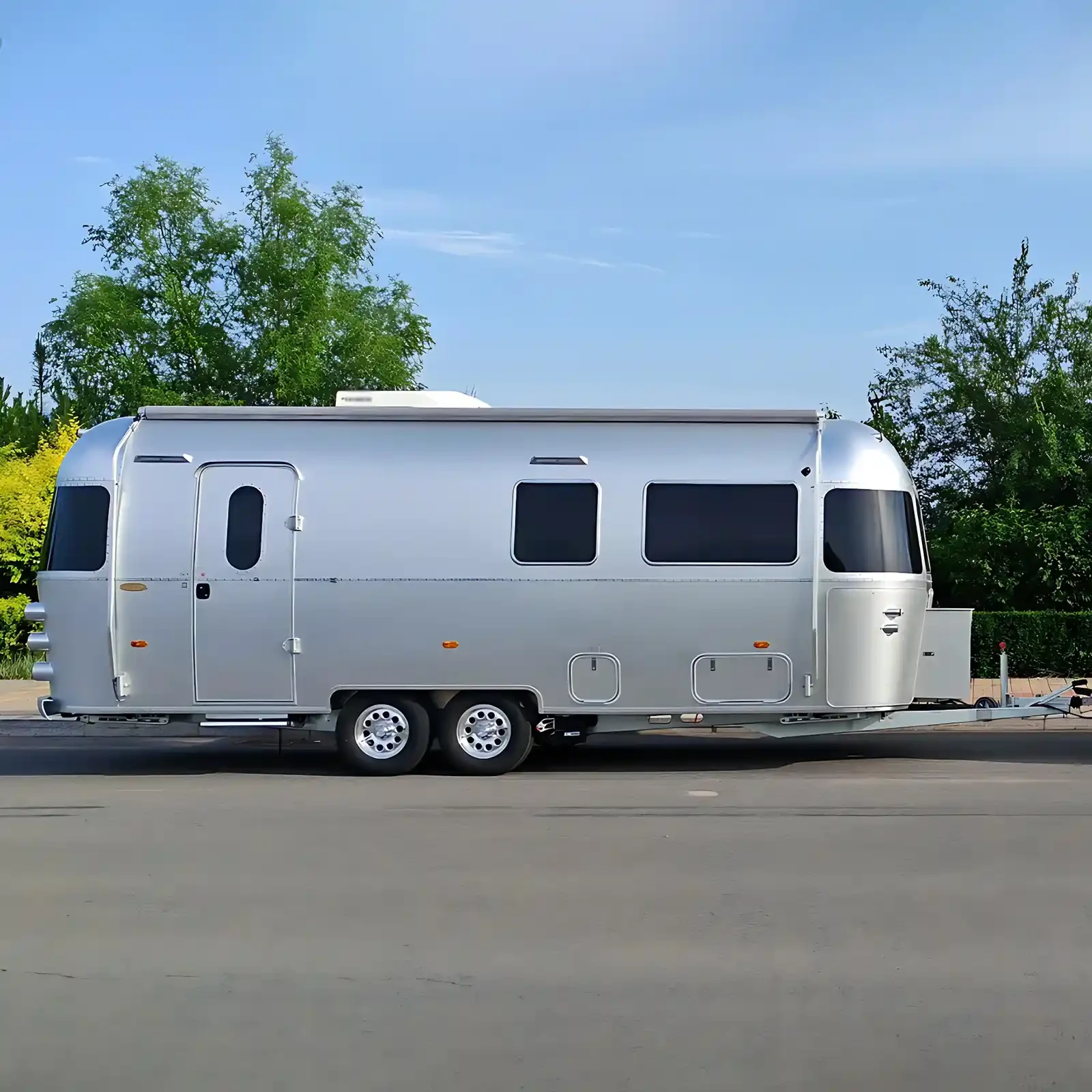
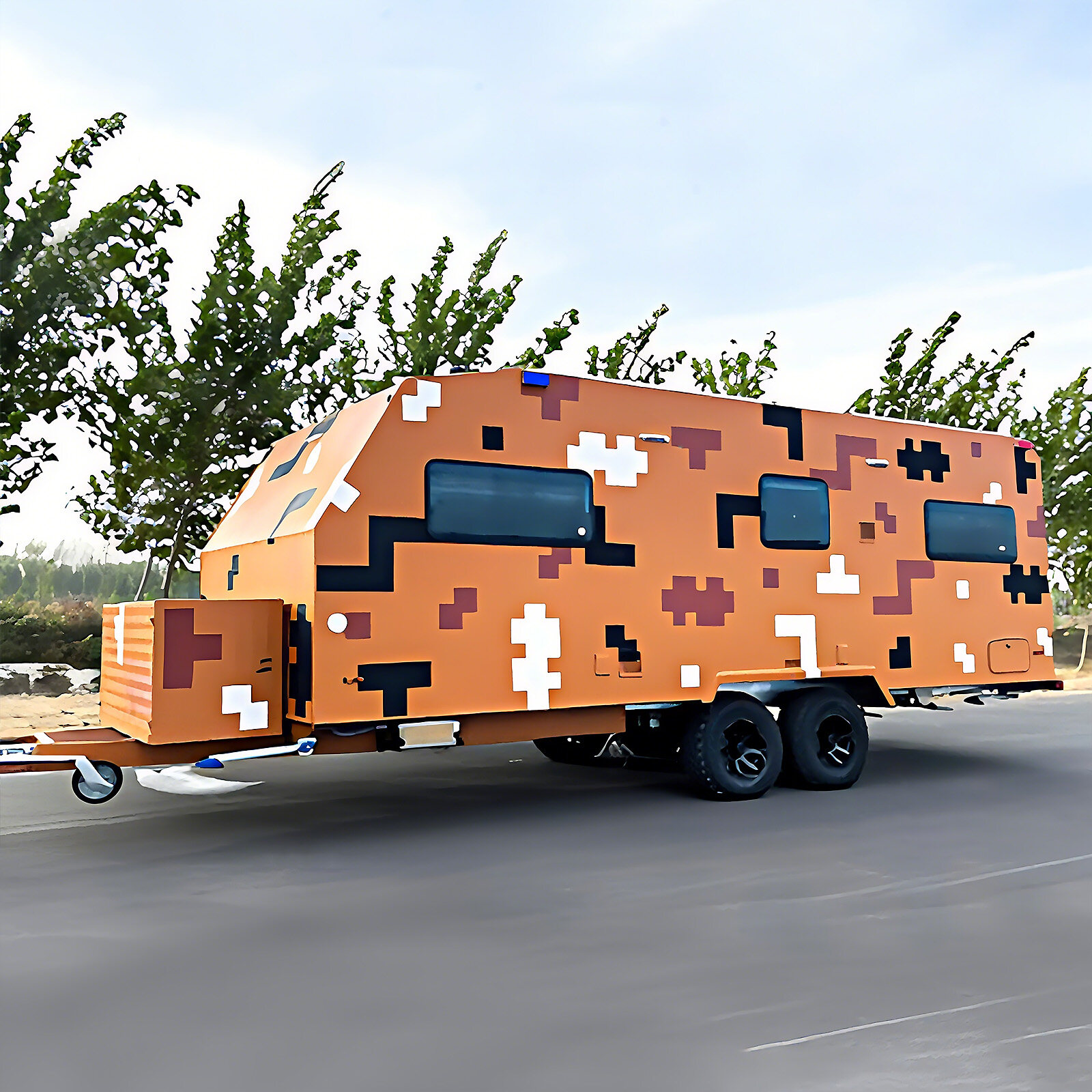

Introduction to the three key technologies of steel structure prefabricated house construction
There are five types of materials used in prefabricated houses : polystyrene color steel sandwich panels, cotton rock color steel sandwich panels, polyurethane color steel sandwich panels, phenolic color steel sandwich panels, and metal decorative insulation panels. Please see the bottom of the article for specifications.
Prefabricated house panel material information:
Prefabricated house panels generally fall into the following categories: polystyrene color steel sandwich panels, cotton-plaster color steel sandwich panels, polyurethane color steel sandwich panels, phenolic color steel sandwich panels, and metal decorative insulation panels. These panels are composed of a composite material treated with high-weather-resistant polyester paint (or fluorocarbon paint), embossed aluminum-zinc alloy steel plates, a polyurethane insulation layer, and fiberglass cloth. The surface can be finished with various artistic effects such as marble, ceramic tiles, cultural stone, and mahogany grain. They are widely used in developed countries such as Japan, South Korea, and Europe and America.
Specifications: Length 3800mm , Width 380mm , Thickness 16mm ;
Thermal conductivity: 0.024 W/(m*k) (Note: Thermal conductivity below 0.023 W/(m*k) indicates thermal insulation material).
Apparent density: 182 kg /m³ ( 3.8 kg / m²);
Combustion performance: B2 level
Service life: The topcoat shows no significant fading within 10-15 years , while the base alloy steel plate can be used for over 45 years. Summary: In today's rapidly developing economy, people's needs are becoming increasingly diverse, with everyone hoping to achieve consumer satisfaction. People are constantly innovating and modifying to meet certain standards, resulting in increasingly unique and aesthetically pleasing prefabricated houses, such as villa-style, factory-style, and dormitory-style houses, each with its own distinct style.
If you're building a prefabricated steel structure house because your living space is small and you need to expand your living area, but you have high privacy requirements and a limited budget, then an insulated panel house is a good option. This involves using PVC windows and insulated walls for the surrounding structure. While not strictly a sunroom, adding skylights can significantly improve the living space. It's inexpensive, practical, provides good lighting and ventilation, and is aesthetically pleasing, making it a good choice.
If you're building a prefabricated steel structure house primarily for growing flowers and plants, it will require good ventilation and adequate sunlight. It's advisable to choose a structure with PVC windows for the perimeter, a glass roof, and large skylights. These types of houses are relatively inexpensive, but the indoor temperature can be high in summer, necessitating the installation of sunshades.
If you have a large living space, especially a villa, and your prefabricated steel panel house is mainly used for winter leisure, fitness, and gardening, then a fully movable prefabricated steel panel house with an openable roof is recommended. These types of houses have good natural light and avoid the problem of high indoor temperatures in summer. They are also relatively inexpensive. They are an ideal choice for personal entertainment and leisure.
For prefabricated steel sheet houses requiring traditional building functions, tempered double-glazed roofs are recommended, along with an appropriate number of dedicated double-glazed skylights, and exterior cladding with thermally broken aluminum double-glazed windows or aluminum-wood composite double-glazed windows. Dedicated sunshades, awnings, and retractable screens should also be provided during use.
It can be said that prefabricated houses are constantly innovating along with the changes in people's lives, and the functions they provide are gradually becoming more complete. Their design is also becoming more human-centered, and they are meeting a wider range of needs.
With increasingly fierce competition among industrial enterprises, innovation has become the driving force for their industrial development. Innovation in the steel structure engineering industry stems from technological upgrades and R&D transformation. The following is a brief introduction to the three major technologies of steel structure engineering.
1. Steel Structure Thermal Insulation and Energy Saving Technology: To ensure effective insulation, the thermal insulation materials used in the exterior walls and roofs of light steel structures are designed for long-term use and provide excellent thermal insulation. In addition to filling the gaps between wall columns with fiberglass, Mait Building's light steel structure residences typically have an additional layer of insulation material applied to the exterior walls, effectively breaking the thermal bridges from the wall columns to the exterior wall panels. Fiberglass is also filled in the joists between floors to reduce heat transfer between floors . Furthermore, fiberglass is used to fill the gaps between the wall columns of all interior walls, further reducing heat transfer between unit walls.
2. Fire Protection Technology for Steel Structures: One of the most critical issues with light steel structures is the application of fire protection technology. MITEK's light steel structure houses have a fire resistance rating of Class IV. MITEK's light steel structure houses use fire-resistant gypsum board on both sides of the walls and the ceiling of the floor slab. Ordinary firewalls and partition walls are protected with 25.4 mm (1 inch ) thick gypsum board to meet the 1- hour fire resistance requirement. In addition, the fiberglass filling between the wall columns and floor joists also plays a positive role in fire protection and heat transfer.
3. Steel structure sound insulation technology; the light steel structure fills the gaps between the inner and outer walls and floor joists with glass wool, which effectively blocks the audio part transmitted through the air. As for the impact sound transmitted through solids, the following structural treatment is adopted: the partition wall is formed by two wall columns with a gap in the middle; and the small keel for fixing the gypsum board in the ceiling is made of elastic structure with small grooves to effectively reduce the transmission of solid sound between floors.
Technology and innovation are the primary factors for a company's survival and development. The reason why a company can maintain its continuous development and growth is that it is constantly strengthening its own capabilities, flexibly analyzing market changes, and being able to survive and develop amidst the ever-changing market, thereby creating a brilliant and beautiful tomorrow.