
 USD
USD GBP
GBP
 EUR
EUR
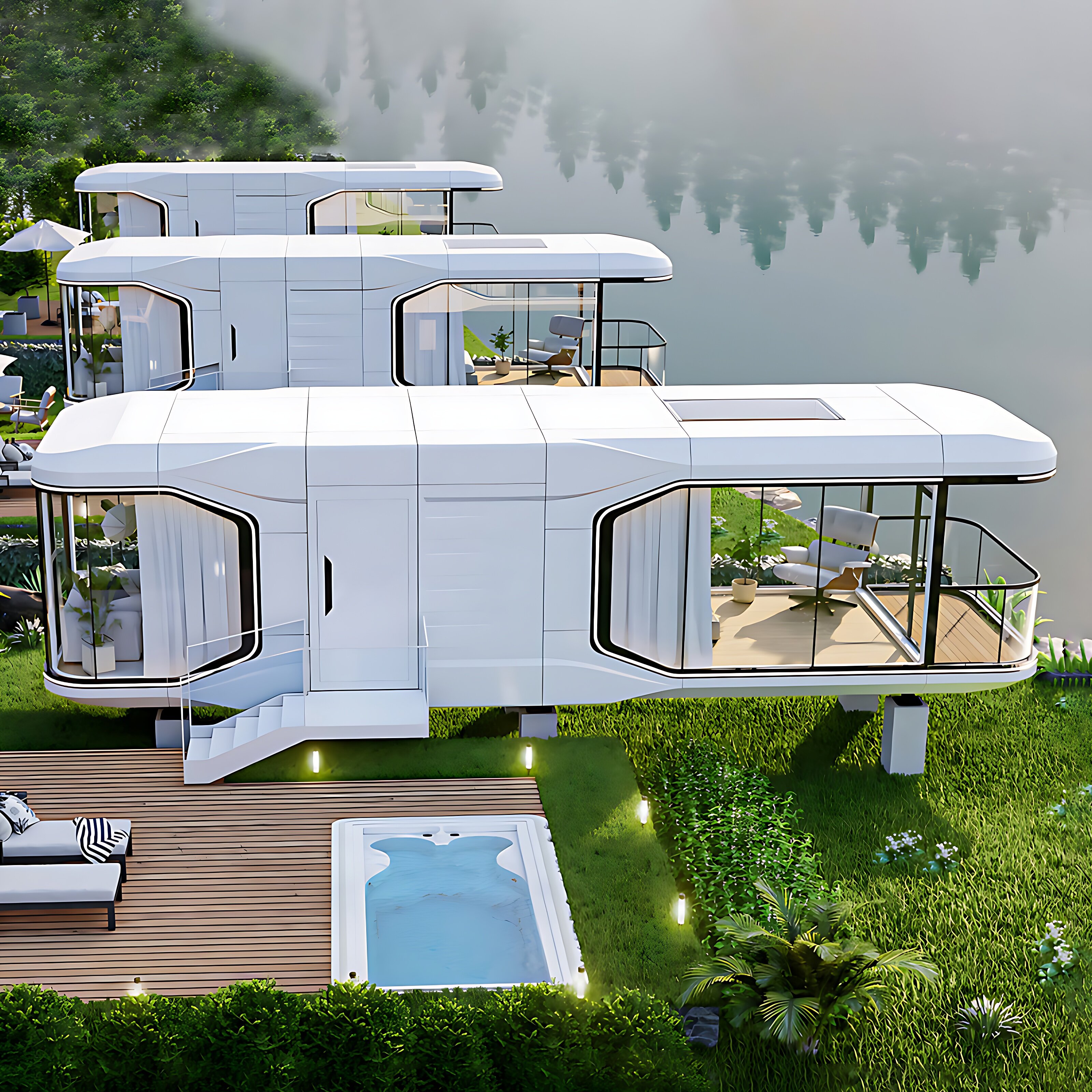
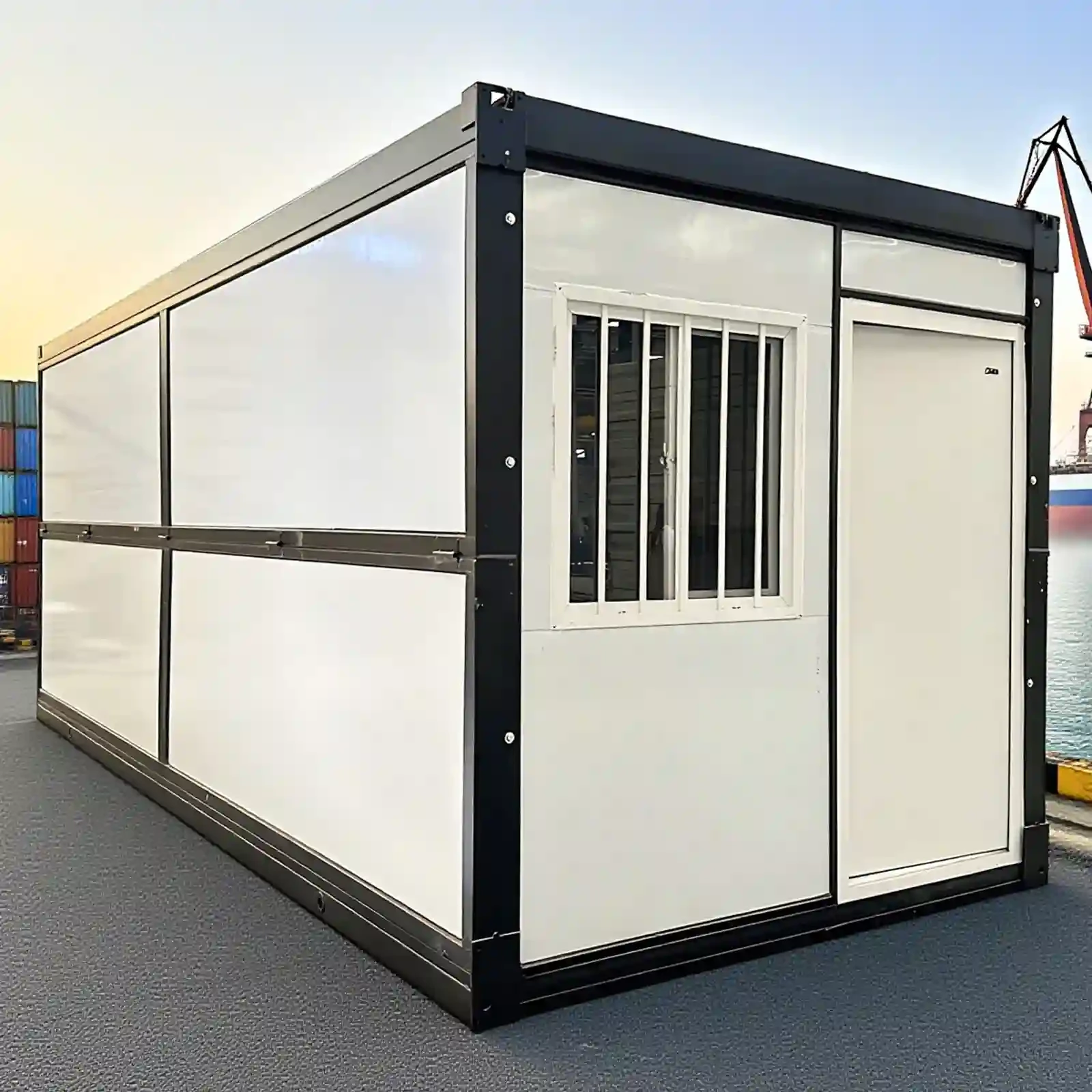
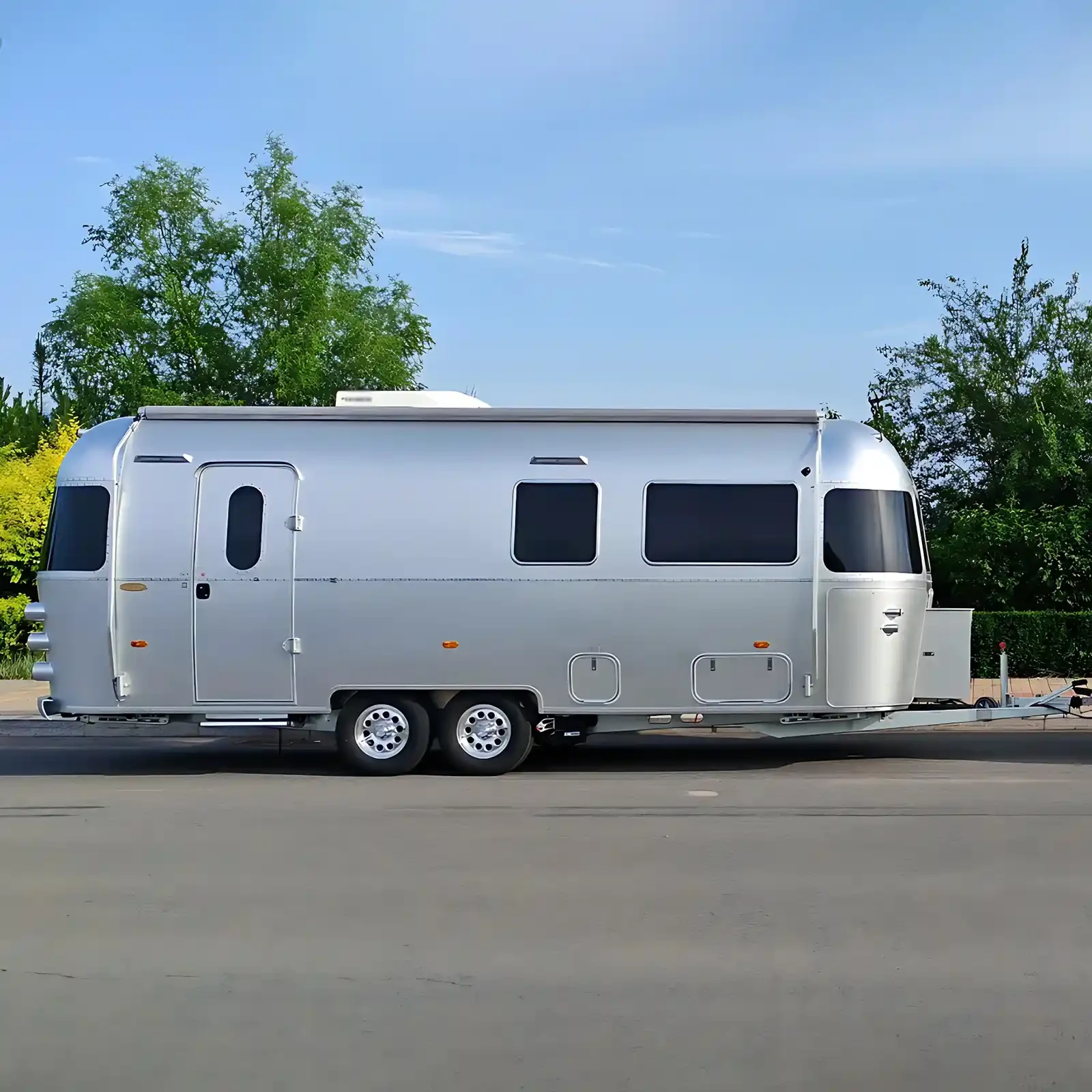
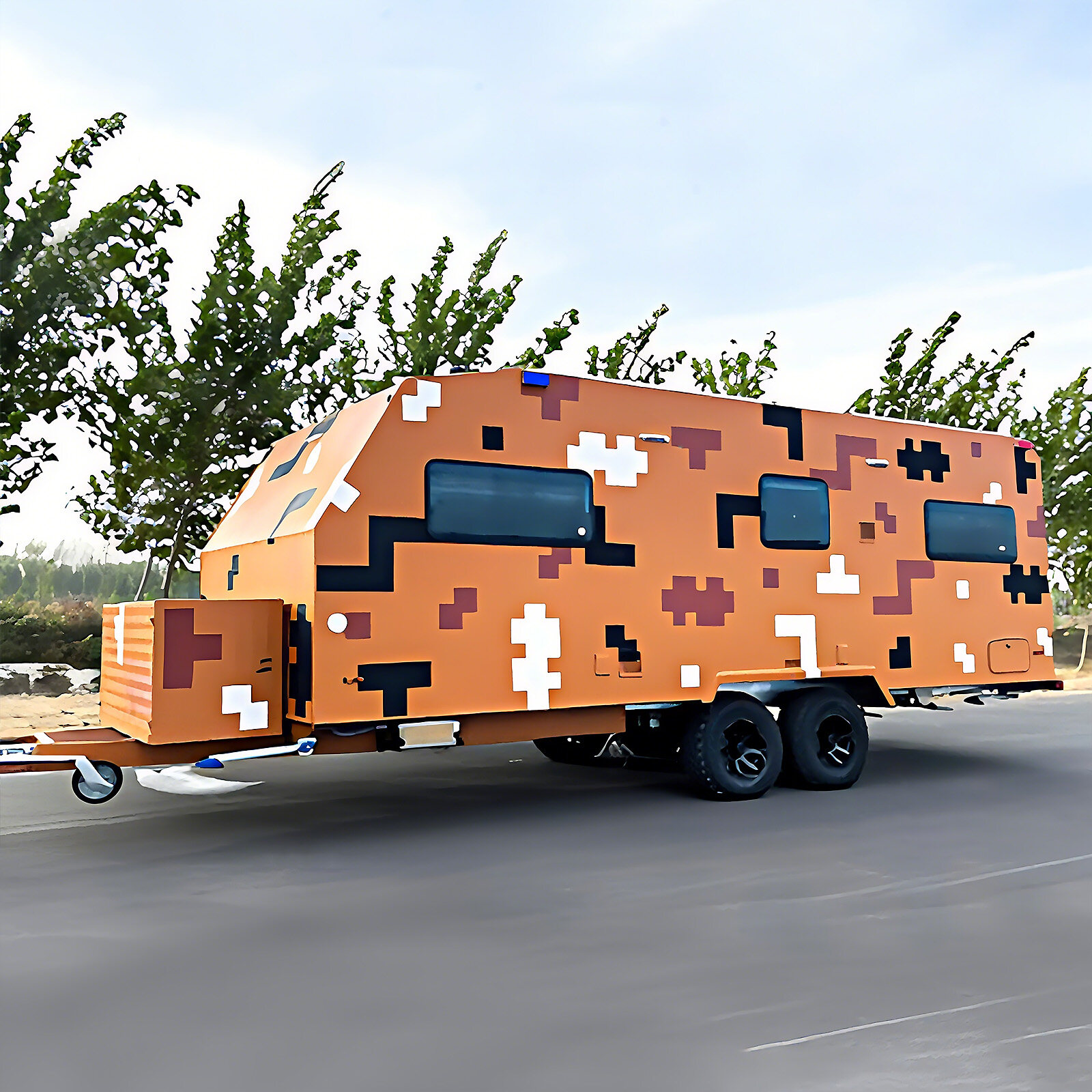



Why are self-built light steel villas more popular than traditional buildings?
Why are self-built light steel villas more popular than traditional buildings? What exactly is a light steel villa, and why doesn't it utilize traditional civil engineering? Light steel villas not only possess the four superior properties of being "light, fast, high-quality, and economical," but also offer advantages such as recyclability and minimal environmental impact. Light steel villas boast high strength, light weight, good seismic performance, lower foundation costs, larger usable floor area, high building quality, suitability for industrialized and standardized production, dry and green construction capabilities, suitability for various climates, independence from seasonal construction, and lower overall costs. Furthermore, they reduce construction waste and are recyclable throughout their entire lifespan, making them the preferred material for modern villa construction. In this era of rapid technological advancement, the construction industry naturally cannot lag behind. Light steel structures are dedicated to providing the most basic material supply for the construction industry, and their application in villas is becoming increasingly widespread.
I. Floor Structure of Light Steel Villas
The floor of a light steel villa consists of cold-formed thin-walled steel frames or composite beams, OSB ( Oriented Strand Board) structural panels, supports, and connectors. The materials used are oriented strand board (OSB), cement fiberboard, and plywood. These lightweight floors can withstand a load of 316-365 kg per square meter . The floor structure system of a light steel villa weighs only one-quarter to one-sixth of the weight of traditional domestic concrete floor slab systems, but its structural height is 100-120 mm higher than that of ordinary concrete slabs .
II. Roofing System for Light Steel Villas
A light steel villa roofing system consists of a roof truss, structural OSB panels, a waterproof layer, and lightweight roofing tiles (metal tiles or asphalt shingles). Light steel roof structures offer a variety of aesthetic combinations and materials. While ensuring waterproofing, there are numerous options for the desired appearance.
III. Wall Structure of Light Steel Villas
The walls of a light steel villa mainly consist of wall frame columns, top beams, bottom beams, wall supports, wall panels, and connectors. Light steel villas typically use interior transverse walls as load-bearing walls. The wall columns are C- shaped light steel components, with wall thickness determined by the load, typically ranging from 0.84 to 2 mm. The spacing between wall columns is generally 400 to 600 mm. This wall structure arrangement in light steel villas effectively bears and reliably transmits vertical loads and is convenient to install.
IV. Building Insulation and Energy-Saving Technology for Light Steel Villas
To ensure effective insulation, light steel villas utilize durable and heat-insulating materials in their exterior walls and roofs. Typically, in addition to fiberglass insulation between wall columns, a layer of insulation material is applied to the exterior walls, effectively breaking thermal bridges between the columns and the exterior wall panels. Fiberglass is also used in the joists between floors to reduce heat transfer between floors. Furthermore, fiberglass insulation is applied between the columns of all interior walls to minimize heat transfer between units.
V. Building Fire Prevention Technology
One of the most critical issues for light steel villas is the application of fire-resistant technology. Light steel villas have a fire resistance rating of Class IV. Fire-resistant gypsum board is applied to the sides of the walls and the ceiling of the floor slab. Ordinary firewalls and partition walls are protected with 25.4 mm (1 inch ) thick gypsum board to meet the 1- hour fire resistance requirement. Additionally, the fiberglass filling between the wall columns and floor joists also plays a positive role in fire resistance and heat transfer protection.
VI. Building Sound Insulation Technology
Light steel villas use glass wool to fill the gaps between the interior and exterior walls and floor joists, effectively blocking the audio components that travel through the air. As for impact sound that travels through solids, the following structural treatments are used: for the partition walls, two wall columns are used to form two walls with a gap in the middle; and for the small keel used to fix the gypsum board in the ceiling, an elastic structure with small grooves is used to effectively reduce the transmission of solid sound between floors.