
 USD
USD GBP
GBP
 EUR
EUR
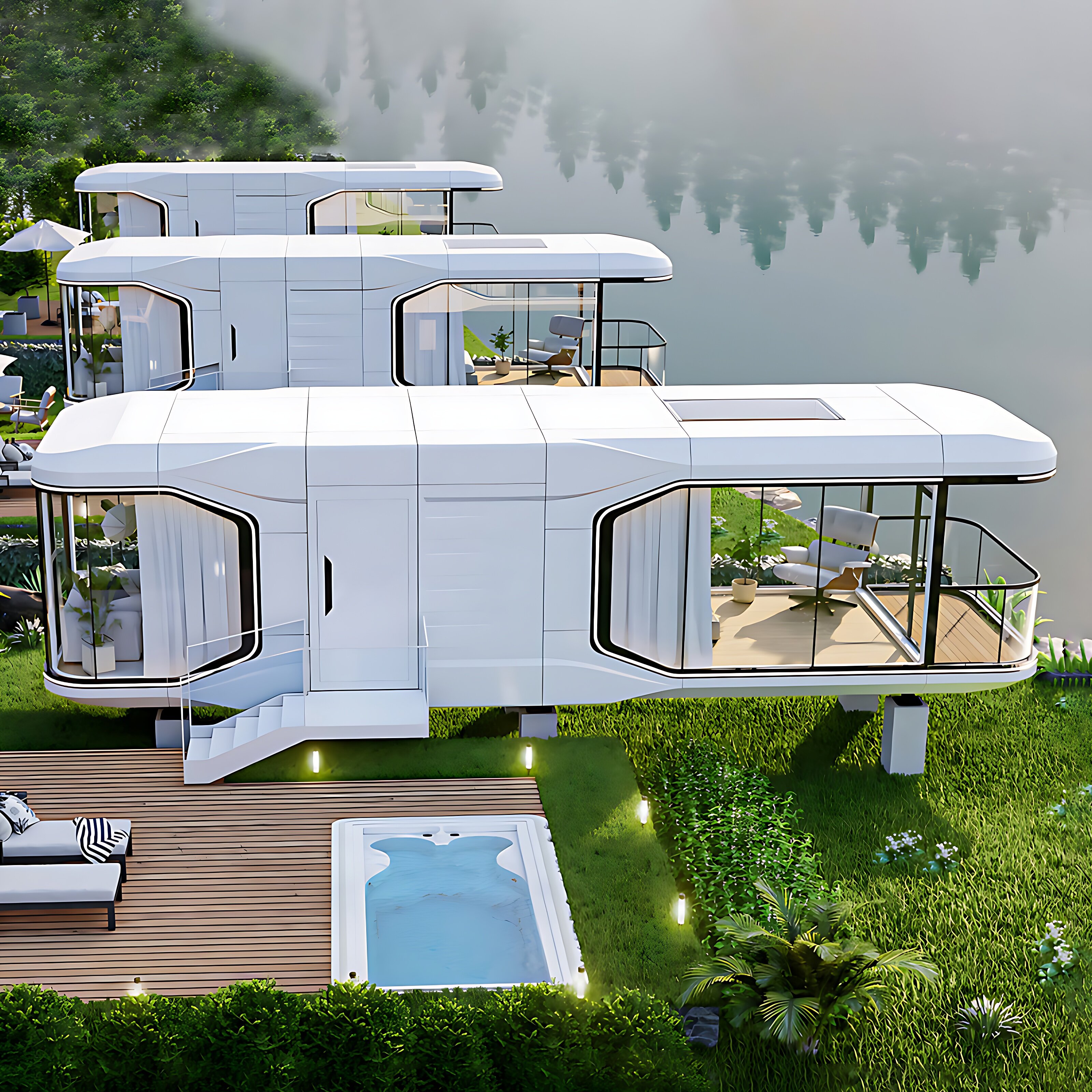
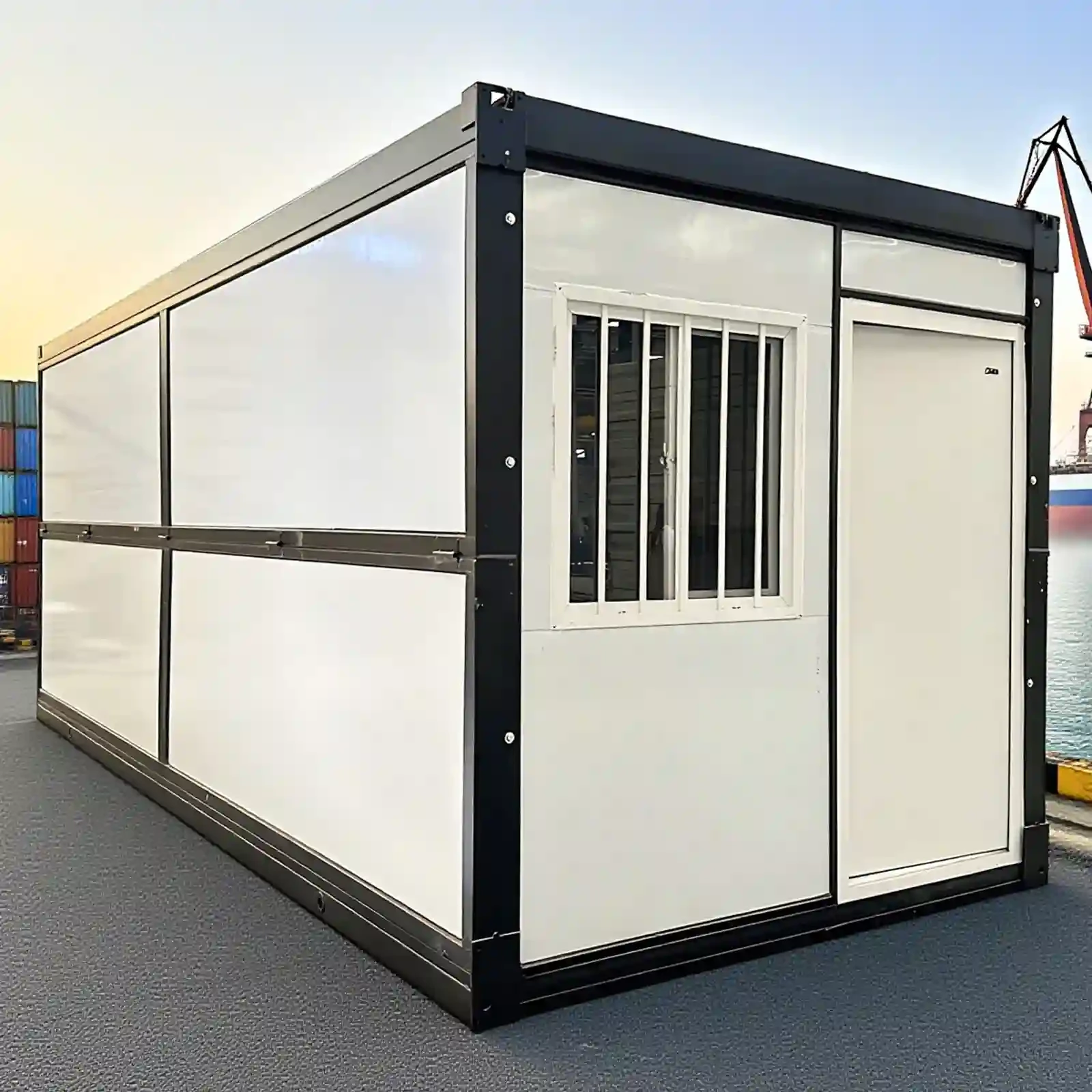
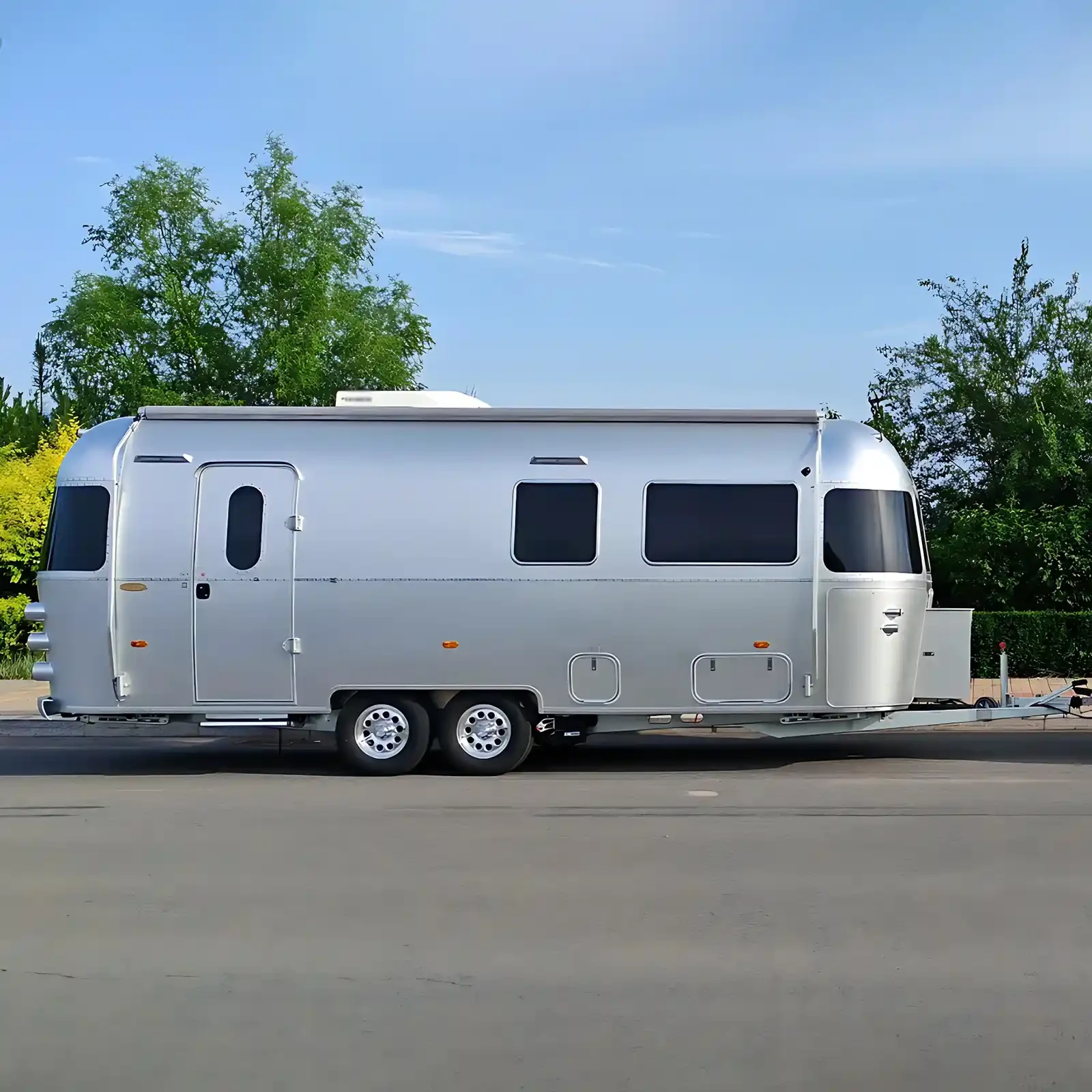
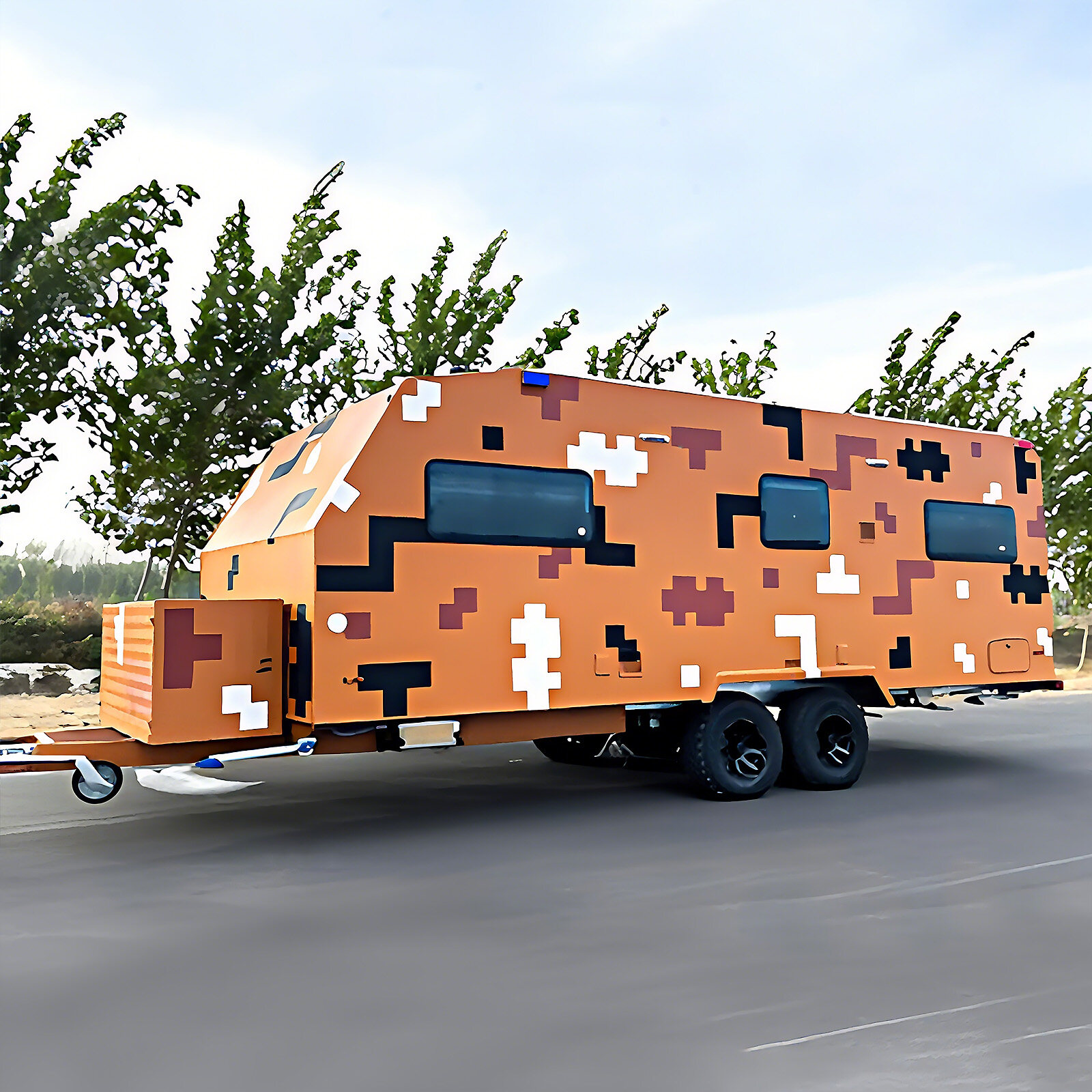
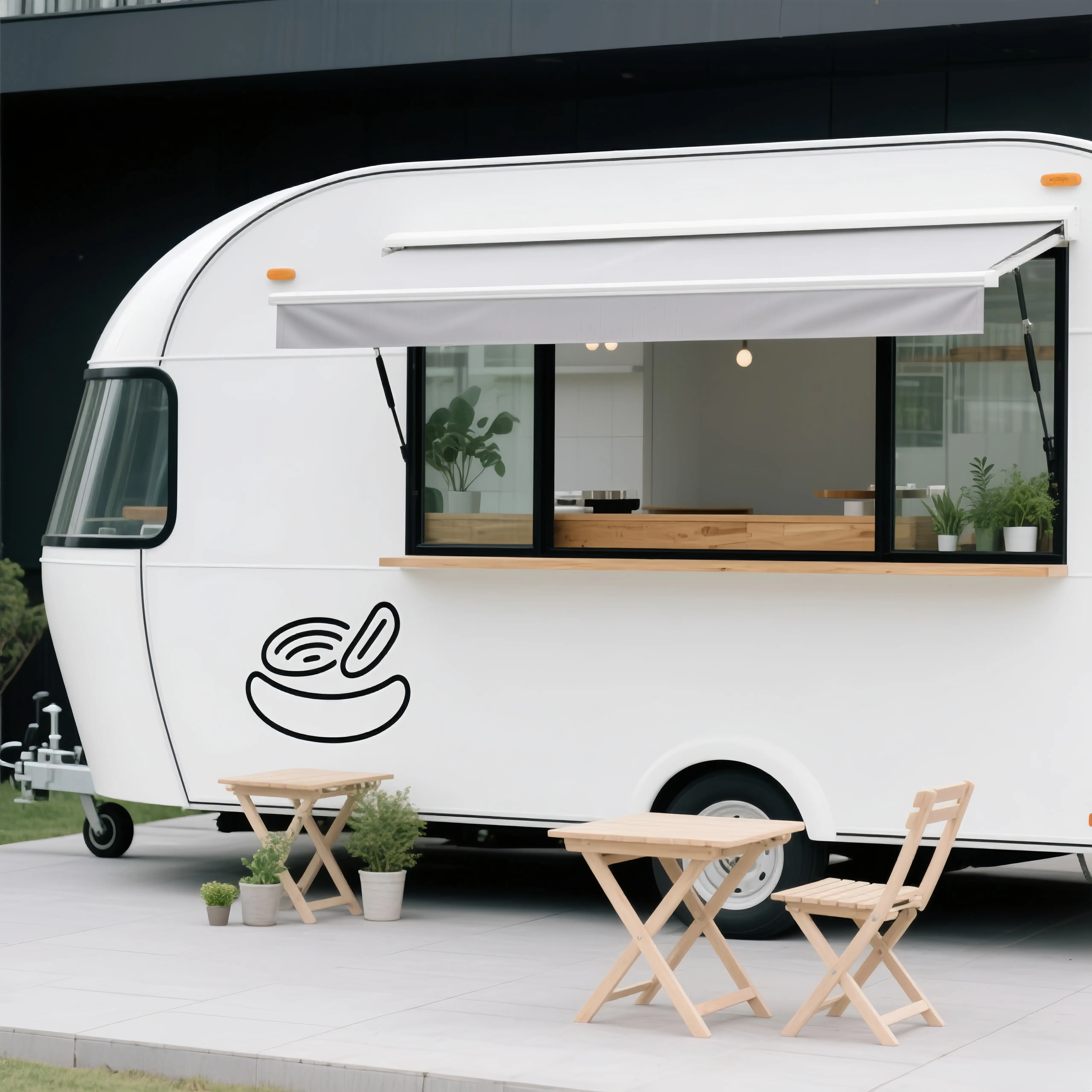

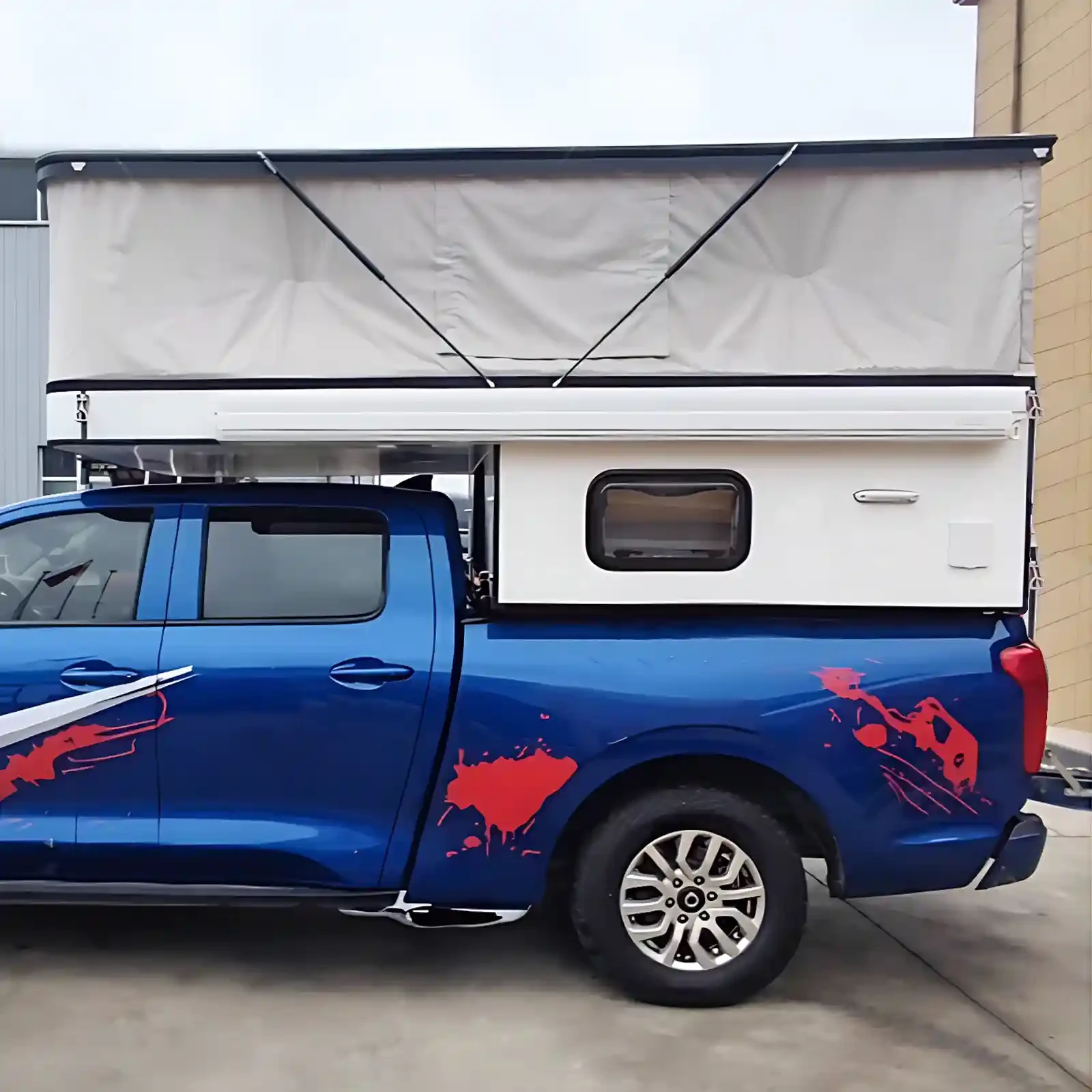
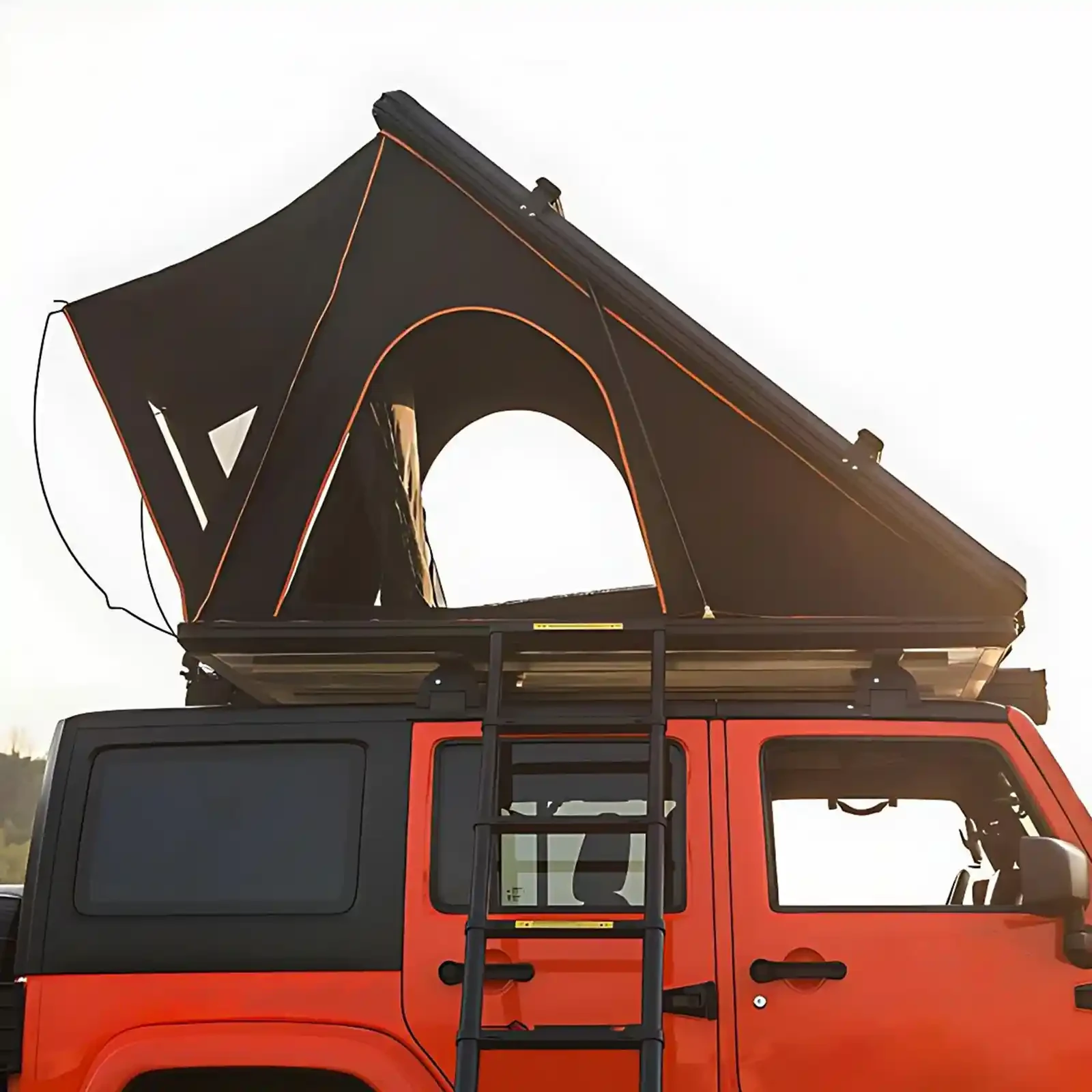
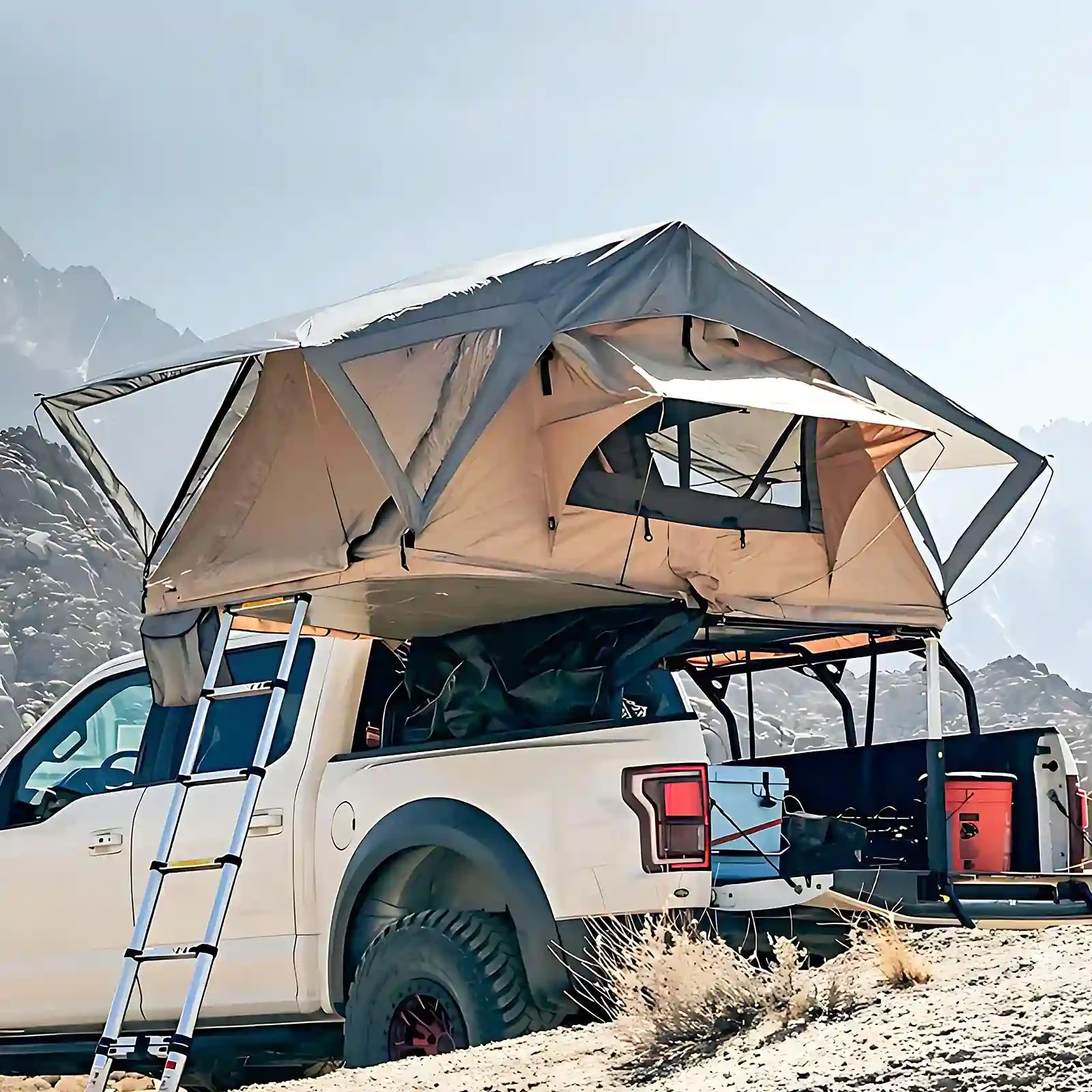
Muchen Tourism launched modular cabin-style housing in Jamaica, pioneering a new type of housing experience.
| Long before prefabricated housing became a modern architectural trend, Jamaican ancestors were already building houses on timber-framed structures that could be raised or moved-structures that could be disassembled and reassembled as needed. While this tradition has almost disappeared, a Chinese construction company is now reintroducing the concept in a high-tech way with its modular cabin construction. China International Construction Company (CICC) Assembly Limited has been operating in Jamaica since 2019, with Changbin Liu serving as Director and General Manager. The company states that its prefabricated houses combine advanced technology, efficient design, and a comfortable living experience, perfectly adapted to the local climate and geography. The company hopes this product will provide Jamaicans with a more modern housing option than traditional concrete homes, while also increasing affordable and sustainable housing choices for local residents. The company has participated in numerous commercial and residential projects in locations including Kingston, Spanish Town, St. Catherine, Ocho Rios in San Antonio, and Runavey Bay. Some of these projects were developed for large corporations such as Carerras, Sagicor, and the National Commercial Bank. The company's decision to enter the modular housing market stems from a desire to combine modern technology with environmental protection. People increasingly crave freedom and outdoor activities. We hope to fulfill people's desire to 'travel with their own home.' At the company’s Ferry Pen showroom, located next to the Mandela Highway in Kingston, four uniquely designed motorhome models gleam in the sunlight-each with its own distinctive style and purpose. This 260-square-foot G5 apartment is one of the most versatile of all the listings, serving as both a compact residence and a private office. The interior layout is both simple and functional: it features concealed lighting, touch-sensitive controls, and a separate workspace facing a large window. In comparison, the G8 looks more like a product straight out of a science fiction movie. Its crescent-shaped glass curtain wall design is inspired by a space capsule. Upon entering, you can immediately feel the unique effect-natural light shines through the panoramic glass, flooding the entire space and reflecting off the metal surfaces and the LED light strips hidden inside, giving the entire cabin a soft glow. This S5 apartment has only one bedroom, measuring approximately 300 square feet, yet it exudes a warm and comfortable atmosphere. The balcony is surrounded by floor-to-ceiling glass windows, seamlessly integrating the bedroom with the minimalist living room, creating a spacious feel. A smart home system controls the air conditioning, projector screen, and lighting, allowing the homeowner to easily manage all home appliances via their smartphone or other smart devices. The largest model, the S9, occupies approximately 400 square feet and features a second bedroom and an extended terrace-a layout ideal for small families or those investing in vacation rentals. All of these vacation homes share common features: energy-efficient housing systems, separate wet and dry bathrooms, and 270-degree windows that bring the outdoor views indoors. “These capsules are equipped with a complete smart home control system, including air conditioning, projectors, and bathroom facilities,” Liu explained. “These capsules can be delivered fully furnished, and their bathrooms feature a wet and dry separation design and floor-to-ceiling windows with 270-degree panoramic views. Some models also include skylights and terraces.” "Compared to traditional concrete houses, these houses are about 15% to 20% cheaper, with the same floor area. This 'prefabricated' solution includes some pre-installed furniture, basic water and electricity systems, and fully finished interior and exterior decoration." So far, the concept has attracted government officials, police officers, and potential homebuyers. Many of them have visited the site in person to experience the design schemes firsthand. “Many real estate developers and individuals have shown great interest in our log cabins. They have visited our project site multiple times, and many have expressed a clear intention to purchase. In addition, people who love travel and outdoor activities, as well as high-income groups who pursue a unique lifestyle, have also shown great interest in these innovative residences,” These building components are prefabricated in China and then transported to the site for assembly. The assembly process utilizes concrete foundations and high-strength bolts or welding techniques. Liu stated, "The main structure of these buildings uses a galvanized steel frame and aluminum panels, providing excellent insulation, fire resistance, corrosion resistance, and insect repellency." These products have a lifespan of at least 50 years, although regular maintenance will still be necessary during that period. The company also emphasized the environmental advantages of modular construction. "The construction process of this type of building is very environmentally friendly, using renewable materials such as wood and recycled steel. Thanks to the use of modular prefabrication technology and efficient material utilization, its carbon footprint is expected to be 30% to 40% lower than that of traditional construction methods," the person in charge added. The company's current priorities include tourism and public infrastructure development. Liu pointed out that there are numerous opportunities for collaboration within Jamaica's tourism industry, such as partnerships with eco-resorts, Airbnb platform operators, and government-supported projects. He added that the company plans to advance these collaborative projects in the near future and implement them as soon as possible. “These designs align with the sustainability and unique design philosophy of our cabin,” Liu said. Although negotiations with the Ministry of Tourism have not yet begun, he said the company is interested in exploring potential pilot project locations. The company's long-term plan is to establish a local manufacturing and assembly base to reduce costs and create jobs. He added, "Our long-term goal in Jamaica is to deepen our market presence, drive localization, and establish local manufacturing and assembly facilities to reduce costs and increase local employment opportunities." The company also believes that its modular housing units have great potential in government-led housing construction projects and disaster recovery efforts. Given that recent disasters like Hurricane Melissa have highlighted the urgent need for resilient and rapidly deployable housing in Jamaica, CICC is confident that its modular housing designs will ensure both rapid construction and structural robustness. “We are committed to contributing to government-led housing solutions,” he said. |